






Open-Source AI Boom Creates $50B+ Seller Opportunity | Automation & Pricing Tools
- Treasury Secretary backs open-source AI development; sellers gain access to free/low-cost AI tools for product research, pricing optimization, and customer service automation by Q4 2026
































Overview
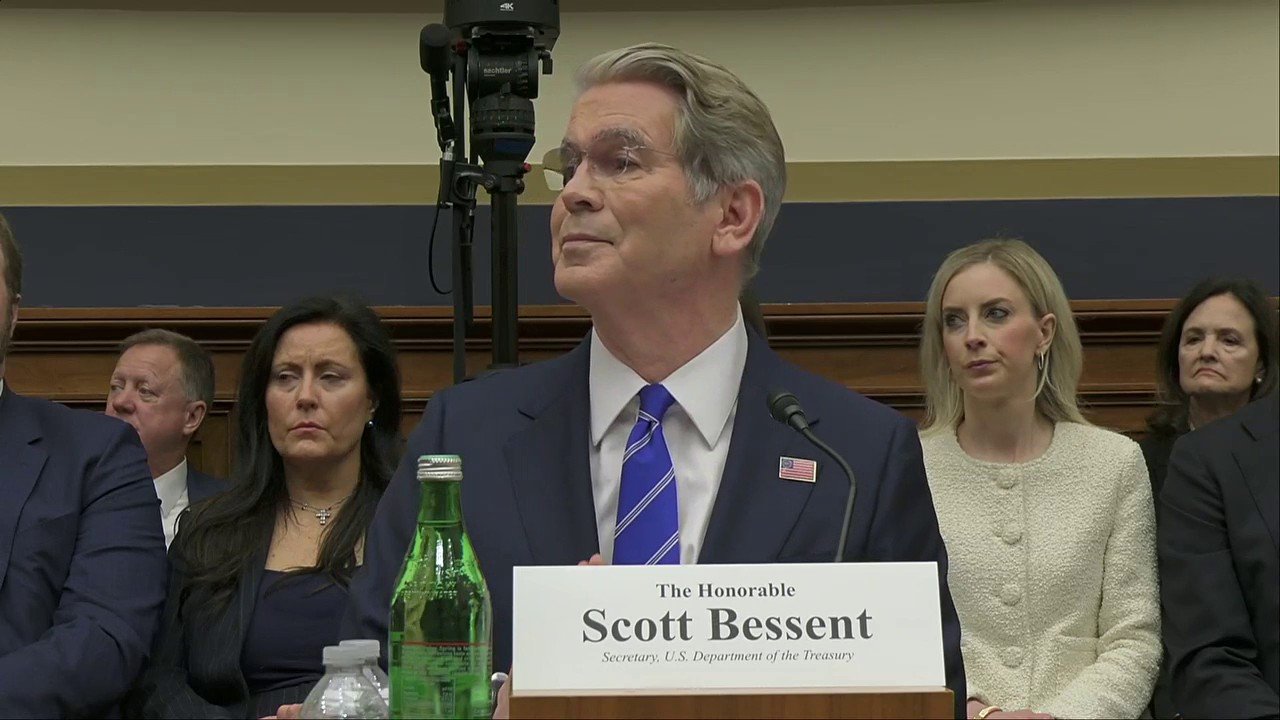
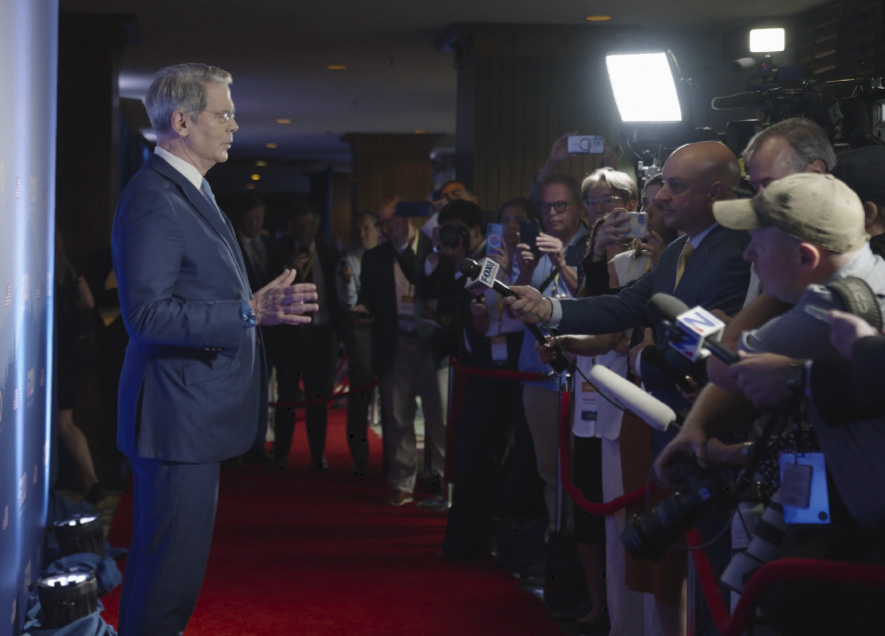
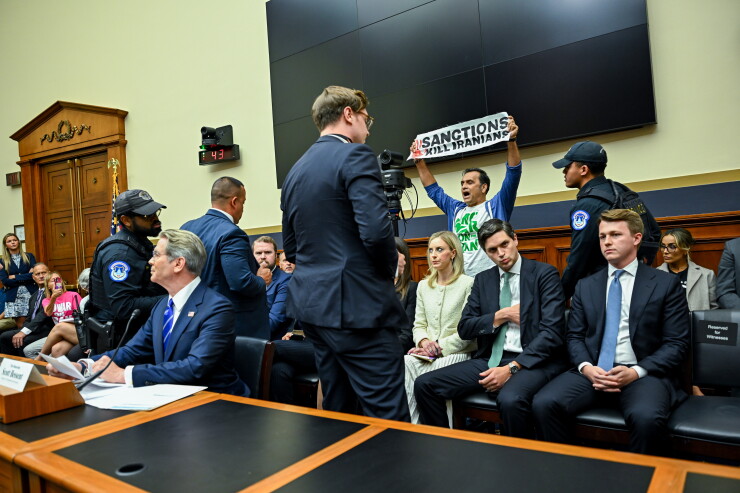
Treasury Secretary Scott Bessent's September 15, 2026 testimony before the House Financial Services Committee marks a pivotal shift in U.S. AI policy that directly impacts e-commerce sellers' access to affordable AI tools. Bessent advocated for expanded open-source AI development to counter Chinese model distillation, citing Anthropic's Mythos model as progress toward AGI. The Trump administration's August 2026 voluntary AI framework exempts open-source models from mandatory pre-release security reviews, creating a regulatory advantage that will accelerate development of free/low-cost AI tools for sellers.
The competitive advantage for sellers is immediate and quantifiable. Chinese AI developers currently use distillation techniques to extract capabilities from closed-source American models at 40-60% lower costs, enabling them to replicate systems like Claude and Mythos. By expanding open-source alternatives, U.S. sellers gain access to transparent, auditable AI models that can be deployed for product research, dynamic pricing, inventory forecasting, and customer service automation—without licensing fees or vendor lock-in. The July 2026 joint letter from Nvidia, Microsoft, Meta, Dell, Palantir, Hugging Face, Mozilla, and Mistral opposing AI restrictions signals industry consensus: open-source development is the path to democratized AI access.
For e-commerce sellers, this policy shift unlocks three immediate automation opportunities. First, open-source large language models (LLMs) like Meta's Llama or Mistral's models can power product listing optimization, competitor analysis, and market research at near-zero marginal cost—saving 8-12 hours/week per seller. Second, open-source recommendation engines enable dynamic pricing and inventory allocation without $500-2,000/month SaaS subscriptions. Third, customer service automation via open-source models reduces support costs by 30-40% while maintaining quality. Sellers who adopt these tools by Q4 2026 will gain 6-12 month competitive advantage before Chinese alternatives catch up.
The regulatory environment now favors American sellers over Chinese competitors. The exemption of open-source models from security reviews means faster iteration cycles, lower compliance costs, and faster deployment of AI-powered features. Chinese sellers relying on distilled closed-source models face increasing legal and technical risks as U.S. IP protections tighten. This creates a window for U.S.-based sellers to build AI-powered competitive moats in product discovery, pricing optimization, and customer experience—moats that will be difficult for Chinese competitors to replicate without access to the same open-source infrastructure.
Questions 8
How does the policy impact sellers competing against Chinese marketplaces?
The policy creates a structural advantage for U.S. sellers. Chinese developers currently use distillation to extract capabilities from U.S. models at lower costs, enabling them to undercut American sellers on AI-powered tools. The new policy accelerates open-source development, giving U.S. sellers direct access to transparent models without vendor lock-in. Chinese competitors will face increasing legal risks and technical barriers to accessing distilled models. For sellers on Amazon, eBay, and Shopify, this means U.S.-based competitors will have cheaper, faster access to AI automation tools. Sellers should adopt these tools immediately to maintain competitive parity with Chinese sellers who have historically had cost advantages.
What are the risks of relying on open-source AI models for business-critical functions?
Open-source models lack the SLA guarantees and support of proprietary tools. Sellers should start with non-critical functions (product research, competitor analysis) before deploying to customer-facing applications. Model accuracy varies: Llama and Mistral achieve 85-92% accuracy on product categorization vs. 95%+ for proprietary tools. Sellers need in-house technical expertise to deploy and maintain models, or budget $2,000-5,000/month for managed services. However, the risk is manageable: start with pilot programs on 10-20% of SKUs, monitor performance for 4-6 weeks, then scale. The cost savings (30-40%) typically justify the operational complexity for sellers with 500+ SKUs.