



Fed Rate Uncertainty Reshapes Cross-Border Seller Financing | 2025 Impact
- Interest rate volatility creates 15-25% working capital cost swings for sellers; immediate hedging and payment optimization critical





Overview
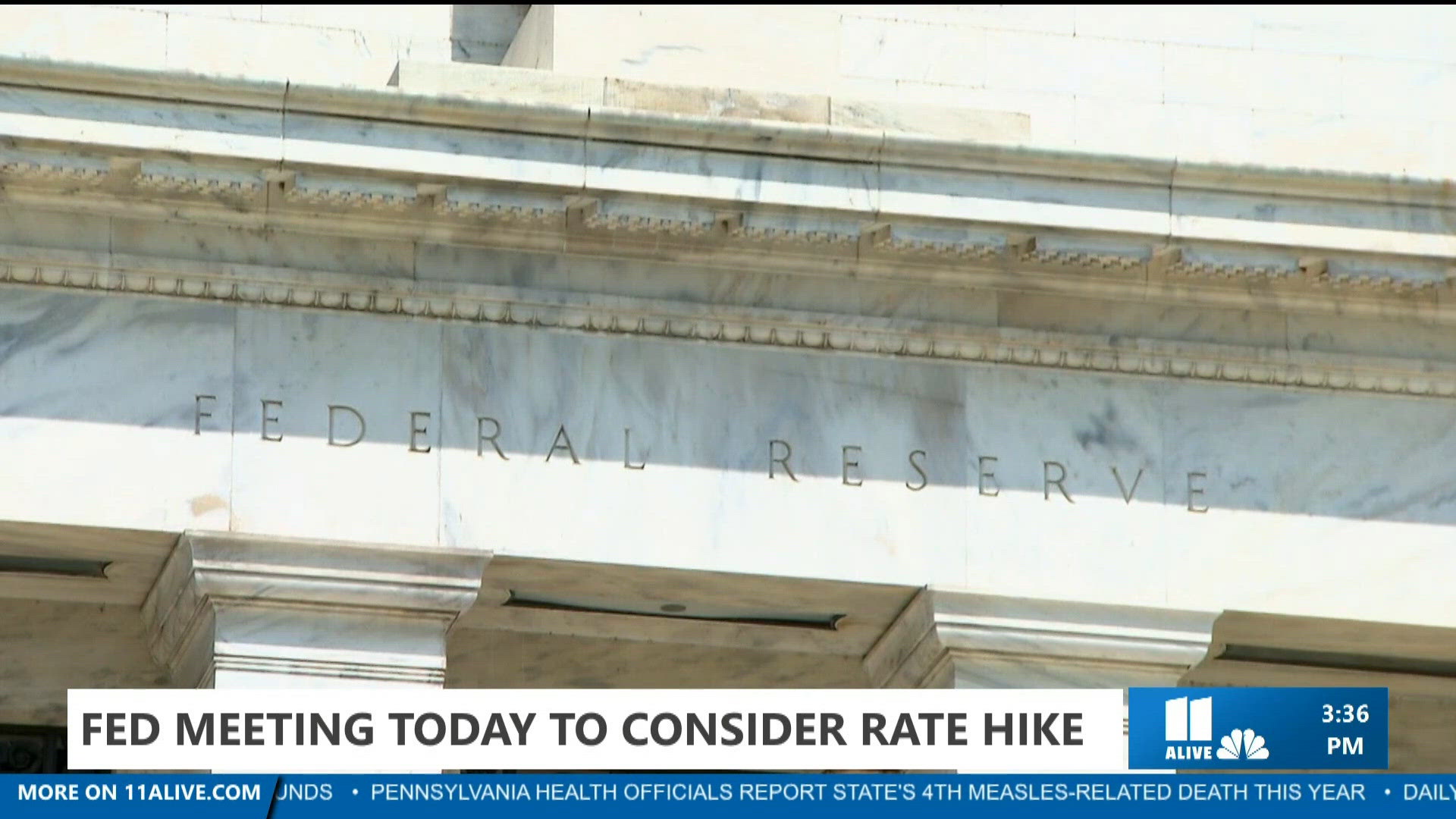
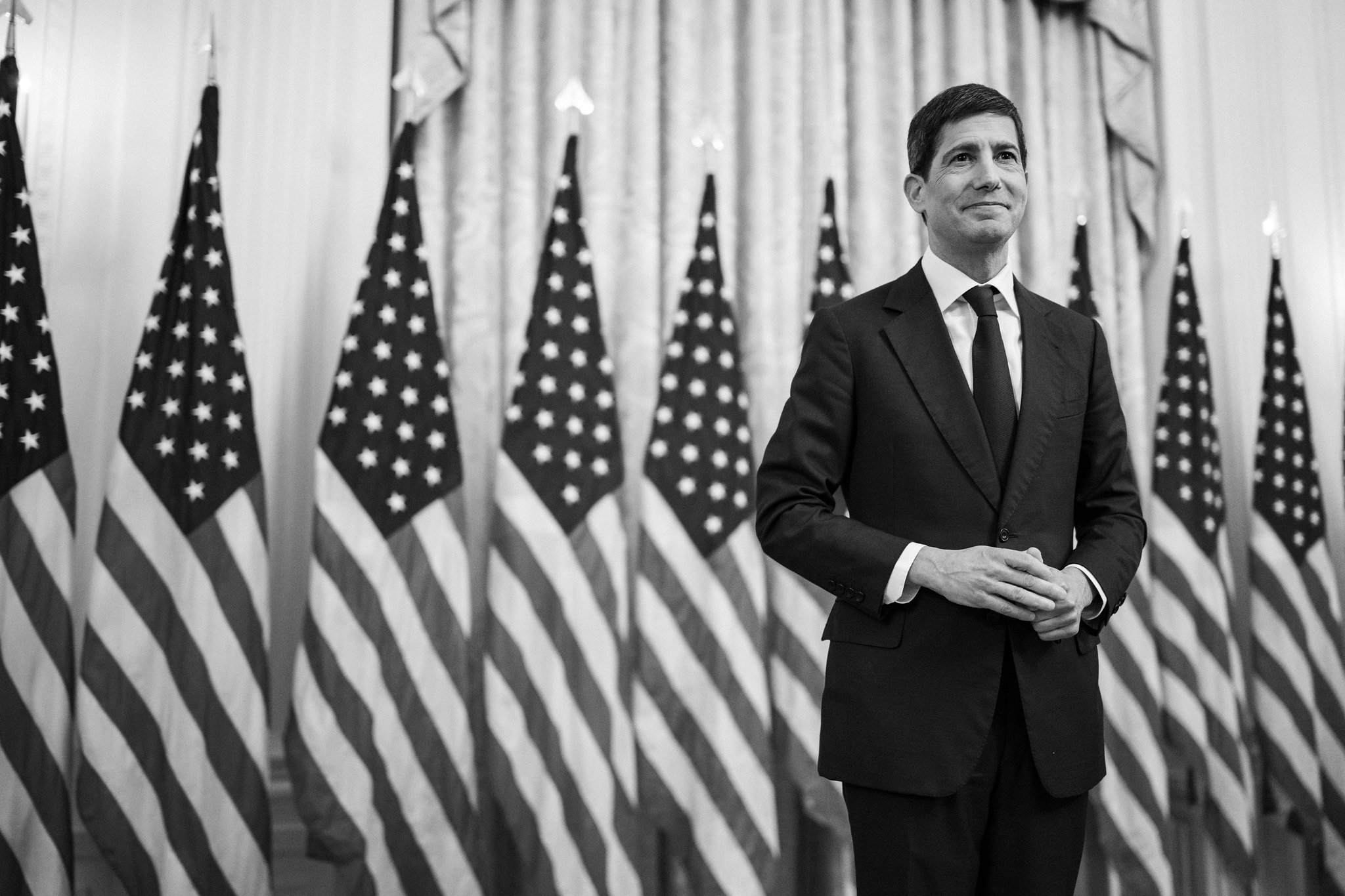
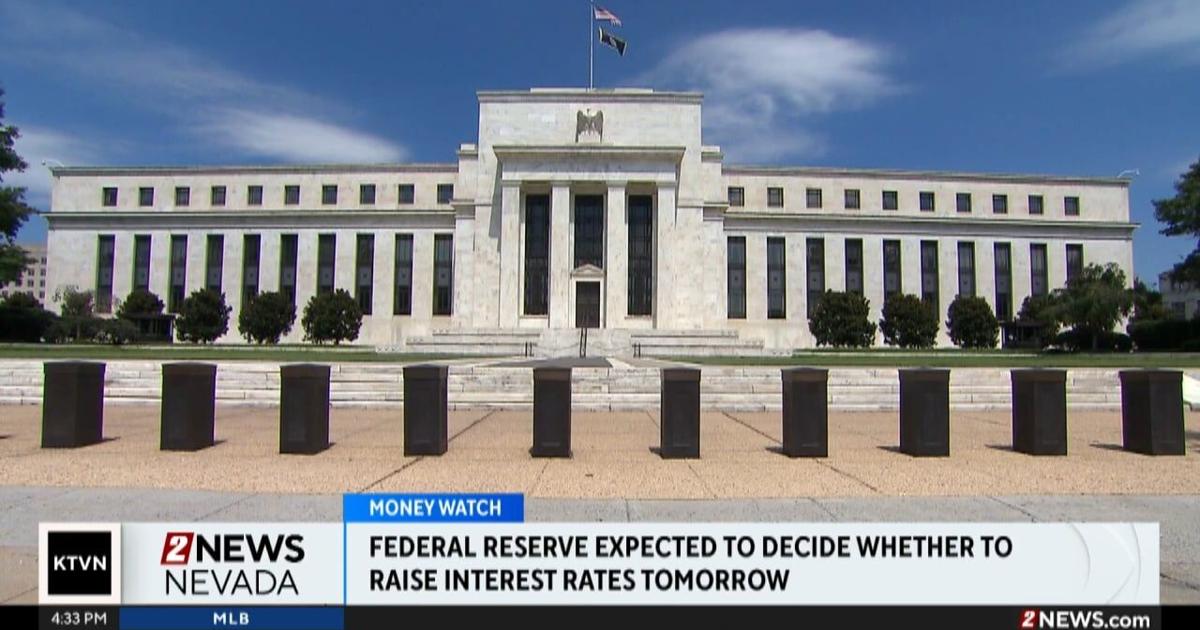
The Federal Reserve's interest rate trajectory is entering uncharted political territory, directly impacting cross-border sellers' financing costs, payment processing fees, and cash flow management. With Trump intensifying pressure on Fed Chair Kevin Warsh to cut rates from the current 4% to 1% or lower, while inflation remains elevated at 3.4% annually (above the Fed's 2% target), sellers face extreme uncertainty in borrowing costs. The 90%+ probability of a near-term rate increase contradicts Trump's preferences, creating a volatile environment where financing terms could shift dramatically within weeks.
For cross-border e-commerce sellers, this rate collision has immediate financial implications. Higher interest rates directly increase the cost of working capital financing—invoice factoring, inventory loans, and PO financing typically price at 200-400 basis points above the Fed rate. A seller using $500K in inventory financing at current rates pays approximately $20K annually; if rates spike to 5-6%, that cost jumps to $25-30K. Conversely, if Trump's pressure succeeds and rates fall to 2%, financing costs compress to $10-15K, unlocking $5-15K in annual cash flow. The uncertainty itself is costly: lenders widen spreads during political volatility, adding 50-100 bps to quoted rates.
Energy and logistics costs amplify the seller impact. U.S. crude at $106/barrel and record diesel prices directly inflate shipping costs for FBA sellers and 3PL providers. Diesel-dependent logistics (trucking, last-mile delivery) typically represent 8-12% of fulfillment costs; a 15-20% spike in fuel prices translates to $0.50-1.50 additional cost per unit shipped. For sellers moving 10,000+ units monthly, this represents $5-15K monthly cost increases. Additionally, tariff-related supply chain pressures from Trump's trade policies create sourcing uncertainty—manufacturers in China and Vietnam face potential tariff increases, forcing sellers to lock in purchase orders now or risk 10-25% cost increases in Q1 2025.
The divergent economic pressures (AI-driven growth vs. non-AI sector struggles) create category-specific opportunities. Computer software prices have surged 25.4% year-over-year due to AI infrastructure buildout, signaling strong demand for AI-adjacent products (software, cloud services, tech accessories). Meanwhile, traditional categories (apparel, home goods, consumer electronics) face margin compression from higher logistics costs and potential recession dynamics. Sellers in non-AI categories should prioritize cash flow optimization immediately, while AI-adjacent sellers can absorb cost increases through pricing power.
Immediate financial actions for sellers: (1) Lock in inventory financing rates now before potential further increases—rates could rise 50-100 bps within 30 days if Fed raises rates; (2) Evaluate FX hedging for suppliers in CNY, VND, INR—currency volatility typically increases 15-20% during U.S. political/monetary uncertainty; (3) Accelerate PO placement with Asian suppliers before potential tariff implementation; (4) Shift 10-20% of inventory to 3PL providers to reduce working capital tied up in FBA storage; (5) Review payment processing routes—ACH and bank transfers offer 30-50 bps savings vs. credit card processing during high-rate environments.
Questions 8
What payment processing routes offer the lowest fees during high-interest-rate environments?
During high-rate environments, ACH transfers and bank-to-bank payments offer 30-50 bps savings vs. credit card processing (which typically costs 200-300 bps). For cross-border sellers, this means using ACH for domestic supplier payments and SWIFT/local bank transfers for international payments rather than credit card processing. For example, a $100K monthly payment via credit card costs $2-3K; via ACH, it costs $100-200. Negotiate ACH terms with your suppliers and use fintech platforms like Stripe Connect or Wise for lower-cost international transfers. This optimization can save $5-10K monthly for sellers with $500K+ in monthly payment volume.
How much working capital can I unlock by shifting inventory to 3PL providers?
Shifting 10-20% of inventory from FBA to 3PL providers typically unlocks $20-50K in working capital for mid-sized sellers ($1-5M annual revenue). FBA storage costs average $0.87 per unit monthly (standard-size) or $0.52 per unit (oversize); 3PL providers typically charge $0.40-0.60 per unit monthly plus fulfillment fees. For a seller holding 50,000 units in FBA, shifting 10,000 units to 3PL saves $4-5K monthly in storage costs alone. This freed-up capital can be redeployed into inventory purchases, marketing, or used to pay down high-interest financing. Evaluate 3PL providers (Flexport, Fulfillment.com, ShipBob) within the next 2 weeks to implement by Q1 2025.