



Fed Rate Hike 2024 | Cross-Border Sellers Face Higher Financing Costs
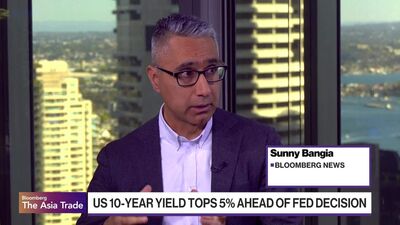
- 25-50 basis point increase expected Wednesday; 10-year Treasury yields hit 5.04% (highest since 2007); working capital financing costs rise 8-15% for sellers with inventory loans















Overview
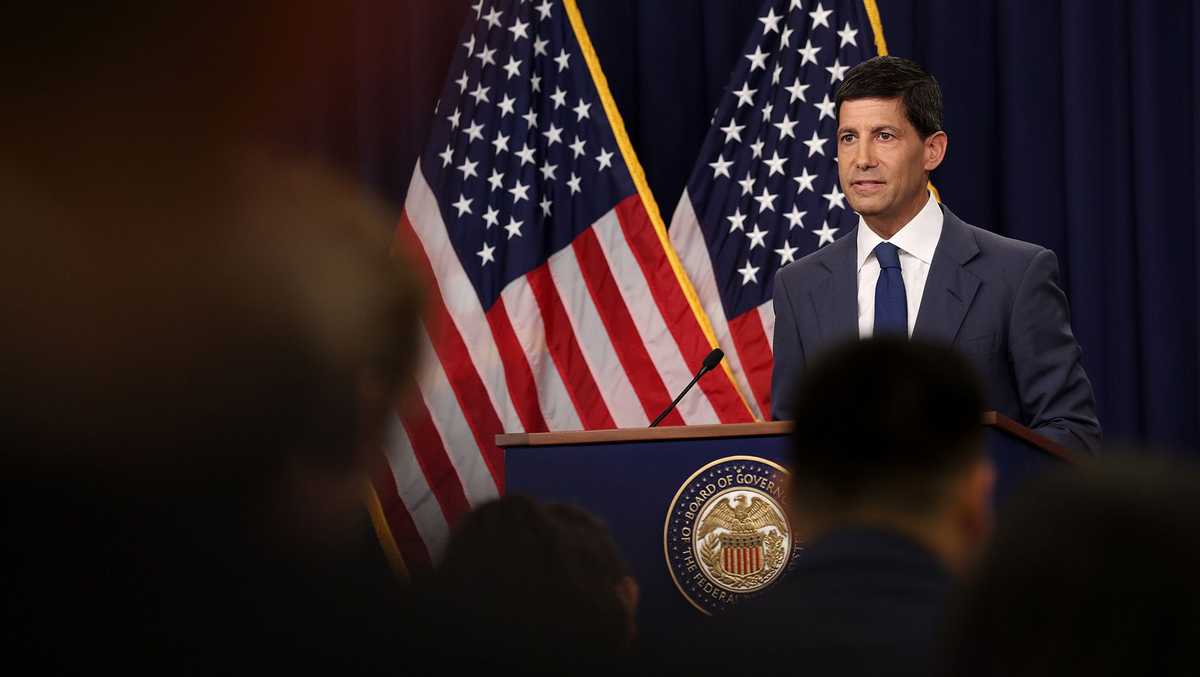
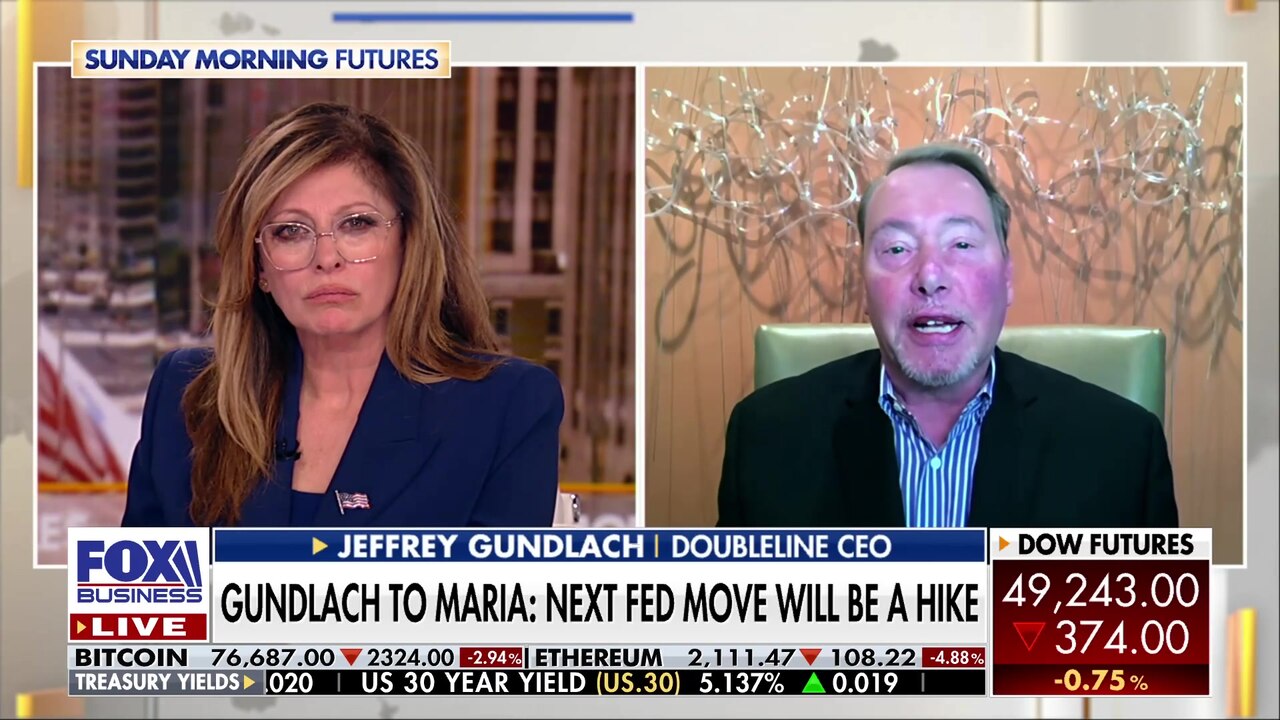
The Federal Reserve is poised to raise interest rates by 25-50 basis points at Wednesday's policy meeting, with markets pricing a 92% probability of at least a quarter-point hike that would bring the Fed funds target range to 3.75-4.00%. The 10-year Treasury yield has climbed 40 basis points since July 29, reaching 5.04% intraday on Tuesday—the highest level since 2007—reflecting persistent inflation concerns and market expectations for aggressive monetary tightening. This represents the first rate hike since 2023, marking a significant shift in Fed policy direction under new leadership.
For cross-border e-commerce sellers, this rate environment creates immediate financial headwinds. Rising Treasury yields directly increase borrowing costs across all financing products: inventory loans, purchase order financing, and working capital lines of credit. Sellers currently utilizing trade finance products (invoice factoring, supply chain financing) will face APR increases of 50-150 basis points as lenders reprice risk. A seller with $500K in outstanding inventory financing at current rates could see monthly costs increase by $200-400 immediately post-announcement. The two-year Treasury yield, which tracks Fed policy expectations, sits at its highest level in over two years—approximately 100 basis points above the Fed's current benchmark rate—signaling market expectations for sustained elevated rates through 2025.
Payment processing and FX hedging costs are also under pressure. Higher interest rates increase the cost of capital for payment processors and fintech providers, which typically pass through 10-25 basis points of increases to merchant fees. Cross-border sellers using multi-currency payment solutions (Wise, Remitly, PayPal) will see marginally higher conversion spreads. More critically, FX hedging costs rise as central banks globally tighten policy—the eurozone swap liquidity remains constrained per ING analysis, and Japanese 10-year yields are climbing, creating wider bid-ask spreads on EUR/USD and USD/JPY pairs. Sellers hedging 30-60 day forward contracts for Asian sourcing will pay 15-30 basis points more than current levels.
Cash conversion cycle deterioration accelerates. Higher rates incentivize buyers to delay purchases (consumer credit becomes more expensive), extending Days Sales Outstanding (DSO) by 5-10 days for sellers. Simultaneously, inventory holding costs rise—storage fees, financing charges, and opportunity costs all increase. Sellers with 60-90 day inventory cycles will see working capital tied up 10-15% longer, compressing cash flow precisely when financing is most expensive. The uncertainty about whether the Fed will pursue a "one and done" 50bp hike or continue tightening creates additional hedging complexity for sellers planning Q4 inventory purchases from Asia.
Questions 8
What financing products should I prioritize given the rate environment?
Prioritize fixed-rate products over floating-rate: (1) Invoice factoring at fixed rates (typically 1.5-3% monthly) locks costs regardless of Fed moves; (2) Supply chain financing/PO financing with fixed terms protects against rate increases; (3) Inventory loans with rate caps limit upside exposure. Avoid floating-rate lines of credit that reset monthly. The CME FedWatch data shows 92% probability of a hike, so fixed-rate products are worth the 25-50bp premium. Compare rates from Clearco, Fundbox, and traditional lenders before Wednesday. If you have existing floating-rate debt, consider refinancing into fixed-rate products immediately.
How will higher rates affect consumer demand for my products?
Higher borrowing costs reduce consumer purchasing power, particularly for discretionary categories (electronics, home goods, apparel). The two-year Treasury yield at its highest level in over two years signals sustained elevated rates through 2025, which typically reduces e-commerce conversion rates by 3-8% in discretionary categories. Sellers should expect slower inventory turnover, particularly in Q4 2024. Immediate actions: (1) Shift marketing spend toward high-intent keywords (product-specific searches) rather than brand awareness; (2) Offer financing options (Affirm, Klarna) to offset consumer credit constraints; (3) Reduce inventory purchases for Q4 by 10-15% to avoid excess stock in a slower demand environment.