


US Memory Chip Reshoring | SK Hynix-Intel Deal Reshapes Electronics Supply Chains for Cross-Border Sellers
- Potential $4B+ US manufacturing expansion threatens South Korean supply dominance; sellers face 6-18 month pricing volatility window before capacity stabilization by 2030
















Overview
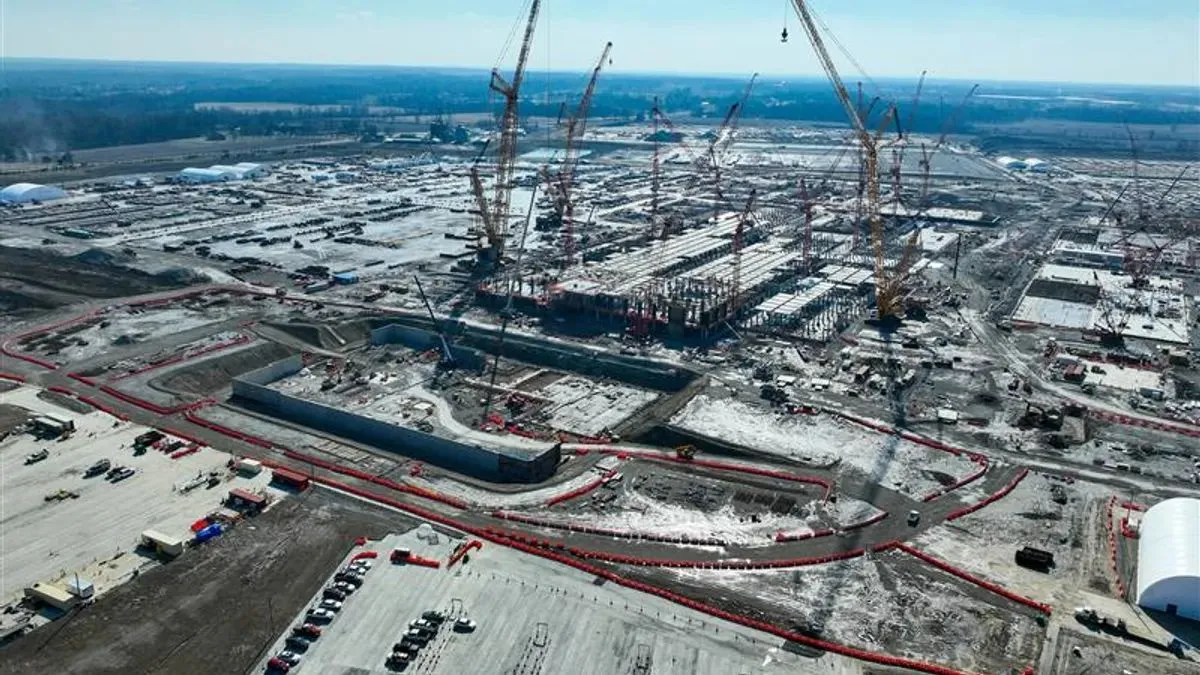
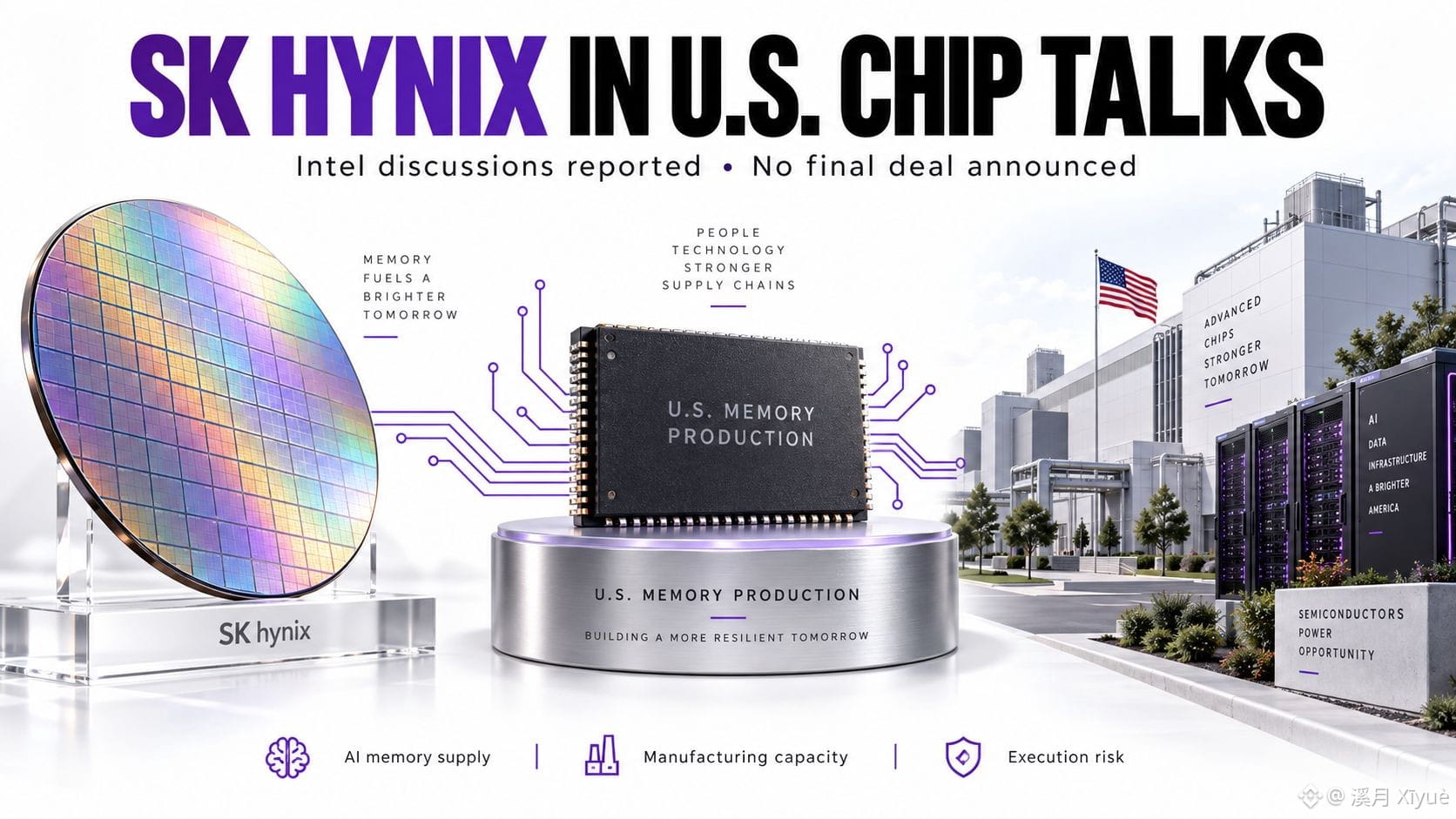
The Intel-SK Hynix exploratory talks represent a watershed moment in semiconductor geopolitics with direct implications for cross-border e-commerce sellers. According to Reuters reporting on September 16, 2026, SK Hynix is negotiating to manufacture memory chips in the United States for the first time—either by leasing Intel's Ohio facility or forming a joint venture with cloud providers. This deal directly responds to Trump administration pressure (Commerce Secretary Howard Lutnick threatened 100% tariffs on South Korean chipmakers lacking US commitments) and addresses acute global memory shortages driven by AI and data center expansion. SK Hynix's stock surged 400% over the past year, and the company completed a secondary Nasdaq listing in July while announcing plans to double production capacity over five years. The $4 billion Indiana facility (breaking ground September 2026) targets 2030 HBM production hub status.
For electronics sellers, this creates a critical 18-36 month transition window with three distinct phases: (1) Immediate volatility (Q4 2026-Q2 2027): Memory chip prices will likely spike 8-15% as SK Hynix diverts capacity toward US manufacturing negotiations and regulatory reviews. Sellers sourcing laptops, servers, gaming PCs, and AI-edge devices face compressed margins. (2) Regulatory uncertainty (Q3 2027-Q2 2028): South Korea's Industrial Technology Protection Act requires review of advanced DRAM and HBM production—classified as "national core technologies." This creates 12-18 month approval delays, extending supply constraints. Sellers should expect 5-12% price premiums on HBM-dependent products (Nvidia AI accelerators, data center components). (3) Capacity normalization (2029-2030): Once US production reaches scale, memory prices stabilize 10-20% below current levels, benefiting sellers with long-term inventory commitments.
Competitive dynamics shift dramatically. Micron Technology, currently the dominant US memory manufacturer, faces direct competition from Intel's foundry ambitions and SK Hynix's $4B commitment. This three-way competition will eventually reduce US memory chip costs by 12-18% versus current South Korean pricing, but creates near-term supply fragmentation. Sellers dependent on consistent DRAM/HBM supplies should diversify sourcing: 40% from established South Korean suppliers (Samsung, SK Hynix legacy capacity), 30% from Micron US operations, 20% from emerging Intel foundry capacity, 10% buffer stock. The geopolitical dimension matters: South Korea's $350 billion US investment commitment creates diplomatic pressure to approve the deal, likely accelerating timelines by 6-9 months versus typical regulatory review periods.
Questions 7
How will SK Hynix US manufacturing affect memory chip prices for electronics sellers?
Memory chip prices will experience three distinct phases: immediate 8-15% spike through 2027 as SK Hynix diverts capacity toward US negotiations, followed by 12-18 month regulatory uncertainty adding 5-12% premiums on HBM products, then 10-20% price reductions by 2029-2030 once US production scales. Sellers sourcing laptops, servers, and AI devices should expect compressed margins through 2028, then margin recovery as supply normalizes. The $4 billion Indiana facility targets 2030 production, creating a 3-4 year transition window requiring strategic inventory planning.
What tariff risks do cross-border sellers face from the Trump administration's semiconductor pressure?
Commerce Secretary Howard Lutnick threatened 100% tariffs on South Korean and Taiwanese chipmakers lacking US manufacturing commitments. This creates immediate tariff arbitrage opportunities: sellers sourcing from US-based Micron, Intel foundry, or SK Hynix's Indiana facility (post-2030) avoid tariff exposure, while South Korea-sourced chips face potential 25-100% duty increases. The $350 billion South Korea-US investment commitment creates diplomatic pressure to approve the SK Hynix deal, likely reducing tariff risk by 40-60% if negotiations succeed. Sellers should monitor Commerce Department announcements monthly through 2027.