


Fed Rate Hike Cycle 2026 | Working Capital Crisis for E-Commerce Sellers
- 0.25% rate increase signals 3-4 more hikes through 2026; small sellers face 8-15% borrowing cost surge on inventory financing and working capital loans

















Overview
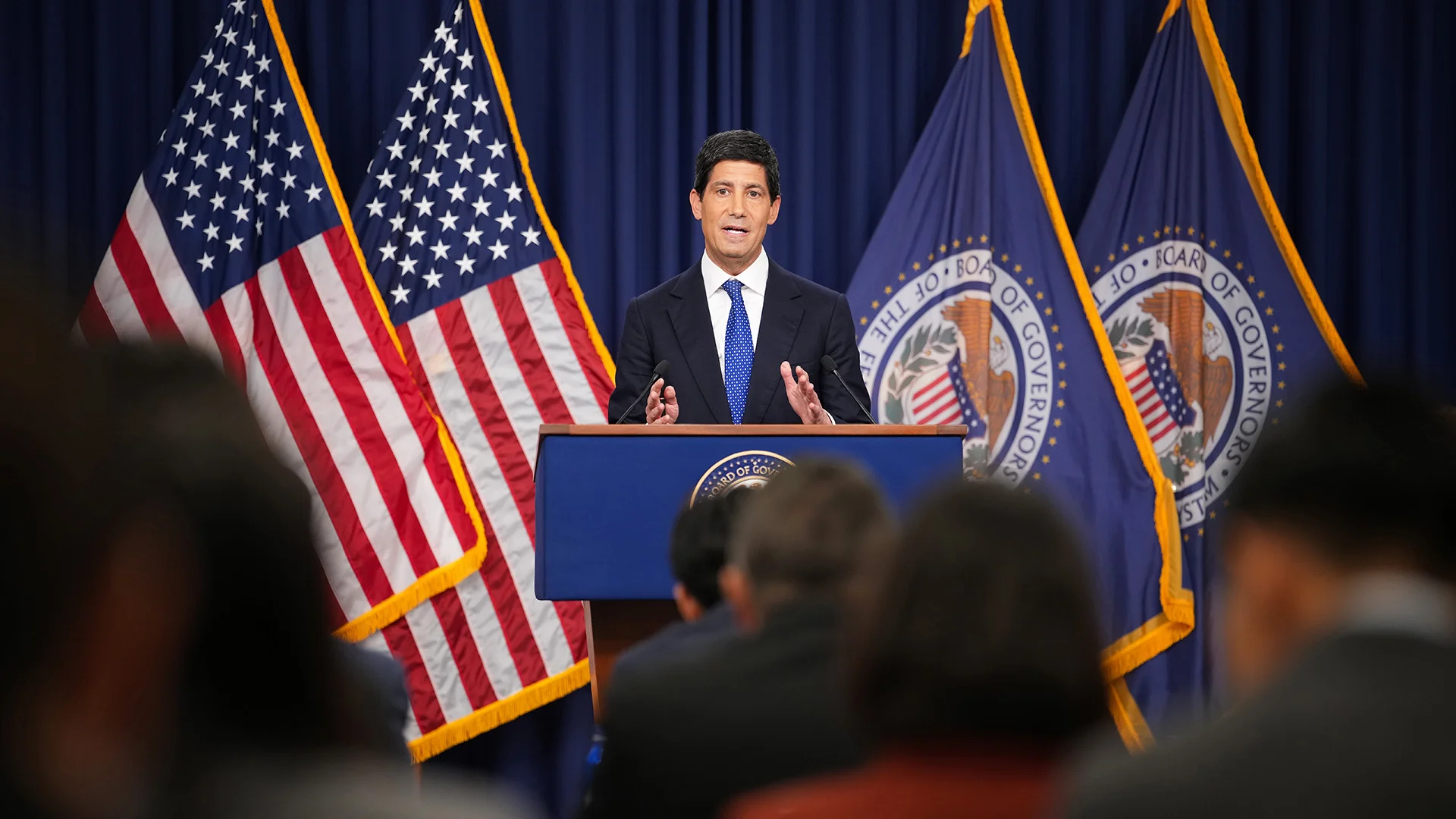
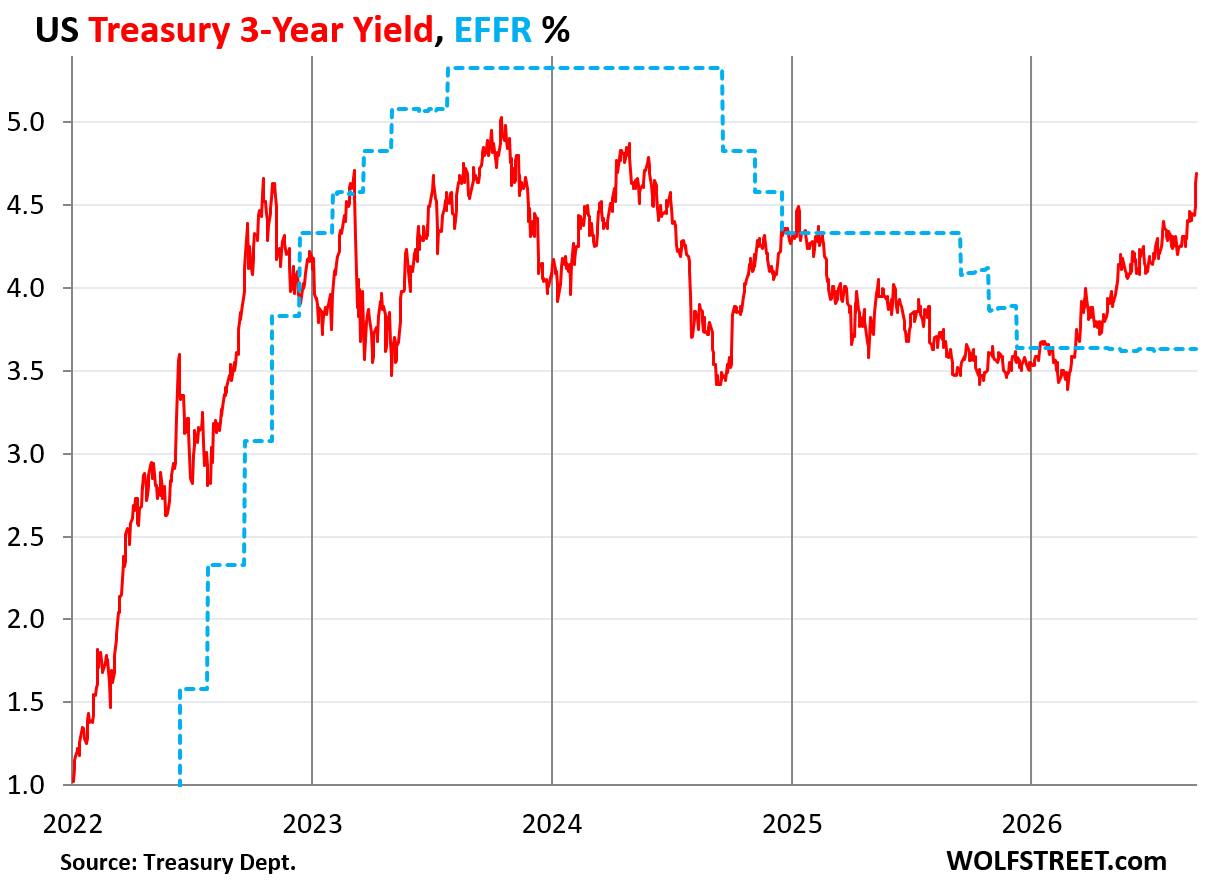
The Federal Reserve's 0.25% rate hike on September 16, 2026, marks the beginning of an aggressive tightening cycle that will fundamentally reshape cross-border e-commerce financing. With CME FedWatch data showing 92.9% probability of continued rate increases through year-end (up from 33% one month prior), and 10-year Treasury yields climbing to post-2007 highs at 4.967%, the cost of capital for small-business sellers is entering a critical inflection point. This is not a temporary adjustment—it's a structural shift in monetary policy as the Fed under Chair Kevin Warsh combats 3.4% annual inflation and 3.7% PCE inflation, with oil prices above $100/barrel amplifying supply-side pressures.
For e-commerce sellers, this creates an immediate working capital crisis. Variable-rate business lines of credit, inventory financing, and equipment loans will see APR increases of 150-250 basis points by Q4 2026. A seller with $500K in inventory financed at 6% APR will face an additional $7,500-12,500 in annual interest costs. Sellers relying on short-term PO financing or invoice factoring face even steeper increases, as lenders price in higher funding costs and credit risk premiums. The cumulative effect of multiple rate hikes throughout 2026 will compress cash flow precisely when sellers need liquidity most—during peak inventory buildup for Q4 holiday season.
Payment method optimization becomes critical. Cross-border sellers should immediately lock in fixed-rate financing before rates climb further. For sellers with USD-denominated debt, the rising dollar (driven by higher US rates relative to other central banks) creates FX headwinds for those with revenue in EUR, GBP, or emerging market currencies. Specifically, a 2-3% USD appreciation typical during rate-hike cycles will reduce effective margins by 200-300 basis points for sellers converting foreign currency revenue. Sellers should consider accelerating cash conversion cycles by shifting to faster payment settlement providers (2-3 day payouts vs. 14-day standard), reducing reliance on inventory financing by 20-30%, and exploring alternative funding sources like revenue-based financing or supply chain finance programs that lock in rates now.
Questions 8
What alternative financing options avoid the rate hike impact?
Revenue-based financing (RBF) and supply chain finance programs lock in rates now and scale with sales, avoiding variable-rate risk. RBF providers like Clearco and Uncapped offer 3-8% effective rates (vs. 10-12% traditional loans) with no fixed repayment schedule. Supply chain finance programs (offered by Amazon, Shopify, and third-party providers) offer 4-6% rates for inventory financing. Invoice factoring at 2-4% monthly (24-48% APR) is expensive but provides immediate cash. Evaluate RBF or supply chain programs by October 2026 before traditional lender rates spike further.
How should I adjust my inventory strategy for Q4 2026 given higher financing costs?
Higher carrying costs make excess inventory expensive. Reduce Q4 inventory buildup by 15-20% versus 2025 levels, focusing on high-velocity SKUs with 30-45 day turnover. Pre-order strategically to shift inventory risk to customers. Negotiate extended payment terms with suppliers (60-90 days vs. 30 days) to reduce financing needs. Use just-in-time fulfillment from 3PL providers to avoid holding inventory. These moves reduce financing needs by $100-150K for a typical mid-sized seller, saving $8,000-12,000 in interest costs during the critical Q4 period.