




Iran Conflict Drives $1,760 Household Cost Surge | E-Commerce Demand Shift Alert
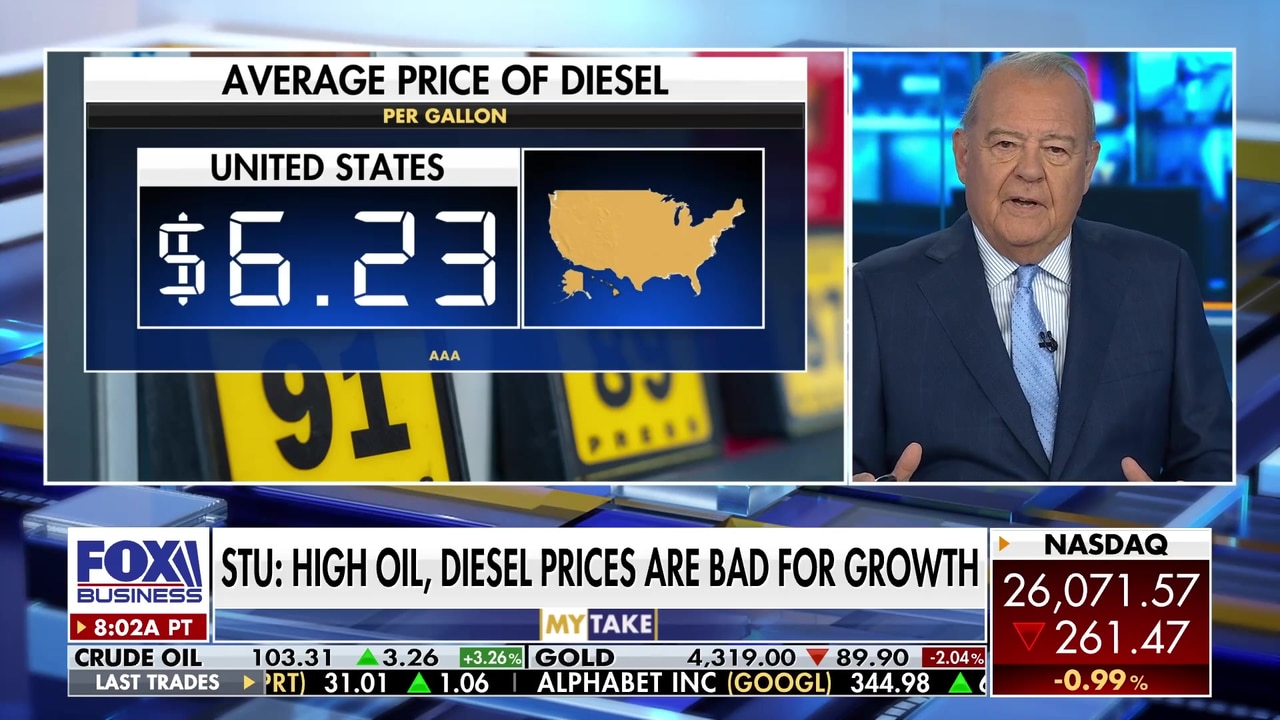
- Diesel prices hit $6/gallon (70% YoY increase), mortgage rates reach 7%, triggering K-shaped consumer spending patterns favoring budget and value categories for cross-border sellers












Overview
The escalating U.S.-Iran conflict is creating a significant macroeconomic shock that fundamentally reshapes consumer purchasing behavior and logistics costs for cross-border e-commerce sellers. As of September 2026, Moody's Analytics reports U.S. households face a cumulative $1,760 cost burden from the conflict, with crude oil at $105/barrel driving gasoline to $4.32/gallon (36% YoY increase) and diesel to all-time highs exceeding $6/gallon (70% YoY increase). This dual energy and interest rate shock—with 10-year Treasury yields at 4.96% (19-year high) and mortgage rates topping 7%—creates immediate operational and strategic implications for sellers across all platforms.
For logistics and fulfillment operations, the diesel price surge directly impacts 3PL costs and shipping expenses. Sellers using FBA, Shopify fulfillment, or third-party logistics providers face 8-15% cost increases on per-unit fulfillment fees. A seller shipping 10,000 units monthly via FBA could see $1,200-2,000 additional monthly costs. The strategic oil reserve falling to 285 million barrels (lowest since 1982) signals sustained energy price pressure through Q4 2026 and into 2027, making this a structural cost increase rather than temporary volatility. Sellers must immediately audit fulfillment network efficiency and consider geographic inventory repositioning to reduce shipping distances.
Consumer demand is bifurcating into a K-shaped recovery favoring budget and value categories while luxury segments contract. Consumer sentiment data shows 29% of respondents cited gas prices as a concern in September 2026 (up from 12% in 2024 and 6% in 2025), indicating rapidly escalating price sensitivity. Real wage growth has turned negative when adjusted for inflation, forcing lower-income households (which represent 40%+ of e-commerce volume) to draw down savings to historically low levels. This creates immediate opportunities for sellers in: (1) budget home goods and essentials (cleaning supplies, food storage, basic appliances), (2) value-oriented apparel and footwear, (3) DIY and repair products (as consumers defer major purchases), and (4) energy-efficient products (LED lighting, programmable thermostats, weatherization supplies). Conversely, luxury goods, premium electronics, and discretionary home décor face demand compression of 15-25%.
The 92% probability of Federal Reserve rate increases signals rising capital costs for seller financing and inventory investment. Higher interest rates compress margins for sellers relying on inventory financing, business lines of credit, or working capital loans. Sellers with variable-rate debt face immediate cost increases; those planning inventory expansion should lock in fixed-rate financing before the Fed's next meeting. The mortgage rate surge to 7% also signals reduced consumer home improvement spending, directly impacting home goods, furniture, and renovation categories that typically see 20-30% of annual volume in Q4.
Questions 8
What sourcing and logistics strategies should sellers adopt given sustained energy price pressure?
The strategic oil reserve at 285 million barrels (lowest since 1982) signals sustained energy price pressure through 2027. Sellers should immediately: (1) audit fulfillment network efficiency and consolidate shipments to reduce per-unit shipping distance, (2) evaluate nearshoring opportunities (Mexico, Central America) to reduce long-haul shipping, (3) negotiate fixed-rate shipping contracts with 3PLs before further fuel surcharge increases, and (4) consider inventory repositioning to regional fulfillment centers closer to demand. For cross-border sellers, this may mean shifting from China sourcing to Vietnam or India for certain categories to reduce ocean freight distances and fuel exposure.
How should sellers adjust pricing strategy given negative real wage growth and savings depletion?
The news reports real wage growth has turned negative when adjusted for inflation, and consumers are drawing down savings to historically low levels since 2008. This indicates consumers have limited price elasticity—they cannot absorb significant price increases. Sellers should: (1) avoid aggressive price increases despite rising costs, (2) focus on volume growth in value categories rather than margin expansion, (3) implement tiered pricing strategies (budget/standard/premium) to capture different consumer segments, and (4) emphasize value messaging and cost-per-use benefits in product listings. Price increases of 5-8% may be sustainable, but increases above 10% risk significant volume loss in price-sensitive categories.