





US Crypto Regulation Setback | Payment Processing Costs Rise for Cross-Border Sellers
- Senate blocks landmark bill, extending regulatory uncertainty; sellers face higher payment processing fees and delayed crypto payment adoption through 2025









Overview
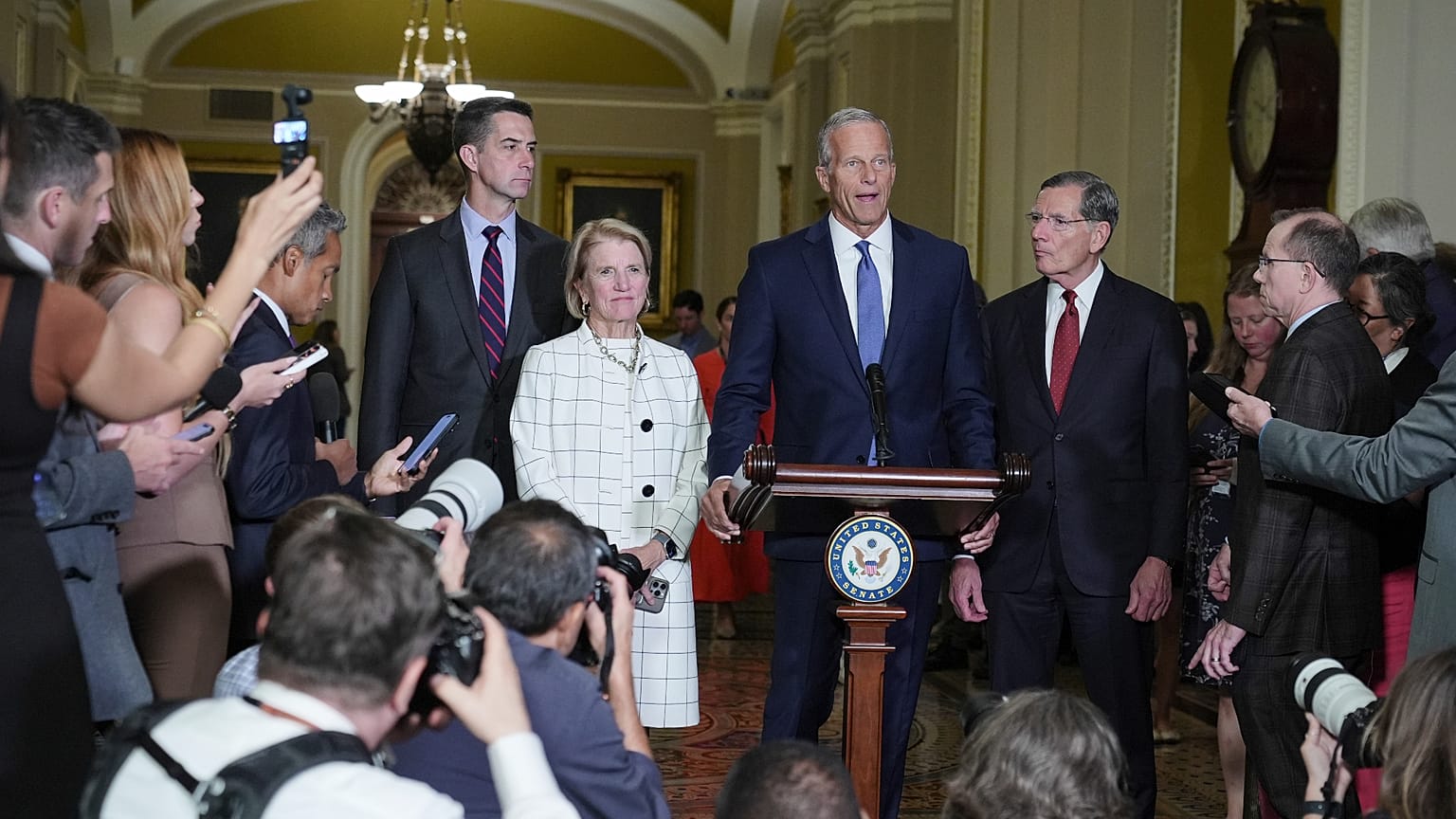
The US Senate's rejection of landmark cryptocurrency regulation legislation creates immediate financial implications for cross-border e-commerce sellers considering alternative payment methods. The blocked bill would have established clear guidelines for crypto trading, custody practices, and tax reporting—critical infrastructure for mainstream payment integration. With this regulatory clarity now delayed indefinitely, cryptocurrency payment processors and fintech platforms face continued uncertainty, forcing sellers to rely on traditional payment corridors at higher costs.
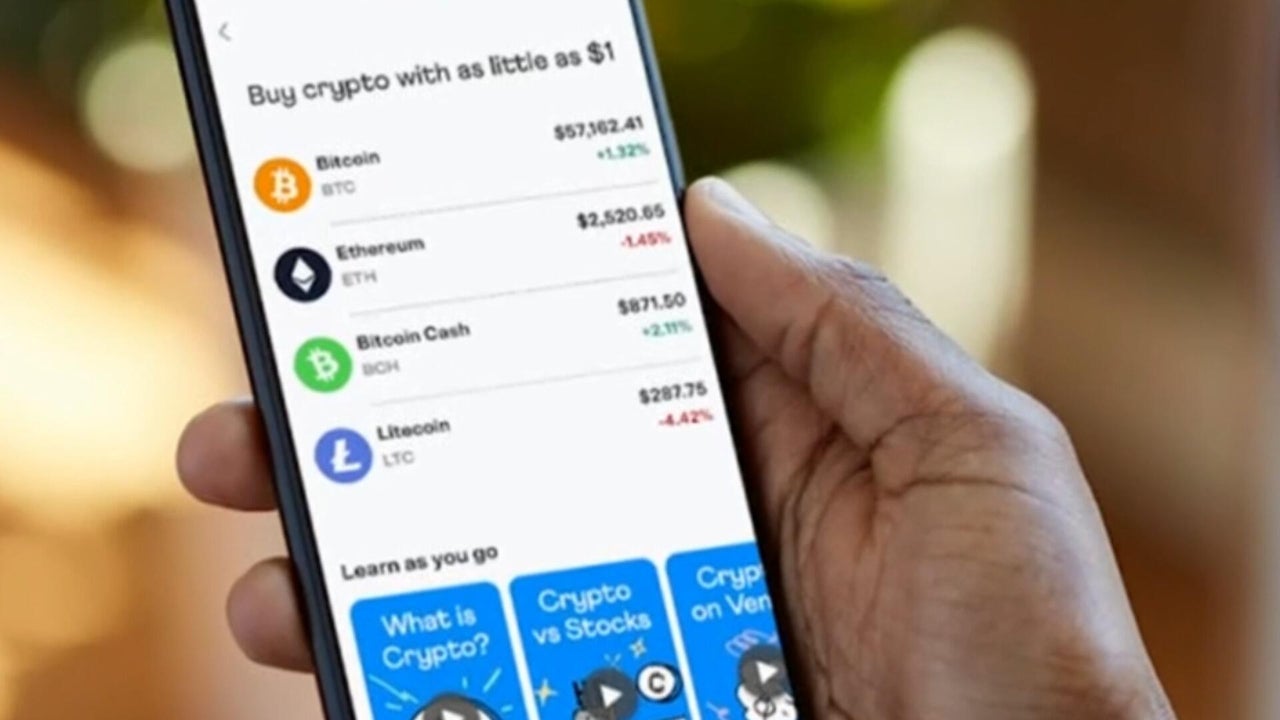
For cross-border sellers, this regulatory setback directly impacts payment optimization strategies. The absence of federal crypto regulation means sellers cannot confidently integrate Bitcoin or stablecoin payments into their checkout flows, particularly for high-value transactions across US-EU-Asia corridors. Traditional payment methods (credit cards, bank transfers, ACH) now remain the default, with processing fees typically ranging 2.9-3.5% plus $0.30 per transaction for card payments versus potential 0.5-1.5% for crypto settlements. The blocked bill's failure to establish custody standards and trading platform regulations means institutional adoption remains stalled, reducing competitive pressure on traditional payment processors to lower fees. Sellers shipping to US customers cannot leverage crypto payment discounts or faster settlement times that would otherwise unlock 5-7 days of working capital acceleration.
The regulatory fragmentation across US states and federal agencies creates compliance complexity that increases payment processing costs. Without comprehensive federal guidelines, payment processors must navigate conflicting state-level regulations (New York's BitLicense, Wyoming's DAO laws, etc.), passing these compliance costs to merchants through higher fees. Sellers using platforms like Shopify, WooCommerce, or Amazon cannot access integrated crypto payment options with regulatory certainty, forcing reliance on third-party processors with premium pricing. The continued uncertainty also delays institutional capital flows into crypto infrastructure, meaning payment processing innovation stalls while traditional payment networks maintain pricing power. For sellers with significant transaction volumes (1000+ monthly orders), the inability to access lower-cost crypto payment rails represents $200-400 monthly cost disadvantage versus competitors in jurisdictions with clearer regulation (El Salvador, Switzerland, Singapore).
Immediate actions for sellers: Monitor state-level crypto regulations separately (NY, CA, TX) as they may diverge from federal policy; evaluate alternative payment corridors through non-US payment processors (Wise, Stripe in EU, local acquiring banks in Asia) to reduce fees; delay crypto payment integration plans until 2026 when regulatory consensus may emerge. Strategic adjustment: Consider invoice financing or supply chain finance products that don't depend on crypto infrastructure, as traditional lenders now have extended runway to maintain higher rates. Risk mitigation: Track Congressional activity on crypto bills quarterly; maintain relationships with 2-3 payment processors to avoid single-provider fee increases.
Questions 8
How does the blocked crypto bill affect payment fees for sellers shipping to US customers?
The Senate's rejection of comprehensive crypto regulation extends the timeline for mainstream cryptocurrency payment adoption, keeping sellers locked into traditional payment methods with 2.9-3.5% processing fees plus transaction charges. Without regulatory clarity on custody standards and trading platforms, payment processors cannot confidently offer lower-cost crypto settlement options (0.5-1.5% fees) that would otherwise unlock competitive pricing. Sellers with 1000+ monthly US transactions face $200-400 monthly cost disadvantage versus markets with clearer regulation. The fragmented state-level approach (NY BitLicense, Wyoming DAO laws) forces payment processors to absorb compliance costs, which they pass to merchants through premium pricing. Monitor Congressional activity quarterly for potential 2026 regulatory updates that could unlock lower-cost payment corridors.
How does regulatory uncertainty impact working capital optimization for cross-border sellers?
The blocked crypto bill delays institutional capital flows into payment infrastructure, meaning traditional payment networks maintain pricing power and sellers cannot access faster settlement times. Crypto payments typically settle in 1-2 days versus 3-5 days for card payments, but regulatory uncertainty prevents mainstream adoption. This extends cash conversion cycles by 2-3 days for sellers relying on traditional methods, tying up $5-15K working capital per $100K monthly revenue. Sellers should immediately explore invoice financing (Fundbox, BlueVine, Stripe Capital) offering 2-5% fees with 24-48 hour funding, effectively replacing the working capital acceleration that crypto payments would provide. Supply chain finance products (PO financing, inventory loans) from traditional lenders now have extended runway to maintain 4-8% APR rates without crypto competition. Calculate your cash conversion cycle: (Days Inventory Outstanding + Days Sales Outstanding - Days Payable Outstanding); if >45 days, prioritize invoice financing to unlock capital.