



August Retail Sales Surge 1.2% | Amazon & Marketplace Sellers See Q3-Q4 Demand Window
- Consumer spending rebounds sharply after July slowdown; nonstore retailers (Amazon, eBay) up 2.6%; import prices surge 7% YoY, raising COGS for cross-border sellers






















Overview
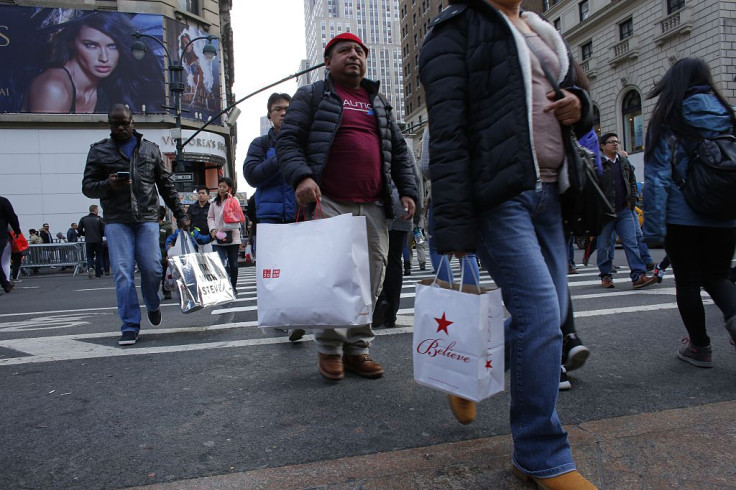
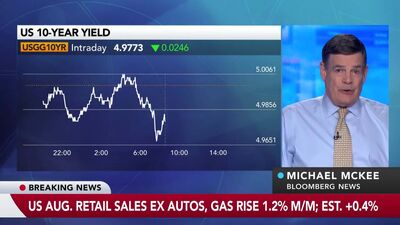
U.S. retail sales surged 1.2% in August 2024, significantly exceeding economist expectations of 0.8% growth, according to Commerce Department data released September 16. This marked the largest monthly increase since March, following a revised 0.5% decline in July. For cross-border e-commerce sellers, this data represents a critical inflection point: nonstore retailers (Amazon, eBay, Walmart Marketplace) jumped 2.6%, electronics and appliances rose 1.6%, and core retail sales excluding autos/gas/building materials climbed 1.4%—the strongest performance since September 2024. The August recovery signals renewed consumer demand precisely when sellers need to position inventory for Q3-Q4 seasonal peaks.
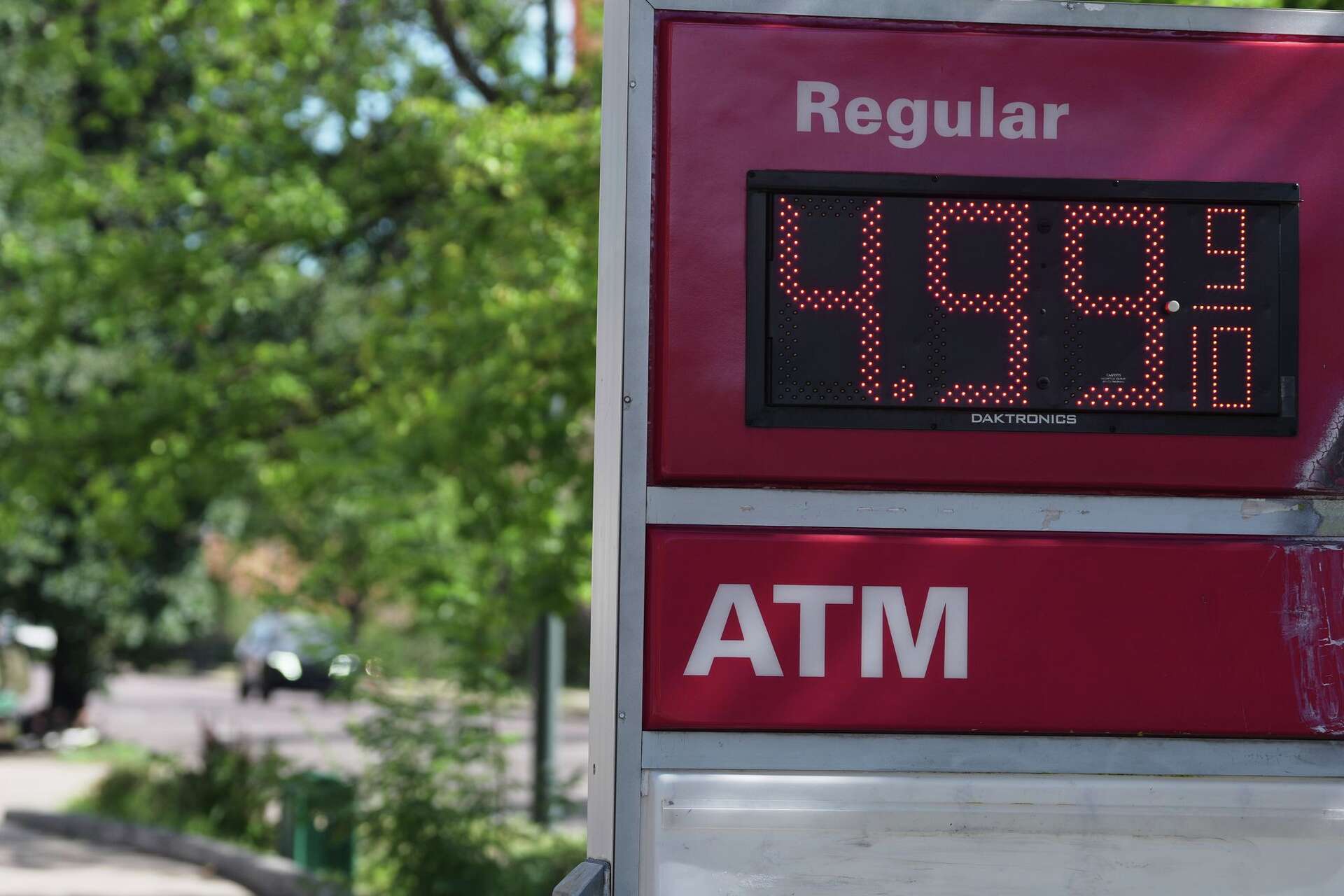
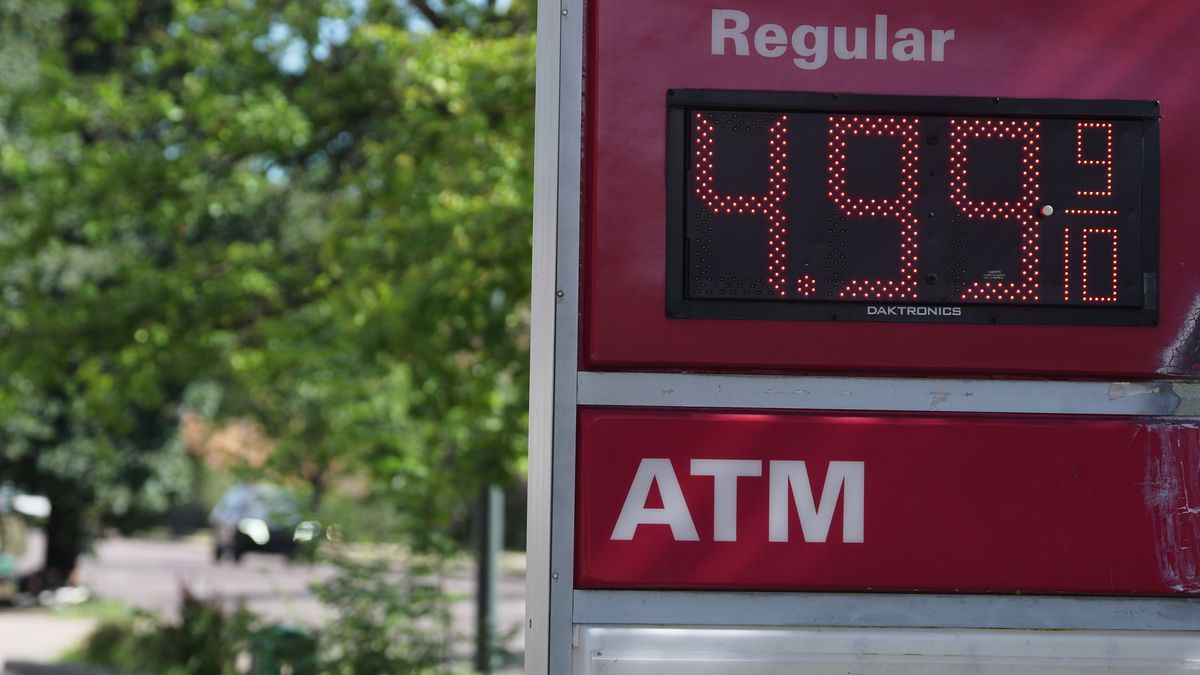
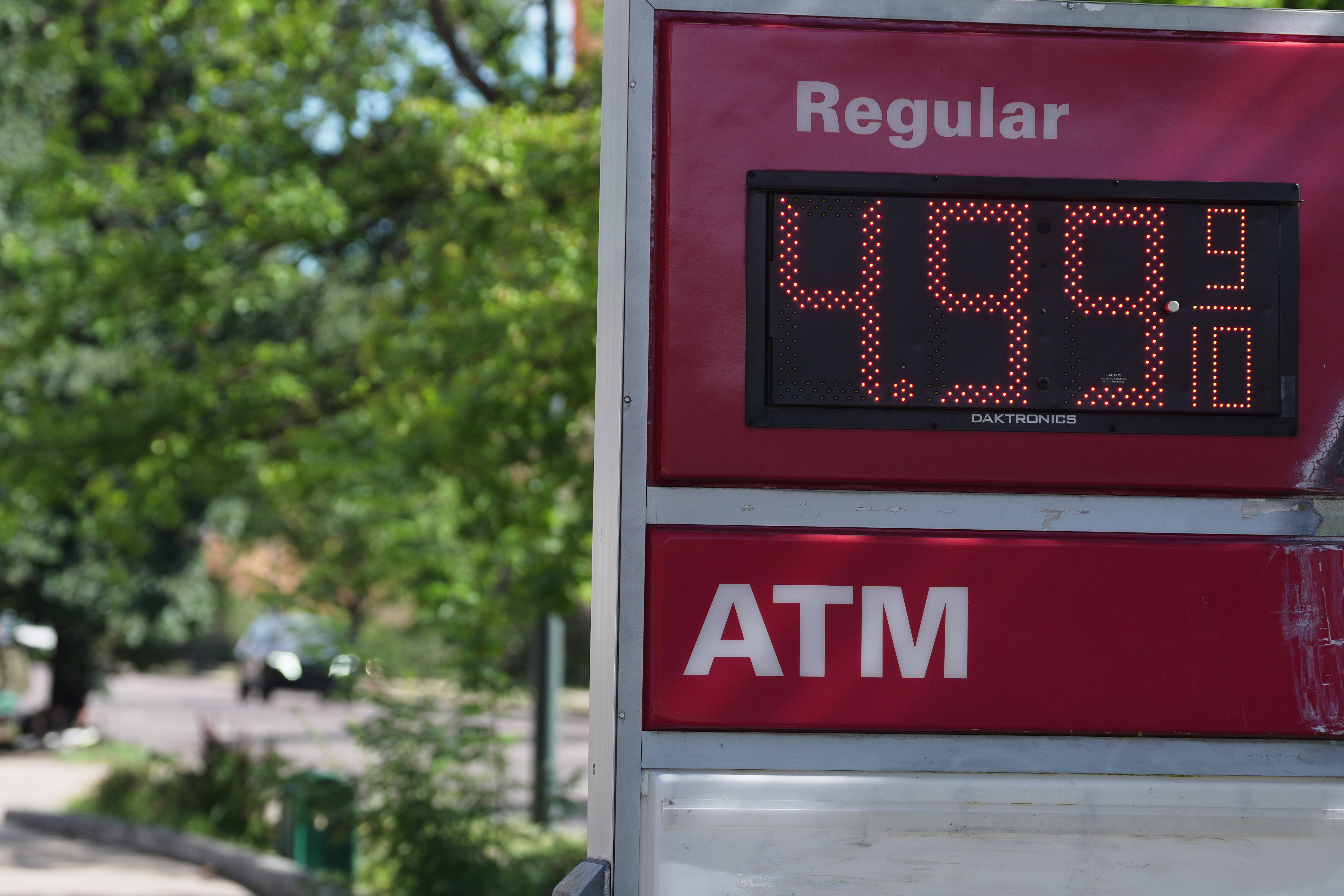
However, this opportunity comes with significant cost headwinds. Import prices rebounded 0.7% in August after two consecutive declines, with year-over-year import prices surging 7.0%—the largest increase since August 2022. Capital goods prices rose 0.9%, driven by higher costs for semiconductors, computers, and telecommunications equipment related to AI infrastructure buildout. This means sellers importing products from Asia face 7% higher landed costs, compressing margins by 200-400 basis points depending on category. Diesel prices surged 68 cents per gallon, increasing 3PL and fulfillment costs by 8-12% for sellers shipping 1000+ units monthly. Simultaneously, consumer confidence declined in July, and economists warn that August's retail sales pace may be unsustainable, citing declining inflation-adjusted wages and mounting financial pressure on lower-income households.
The strategic implication for sellers is clear: capitalize on the demand window immediately while managing cost inflation. Nonstore sales recovery was driven primarily by Amazon Prime Day and online retailer promotions, indicating that Amazon FBA sellers and marketplace merchants have 4-6 weeks to optimize inventory before Q4 peak season. Sellers should prioritize high-velocity SKUs in electronics, apparel, and home goods—the categories showing strongest discretionary spending. Simultaneously, sellers must lock in import pricing now before further cost escalation, and consider shifting 15-20% of inventory to 3PL providers to hedge against rising fulfillment costs. The National Retail Federation reports September as the busiest import month at major container ports, suggesting strong holiday season preparation—but this also means port congestion and potential shipping delays. Sellers with inventory already in US warehouses have a 2-3 week advantage over competitors still importing. The data reinforces that while consumer demand is real, it's concentrated among price-conscious shoppers (Walmart and Macy's leveraged $116M in tariff refunds to reduce prices), meaning sellers must compete on value, not premium positioning.
Questions 8
What does the 7% year-over-year import price surge mean for cross-border sellers?
The 7% year-over-year import price surge—the largest since August 2022—directly compresses seller margins by 200-400 basis points depending on product category. For a seller importing $100K in goods monthly, this translates to $7K in additional landed costs. Capital goods prices (semiconductors, computers, AI equipment) rose 0.9%, affecting electronics sellers particularly hard. Diesel prices surged 68 cents per gallon, increasing 3PL fulfillment costs by 8-12% for high-volume sellers. The strategic response: lock in import pricing immediately through forward contracts, shift 15-20% of inventory to 3PL providers to hedge fulfillment cost inflation, and consider raising prices 3-5% on low-elasticity categories (electronics, home goods) where consumers show price-inelastic demand despite inflation concerns.
How does August's 1.2% retail sales surge impact Amazon FBA sellers?
August's 1.2% retail sales surge, with nonstore retailers up 2.6%, signals strong demand for Amazon FBA sellers heading into Q4. The data shows consumers are actively purchasing electronics (up 1.6%), apparel, and home goods—categories where FBA sellers dominate. However, this opportunity window is narrow: sellers have 4-6 weeks to optimize inventory before peak season hits in October-November. The key metric is that core retail sales (excluding autos/gas) jumped 1.4%, indicating discretionary spending strength. Sellers should immediately review inventory levels in high-velocity SKUs and consider increasing PPC budgets by 15-20% to capture this demand surge before competitors saturate the market.