


Fed Rate Hike Risk & Rising Bond Yields | Cross-Border Seller Financing Crisis
- September 2026 monetary tightening increases inventory financing costs 8-15% for international sellers; USD strength threatens 12-18% margin compression on non-US sourced goods















Overview
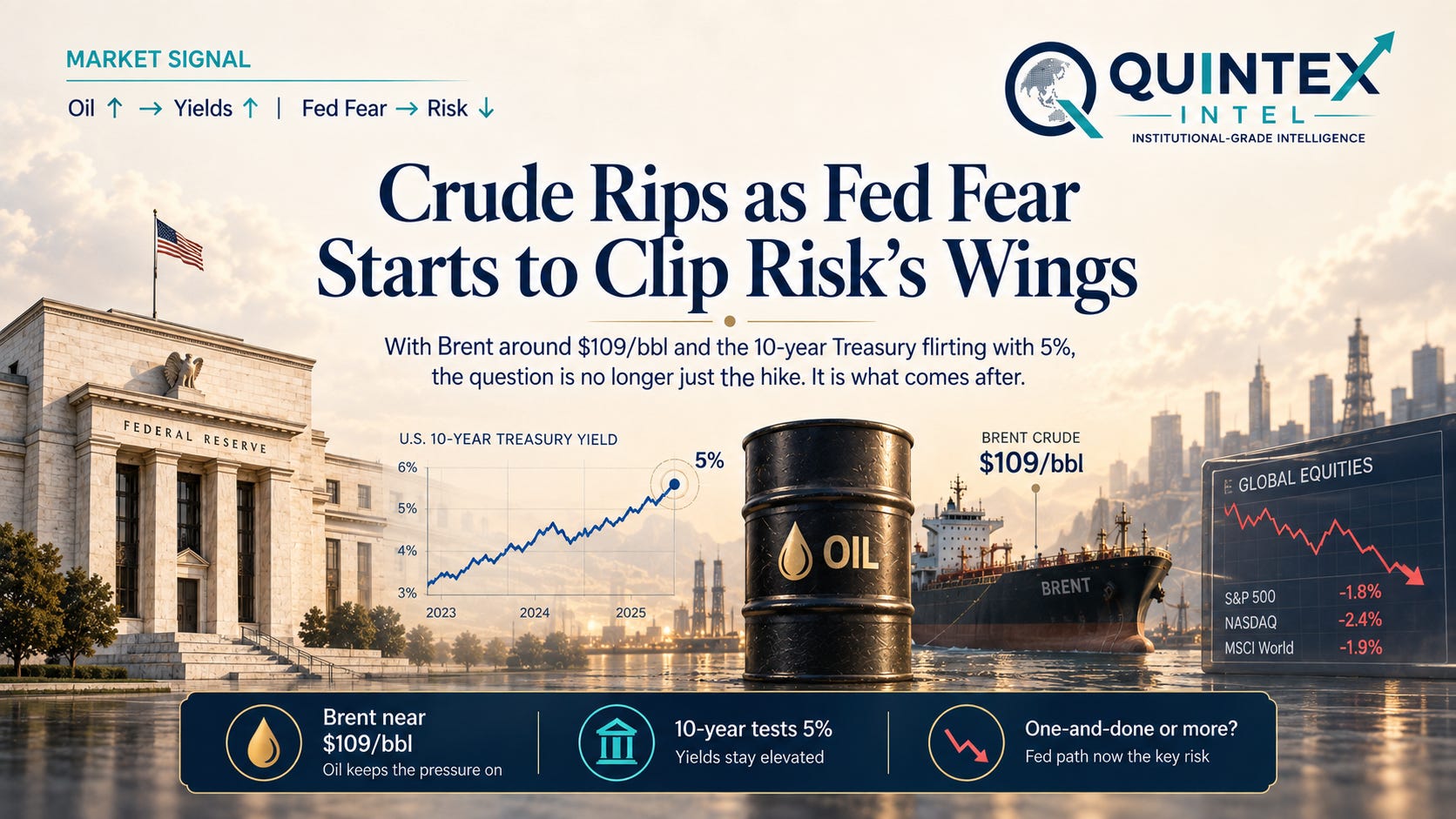
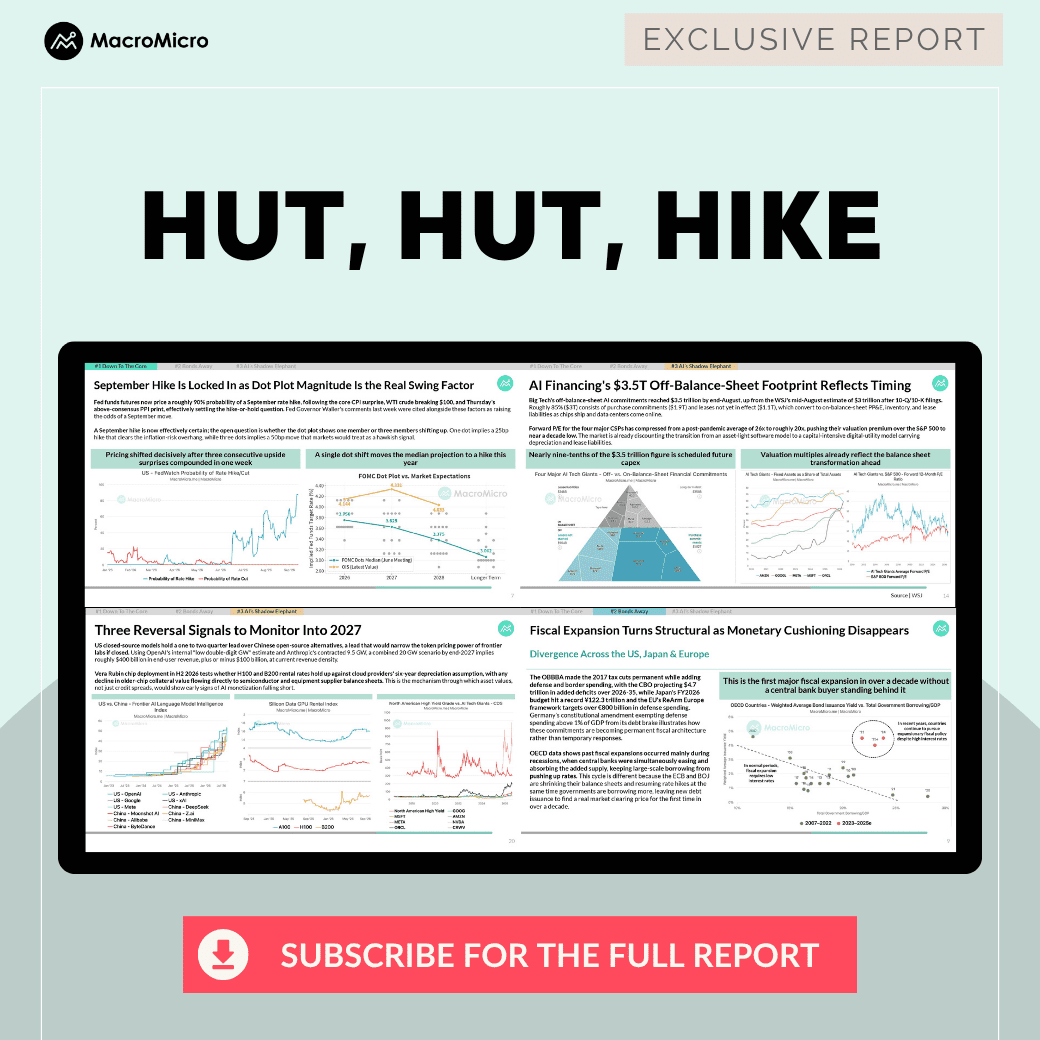
The Federal Reserve faces mounting pressure to implement a rate hike in September 2026, driven by oil prices exceeding $105/barrel WTI and 10-year Treasury yields surging above 5%. While Citi characterizes this as a "calibration" rather than a new tightening cycle, and HSBC forecasts the shallowest hiking cycle since 1997, the macroeconomic environment creates immediate financial stress for cross-border e-commerce sellers. Core inflation remains receding at approximately 2% with tepid economic growth, yet bond markets signal tightening is necessary—creating a critical financing window for sellers to lock in favorable rates before costs escalate.
For cross-border sellers, this environment triggers three immediate financial pressures: First, inventory financing costs are rising sharply. Higher interest rates increase borrowing costs for inventory financing and business expansion by 8-15% depending on lender and seller creditworthiness. Sellers relying on inventory loans, PO financing, or trade credit lines face materially higher APRs. A seller with $500K in inventory financed at 6% APR will see annual costs jump to $40K-$75K if rates rise 100-150 basis points—directly compressing working capital available for growth. Second, USD strength threatens profit margins on cross-border transactions. The potential Fed rate hike strengthens the U.S. dollar, reducing competitiveness for international sellers (particularly those sourcing from China, India, Vietnam) and compressing margins by 12-18% on goods priced in weaker currencies. A seller importing goods at 7 RMB/USD faces margin erosion if the dollar strengthens to 6.5 RMB/USD. Third, discretionary spending is contracting, reducing consumer demand for non-essential categories. Elevated bond yields signal reduced consumer purchasing power, particularly impacting electronics, apparel, home décor, and luxury goods—categories representing 60%+ of cross-border e-commerce volume.
Immediate financial optimization opportunities emerge for sellers willing to act within 30 days: Lock in inventory financing now before rates rise further—compare APRs across Shopify Capital (currently 8-12% for qualified sellers), Amazon Lending (6-10% for FBA sellers with strong sales history), and alternative lenders like Clearco or Fundbox before spreads widen. Evaluate FX hedging strategies for sellers with significant non-USD sourcing; forward contracts locking in exchange rates for 90-180 days provide certainty on COGS and protect against USD appreciation. Consider accelerating inventory purchases from suppliers before price increases cascade from higher financing costs upstream. For sellers with strong cash positions, this market weakness represents a buying opportunity—Q3 earnings season typically drives equity recovery, and advertising costs on Amazon and eBay may decline as competition for visibility moderates during uncertain economic conditions. Sellers should also evaluate payment method optimization: prioritize ACH and bank transfers over credit card processing (saving 2-3% in fees) and explore cross-border payment providers like Wise or OFX that offer better FX rates than traditional banks during volatile periods.
Questions 8
Will a stronger US dollar hurt my profit margins if I source from China or Vietnam?
Yes, significantly. A stronger USD reduces your competitiveness and compresses margins by 12-18% on goods sourced in weaker currencies. If you import goods at 7 RMB/USD and the dollar strengthens to 6.5 RMB/USD, your COGS increases 7.7% while retail prices remain fixed. Implement FX hedging immediately: use forward contracts through your bank or platforms like Wise to lock in exchange rates for 90-180 days. This protects your margin and provides pricing certainty for inventory purchases.
How much will my inventory financing costs increase if the Fed raises rates in September 2026?
If the Fed implements a 25-50 basis point rate hike as expected, inventory financing costs will increase 8-15% depending on your lender and creditworthiness. Amazon Lending rates typically rise 0.5-1.0% per Fed hike, while alternative lenders like Clearco and Fundbox may increase APRs by 1.5-2.5%. A seller with $500K in inventory financed at 6% APR will see annual financing costs jump from $30K to $40K-$45K. Lock in rates immediately through Amazon Lending or Shopify Capital before spreads widen further.