


Pokémon 30th Anniversary Collectibles Drive Record Retail Demand | O2O & Pop-Up Opportunities for Sellers
- September 2026 release generates overnight queues across US/UK; 150+ card expansion creates multi-category merchandise opportunity worth $2B+ globally; offline-to-online conversion strategy critical for collectibles sellers





























Overview
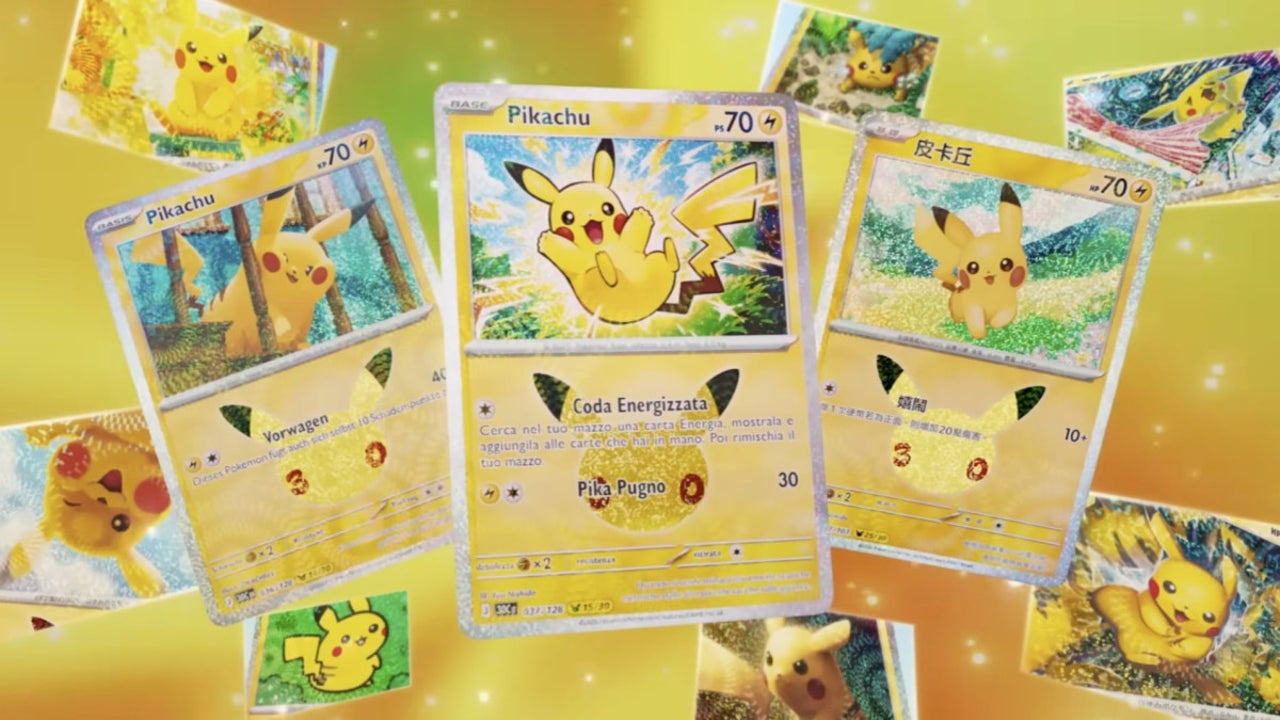
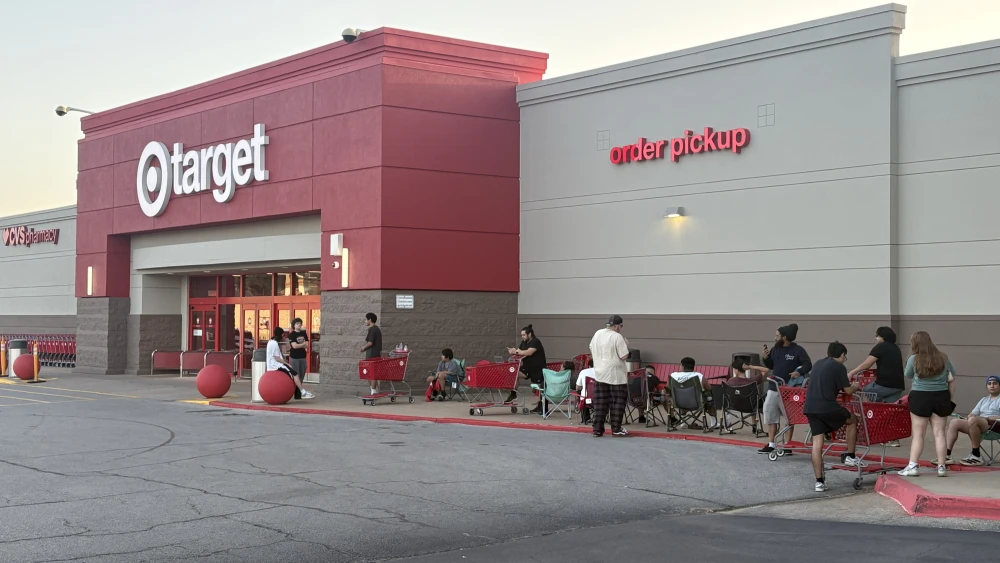
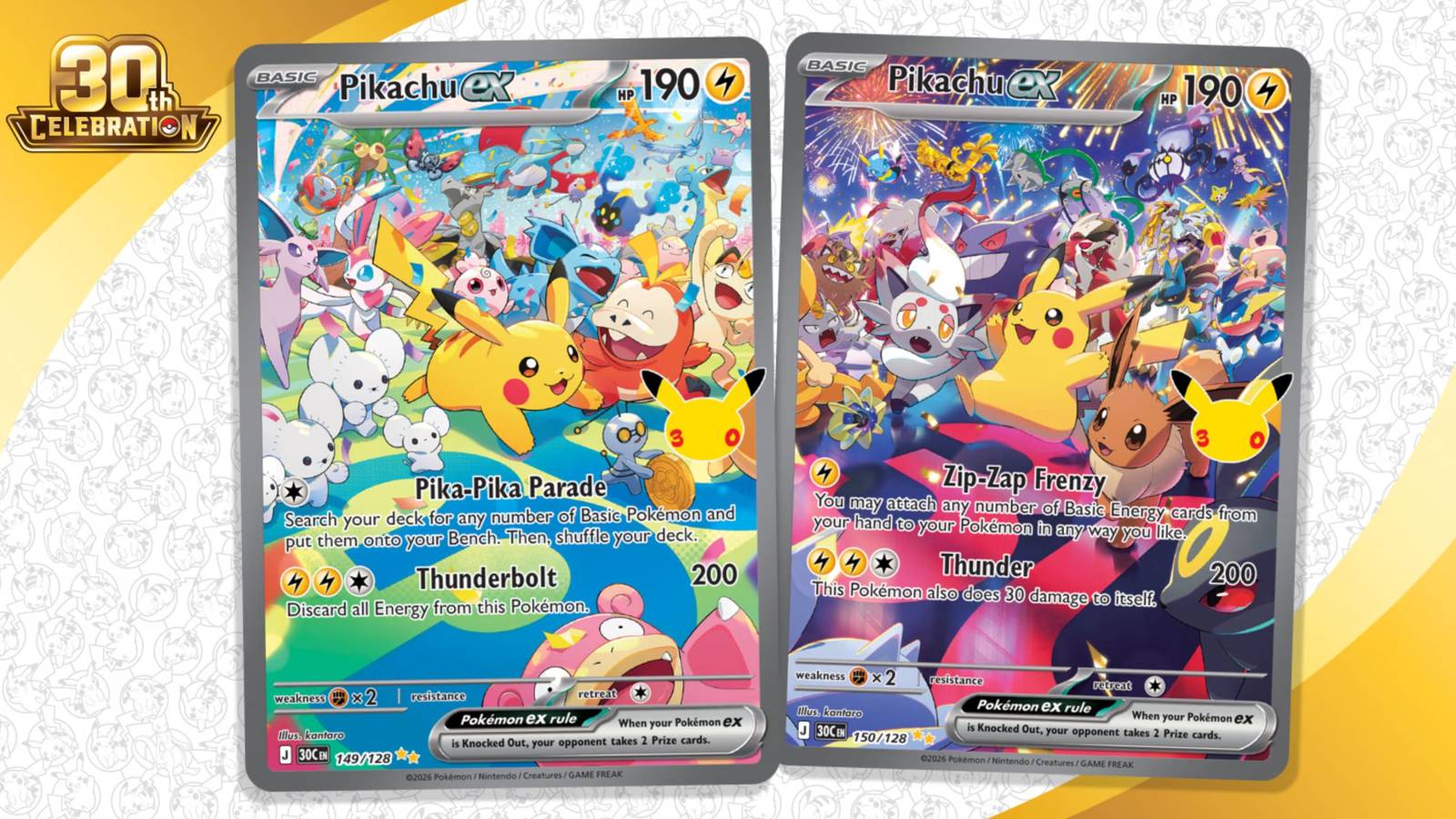
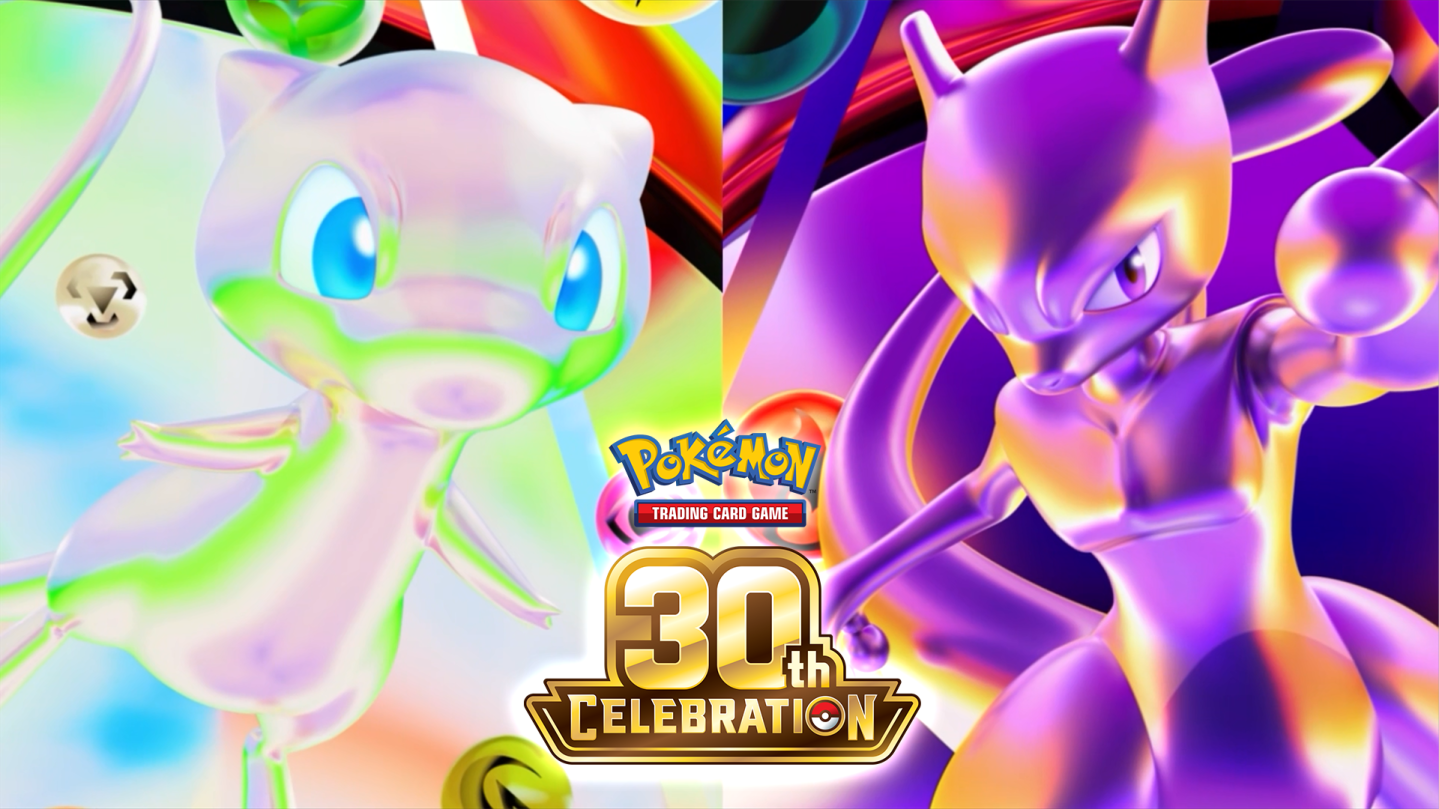
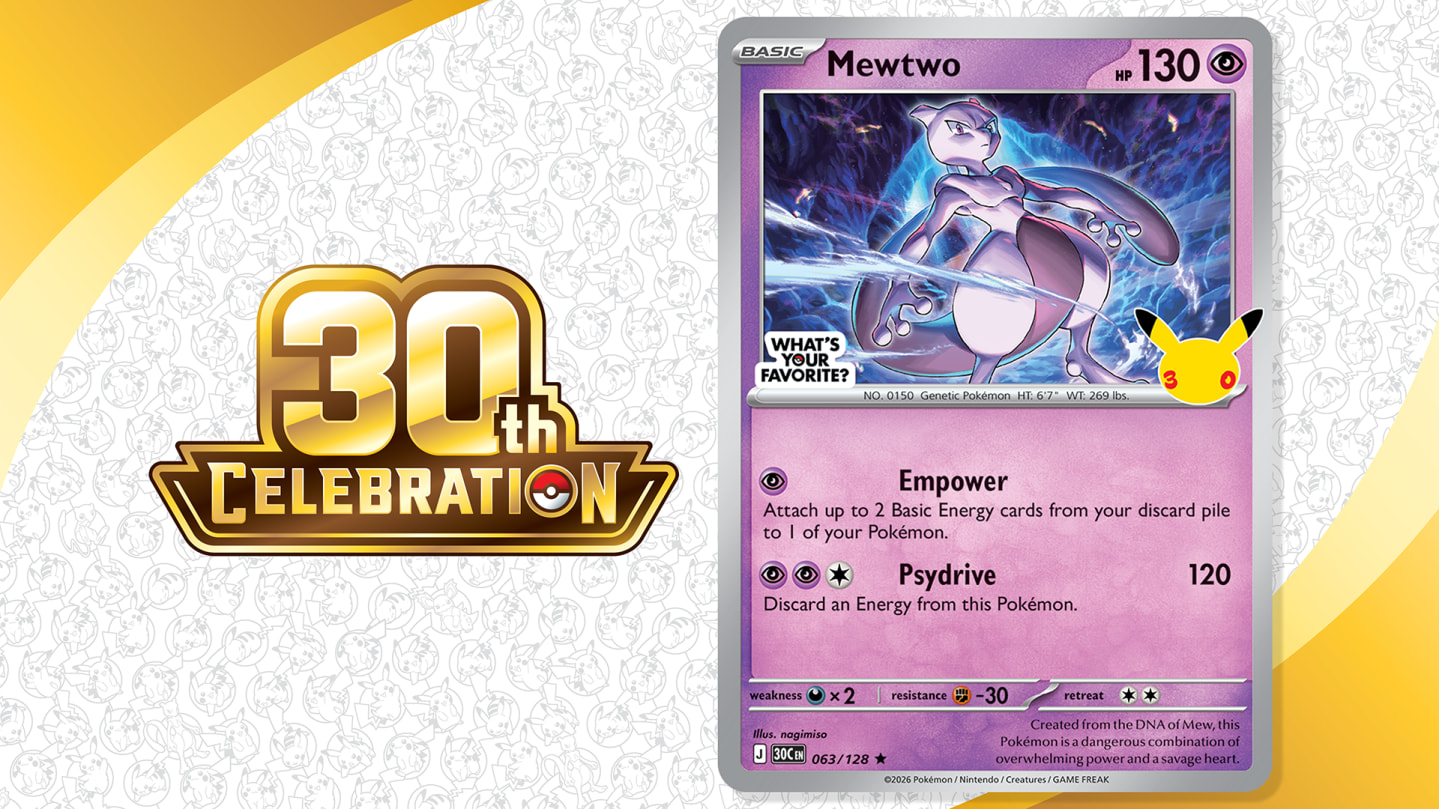
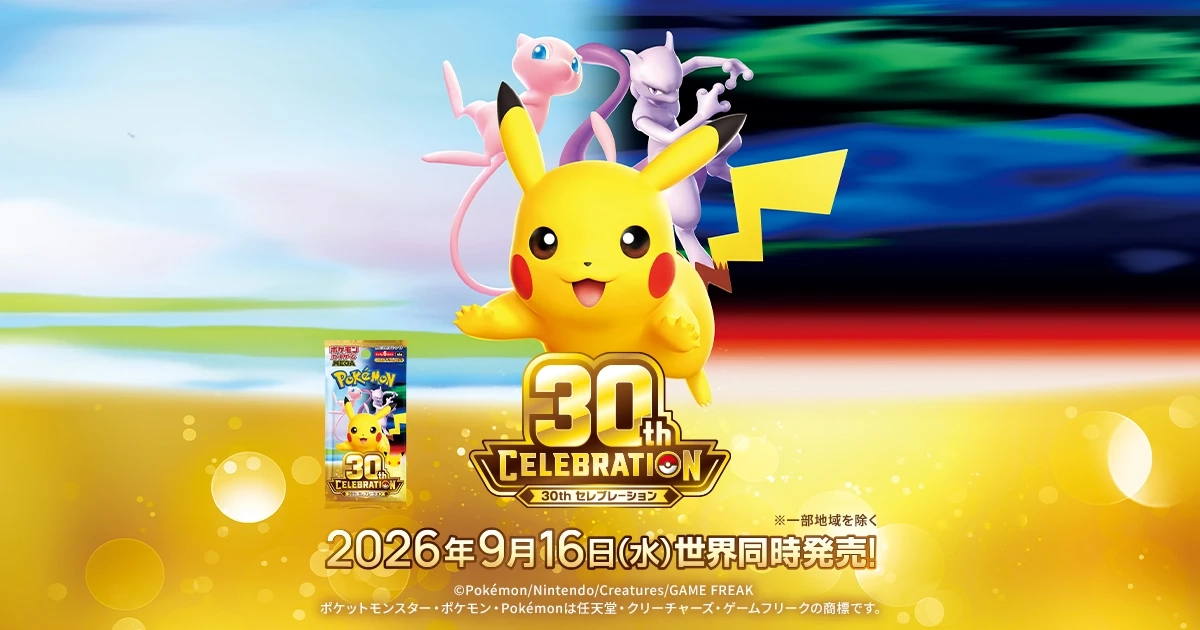
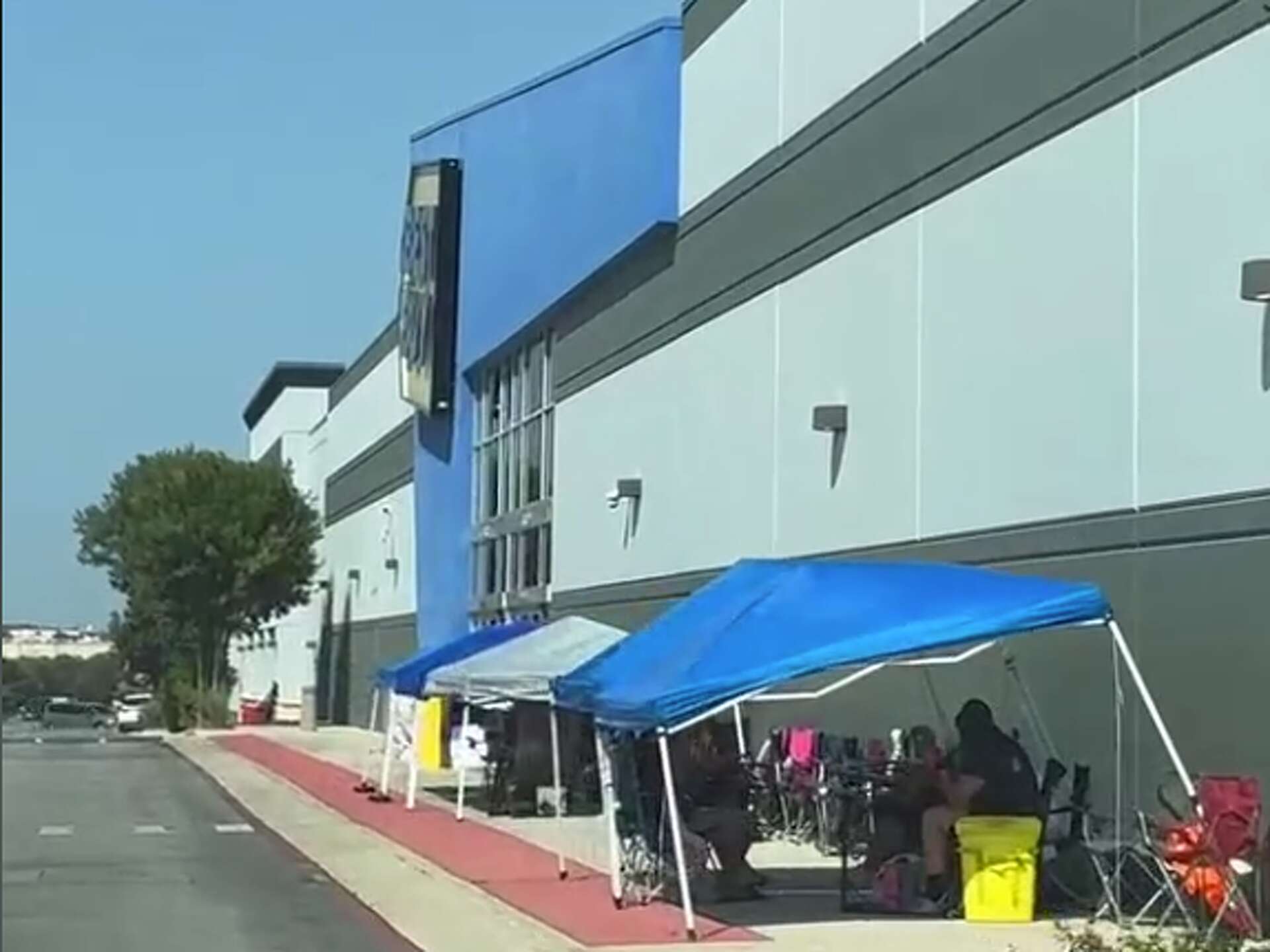
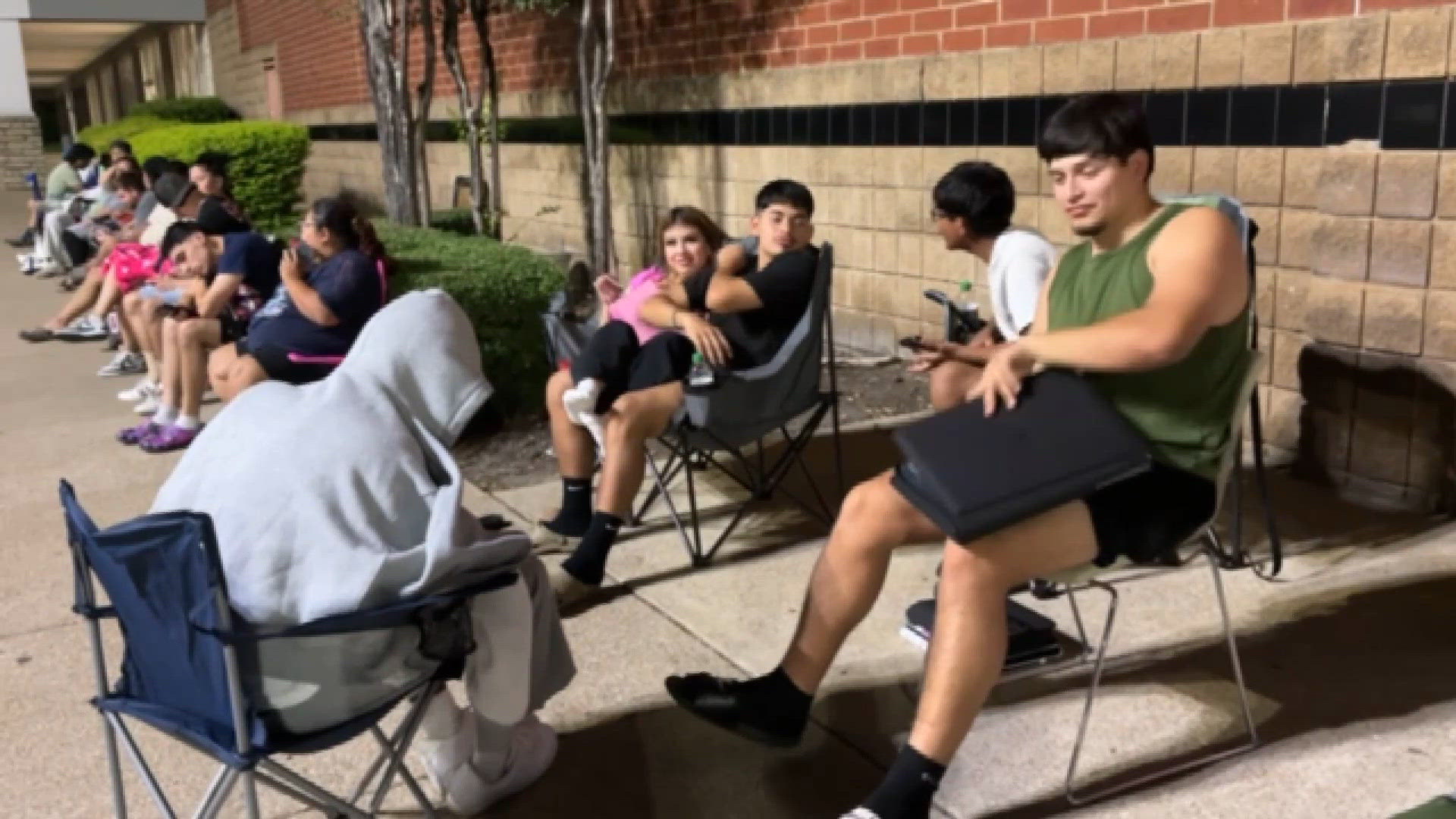
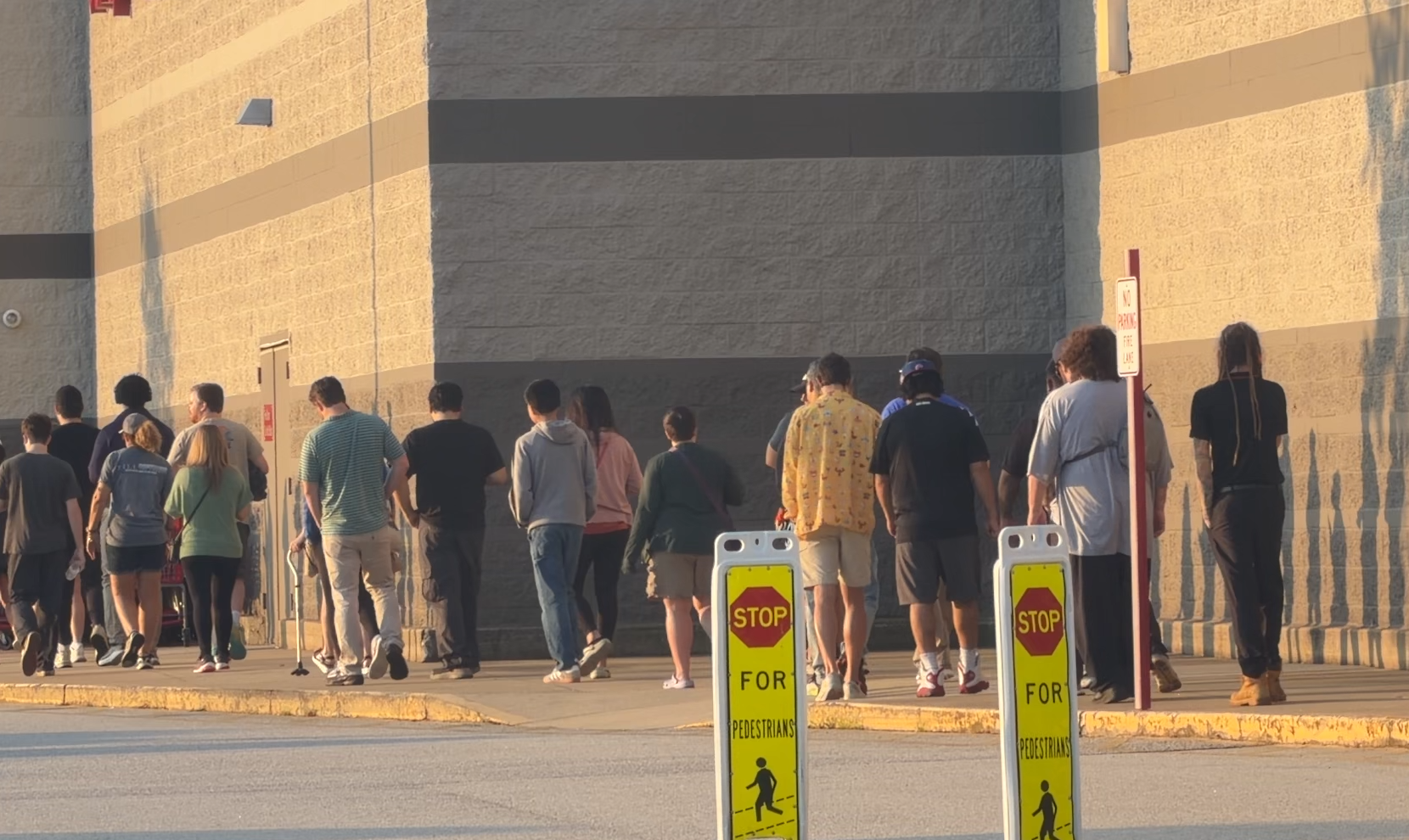
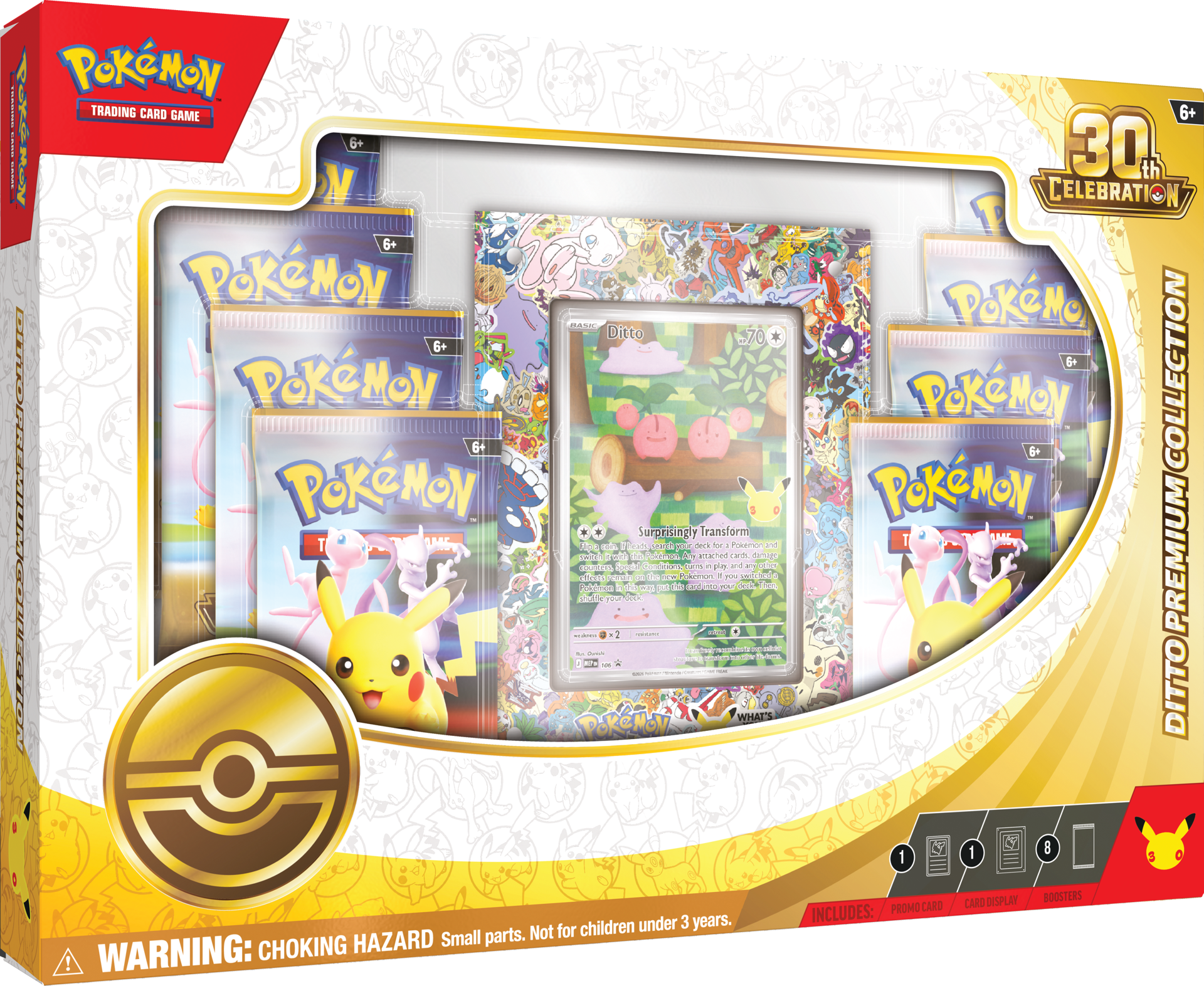
Pokémon's 30th anniversary celebration (September 16, 2026) represents a watershed moment for collectibles e-commerce, with physical retail queues translating directly into online demand spikes. The 30th Celebration Expansion launched simultaneously worldwide with 150+ collectible cards, 11 rare Pikachu variants, and a Classic Collection spanning three decades of TCG history. Physical retail demonstrated extraordinary consumer commitment: customers queued overnight at Target (Greenville, SC), Best Buy, Smyths Toys (Gloucester, UK), and independent retailers like Firestorm Games (100+ Instagram inquiries pre-launch), with some collectors waiting 14+ hours before store openings. This physical phenomenon signals massive online channel opportunity—when foot traffic concentrates this intensely offline, e-commerce platforms experience comparable traffic surges requiring robust infrastructure.
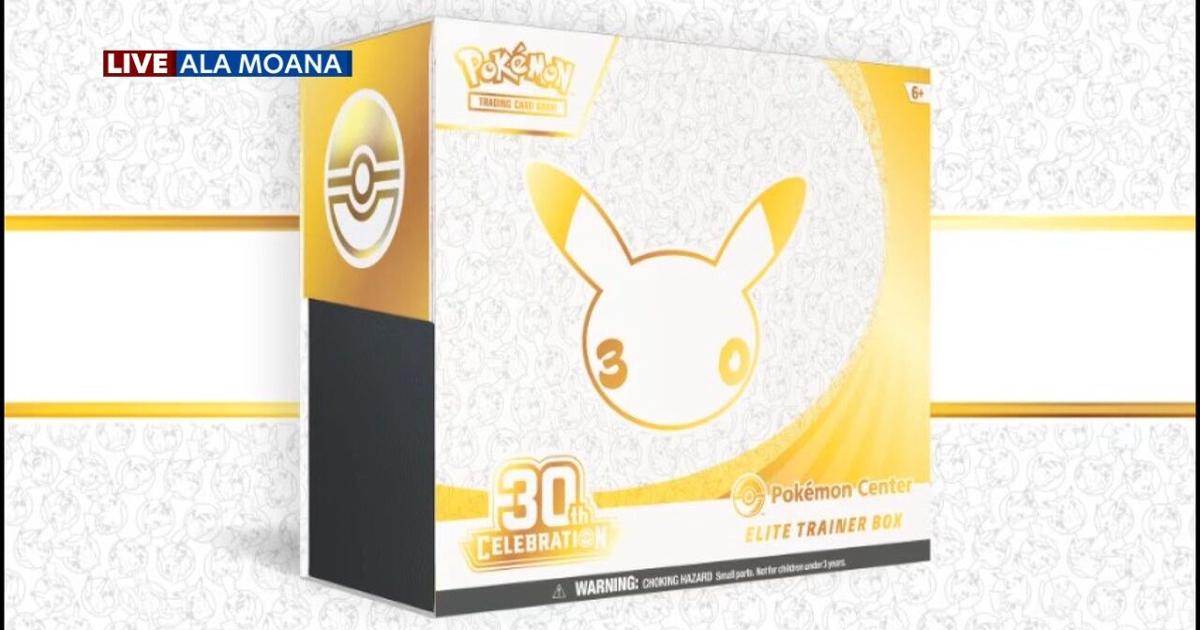
The merchandise ecosystem extends far beyond trading cards into a multi-billion-dollar cross-category opportunity. News reports document retail partnerships across Target (exclusive Owala collection sold out online), Walmart ($159.95 Elite Trainer Box), LEGO ($69.99 Pikachu SMART Play sets), H&M ($19.99 sweatshirts), Crocs ($54.99 Poké Ball clogs), Pottery Barn Kids ($36.50-$189 bedding), and tonies ($19.99 Pikachu figurines). This represents a deliberate omnichannel strategy by The Pokémon Company: limited-edition TCG drives foot traffic to physical stores, while licensed merchandise across apparel, home goods, and toys captures broader demographics (parents, children, grandparents). For e-commerce sellers, this signals that collectibles events create halo effects across adjacent categories—sellers in toys, apparel, and home goods can capitalize on anniversary-driven traffic.
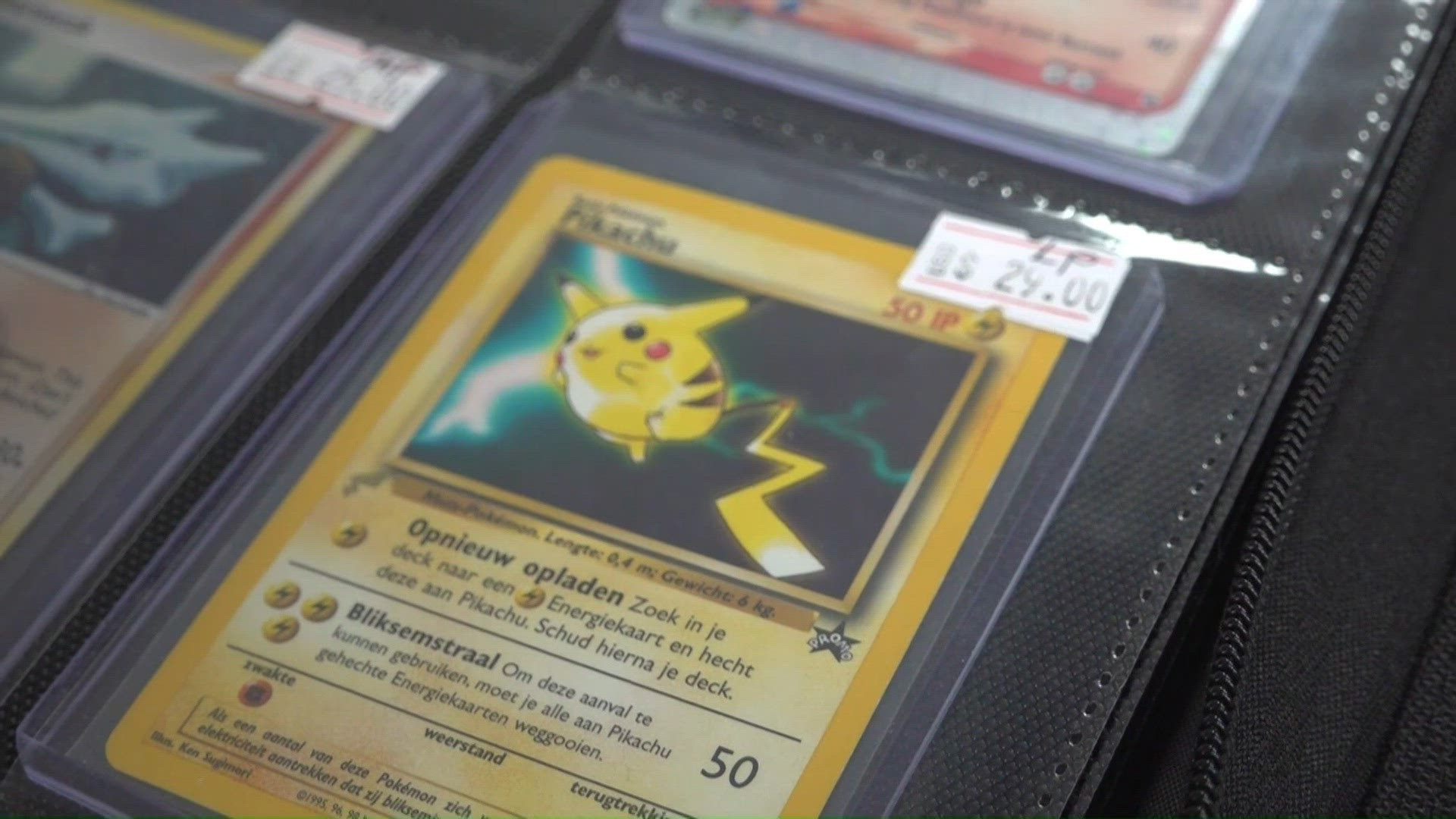
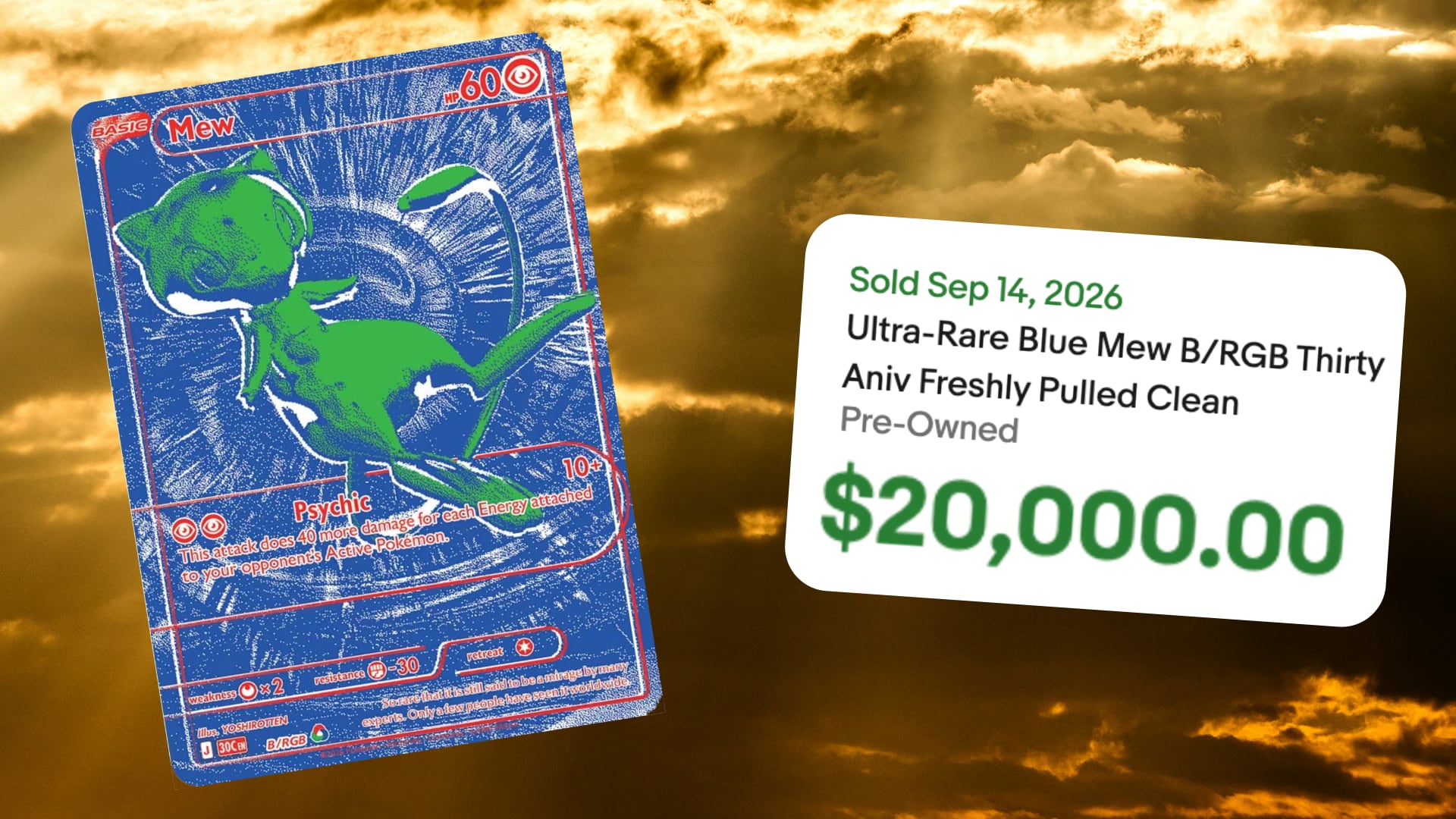
Secondary market dynamics present both opportunity and risk for sellers. News sources warn that cards are being resold at "two to three times" retail price in secondary markets, with ultra-rare cards historically commanding £16.5M+ valuations. This creates a critical O2O strategy: authorized retailers and direct sellers who secure inventory at retail can establish brand trust by offering fair pricing and authentication guarantees, differentiating from gray-market resellers. The multi-generational appeal (parents collecting since 1999, children discovering now, grandparents joining) creates a 30-year customer lifetime value opportunity—sellers who build community around Pokémon collectibles can establish recurring revenue through seasonal releases, trading communities, and experiential events. Inventory scarcity is real: collectors acknowledge stock will "sell out quickly," and store managers implemented first-come-first-served policies, indicating supply constraints that favor sellers with pre-positioned inventory and direct supplier relationships.
Questions 8
What are the compliance and authentication risks sellers should monitor in collectibles e-commerce?
Secondary market scams and counterfeit cards represent significant compliance risks. News sources warn buyers to 'purchase from authorized retailers and research before spending,' indicating platform enforcement against unauthorized sellers. Sellers should: (1) Maintain clear documentation of supplier relationships and authenticity guarantees; (2) Implement buyer protection policies (30-day returns, authentication guarantees) to exceed platform minimums; (3) Monitor for counterfeit listings and report to platforms (Amazon, eBay, Shopify); (4) Avoid price gouging (2-3x markups trigger policy violations); (5) Comply with age restrictions if applicable (some rare cards may have gambling-like mechanics). The Pokémon Company actively enforces trademark and licensing—sellers must use official product names and avoid creating confusion with official channels. Sellers should also monitor local regulations: UK/US collectibles markets have different consumer protection standards, and cross-border sellers must comply with both jurisdictions' authentication and fraud prevention requirements.
What is the Pokémon 30th Celebration Expansion and why does it matter for sellers?
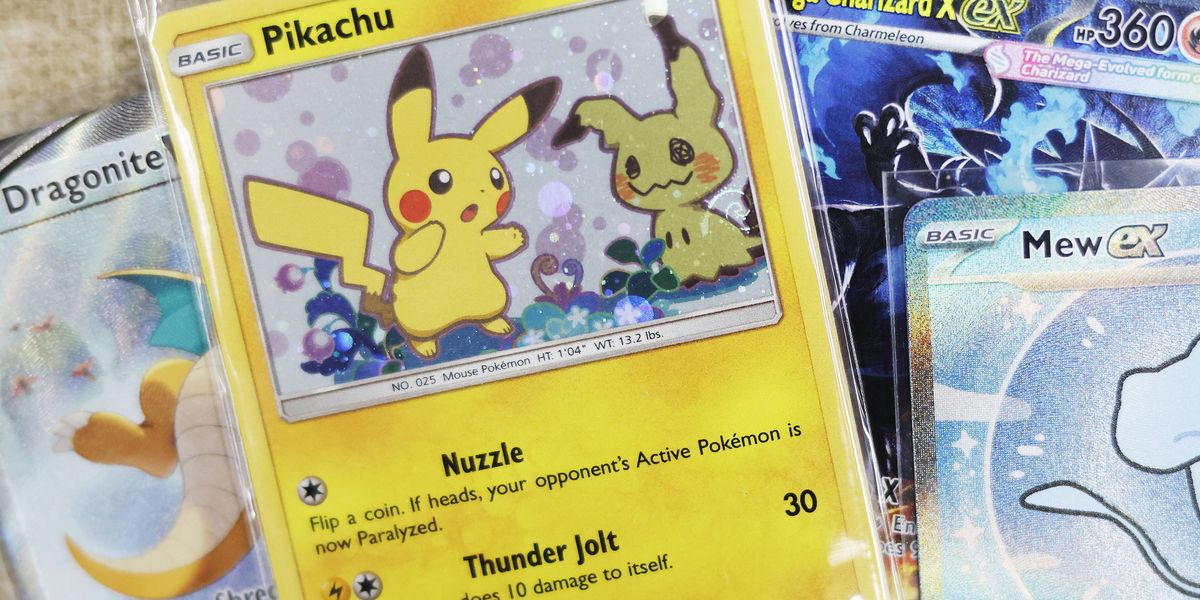
The 30th Celebration Expansion launched September 16, 2026, featuring 150+ collectible cards, 11 rare Pikachu variants, and a Classic Collection spanning three decades of TCG history. It matters for sellers because it represents a predictable, high-demand product drop that generates simultaneous offline and online traffic spikes. Physical retail queues (overnight lines at Target, Best Buy, Smyths Toys) indicate comparable online demand—sellers need robust inventory systems, website infrastructure, and fulfillment capacity during the 48-72 hour peak demand window. The expansion's worldwide simultaneous launch creates a global selling opportunity across Amazon, eBay, Shopify, and specialty collectibles platforms.