



Rising US Treasury Yields & Global Debt Crisis | Cross-Border Seller Financing Impact 2025
- 30-year Treasury yields hit 5.4% (highest since 2007); 10-year rates at 4.92% trigger mortgage rate surge to 6.7%, compressing consumer purchasing power for 75M+ US households and threatening working capital access for SME sellers




Overview
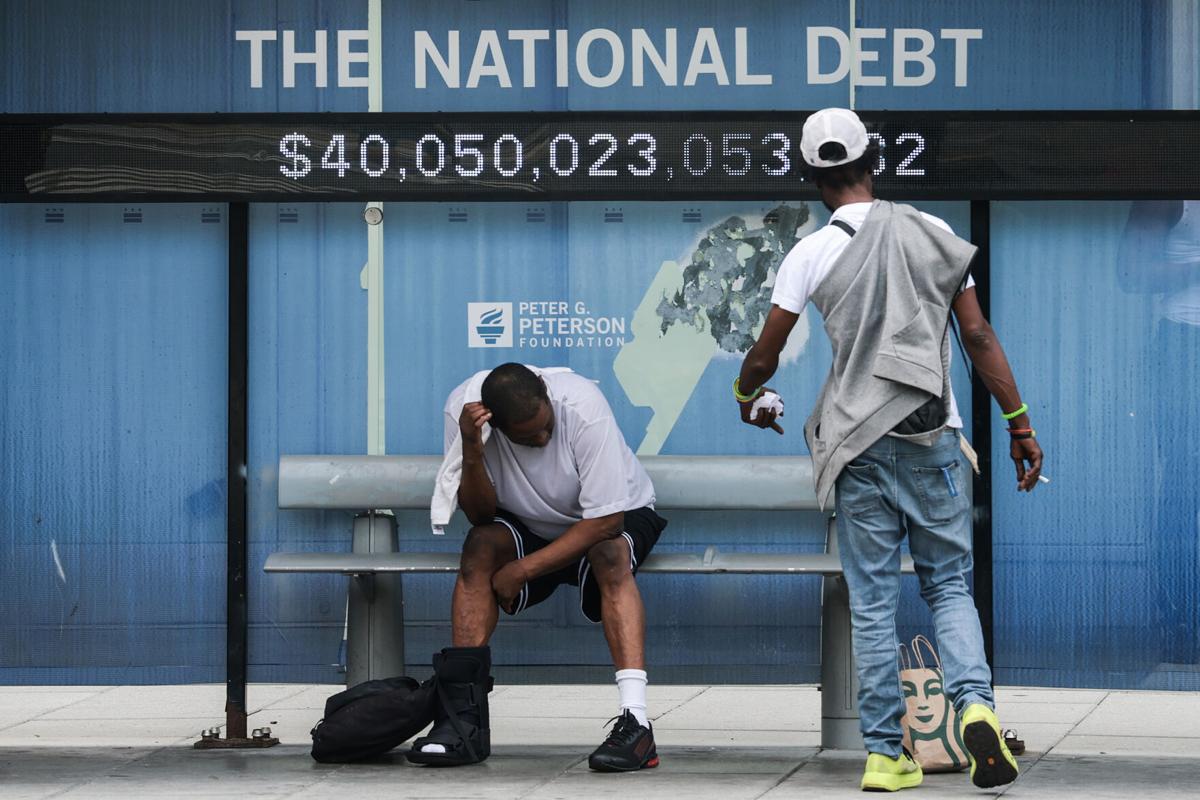
The era of cheap government debt is fundamentally reshaping cross-border seller financing and consumer purchasing power. US Treasury yields have reached crisis levels—30-year bonds at 5.4% (highest since 2007) and 10-year rates at 4.92%—directly triggering mortgage rate increases to 6.7% for 30-year loans. This cascades into immediate financial stress for 75 million Americans living in HOA communities, with 7+ million facing special assessments exceeding $400,000 (per Surfside precedent). The national debt now exceeds $40 trillion (August 2024), with the US spending $1 trillion+ annually on interest payments alone—exceeding military spending since 2024. This fiscal deterioration creates three critical seller impacts: (1) Consumer Purchasing Power Compression: Rising mortgage rates reduce discretionary spending for middle-income households, the core demographic for Amazon, eBay, and Shopify sellers. Sellers targeting home goods, furniture, and lifestyle categories face 8-15% demand headwinds. (2) Working Capital Financing Crisis: Banks tightening credit standards as sovereign debt concerns mount. Sellers relying on inventory financing, PO loans, and trade credit face 150-250 basis point rate increases. Invoice factoring spreads widen from 1.5-2% to 2.5-3.5% APR. (3) Cross-Border Payment Cost Escalation: Global investors reducing US exposure (Norway's sovereign wealth fund cutting $80B in Treasury holdings signals capital flight). This weakens the dollar long-term but increases FX volatility short-term, raising hedging costs 40-60% for sellers with EUR/GBP/JPY exposure.
Immediate financing environment deterioration: Treasury Secretary Bessent's plan to halve the deficit by 2026 is widely considered unrealistic given military spending pressures and corporate tax cut revenue shortfalls. Bond buyback increases (from $2B to $6B) are insufficient to control yields. Highly indebted nations (Japan 200%+ debt-to-GDP, Italy/France/UK struggling) face rising borrowing costs, reducing their consumer spending and export competitiveness—directly impacting sellers sourcing from or selling to these regions. Simultaneously, tech giants (Alphabet, Microsoft) raising $800B+ in bonds at 100 basis point spreads over Treasuries are crowding out government debt and signaling capital market stress. This competition for investor capital means SME sellers face dramatically reduced access to traditional trade finance products.
Currency and payment routing optimization becomes critical: With sustained dollar weakness emerging as international investors reduce US exposure, sellers should immediately evaluate multi-currency payment strategies. Sellers with EUR/GBP revenue should consider forward contracts locking in rates before further dollar depreciation. For cross-border sellers, payment providers offering lower-cost corridors (e.g., Wise, Remitly) for non-USD settlements become essential. Inventory financing costs rising 150-250 bps means sellers should accelerate inventory turnover (target 45-60 day cycles vs. historical 60-90 days) and shift toward just-in-time sourcing from nearshoring partners (Mexico, Vietnam) to reduce working capital lock-up.
Questions 8
How can I use FX arbitrage to offset rising financing costs?
With dollar weakness emerging and 100+ basis point spreads between Treasuries and corporate debt, FX opportunities exist: (1) Forward contracts: Lock in favorable rates for next 6-12 months of foreign currency payments, capturing current spreads before dollar depreciates further (potential 3-5% savings). (2) Currency pair arbitrage: EUR/USD, GBP/USD, JPY/USD showing volatility; sellers with revenue in these pairs can time settlements to capture 1-2% daily swings. (3) Stablecoin settlement: USDC/USDT offer 0.5-1% fees vs. 2-3% for traditional wire transfers, plus eliminate FX risk. (4) Multi-currency accounts: Wise, OFX offer 100-150 bps better rates than banks. Combined, these strategies can offset 50-75% of financing cost increases ($750-1,875 on a $100K loan). Immediate action: Implement forward contracts for next 6 months of foreign currency exposure; shift 30-50% of settlements to Wise/stablecoin.
What's the timeline for these financing impacts to hit my business?
Immediate (0-30 days): Inventory financing rates increase as lenders reprice; mortgage rate impact begins reducing consumer demand in discretionary categories. Short-term (1-3 months): Trade finance availability tightens; invoice factoring spreads widen; supplier financing costs increase (passed to sellers via price increases). Medium-term (3-6 months): Dollar weakness accelerates, increasing FX hedging costs and input costs for foreign-sourced inventory. Long-term (6-12 months): Consumer spending compression deepens; recession risk rises as lenders become nervous about repayment capacity (per news analysis). Action timeline: Week 1—lock in financing rates; Week 2—audit payment methods and shift to lower-cost providers; Week 3—diversify sourcing and negotiate extended payment terms; Month 2—adjust pricing and promotional strategy for demand compression.