



Tariff Refund Strategies & Consumer Compensation | E-Commerce Seller Playbook
- Nintendo's $300M refund triggers class-action lawsuits; sellers must choose between direct refunds, promotional discounts, or price reductions by September 2025
Overview
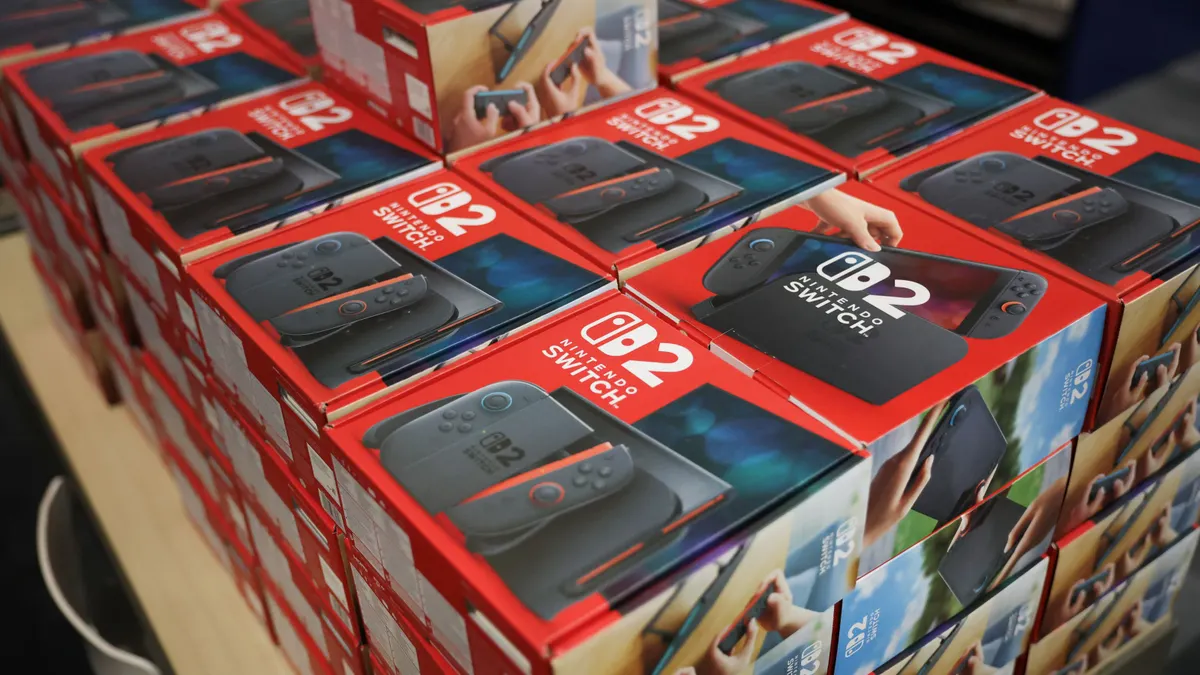
The Nintendo tariff refund case ($300 million federal reimbursement) reveals a critical inflection point for e-commerce sellers navigating tariff cost recovery and consumer compensation strategies. Nintendo's approach—launching a 30% discount promotion (September 12-26) rather than direct refunds—demonstrates the tension between accounting practicality and customer trust. This precedent directly impacts sellers across Amazon, eBay, Shopify, and Walmart who absorbed tariff costs on imported electronics, apparel, and home goods during 2023-2024.
The core issue: When tariffs are easily identifiable (like shipping import duties), companies face legal and reputational pressure to compensate consumers. FedEx and UPS are proactively refunding line-item tariff charges, while Costco committed to lower prices and member value returns. However, for most retailers, calculating individual tariff refunds is commercially impractical—creating a compliance gray zone. Sellers must decide: (1) Direct refunds to past customers (high cost, legal protection), (2) Promotional discounts (Nintendo's approach, criticized as "sales promotion dressed as appreciation"), or (3) Permanent price reductions (Costco's strategy, impacts margins).
Seller implications by segment: Small sellers (under $1M annual revenue) on Amazon and Shopify face the highest risk—they lack accounting infrastructure to track tariff absorption and face class-action exposure if sued. Mid-market sellers ($1-10M) can absorb 5-8% margin compression through promotional windows. Large retailers (Costco, Best Buy) have negotiating power with suppliers and can pass costs backward. Electronics sellers face the highest exposure (tariffs averaged 12-18% on consumer electronics 2023-2024), followed by apparel (8-12%) and home goods (6-10%).
Timeline urgency: Nintendo's September 2025 promotion window and ongoing litigation create a 6-month decision window for sellers. Companies demonstrating "good faith effort" (per Forrester analysis) avoid reputational damage and potential class-action vulnerability. Silence or appearing to pocket refunds triggers consumer backlash and legal risk. Sellers should audit tariff costs by product category, establish refund/discount policies by Q1 2025, and communicate transparently with customers about tariff absorption decisions.
Questions 8
Should I offer direct refunds or promotional discounts for tariff costs absorbed?
Nintendo's $300M refund case shows both approaches carry risks. Direct refunds provide legal protection and customer trust but are operationally complex—most retailers cannot calculate individual tariff absorption per customer. Promotional discounts (Nintendo's 30% sale, September 12-26) are easier to execute but face criticism as 'sales promotions dressed as appreciation' per Forrester analysis. FedEx and UPS's approach of refunding identifiable line-item tariff charges offers a middle ground: refund only clearly documented tariff costs. For Amazon and Shopify sellers, demonstrating 'good faith effort' (per Watermark Consulting) matters more than dollar-for-dollar compensation—transparency about tariff absorption decisions reduces class-action vulnerability.
How do I track and document tariff costs for refund eligibility?
Tariff costs must be tracked by HS code (Harmonized Tariff Schedule) and import date to establish refund claims. Use USITC.gov tariff rate databases to identify applicable rates for your product categories. For Amazon FBA sellers, tariff costs typically appear in landed cost calculations (product cost + freight + tariffs + duties). Shopify sellers should integrate tariff tracking into inventory management systems—most 3PL providers (Flexport, Shippo) now offer tariff cost line-item reporting. Document tariff absorption in accounting records by category and date range (2023-2024 saw peak tariff exposure). This documentation protects against class-action claims and supports refund/discount policy decisions.