


Geopolitical Oil Crisis Drives Diesel Surge | Shipping Cost Impact for E-Commerce Sellers
- Diesel prices hit record highs amid Middle East conflict; FBA and 3PL shipping costs expected to rise 8-15% within 30 days for sellers nationwide



















Overview
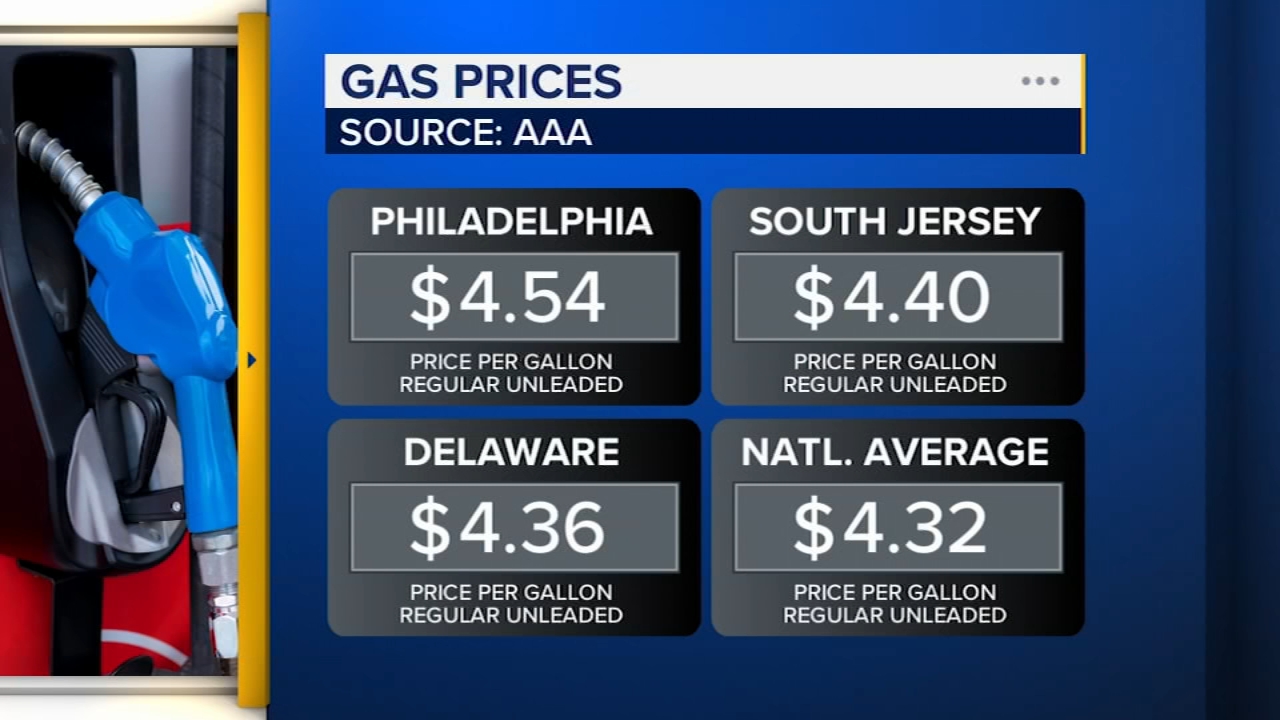
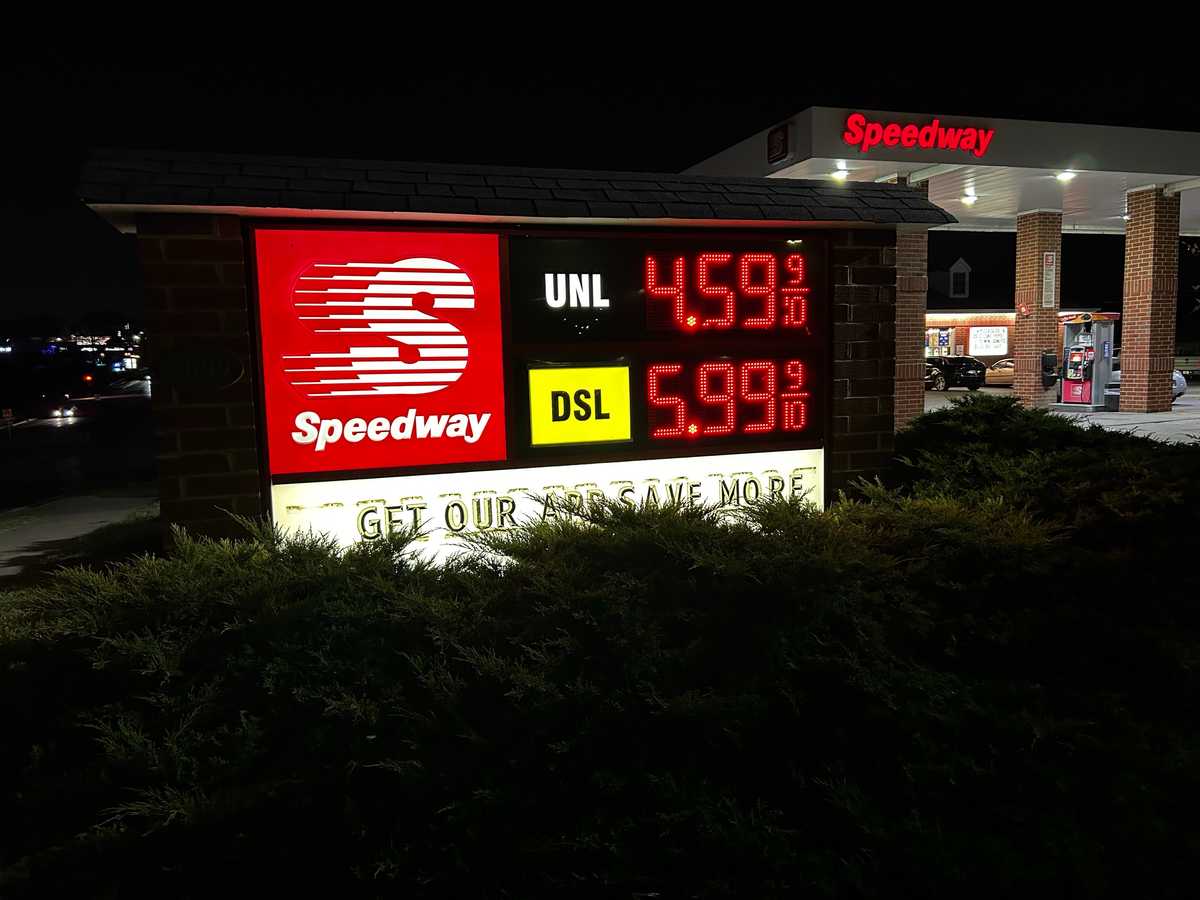
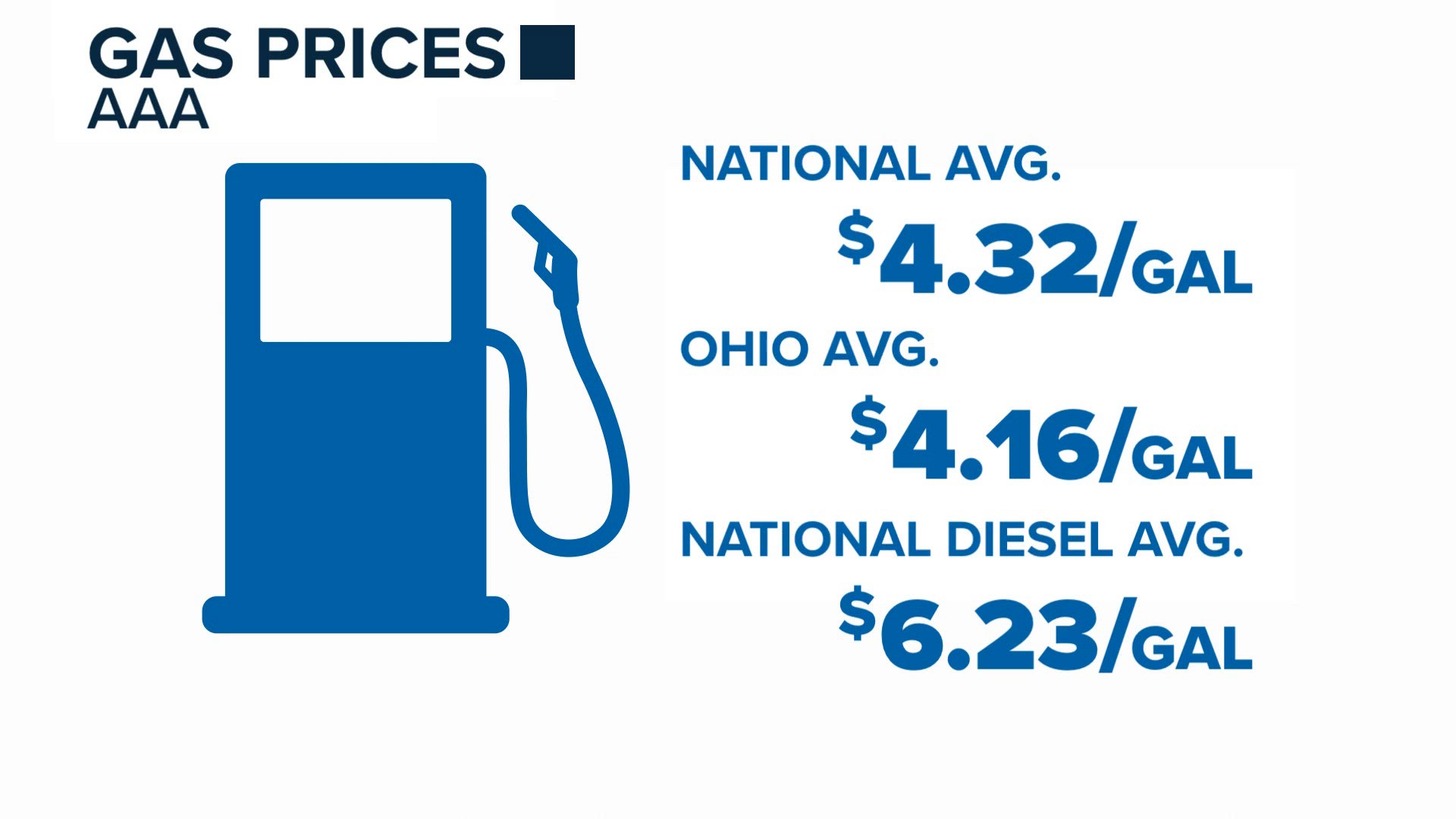
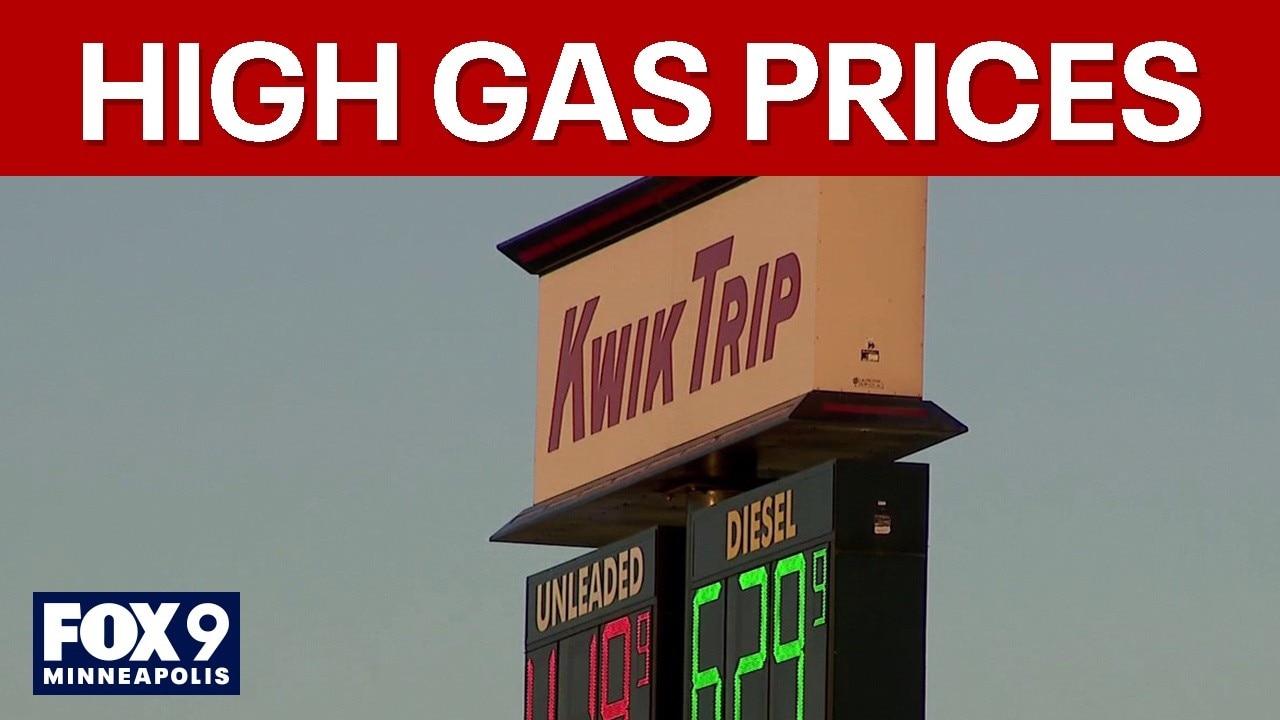
The Middle East geopolitical crisis is creating an immediate logistics cost shock for cross-border e-commerce sellers. Diesel prices have reached record highs—hitting $6.30 per gallon nationally with regional peaks exceeding $6.04 in California and $5.18 in Portland—driven by the Strait of Hormuz blockade and Saudi pipeline closures that restrict one-fifth of global oil supply. Brent crude surged from $70 to $107 per barrel, a 53% increase that directly translates to higher transportation costs for Amazon FBA, eBay, Shopify, and 3PL fulfillment providers.
For Amazon FBA sellers, this creates immediate margin compression. FBA shipping rates are indexed to fuel costs and typically increase 8-15% within 30-45 days of sustained diesel price spikes. A seller shipping 1,000 units monthly via FBA can expect additional monthly costs of $200-400 depending on weight and destination zone. The news reports diesel prices have never been this high this late in the calendar year, contradicting normal seasonal patterns where fuel costs decline after Labor Day. This anomaly signals sustained elevated costs through Q4 2026, directly impacting holiday season profitability when sellers typically operate on compressed margins.
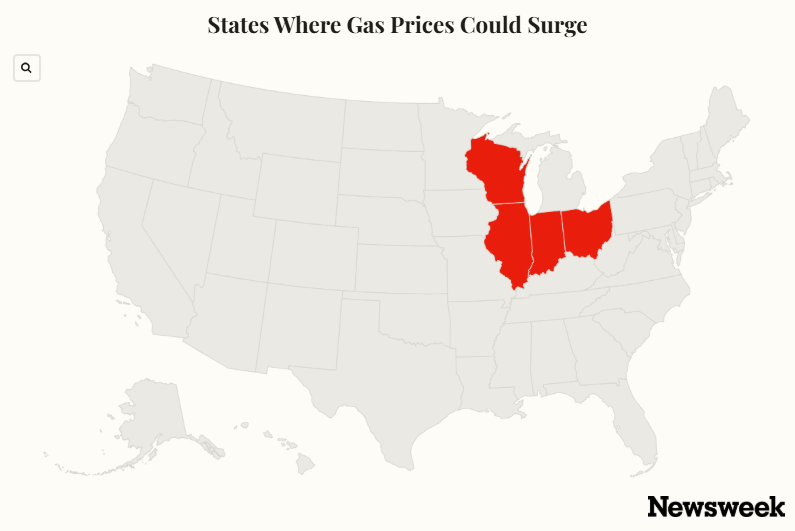
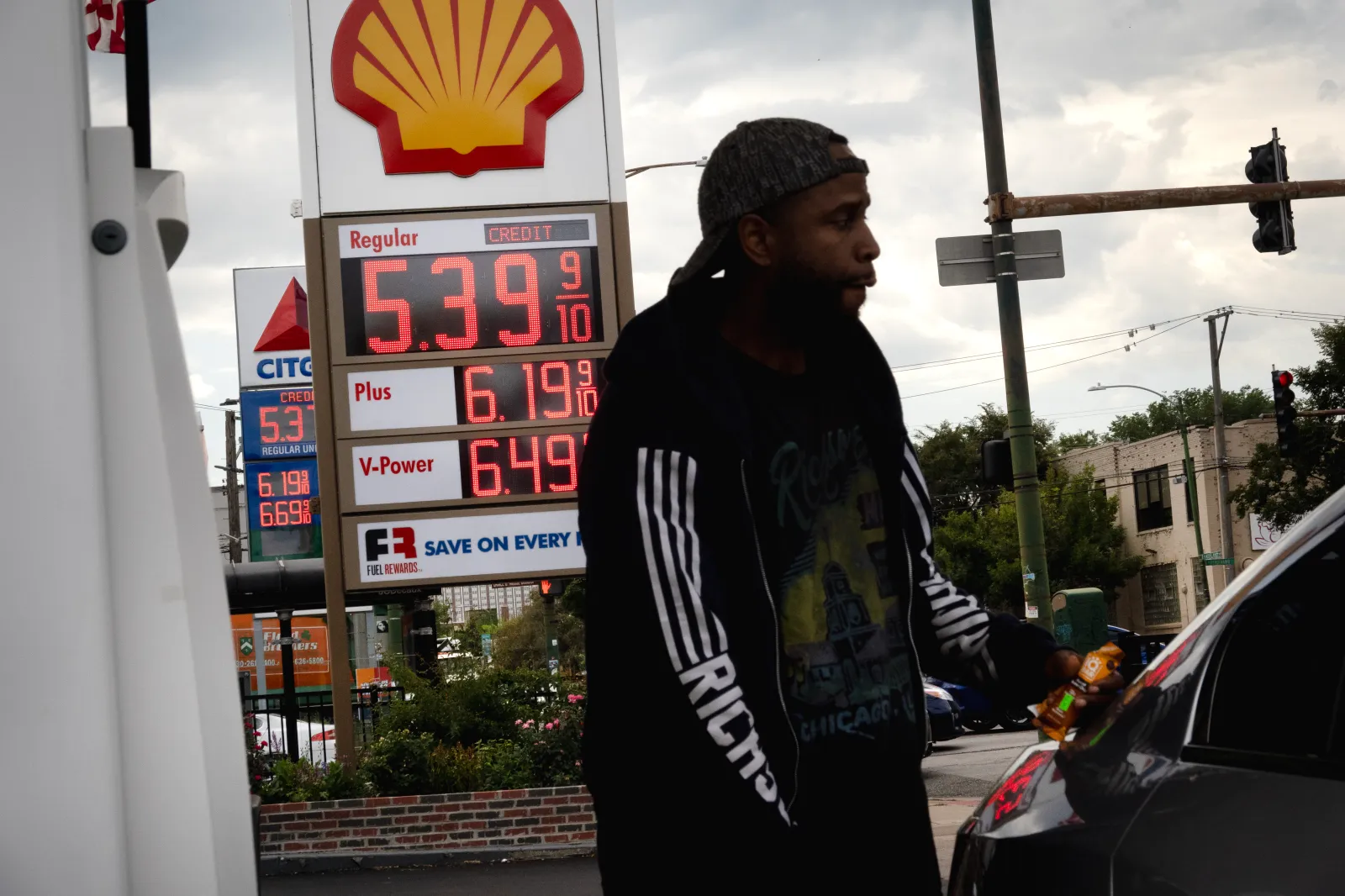
Regional arbitrage opportunities emerge for sellers with flexible sourcing. Indiana maintains significantly lower gas prices ($3.75 average) due to Governor Mike Braun's emergency gas tax exemption, while West Coast states face 78-cent premiums above national averages. Sellers using 3PL providers in low-cost fuel regions (Indiana, Kentucky) can reduce logistics expenses by 10-12% compared to California or Pacific Northwest fulfillment. The news indicates insufficient refining capacity combined with harvest season agricultural demand prevents supply from meeting demand, suggesting sustained price elevation through Q4. Waste management and logistics services like Rumpke adjust monthly fuel surcharges based on the U.S. Department of Energy's Midwest diesel pricing index—a metric sellers should monitor for 3PL rate adjustments.
Consumer spending patterns are shifting due to fuel cost anxiety. Portland residents report postponing summer vacations and road trips, indicating reduced discretionary spending on travel-related products (luggage, automotive accessories, camping gear). However, this creates counter-opportunities: sellers of fuel-efficient products, electric vehicle accessories, and home entertainment categories (streaming devices, gaming, home fitness) should expect demand acceleration as consumers redirect spending from travel to home-based activities. The political context—with inflation and cost-of-living concerns dominating midterm election messaging—suggests sustained consumer price sensitivity through November 2026, favoring budget-conscious product categories and value-oriented sellers.
Questions 7
Should sellers increase prices now or wait for fuel costs to stabilize?
Implement price increases immediately for products with price elasticity below 1.0 (inelastic demand). The news confirms inflation and cost-of-living concerns dominate consumer priorities ahead of midterm elections, indicating consumers are price-sensitive. However, essential products (household goods, groceries, health items) can absorb 5-8% price increases without significant demand loss. For discretionary categories, test 3-5% increases on high-margin SKUs first. Avoid aggressive pricing that triggers negative reviews; instead, optimize product listings to emphasize value and bundle complementary items to improve average order value without raising per-unit prices.
Which regions offer the best 3PL shipping cost advantages during this fuel crisis?
Indiana and Northern Kentucky offer significant cost advantages with gas prices at $3.75-$4.25 per gallon, compared to West Coast averages of $5.18-$6.04. Sellers using 3PL providers in these regions can reduce logistics expenses by 10-12% compared to California or Pacific Northwest fulfillment. The news indicates Governor Mike Braun's emergency gas tax exemption saves residents hundreds of millions, creating a structural cost advantage for logistics providers operating in Indiana. Evaluate relocating inventory to Midwest 3PL facilities before Q4 peak season to lock in lower fuel surcharge rates before further increases.