


Fed Rate Hike September 2026 | Critical Working Capital & Financing Impact for Cross-Border Sellers
- First rate increase in 3 years triggers 25+ bps additional hikes; diesel costs surge 70% YoY to $6/gal; immediate borrowing cost increases for inventory financing and working capital













Overview
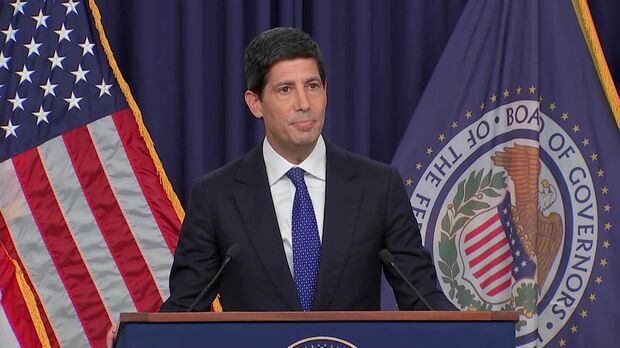
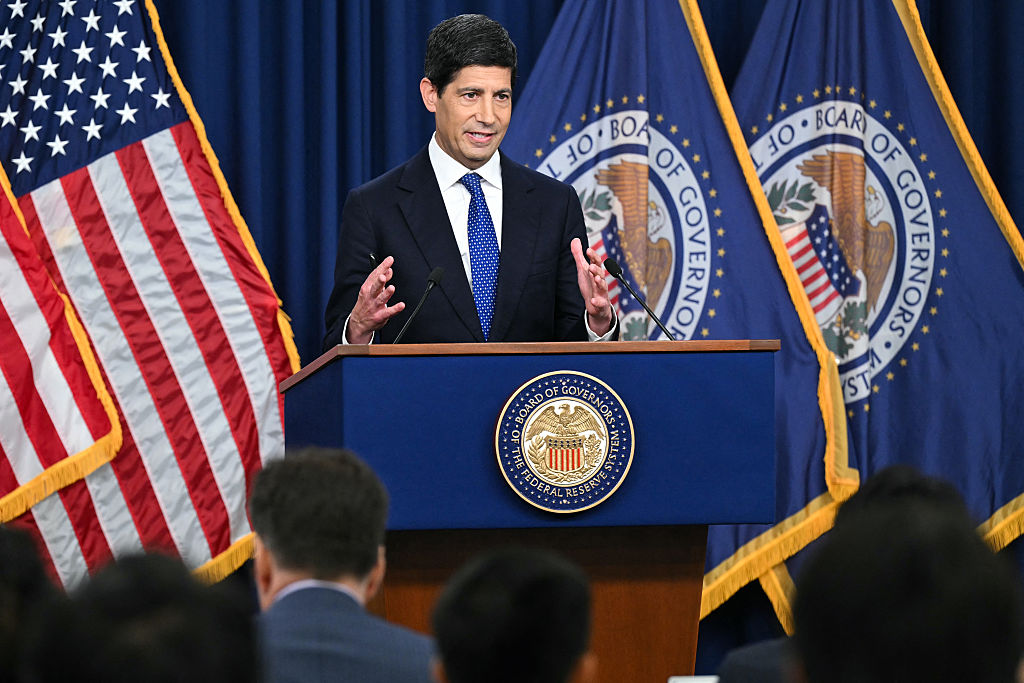
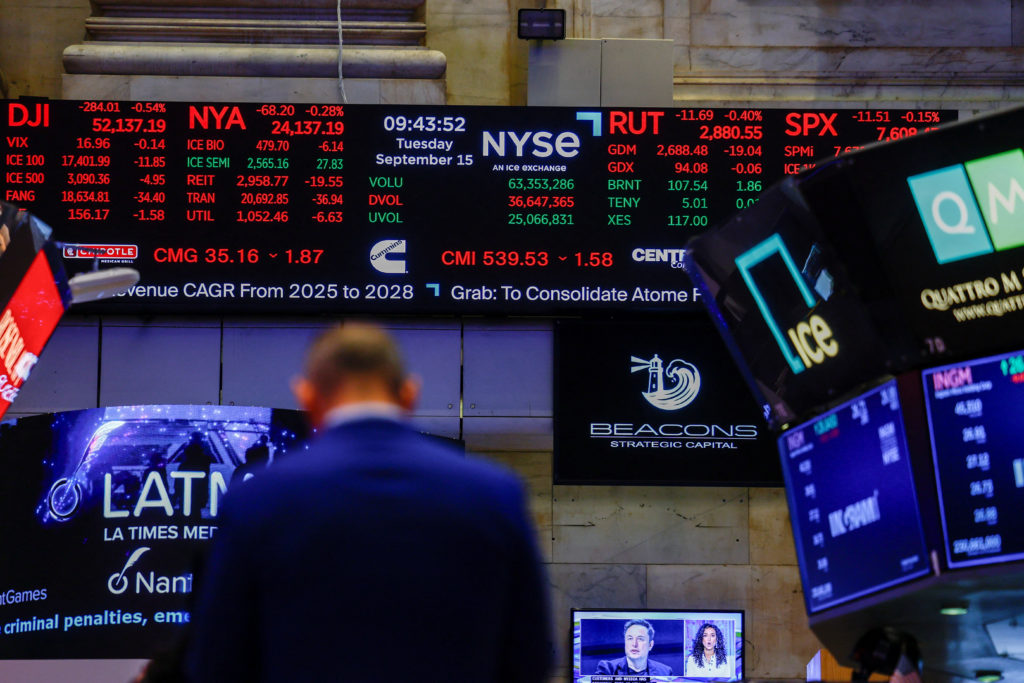
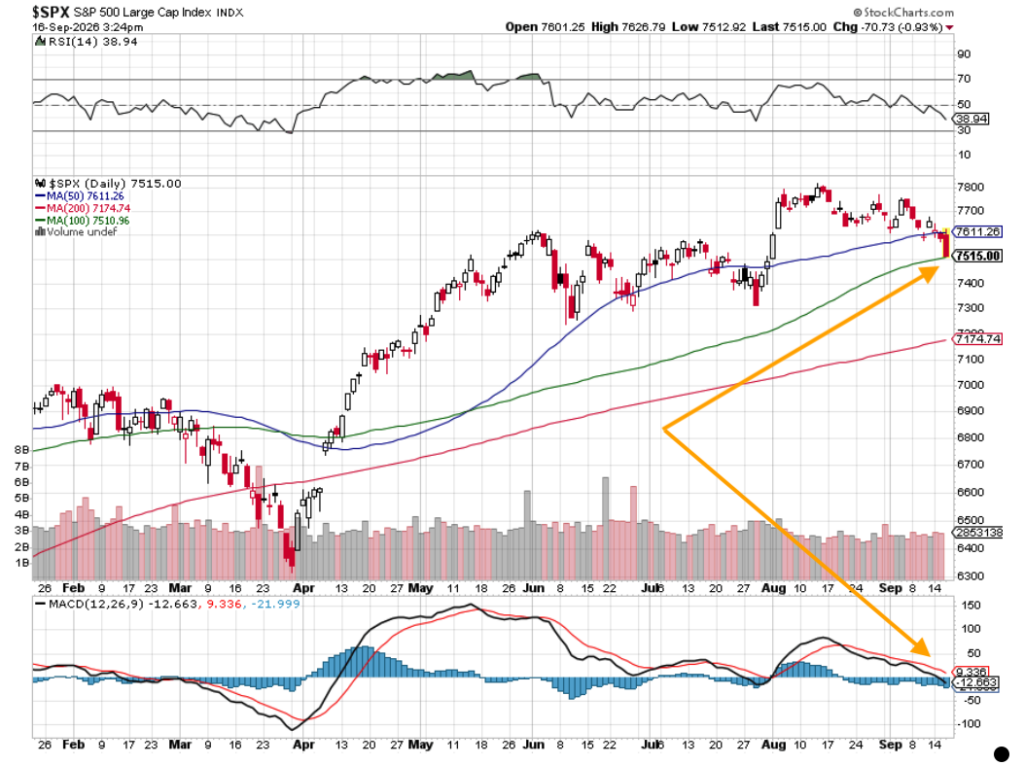
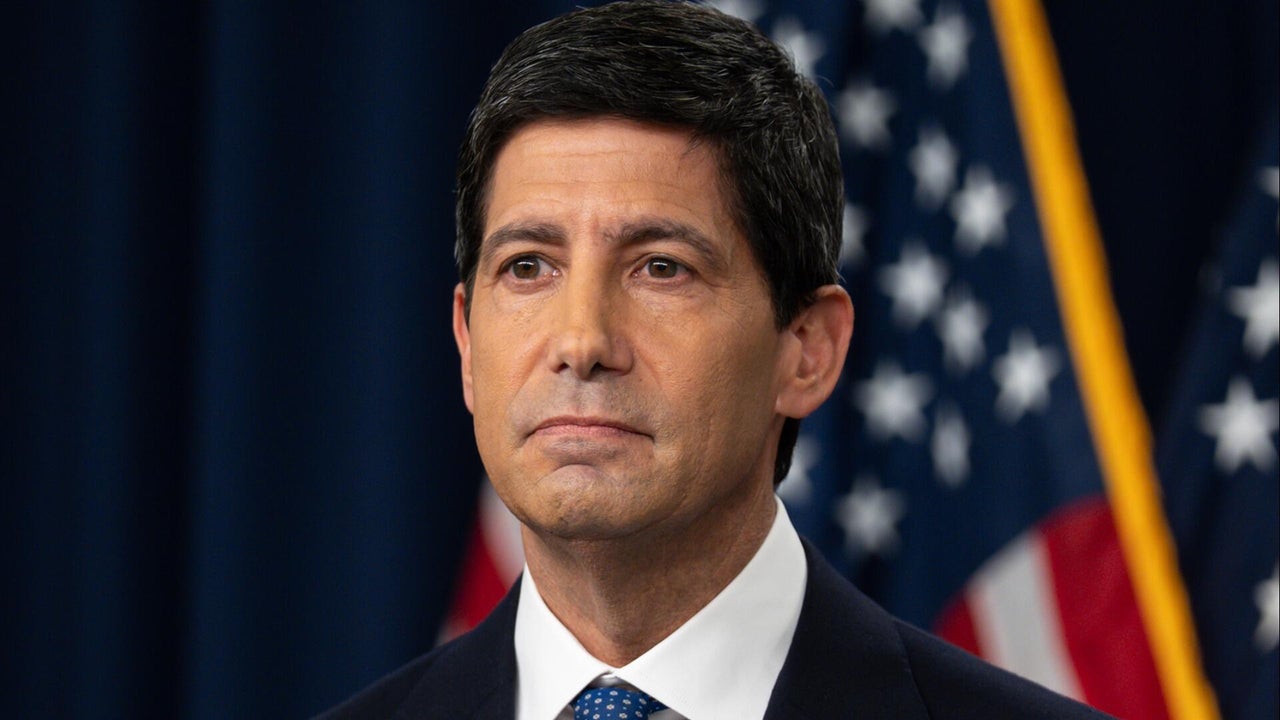
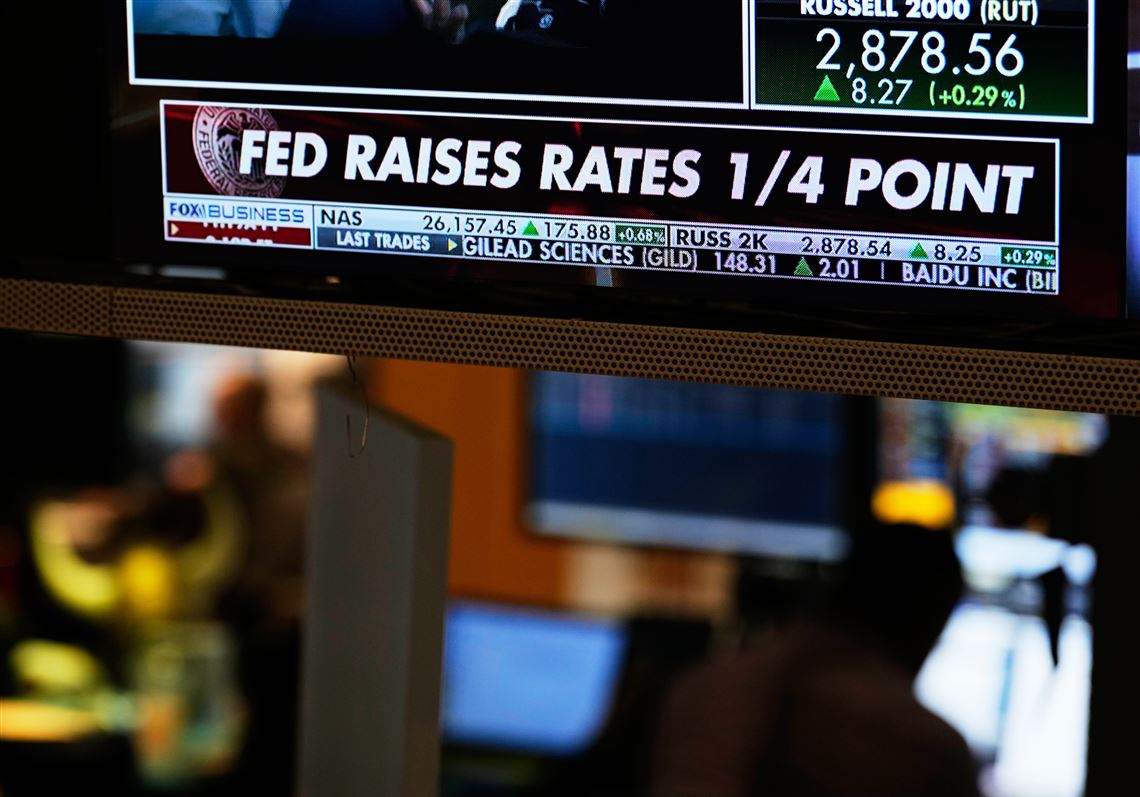
The U.S. Federal Reserve's September 16, 2026 rate increase—the first in over three years under Chair Kevin Warsh—marks a critical inflection point for cross-border e-commerce sellers managing working capital and financing costs. The unanimous decision signals additional 25+ basis points of tightening by year-end, with immediate market consequences: sharp dollar appreciation, stock market decline (Dow -1.2%, S&P 500 -0.4%), and Treasury yield curve compression (2s30s spread at 61 bps). For sellers, this translates directly to higher borrowing costs across all financing products.
Immediate Financial Impact: Credit card interest rates, inventory financing APRs, and working capital loans will increase 25-50 basis points within 30 days. Sellers relying on Amazon Lending, Shopify Capital, or traditional invoice factoring will face 2-4% APR increases on outstanding balances. A seller with $100K in active inventory financing will see monthly costs rise $167-333. The Fed's forward guidance suggests additional hikes are likely, creating urgency to lock in fixed-rate financing before rates climb further.
Supply Chain Cost Amplification: Diesel prices have reached record levels above $6/gallon—up 70% year-over-year—directly impacting last-mile delivery, 3PL warehousing, and cross-border logistics. This compounds the rate hike's effect: higher financing costs + elevated transportation expenses = margin compression across all categories. Sellers shipping via FedEx, UPS, or regional 3PLs will see surcharges increase 8-12% by Q4 2026. For sellers with $500K annual logistics spend, this represents $40-60K in additional annual costs.
Currency Arbitrage Opportunity: Sharp dollar appreciation (noted in the news) creates FX headwinds for sellers sourcing from Asia/EU but also opportunities for those with multi-currency exposure. Sellers with USD-denominated debt and revenue in GBP/EUR face margin compression; conversely, those with EUR/CNY payables benefit from dollar strength. The 2s30s yield curve compression (61 bps, flattest since March 2025) signals recession risk, which historically reduces consumer discretionary spending—particularly impacting electronics, apparel, and home goods categories.
Regulatory Uncertainty: The Senate's blockage of the Clarity Act leaves cryptocurrency payment options in regulatory limbo. Sellers using crypto for cross-border settlements or accepting stablecoin payments face continued uncertainty around compliance and banking relationships. This reduces alternative payment route optionality precisely when traditional financing becomes more expensive.
Questions 8
What's the impact of $6/gallon diesel on my 3PL and shipping costs?
Diesel at $6/gallon (up 70% YoY) directly increases 3PL warehousing fees, last-mile delivery surcharges, and cross-border logistics costs. Most carriers (FedEx, UPS, DHL) apply fuel surcharges that rise 8-12% when diesel exceeds $5.50/gallon. For a seller with $500K annual logistics spend, this translates to $40-60K in additional annual costs. Regional 3PLs in high-fuel-cost areas (California, Texas) will see surcharges first. Negotiate fixed-rate logistics contracts immediately before Q4 2026, or shift to regional fulfillment centers closer to customer bases to reduce mileage.
Should I lock in fixed-rate financing before rates rise further?
Yes—immediately. The Fed's September 2026 decision signals additional 25+ bps of increases by year-end, with Chair Warsh emphasizing that 'trends matter' in justifying continued tightening. Fixed-rate options (term loans, lines of credit) are preferable to variable-rate products (credit cards, revolving facilities) in a rising-rate environment. Compare **Amazon Lending** (typically 6-12% APR), **Shopify Capital** (8-15% APR), **Fundbox** (8-20% APR), and traditional **SBA loans** (6-8% APR). Lock in 6-12 month terms before the next Fed meeting (projected 5 days before midterm elections), which could signal additional hikes.