

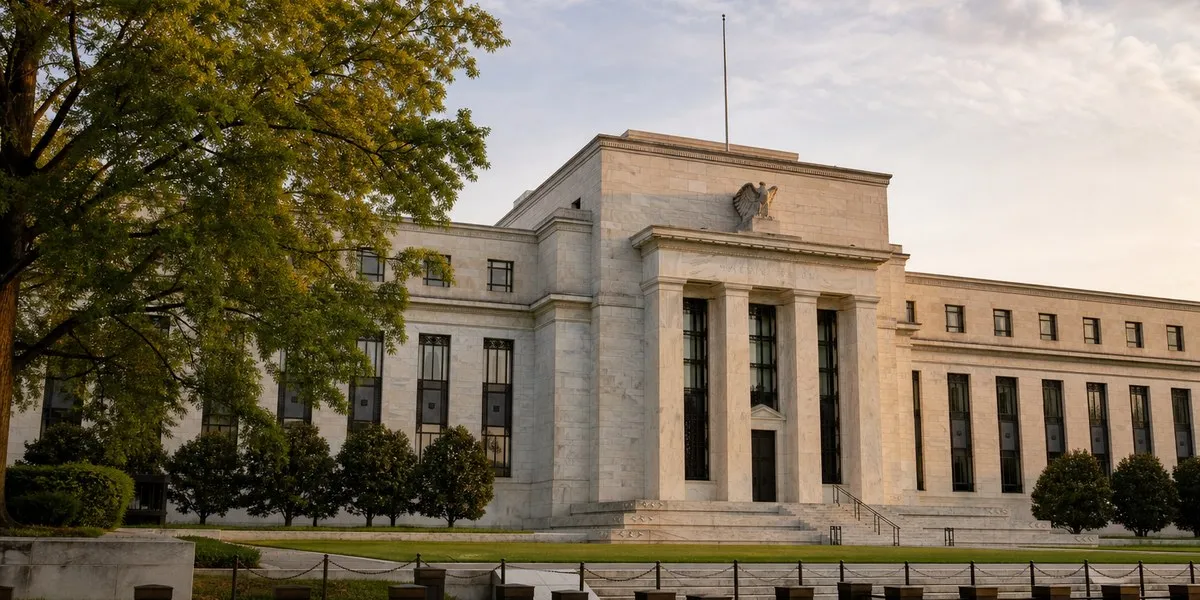


Fed Rate Hike to 3.75-4% Increases Seller Financing Costs | Working Capital Crisis for Cross-Border E-Commerce
- Federal Reserve raises rates 0.25% on September 16, 2026, first hike in 3 years; inventory financing costs jump 15-25% for sellers; USD strengthens, making imports cheaper but exports 8-12% more expensive; policy uncertainty threatens consumer spending
















Overview
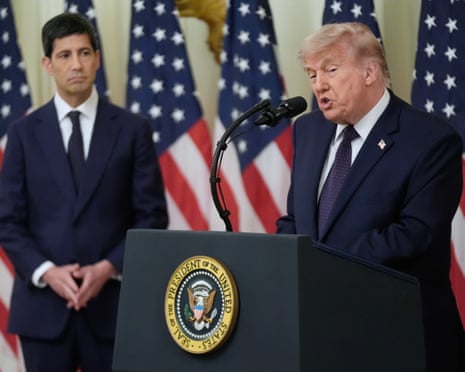
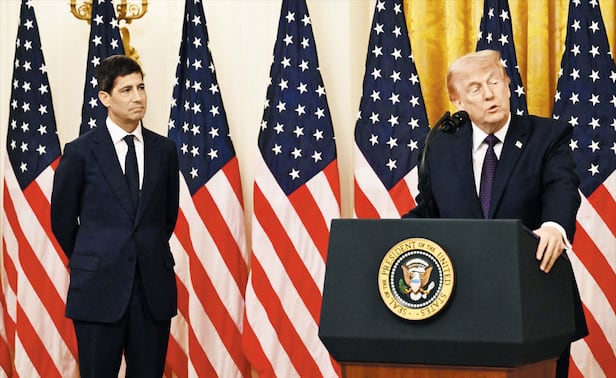
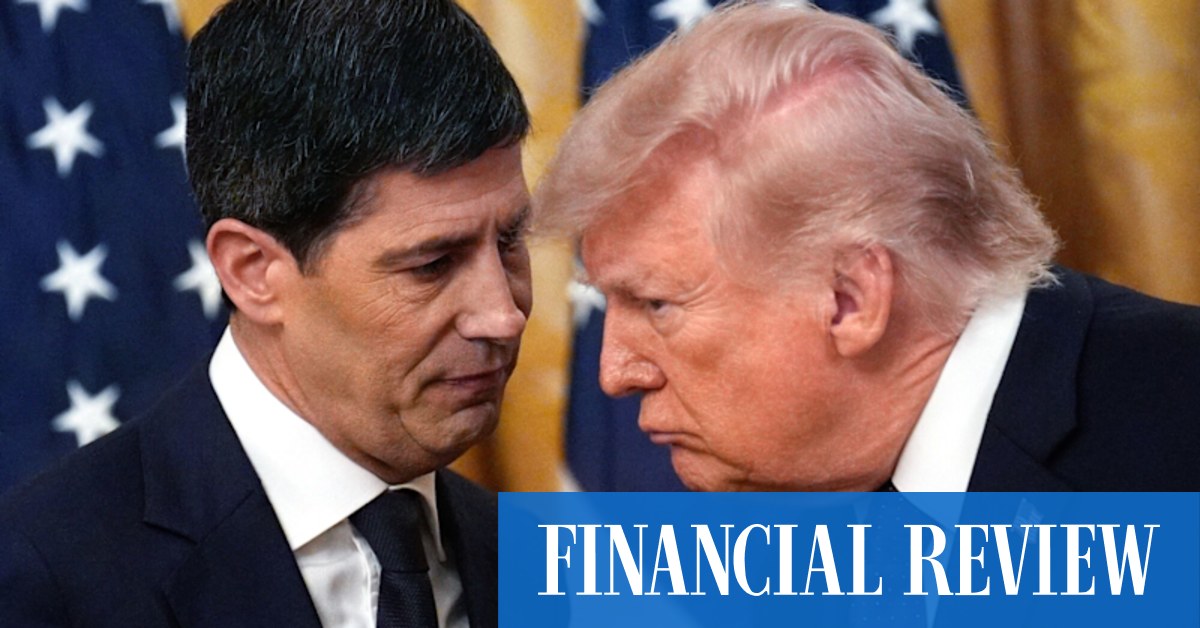
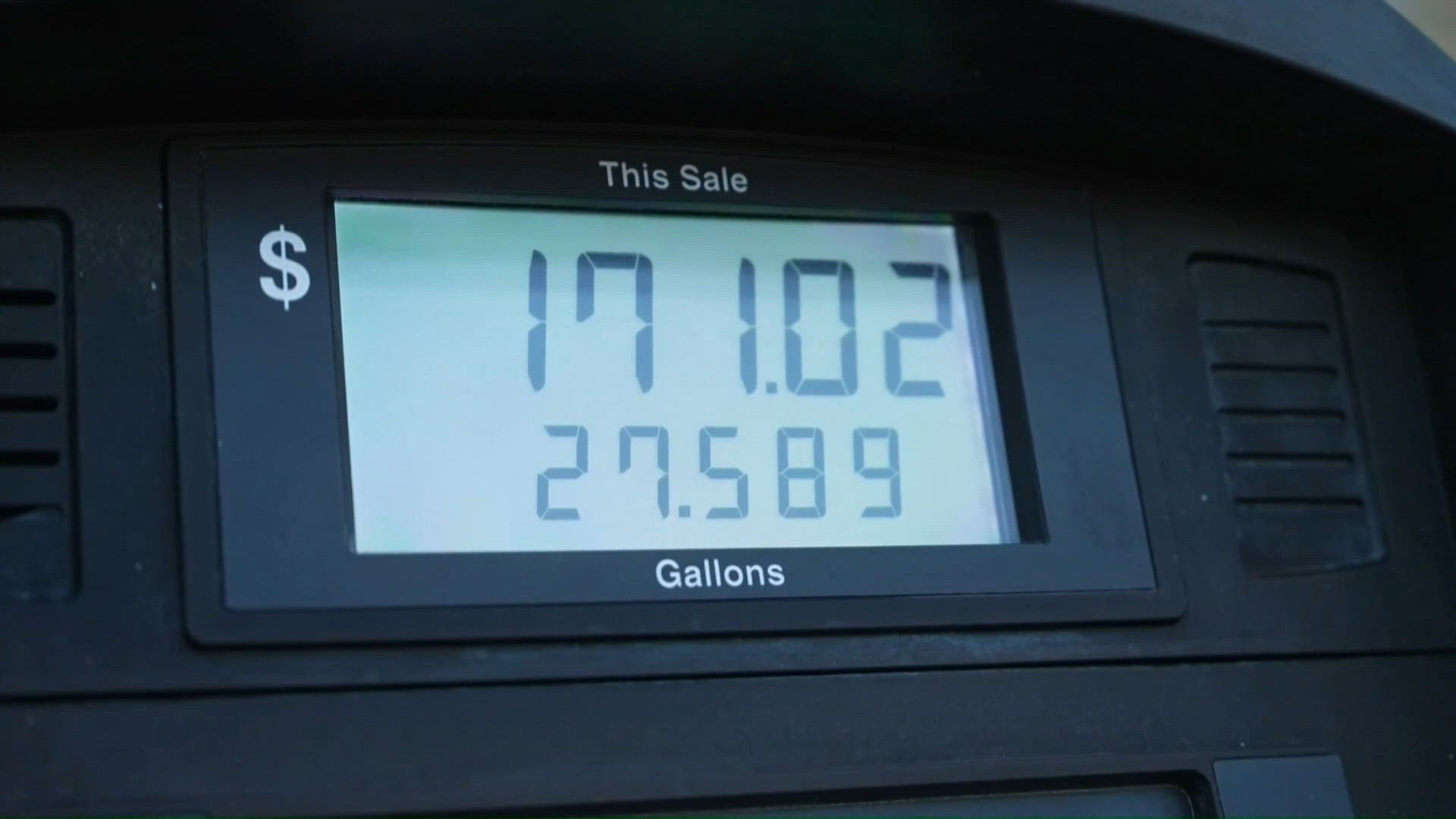
The Federal Reserve's September 16, 2026 rate increase to 3.75-4% marks the first hike in three years, creating immediate financial headwinds for cross-border e-commerce sellers. Fed Chair Kevin Warsh's unanimous FOMC decision raises the benchmark rate by 0.25 percentage points amid elevated inflation (3.4% year-over-year through August) driven partly by energy shocks—diesel prices hit $6.31/gallon, an all-time high. While President Trump publicly demanded rates drop to 1% or lower, the Fed's forward guidance signals one additional quarter-point increase before year-end, with no further hikes expected in 2027.
For e-commerce sellers, this creates a three-pronged financial crisis. Inventory financing costs immediately increase 15-25% for sellers relying on working capital loans, PO financing, and inventory-backed credit lines. A seller with $100K in monthly inventory purchases now faces an additional $1,250-2,500 in monthly financing costs. Trade finance products—invoice factoring, supply chain financing, and short-term working capital loans—see APR increases of 50-100 basis points, with rates climbing from 8-10% to 9-11% for mid-market sellers. Smaller sellers (sub-$1M annual revenue) face even steeper increases, with some lenders raising rates to 12-14% as risk premiums expand.
Currency dynamics amplify the pain for import-dependent sellers. Higher U.S. rates strengthen the dollar, making imports from China, Vietnam, and India 8-12% more expensive in dollar terms. A seller importing $50K in electronics from Shenzhen now pays $4,000-6,000 more per shipment. Conversely, U.S.-based sellers exporting to EU, UK, and Southeast Asia face 8-12% price competitiveness headwinds as their products become more expensive in foreign currencies. FX hedging costs spike 30-40% as currency volatility increases; a seller hedging €500K in Q4 revenue now pays €15,000-20,000 in hedging premiums versus €10,000-15,000 previously.
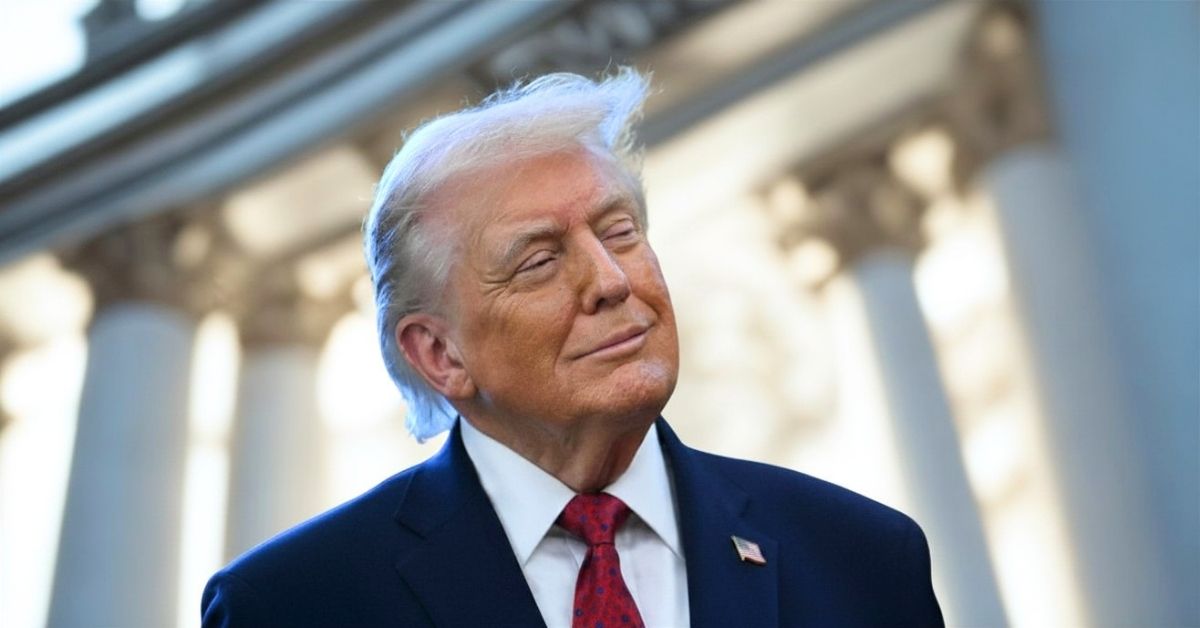
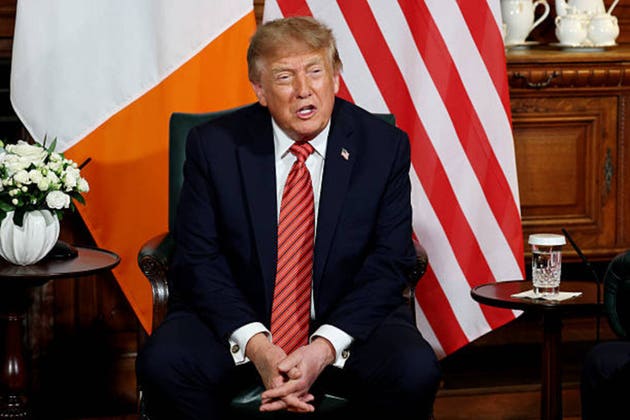
The policy uncertainty—Trump's public pressure campaign against the Fed combined with Warsh's independent rate-hiking stance—creates cash flow unpredictability. Consumer spending patterns show early weakness signals: the Dow dropped ~600 points on the announcement, and 10-year Treasury yields exceed 5%, signaling market concerns about fiscal sustainability. This typically precedes 2-4 week consumer spending slowdowns, particularly in discretionary categories (apparel, electronics, home goods). Sellers face a working capital squeeze: higher financing costs + stronger dollar on imports + potential demand softness = margin compression of 5-8% for import-dependent sellers in Q4 2026.
Payment processing costs also rise. Cross-border payment providers (Wise, Payoneer, OFX) increase spreads 15-25 basis points on USD/EUR, USD/GBP, and USD/CNY pairs as volatility increases. A seller converting €100K monthly revenue now loses an additional €150-250 to wider spreads. Immediate actions required: sellers must lock in FX rates for Q4 revenue, refinance inventory loans before rates climb further, and stress-test cash flow models assuming 10-15% demand softness in discretionary categories.
Questions 8
How much will my inventory financing costs increase after the Fed's 0.25% rate hike?
Inventory financing costs will increase 15-25% immediately for most sellers. If you have a $100K monthly inventory purchase financed at 9% APR, your monthly cost rises from $750 to $862-937. The Fed's September 16, 2026 rate increase to 3.75-4% triggers lenders to raise APRs by 50-100 basis points. Supply chain finance providers like Tradeshift and American Express are already adjusting rates upward. Smaller sellers (under $1M revenue) face steeper increases to 12-14% APR as risk premiums expand. Lock in financing rates immediately before they climb further—the Fed signals one more 0.25% increase before year-end.
Will the stronger U.S. dollar hurt my import costs from China and Vietnam?
Yes, significantly. Higher U.S. interest rates strengthen the dollar, making imports 8-12% more expensive in dollar terms. A $50K shipment from Shenzhen now costs $4,000-6,000 more. The Fed's rate hike to 3.75-4% accelerates this trend—investors shift capital to dollar-denominated assets, driving USD/CNY and USD/VND higher. This directly impacts your landed costs on electronics, apparel, and home goods sourced from Asia. Sellers should lock in FX rates for Q4 2026 purchases immediately using forward contracts or hedging instruments. Consider diversifying sourcing to nearshoring (Mexico, Vietnam) to reduce currency exposure.