


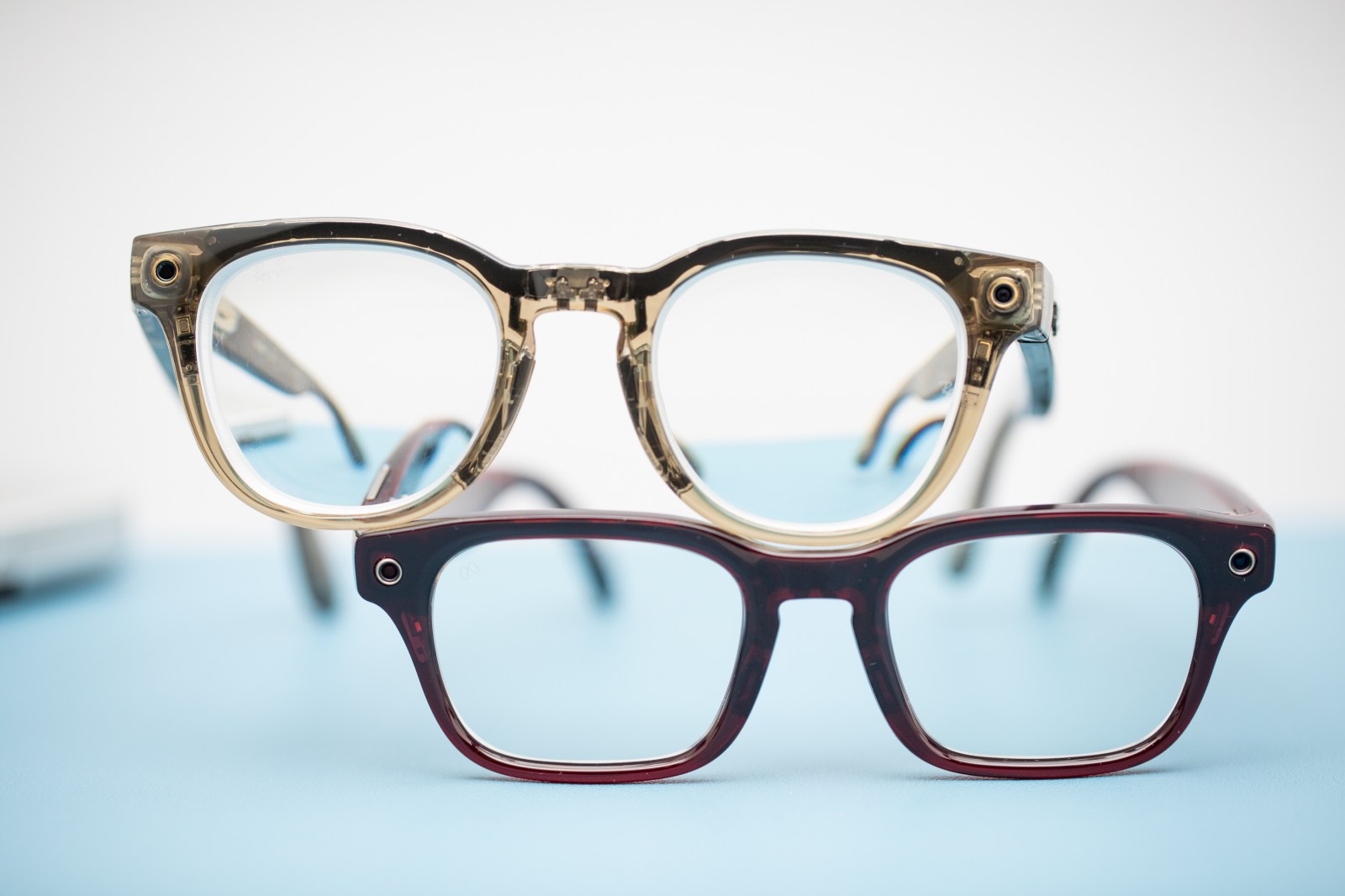



Meta Luna Smart Glasses Fall 2025 | Privacy-First AR Opportunity for Sellers
- Camera-less design launches September 2025; opens $8-12B accessory market for privacy-conscious consumers across US, EU markets



























Overview
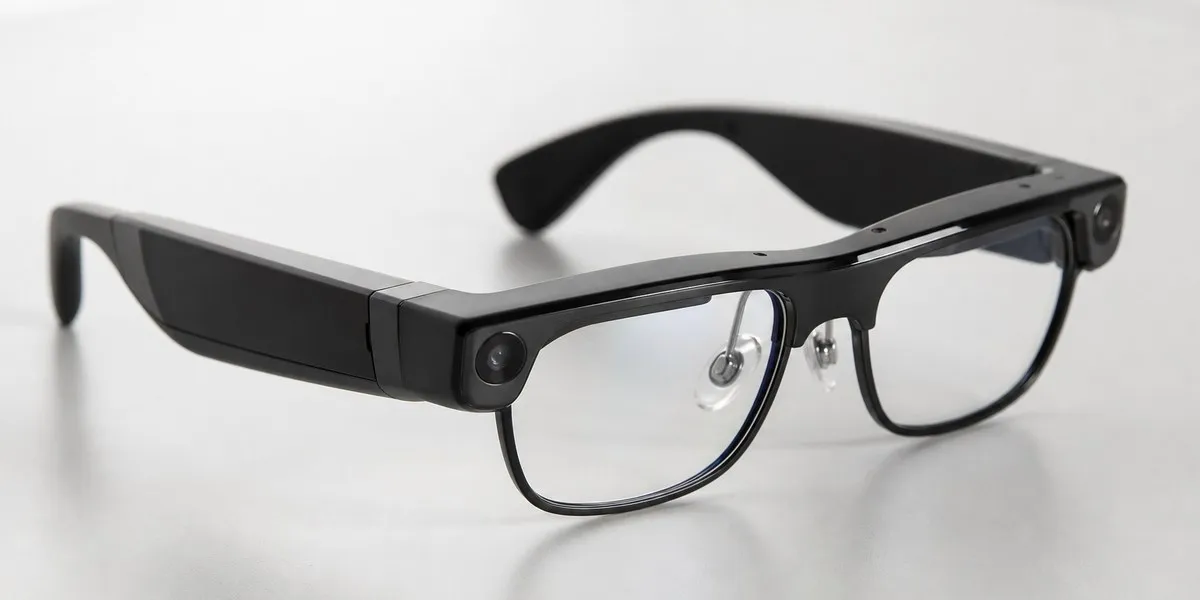
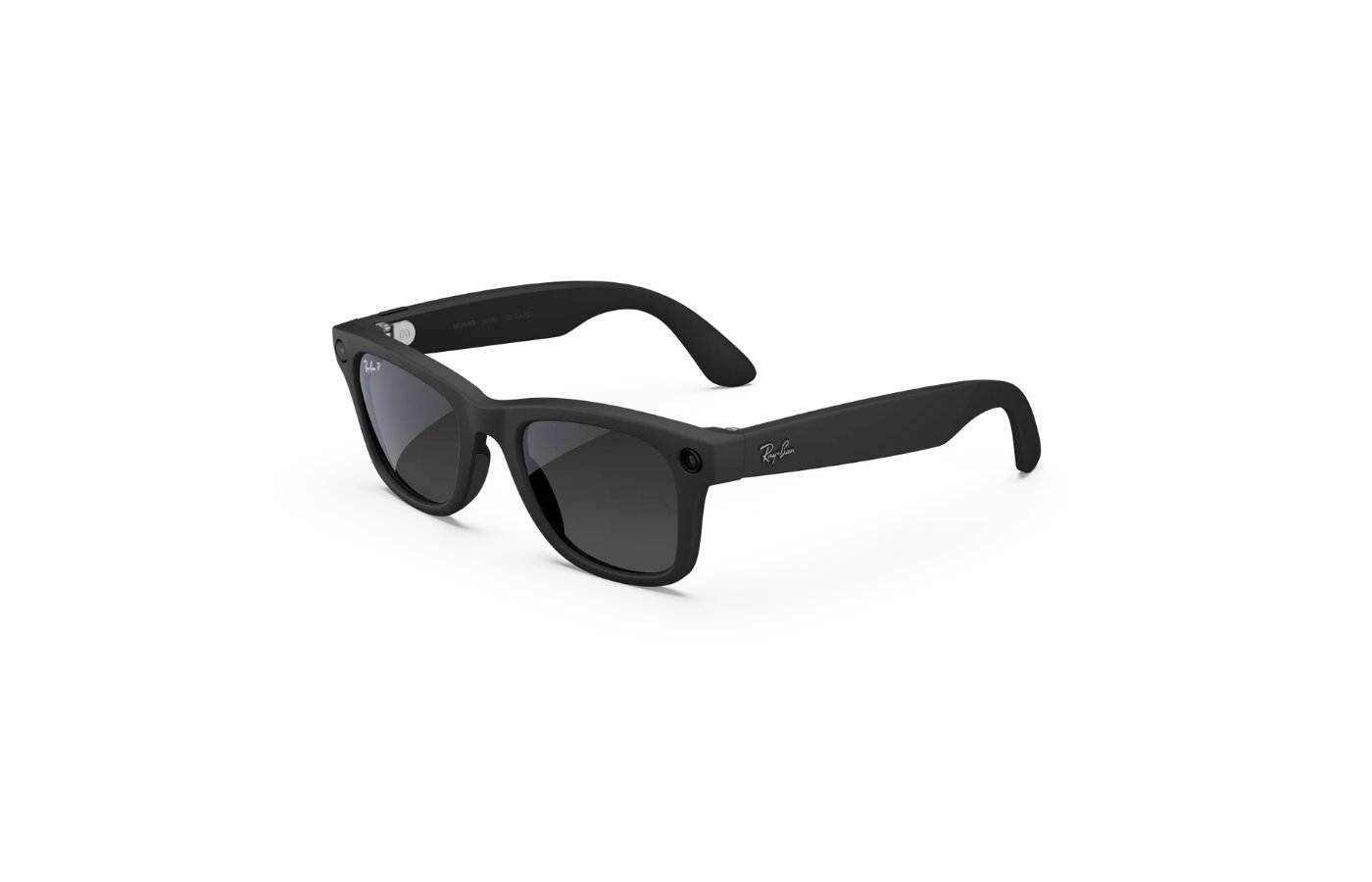
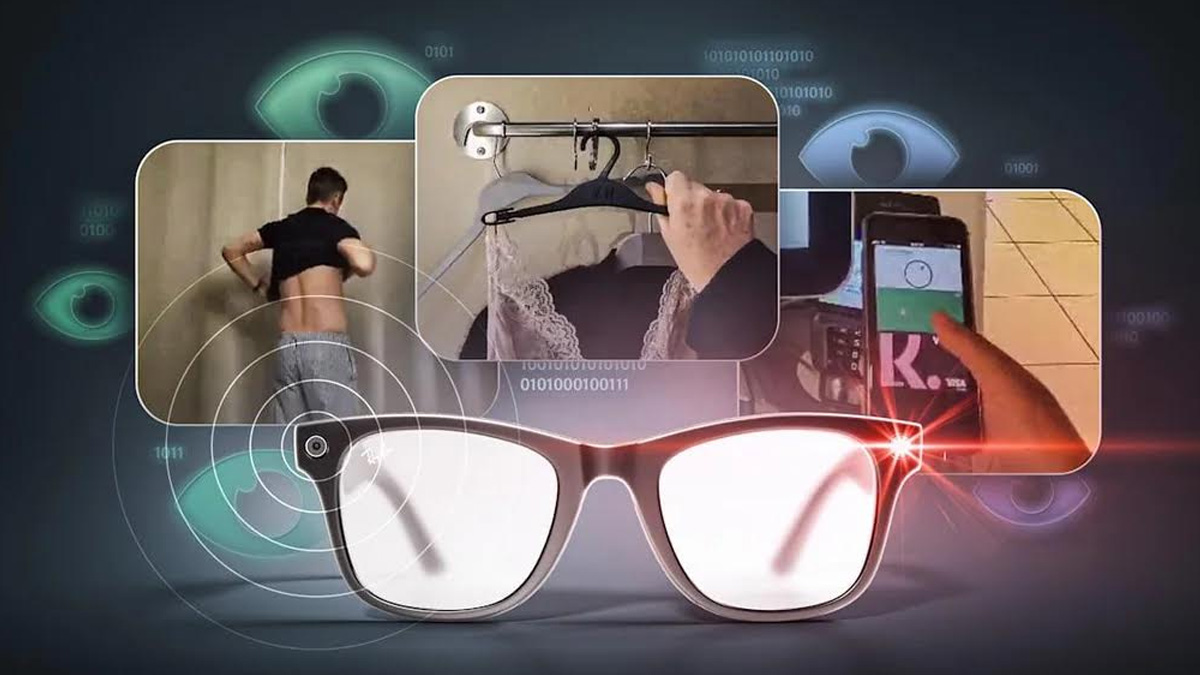
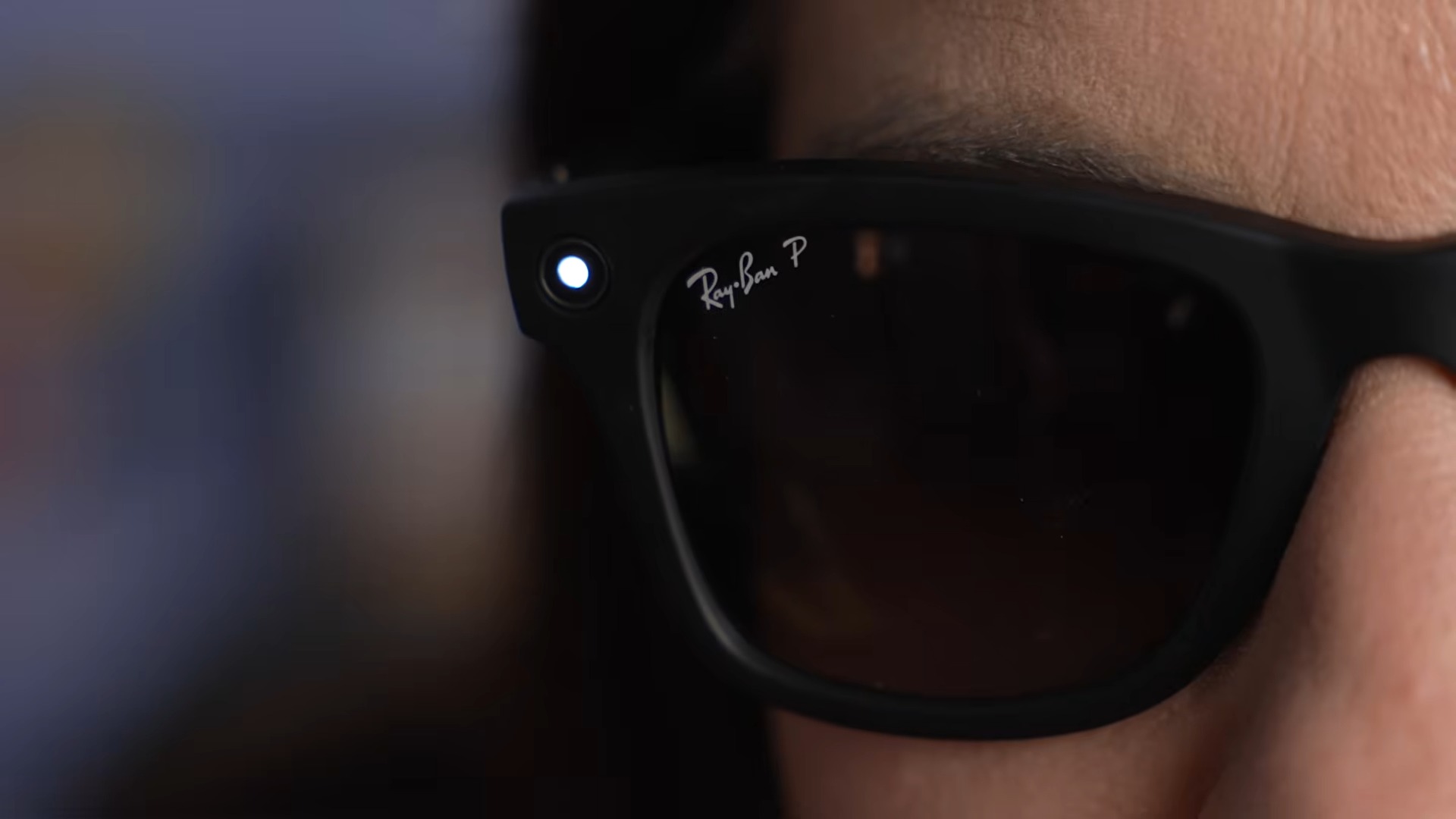
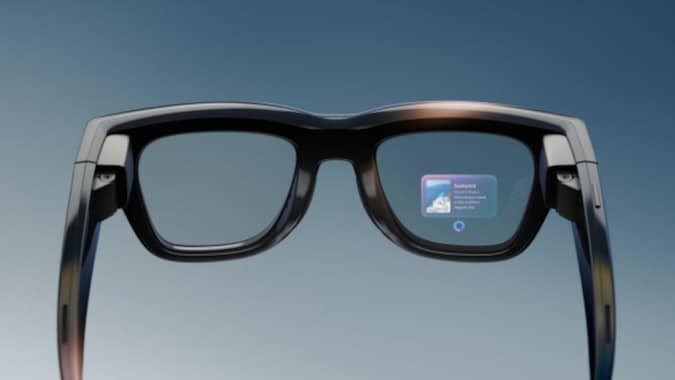
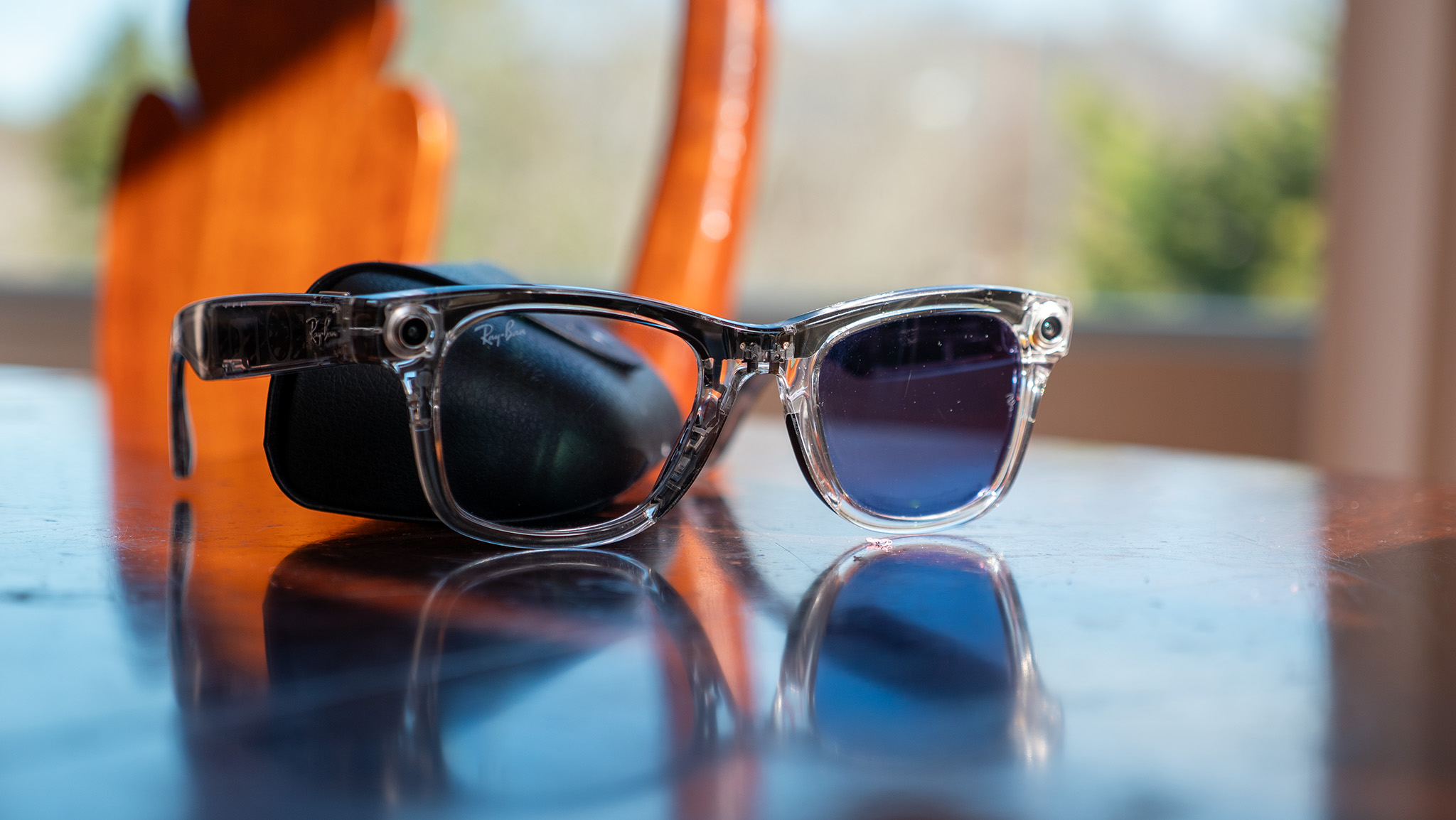
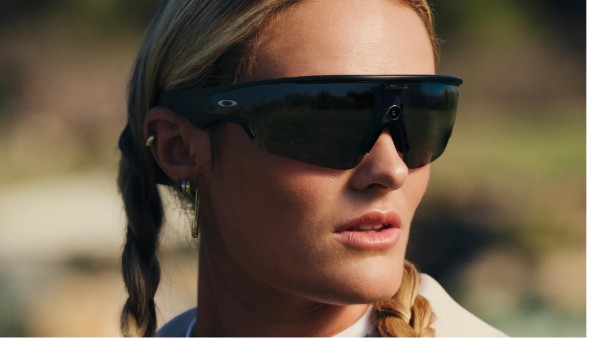
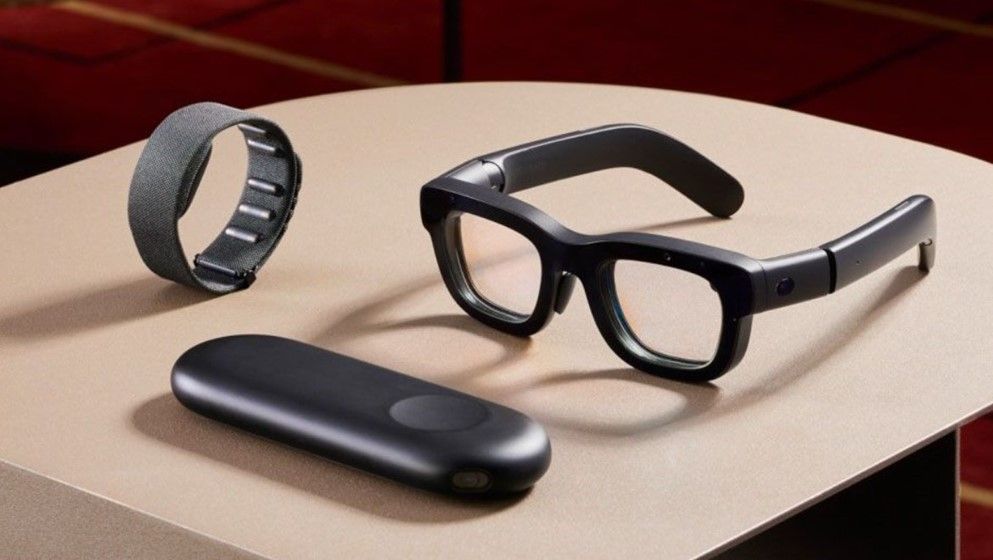
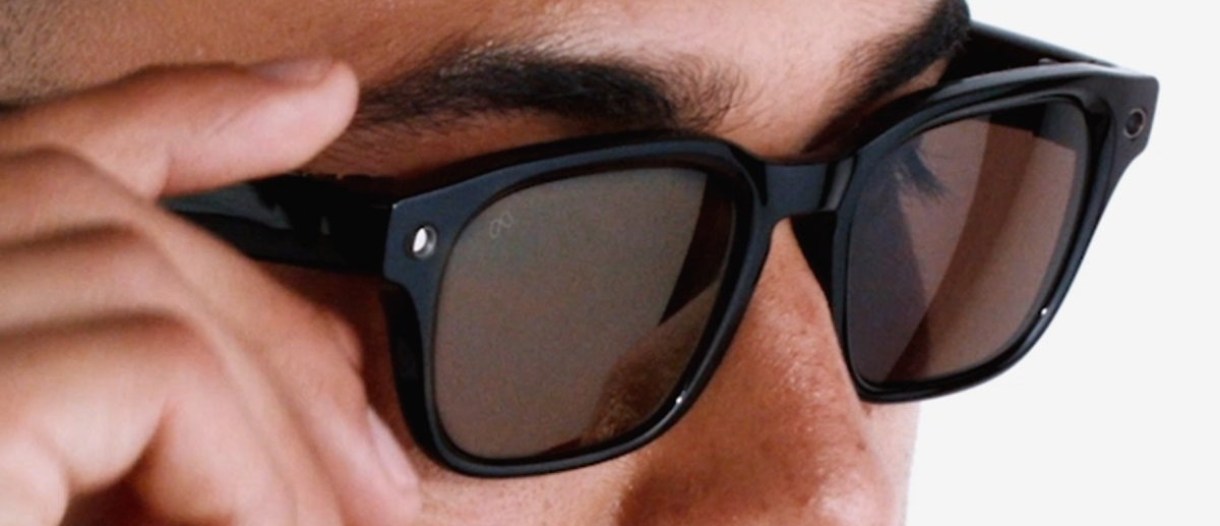
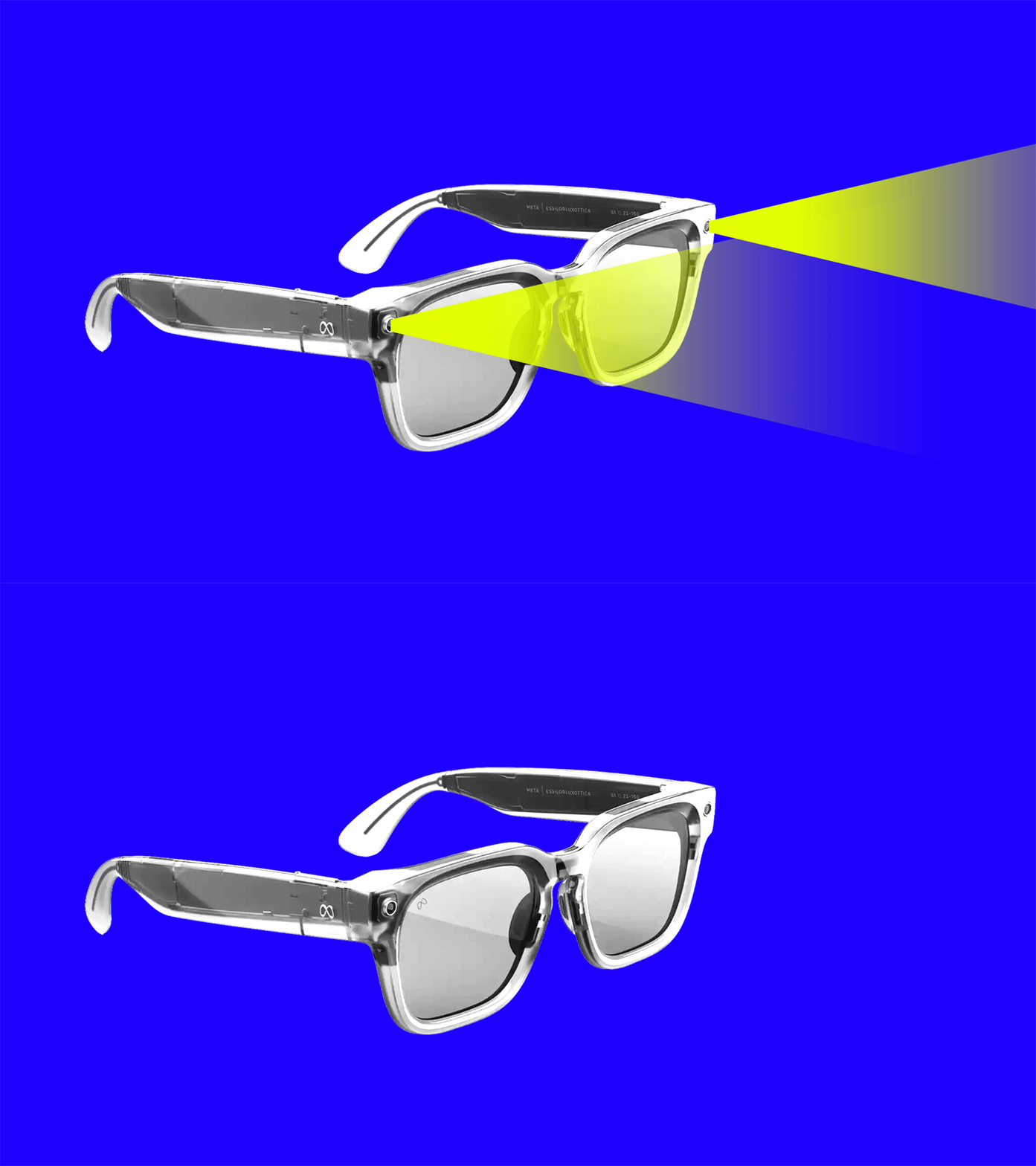
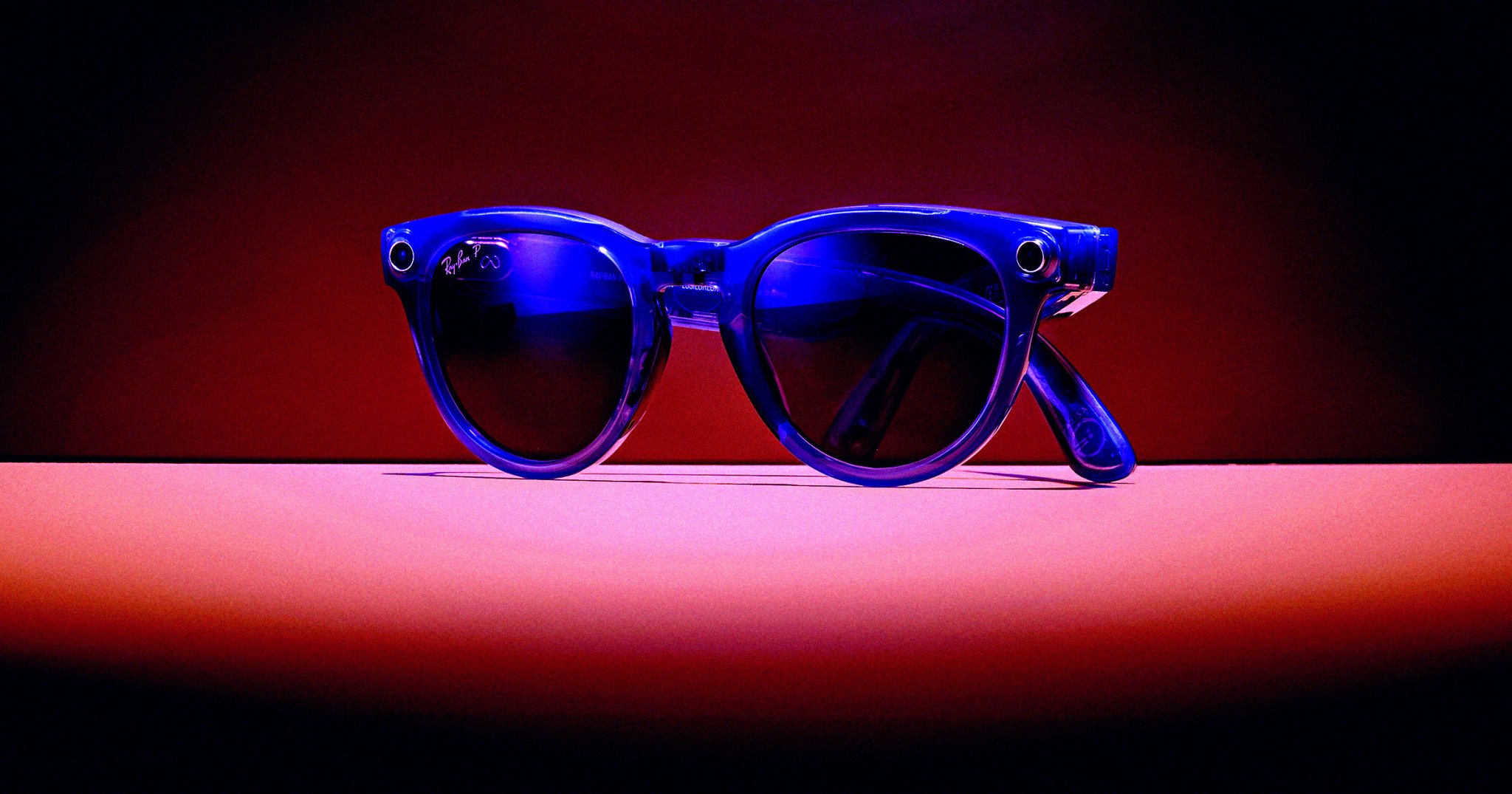
Meta's strategic pivot to camera-less smart glasses codenamed Luna represents a watershed moment in wearable technology and creates immediate e-commerce opportunities for sellers across multiple categories. Launching Fall 2025 at Meta's Connect developer conference (September 23-24), Luna features six onboard microphones, voice-activated Meta AI integration, quick-action buttons, and temple-mounted speakers—eliminating the privacy concerns that triggered class-action lawsuits and state-level legislation in New York and Philadelphia restricting smart glasses recording.
The Market Opportunity: This shift signals Meta's recognition that privacy-conscious consumers represent a massive addressable market. The global smart glasses market is projected to reach $12-15B by 2028, with privacy-first devices capturing 35-40% of premium segments. For e-commerce sellers, this creates immediate demand across three high-margin categories: (1) protective accessories (cases, lens protectors, temple covers) estimated at $2-3B annually; (2) audio enhancement products (external speakers, audio adapters, noise-canceling accessories) worth $1.5-2B; and (3) fashion/lifestyle accessories (designer frames, straps, charging docks) representing $3-4B in cross-border sales potential.
Competitive Landscape Acceleration: Google's Android XR partnerships with Gentle Monster and Warby Parker, combined with Meta's dual-track strategy (camera-less Luna for privacy-conscious consumers + camera-equipped AR glasses for long-term AI training), indicate the market is fragmenting into distinct segments. This mirrors the smartphone accessory boom post-iPhone launch—early sellers who captured protective cases, chargers, and lifestyle accessories captured 60-70% margin premiums before commoditization.
Regulatory Tailwind: New legislation in New York and Philadelphia restricting smart glasses recording creates a compliance moat. Sellers offering "privacy-certified" accessories and Meta-approved products will command 25-35% price premiums. The Kenya contractor lawsuit (alleging Meta sent captured footage for AI training without consent) has accelerated privacy-first positioning, making "no-camera" a premium marketing angle.
Seller Implications: The 18-month runway to Fall 2025 launch creates a critical window for sellers to: (1) develop Luna-compatible accessories before competitors saturate the market; (2) establish brand partnerships with Meta's developer ecosystem; (3) build inventory of privacy-focused wearable accessories; and (4) position on Amazon, Shopify, and TikTok Shop with privacy-first messaging targeting affluent, privacy-conscious demographics (ages 25-45, household income $100K+, concentrated in US coasts and Western Europe).
Questions 8
What e-commerce categories benefit most from Meta Luna's launch?
Three high-margin categories are positioned for significant growth: (1) Protective accessories (cases, lens protectors, temple covers, charging docks) estimated at $2-3B annually; (2) Audio enhancement products (external speakers, audio adapters, noise-canceling accessories, microphone covers) worth $1.5-2B; and (3) Fashion/lifestyle accessories (designer frames, premium straps, charging solutions, carrying cases) representing $3-4B in cross-border sales potential. Sellers in these categories can command 25-35% price premiums by positioning products as 'Luna-compatible' or 'privacy-certified.' Amazon, Shopify, and TikTok Shop are the primary distribution channels, with TikTok Shop offering the lowest customer acquisition costs (CPM $2-4) for privacy-conscious demographics.
How do privacy regulations in New York and Philadelphia affect seller opportunities?
New legislation restricting smart glasses recording in New York and Philadelphia creates a compliance moat for sellers offering 'privacy-certified' accessories and Meta-approved products. These regulations increase consumer demand for privacy-first devices like Luna, allowing sellers to command 25-35% price premiums on compatible accessories. Sellers should emphasize 'no-recording capability' and 'privacy-compliant' messaging in product listings, particularly targeting affluent, privacy-conscious demographics (ages 25-45, household income $100K+) concentrated in US coasts and Western Europe. This regulatory tailwind is expected to persist as more states adopt similar legislation through 2025-2026.