

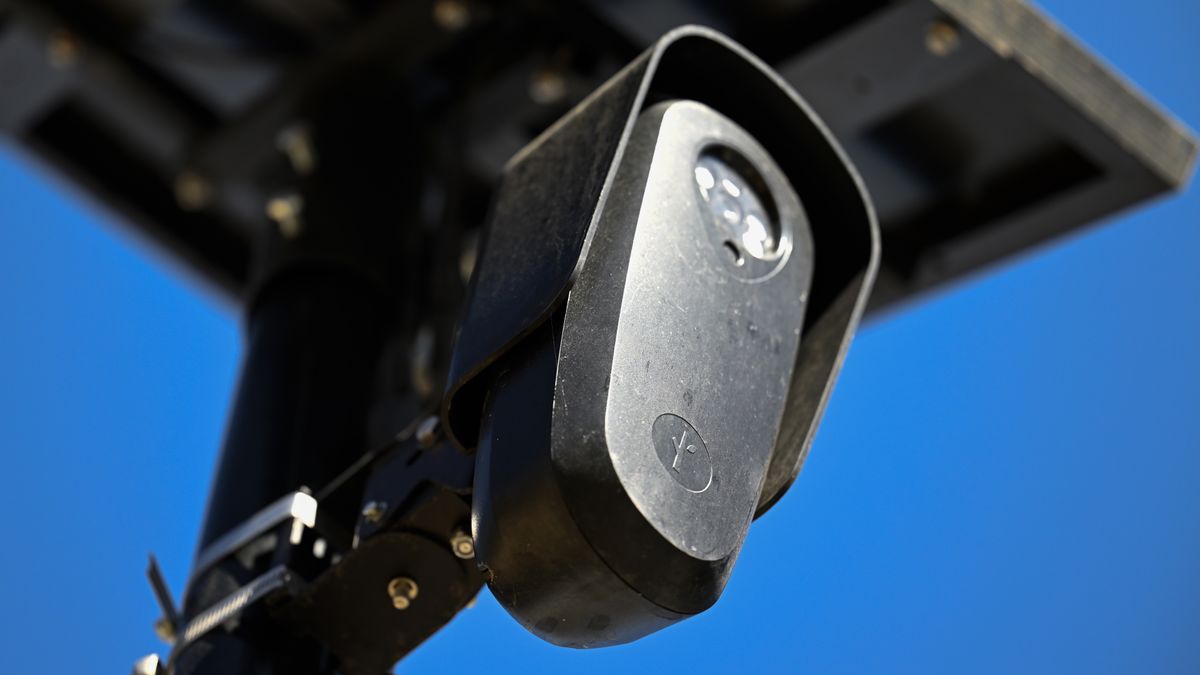



Flock Camera Breach Exposes ALPR Vulnerabilities | Compliance & Data Security Implications for Sellers
- Hacker breach reveals encryption weaknesses in automated license plate readers; regulatory backlash (Flock-Off Act) threatens surveillance tech market; sellers face new data protection compliance requirements for logistics and vehicle tracking systems

Overview
The Flock Safety camera breach by hacker collective stegan0gram has exposed critical vulnerabilities in automated license plate reader (ALPR) systems, with direct implications for e-commerce sellers managing logistics, fleet operations, and customer data protection. The breach—which extracted 1.6 million images of 50,000 vehicles over 21 days and recovered encryption keys—demonstrates that Flock's claimed on-device encryption provides insufficient protection, contradicting the company's security claims. This incident occurs amid escalating regulatory pressure: Representative Thomas Massie introduced the "Flock-Off Act" to restrict federal funding for ALPR and biometric surveillance cameras, while Florida Governor Ron DeSantis warned against becoming a "digital AI surveillance state."
For cross-border sellers, this breach creates three immediate compliance vectors. First, logistics providers and 3PL operators using ALPR-based vehicle tracking systems now face heightened scrutiny around data protection standards. The breach reveals that vehicle metadata (license plates, make/model, color, bumper stickers, even identifying patches) can be extracted from supposedly secure systems—a critical concern for sellers using fleet management software that integrates with surveillance infrastructure. Sellers shipping high-value goods via dedicated logistics must audit their 3PL partners' data security practices, as regulatory bodies may impose stricter requirements on vehicle tracking systems used in commerce. Second, data privacy compliance costs are rising. The breach demonstrates that encryption alone is insufficient; sellers will need to implement multi-layered security protocols (physical tamper-detection, encrypted storage with key rotation, audit logging) to meet emerging standards. This increases operational costs for sellers managing their own logistics or relying on tech-enabled fulfillment networks. Third, regulatory fragmentation is accelerating. Some municipalities have already discontinued Flock services entirely, while others deploy decoy 3D-printed camera casings to catch vandals—signaling that ALPR regulation will vary by jurisdiction. Sellers operating in multiple states must prepare for inconsistent compliance requirements around vehicle tracking and location data collection.
The competitive opportunity lies in compliance-driven service gaps. The breach has exposed demand for secure vehicle tracking alternatives that don't rely on ALPR infrastructure. Sellers managing logistics can differentiate by adopting GPS-based fleet tracking with stronger encryption standards, or by partnering with 3PL providers certified under emerging data protection frameworks (similar to GDPR compliance certifications). Additionally, the political controversy surrounding surveillance technology—with Trump supporting Flock while DeSantis and Massie oppose it—suggests that privacy-first logistics solutions will become a competitive advantage in politically divided markets. Sellers can market their fulfillment operations as "privacy-compliant" or "non-surveillance-dependent" to appeal to privacy-conscious consumers and jurisdictions implementing stricter regulations. The Flock-Off Act, if passed, would eliminate federal funding for ALPR systems, forcing municipalities to seek alternative vehicle identification methods—creating opportunities for sellers offering encrypted, decentralized tracking solutions or blockchain-based logistics verification systems.
Questions 7
What is the Flock-Off Act and how will it impact seller logistics compliance?
Representative Thomas Massie introduced the Flock-Off Act to restrict federal funding for automated license plate readers and biometric surveillance cameras. If passed, this legislation would eliminate government subsidies for ALPR infrastructure, forcing municipalities to adopt alternative vehicle identification methods. For sellers, this means logistics providers may need to transition away from ALPR-dependent tracking systems, potentially increasing compliance costs in the short term. Sellers should monitor the Act's progress and prepare contingency plans with 3PL partners for non-ALPR-based fleet tracking solutions, such as GPS-only or blockchain-based vehicle verification systems.
What data protection standards should sellers require from logistics partners after this breach?
Following the breach, sellers should require 3PL partners to meet SOC 2 Type II certification (covering security, availability, and confidentiality controls) and implement NIST SP 800-153 encryption key management standards. The breach revealed that Flock's system captured detailed metadata (license plates, vehicle make/model, color, identifying patches), so sellers must ensure logistics partners have policies limiting data collection to operational necessity only. Additionally, sellers should require written incident response plans, regular penetration testing, and encryption key rotation schedules. For international sellers, EU-based 3PLs must comply with GDPR Article 32 (security of processing) requirements.