

Nothing Phone 4b Strategy Drives 2x Sales | Smartphone Rebranding Lessons for Sellers
- Nothing Phone 4b exceeds sales targets by 100%, revealing consumer demand for affordable flagship features despite rebranding confusion and rising component costs


Overview
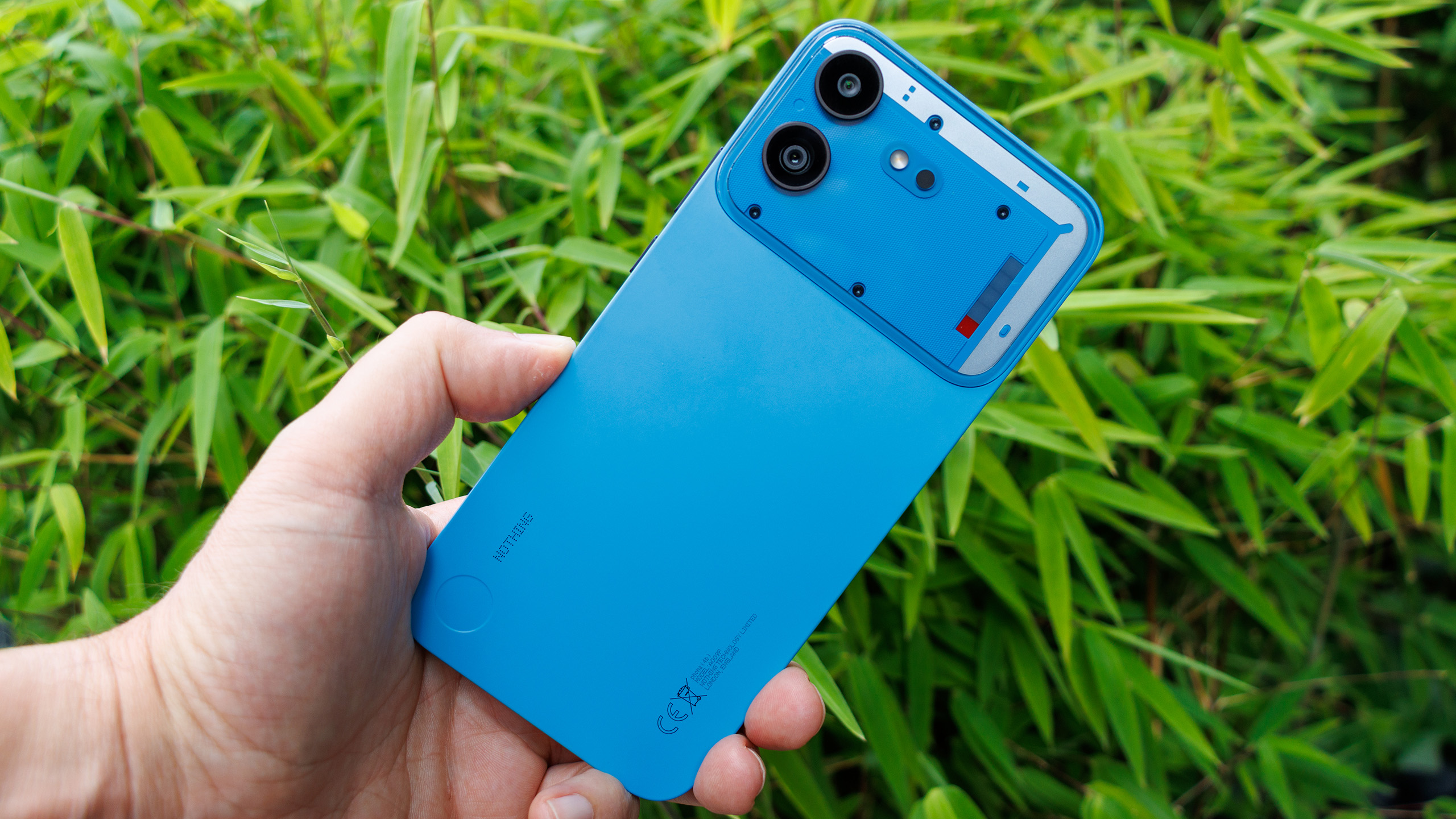
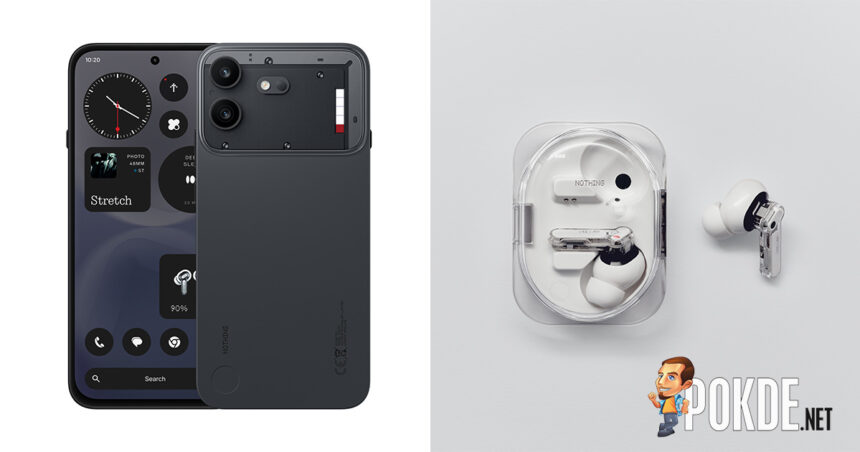
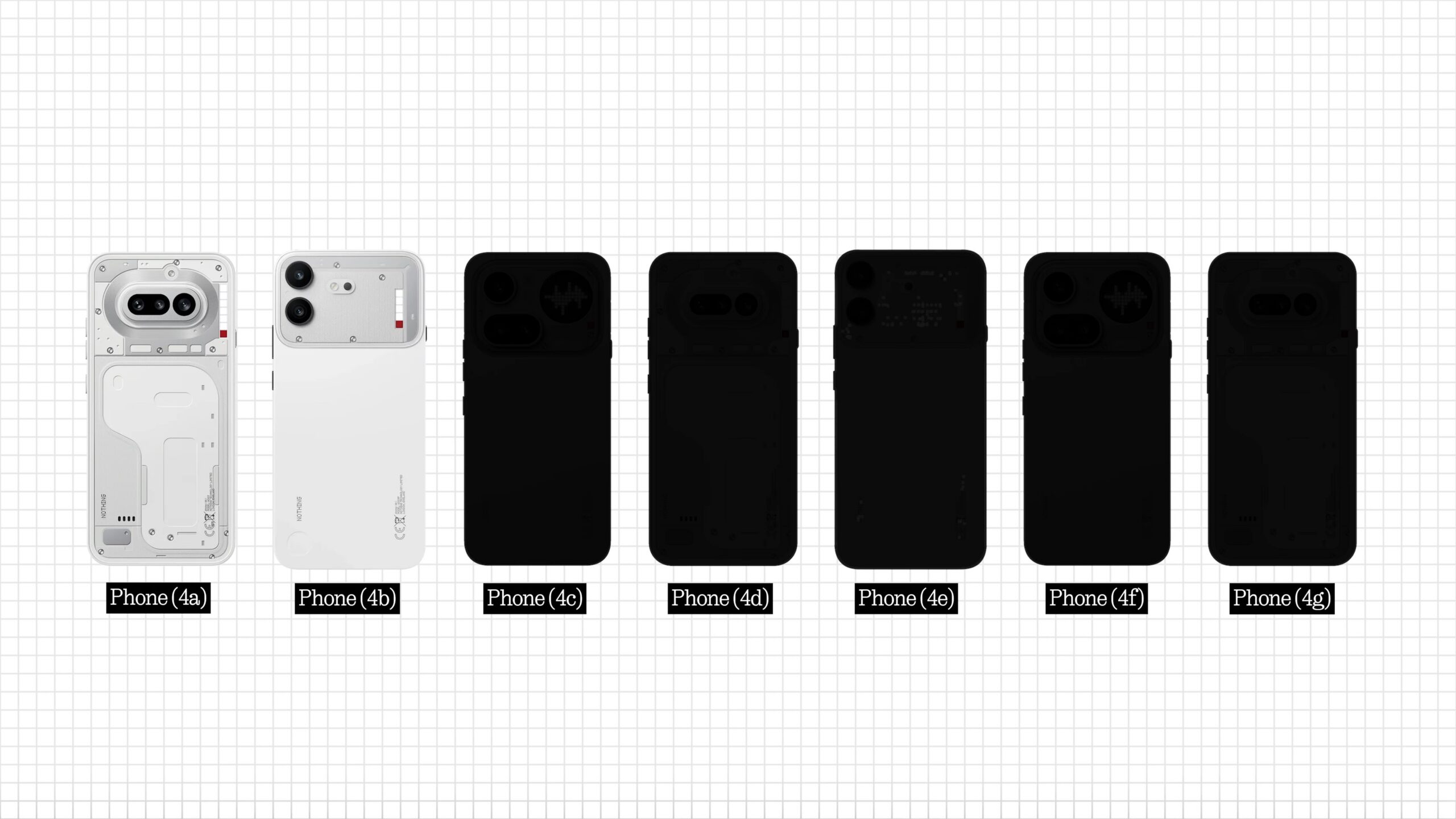
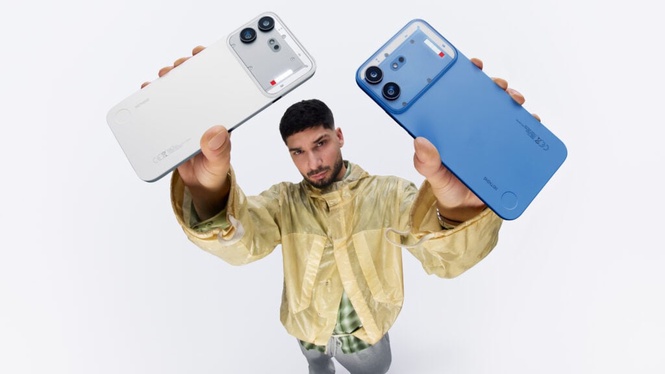
Nothing's Phone 4b launch represents a critical case study in product positioning strategy and consumer psychology that directly impacts smartphone accessory sellers, electronics retailers, and brand-building strategies across e-commerce platforms. CEO Carl Pei's clarification that the Phone 4b is a legitimate successor to the Phone 3a Lite—not a rebranded CMF device—addresses community skepticism while revealing deeper market dynamics affecting electronics sellers globally.
The core insight: Despite polarizing design choices and significant rebranding confusion, the Phone 4b achieved approximately double Nothing's internal sales targets, demonstrating that consumers prioritize affordable flagship features over brand clarity. This success occurred amid escalating industry costs, particularly rising memory prices, which forced Nothing to maintain accessible entry-level pricing while protecting margins—a constraint directly mirroring challenges faced by electronics sellers on Amazon, eBay, and Shopify.
For electronics sellers, this trend signals three critical opportunities: First, the "b" nomenclature strategy—positioning entry-level devices beneath standard numbered series—proves effective for reducing consumer confusion while expanding addressable markets. Sellers can replicate this naming convention for their own product lines, particularly in competitive categories like smartphone accessories, cases, and chargers where clear tier differentiation drives conversion rates. Second, the 2x sales performance despite community controversy indicates that transparent communication about product origins and positioning (as Pei demonstrated via YouTube) builds trust and drives purchase intent, even when initial messaging creates skepticism. Third, rising component costs forcing margin compression is reshaping the entire smartphone ecosystem, creating opportunities for sellers of refurbished devices, compatible accessories, and value-tier alternatives.
Platform-specific implications: On Amazon, the Phone 4b's success suggests that budget-conscious consumers (typically price-sensitive segments with high search volume for "affordable flagship phones" and "budget smartphone deals") respond well to clear positioning and transparent brand communication. Sellers should optimize listings with explicit tier positioning, cost-benefit comparisons, and community-addressing content. On TikTok and YouTube, the rebranding controversy itself became marketing content—Pei's reaction video generated engagement precisely because it addressed community concerns directly. Sellers can leverage similar transparency-driven content strategies to convert skeptical audiences.
The broader market signal: Nothing's ability to exceed sales targets despite rebranding confusion suggests that the smartphone market is bifurcating into premium flagship and accessible entry-level segments, with consumers increasingly willing to trade brand prestige for feature parity. This creates opportunities for sellers of compatible accessories, protective cases, screen protectors, and charging solutions targeting the Phone 4b's price-conscious demographic—a segment that typically shows high attachment rate potential on e-commerce platforms.
Questions 7
Why did Nothing rebrand the Phone 4a Lite to Phone 4b despite community confusion?
Nothing CEO Carl Pei clarified that the 'b' designation was chosen to reduce consumer confusion as the company expanded its product portfolio, rather than launching a Phone 4a Lite. The rebranding decision was driven by escalating industry costs, particularly rising memory prices, which forced Nothing to maintain an accessible entry-level price point while managing margins. Pei emphasized that the 'b' nomenclature represents an entry point positioned beneath the standard numbered series, addressing market positioning concerns. This strategy proved effective—the Phone 4b achieved approximately double Nothing's internal sales targets despite initial skepticism. For sellers, this demonstrates that clear tier positioning can overcome naming confusion and drive conversion rates in competitive electronics categories.
How can sellers replicate Nothing's naming convention strategy for their own products?
Nothing's 'b' tier positioning—placing entry-level devices beneath standard numbered series—proved effective for reducing confusion while expanding addressable markets. Sellers can replicate this approach by implementing clear tier differentiation in product naming conventions, particularly in competitive categories like electronics and accessories. Use explicit positioning language in titles and descriptions (e.g., 'Entry-Level,' 'Value Tier,' 'Budget-Friendly') rather than ambiguous designations. Combine naming clarity with transparent communication about product origins, specifications, and positioning—similar to how Pei's YouTube video addressed community concerns directly. On Amazon and Shopify, this strategy can improve conversion rates by helping price-sensitive consumers quickly identify products matching their budget and feature requirements.