

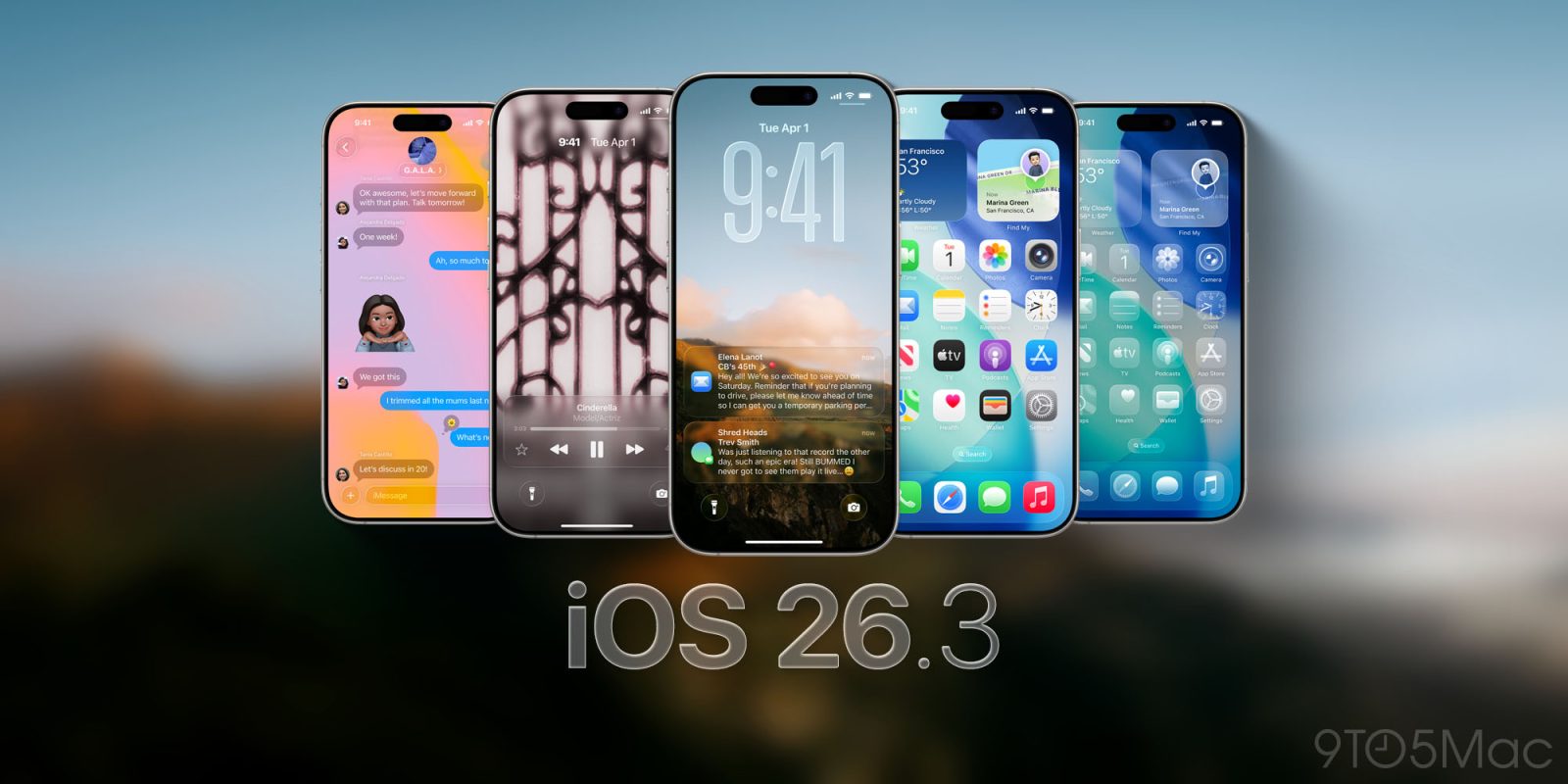
Apple's iOS Evolution: Breaking Platform Barriers and Redefining User Experience
- Strategic Shifts in Mobile Ecosystem Reveal Deeper Transformation for Global Tech Sellers













Overview
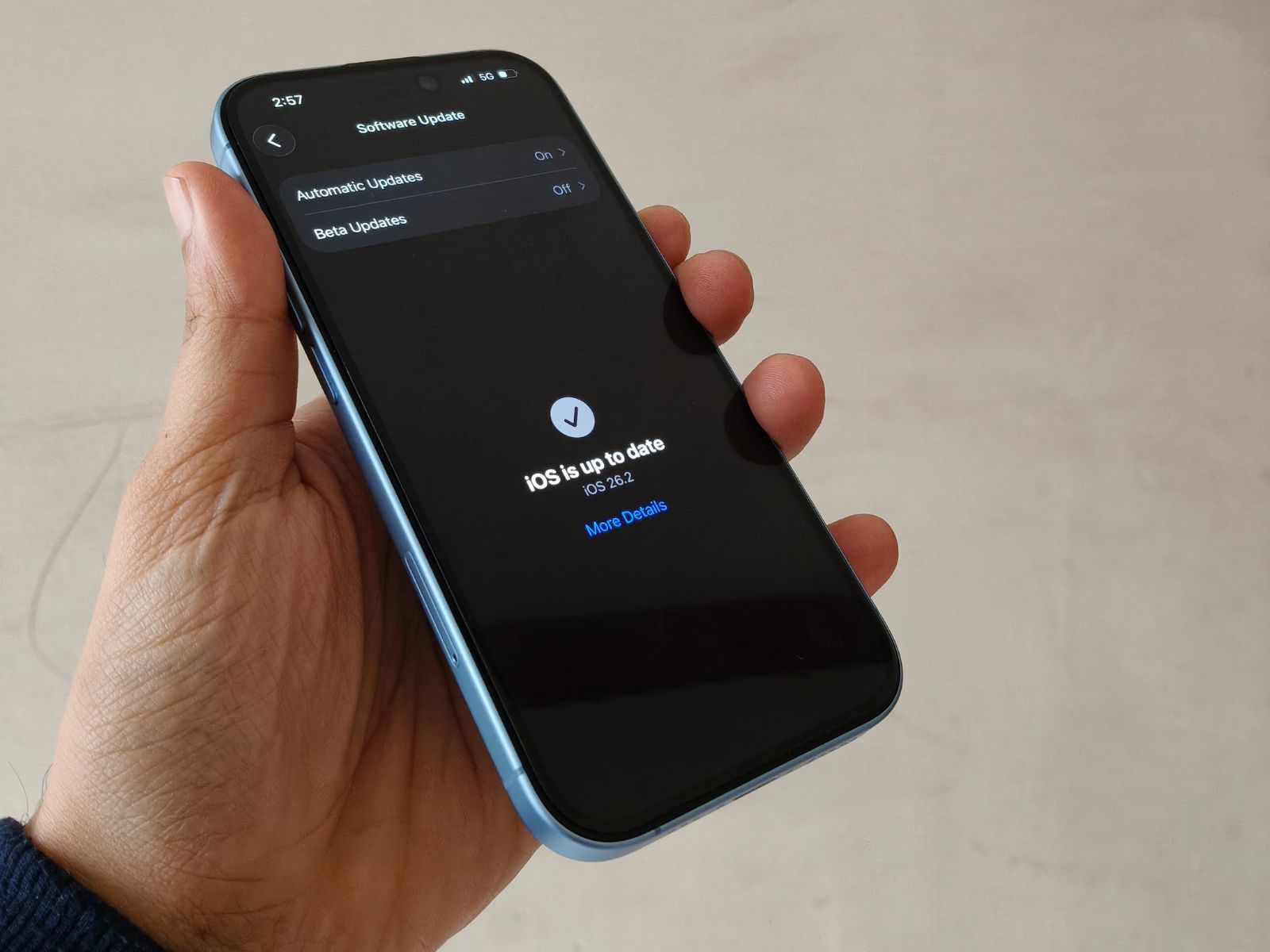
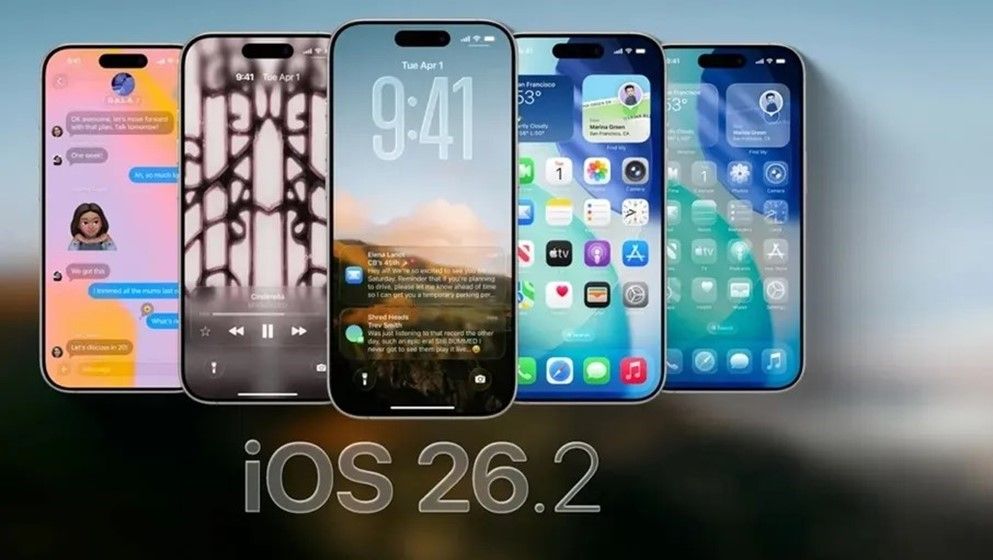
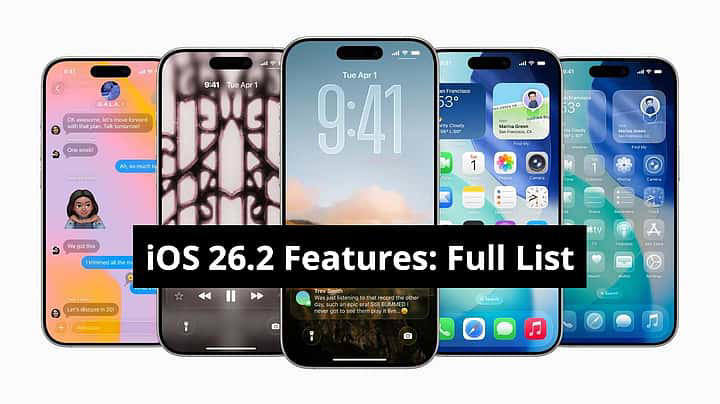
Apple's recent iOS updates signal a profound transformation in mobile technology strategy, moving beyond incremental improvements to fundamentally reimagine platform interactions and accessibility. The iOS 26.2 and 26.3 releases represent a strategic pivot that goes far deeper than typical software updates—they're a calculated response to regulatory pressures, user diversity, and the changing global tech landscape.
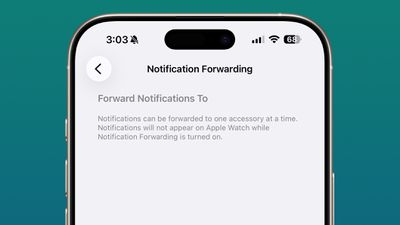
At the core of this transformation is platform interoperability. The collaboration between Apple and Google to simplify device switching marks a radical departure from Apple's traditionally closed ecosystem. By introducing enhanced Android-to-iPhone migration tools and notification forwarding capabilities, Apple is essentially dismantling the walls that once defined its platform strategy. This isn't just a technical update; it's a geopolitical and economic recalibration driven by European Union regulations that demand more open, user-centric technology environments.
The accessibility features, like the expanded Flash for Alerts setting, reveal another critical dimension of this strategy. By providing more granular notification customization—allowing users to choose between rear camera flash, screen flash, or both—Apple is demonstrating a commitment to inclusive design. This approach goes beyond compliance, transforming technological accessibility from a niche consideration to a core product design principle.
For cross-border technology sellers, these updates represent both a challenge and an unprecedented opportunity. The emerging cross-platform compatibility suggests that traditional platform-specific strategies are becoming obsolete. Sellers must now think in terms of fluid, adaptable experiences that can seamlessly transition between ecosystems. The incremental beta releases, particularly the upcoming iOS 26.4 with its anticipated Siri upgrades, indicate that Apple is methodically preparing for a more interconnected, user-empowered technological future.
The strategic implications are clear: platform boundaries are dissolving. Technology companies are no longer competing through isolation, but through the quality of user experience and the ability to integrate seamlessly across different devices and user needs. For sellers, this means investing in cross-platform compatibility, understanding nuanced user accessibility requirements, and viewing technological innovation through a lens of global inclusivity.
Questions 3
Why is Apple collaborating with Google on platform compatibility?
Driven by EU regulatory requirements and changing global tech dynamics, Apple is proactively reducing platform friction. By simplifying device migration and notification sharing, they're creating a more flexible ecosystem that prioritizes user choice over proprietary restrictions.
How do these iOS updates impact cross-border e-commerce sellers?
The new cross-platform features require sellers to develop more flexible, ecosystem-agnostic strategies. They'll need to ensure their mobile experiences work seamlessly across iOS and Android, focusing on universal design principles that transcend traditional platform limitations.