



Airline Capacity Cuts & Fuel Surge Drive 15-25% Air Freight Rate Hikes | Cross-Border Sellers Face Q4 Logistics Crisis
- American, United, Southwest cut 2026 capacity 40-50% amid $1B+ fuel costs; air freight rates spike 15-25% through 2027, forcing sellers to shift to ocean freight or absorb 8-12% margin compression





















Overview
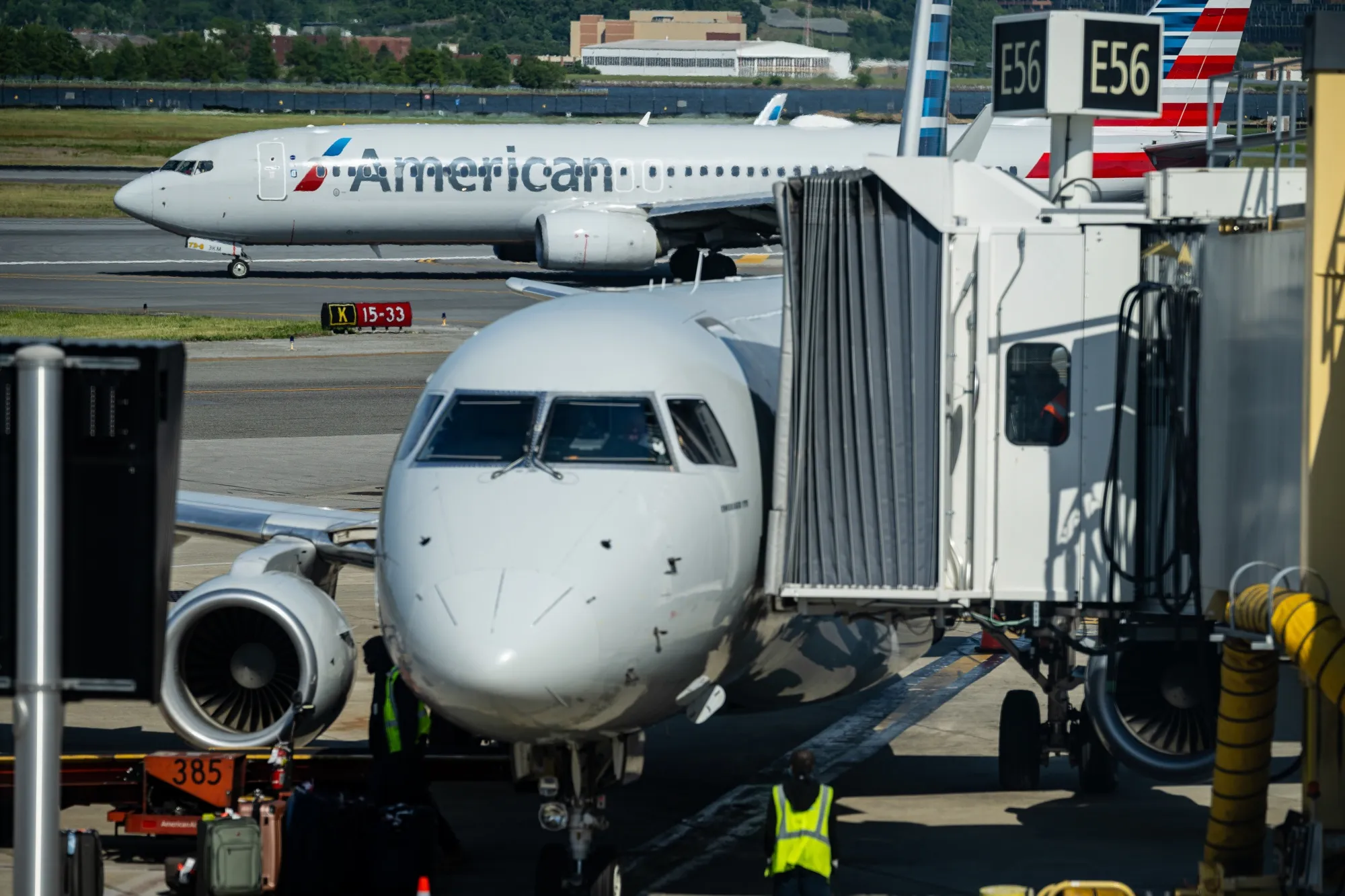
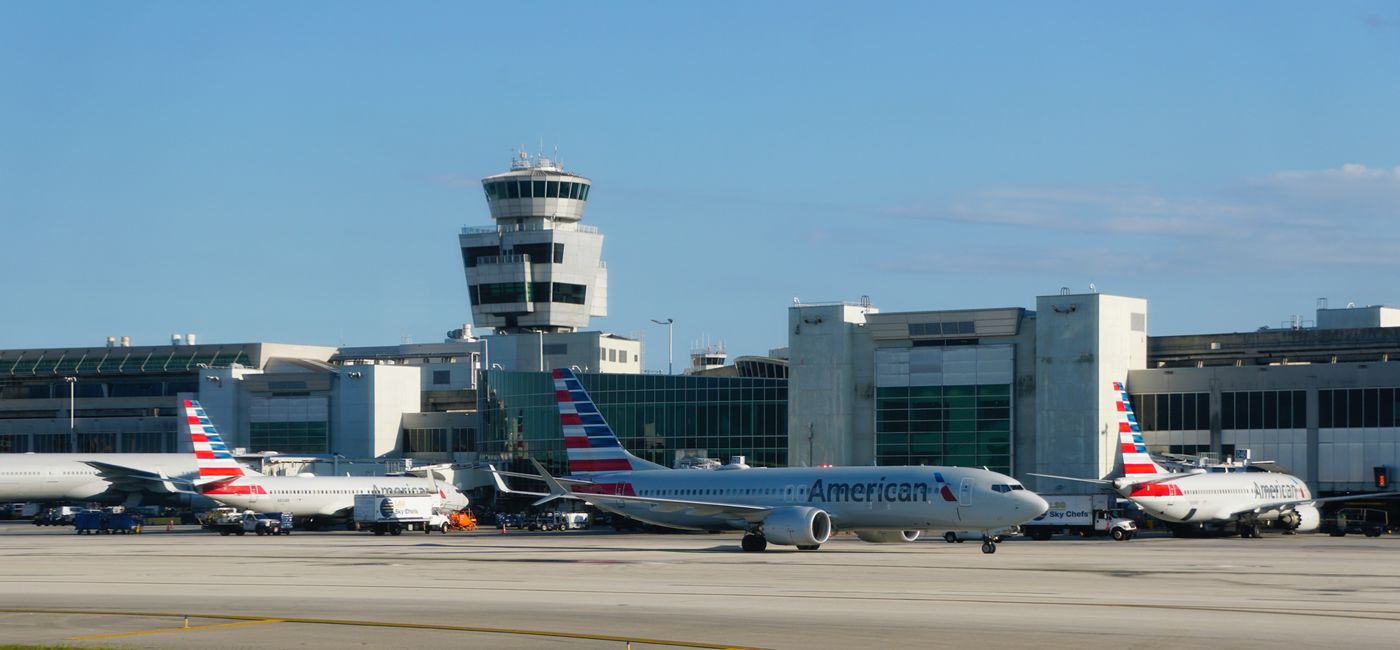
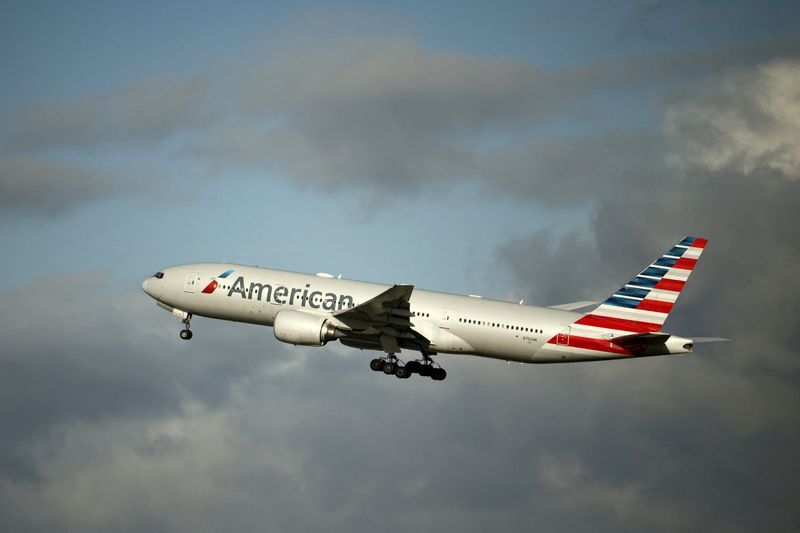
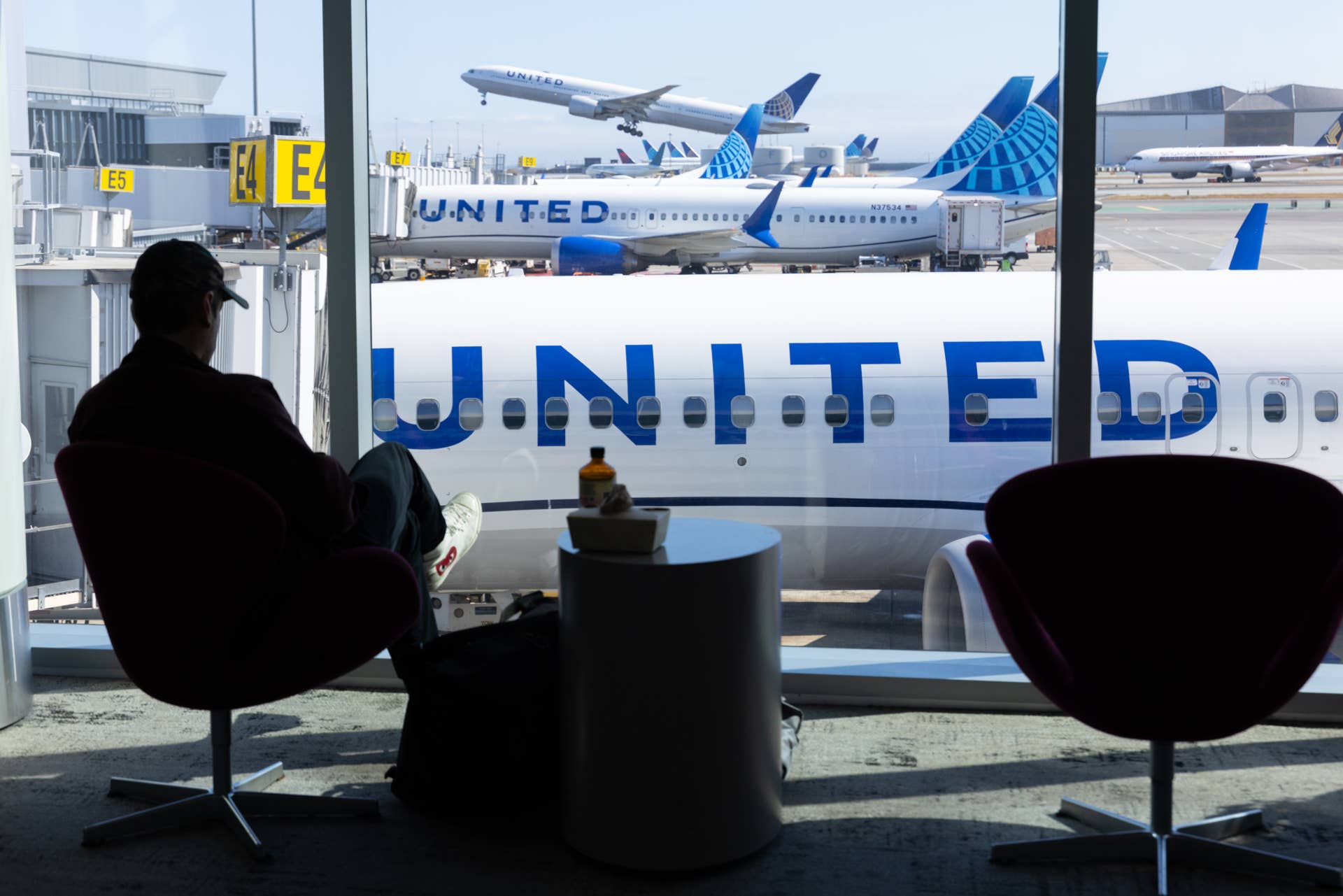
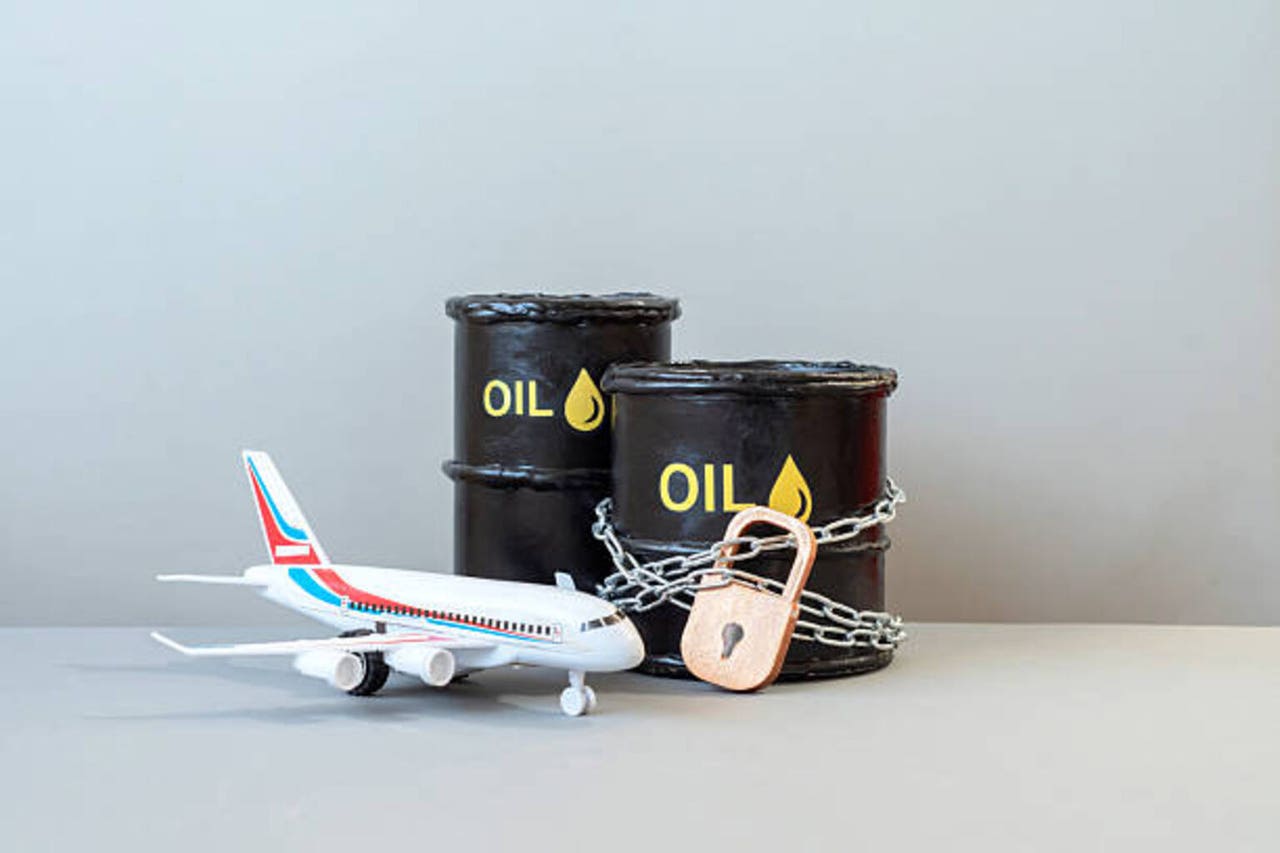
Major U.S. carriers American, United, and Southwest announced significant capacity reductions in Q4 2026 and beyond, directly impacting cross-border e-commerce logistics costs. American Airlines reported a $1 billion fourth-quarter fuel-cost impact alone, with fuel prices rising approximately $1 per gallon from July projections—each 1-cent fuel movement affects American's quarterly costs by roughly $10 million. United Airlines is canceling select December flights and signaled potential further adjustments through 2027, while Southwest cut its planned 2026 capacity growth roughly in half, from 2-3% to approximately 1-1.5%. This capacity contraction directly translates to reduced air cargo availability and higher freight rates for e-commerce sellers relying on expedited international shipping.
Air freight capacity constraints will force sellers to fundamentally restructure logistics strategies. Reduced airline capacity typically drives up air freight rates 15-25% for time-sensitive shipments of high-value goods, electronics, and perishables—the exact product categories that depend on air freight for competitive delivery times to Asia-Pacific and European markets. Sellers shipping to these regions face immediate cost pressures: a typical 500kg monthly shipment via air freight could see costs increase from $3,500-4,000 to $4,000-5,000+ per shipment. The capacity cuts extend through 2027, indicating this is not a temporary disruption but a structural shift in aviation economics. Sellers currently using air freight for 30-40% of international shipments must immediately evaluate alternatives, as airlines are prioritizing profitability over market share—meaning less-profitable routes and smaller shipments face cancellation or severe rate increases.
Strategic inventory repositioning and carrier diversification are now critical survival tactics. Sellers should immediately: (1) Negotiate long-term contracts with carriers before rates spike further—locking in rates for Q1-Q2 2027 shipments now; (2) Shift 40-60% of non-urgent inventory from air to ocean freight consolidation, accepting 15-25 day transit delays for margin preservation; (3) Reposition inventory to regional fulfillment centers closer to end markets (e.g., EU warehouses for European customers, Asia-Pacific hubs for APAC markets) to reduce air freight dependency; (4) Evaluate 3PL providers offering consolidated shipping solutions that bundle multiple sellers' cargo to negotiate better rates. Electronics, beauty, and apparel sellers shipping high-volume, lower-margin products face the greatest pressure—these categories typically operate on 20-30% margins and cannot absorb 8-12% logistics cost increases. Premium/luxury goods sellers have more flexibility to pass costs to consumers, but mass-market sellers must act immediately to avoid margin compression.
Questions 8
What is the total landed cost impact for sellers shipping from Asia to US/EU markets?
Total landed cost increases will range from 8-12% for sellers shipping from Asia to US/EU markets. Breaking down the impact: air freight rate increases of 15-25% affect approximately 30-40% of shipments (high-value/urgent products), translating to a 4.5-10% increase in total logistics costs; fuel surcharges add 2-3% additional cost; customs clearance delays from reduced capacity add 1-2% in holding costs. For a typical seller with $100,000 monthly landed costs, this represents an $8,000-12,000 monthly increase. Sellers can offset this through inventory repositioning (shift to ocean freight), regional fulfillment center positioning (reduce air freight dependency), and 3PL consolidation (negotiate volume discounts). The impact extends through 2027, requiring structural supply chain changes rather than temporary adjustments.
Should sellers shift sourcing from Asia to nearshoring regions like Mexico or Eastern Europe?
Nearshoring can reduce air freight dependency but involves trade-offs. Mexico and Eastern Europe offer lower logistics costs to US/EU markets (ocean freight from Mexico to US costs 40-50% less than Asia-to-US air freight), but manufacturing costs are typically 15-30% higher than Asia. For high-margin categories (electronics, beauty, apparel with 40%+ gross margins), nearshoring makes sense—the 15-30% higher manufacturing cost is offset by 30-40% logistics savings. For low-margin categories (home goods, basic apparel with 20-25% margins), nearshoring is not viable. Sellers should evaluate category-by-category: shift 20-30% of high-margin inventory to nearshoring, maintain 70-80% Asia sourcing for volume products, and use ocean freight consolidation for the remaining Asia inventory. This hybrid approach balances cost, speed, and margin preservation.