
Amazon's $1.5B Wage Hike & Whole Foods Integration | FBA Fulfillment Cost Pressures Ahead
- $20/hour minimum wage effective Sept 27, 2026 signals 5-8% FBA fulfillment cost increases; sellers must optimize inventory velocity and consider 3PL alternatives before Q4 peak season
















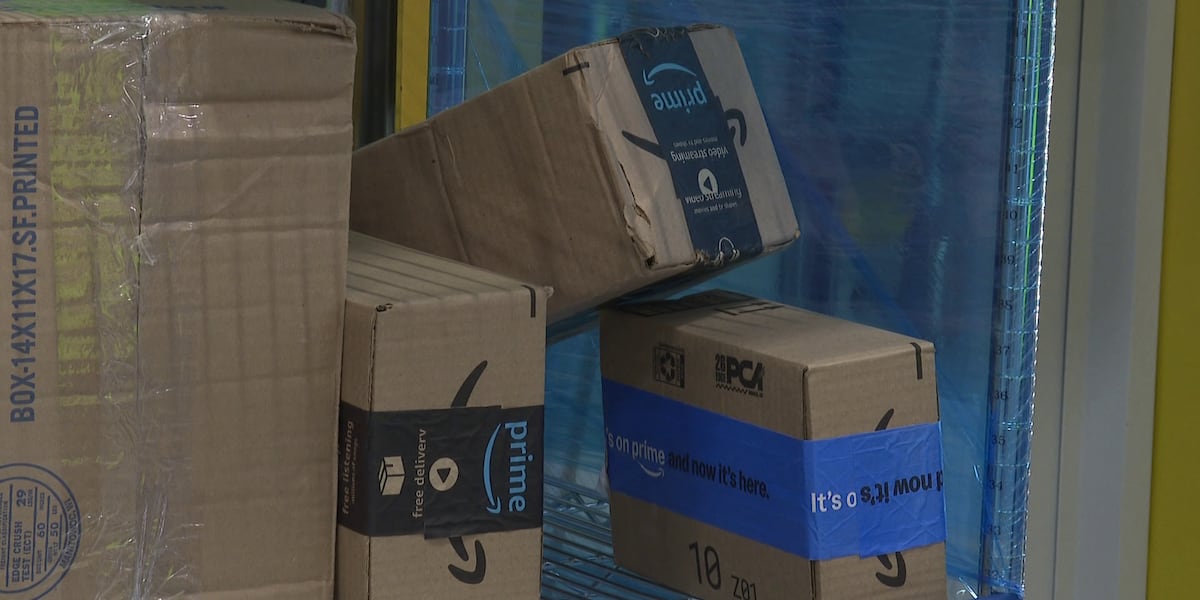


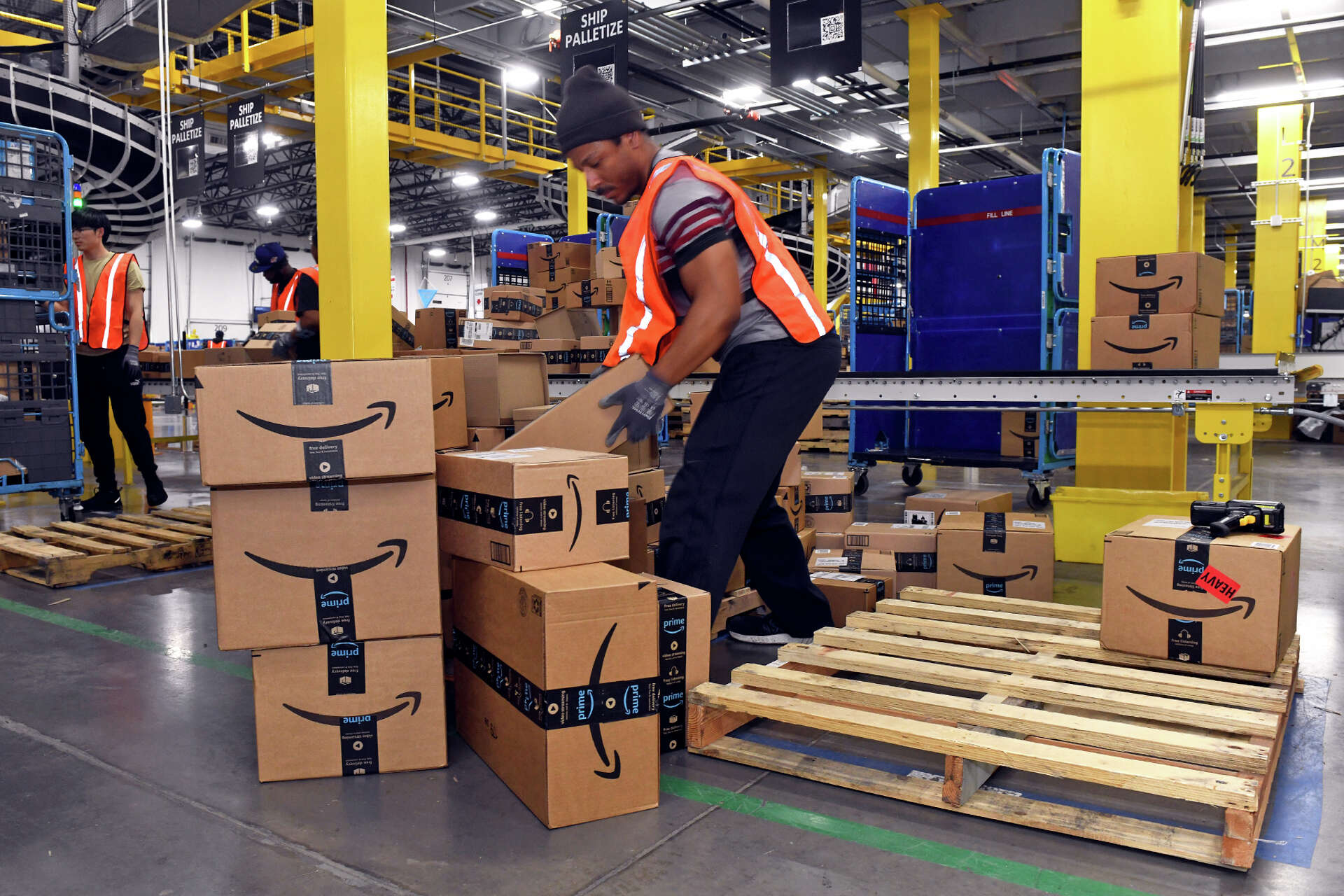
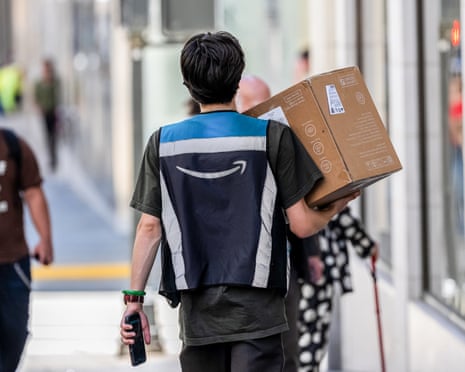
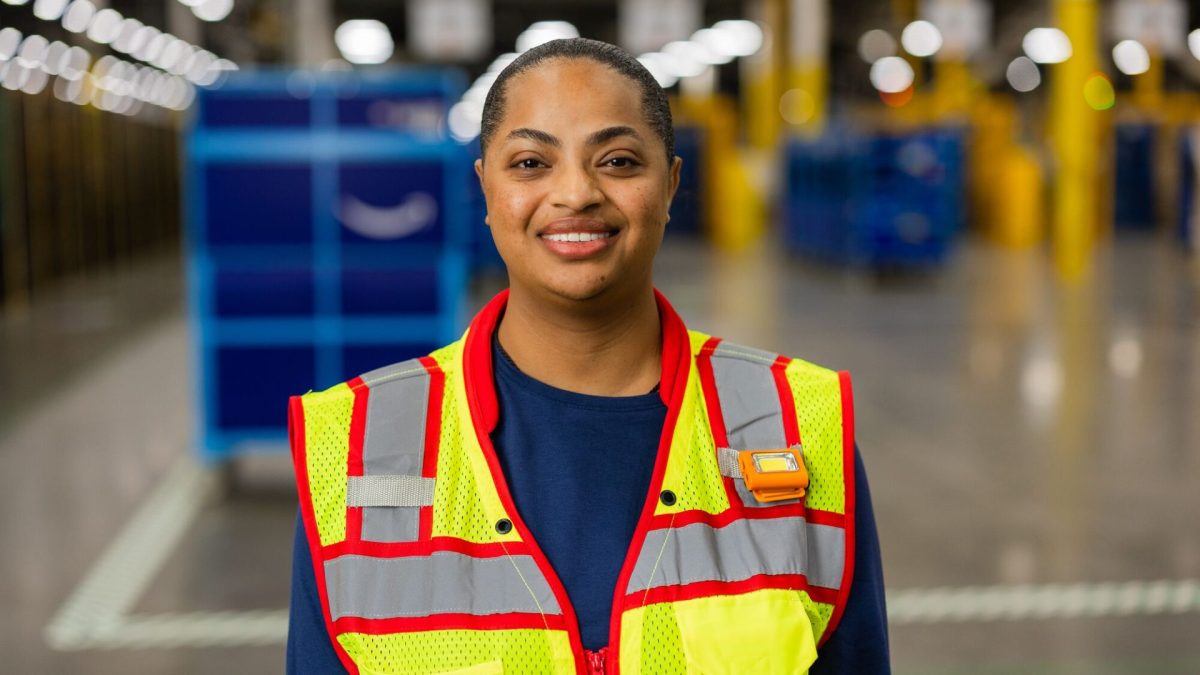




Overview
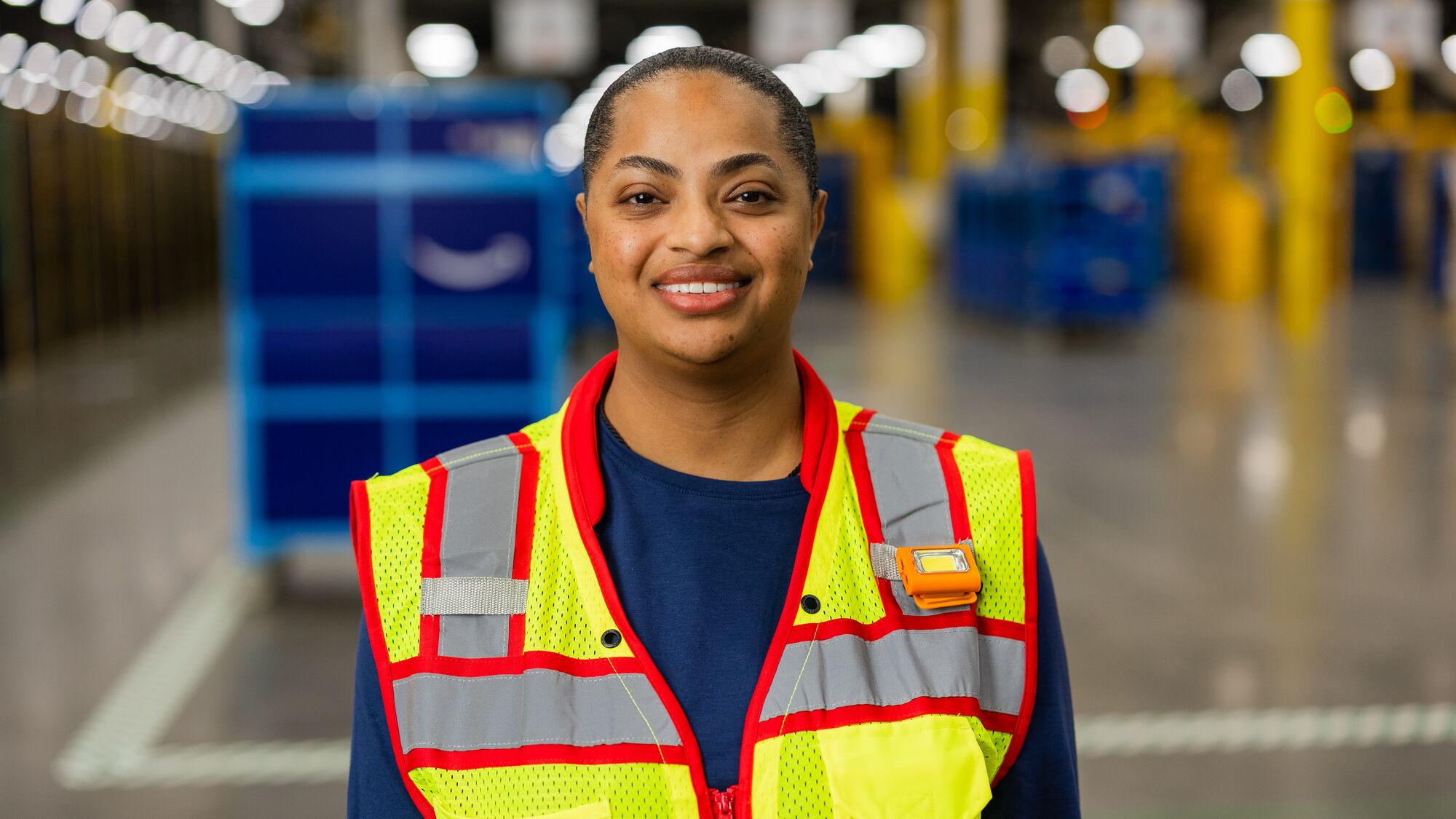
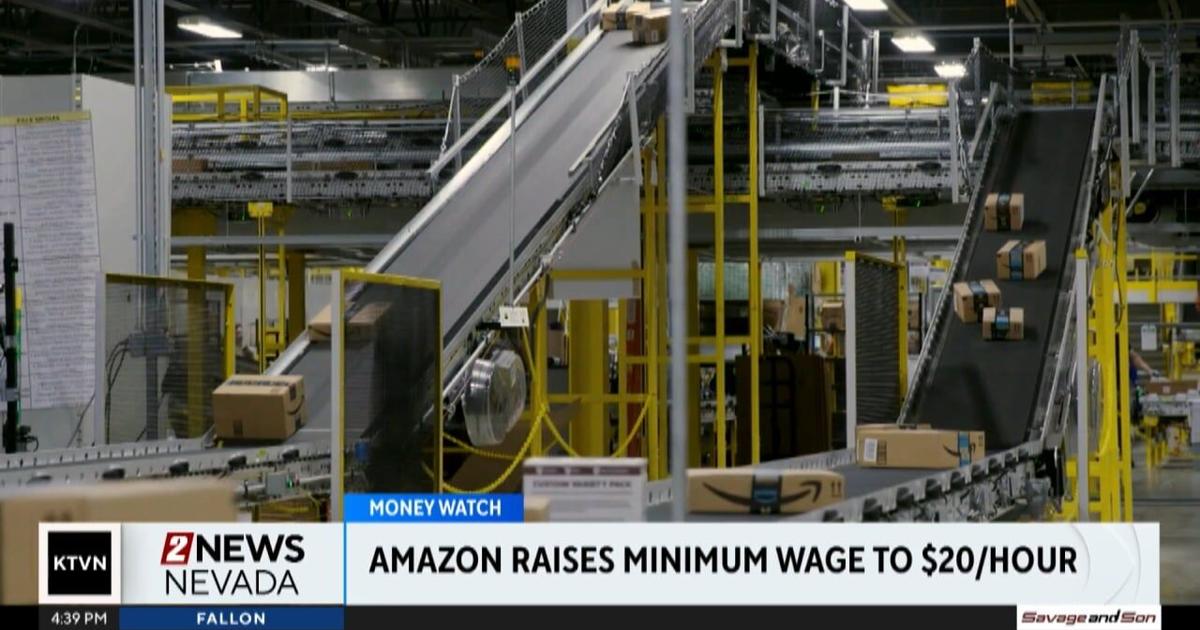
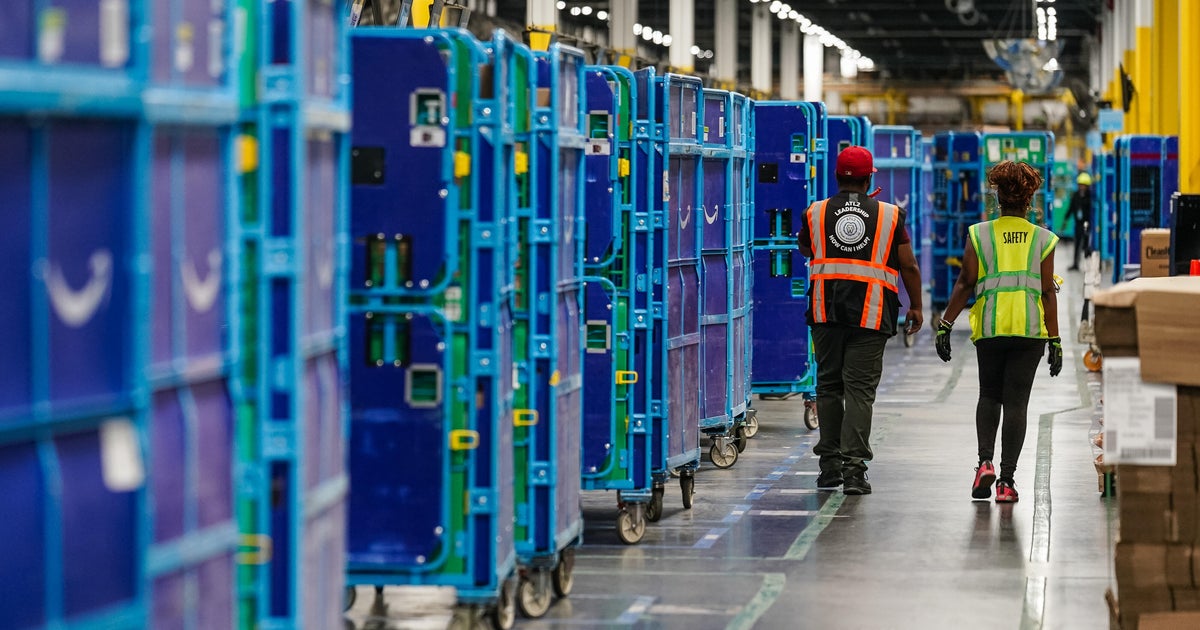
Amazon's $1.5 billion wage investment announced September 16, 2026, represents a structural shift in fulfillment economics that directly impacts FBA seller profitability. The company is raising minimum starting pay to $20/hour (from $19) for core operations workers, bringing average compensation to $24/hour with total benefits exceeding $32/hour. This $1/hour increase, combined with expanded Whole Foods grocery discounts (10% online, 20% in-store effective October 1, 2026), signals Amazon's strategy to improve employee retention during peak holiday season while leveraging its grocery infrastructure for competitive advantage.
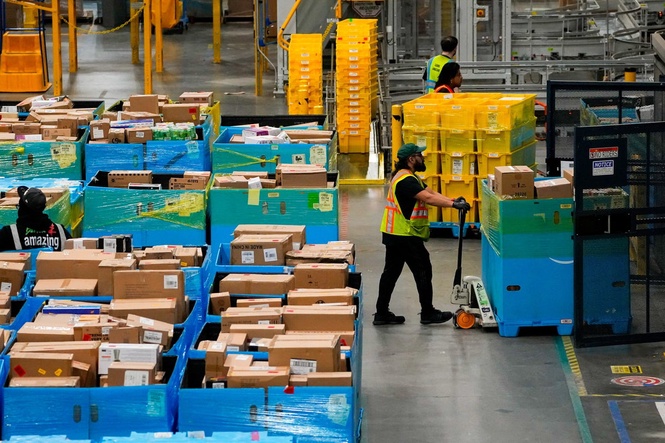
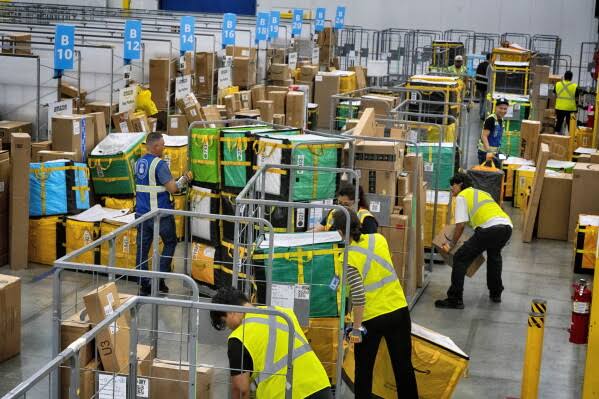
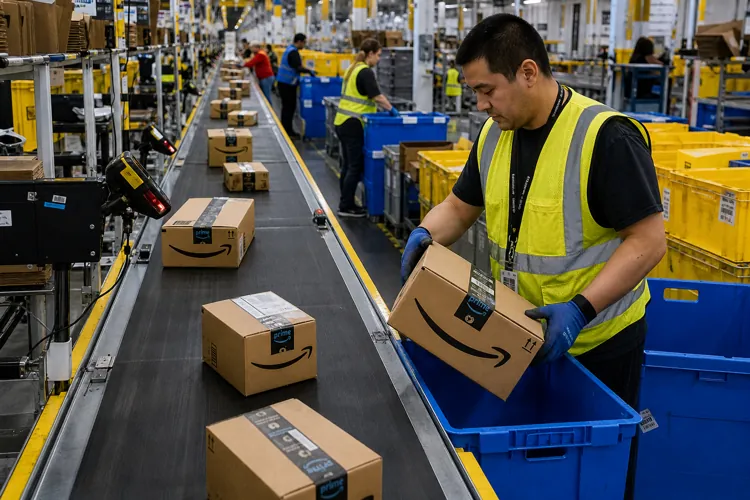
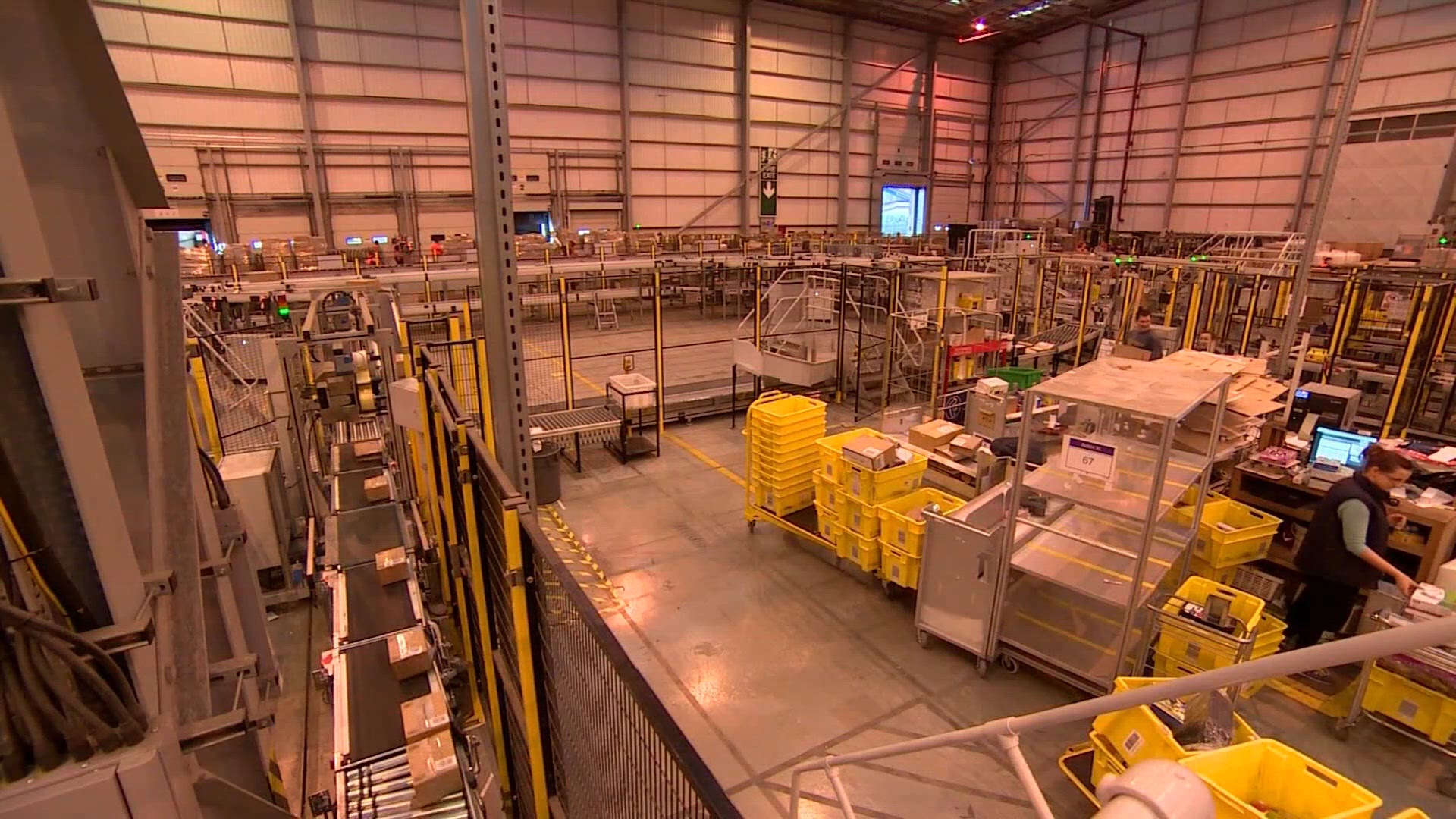
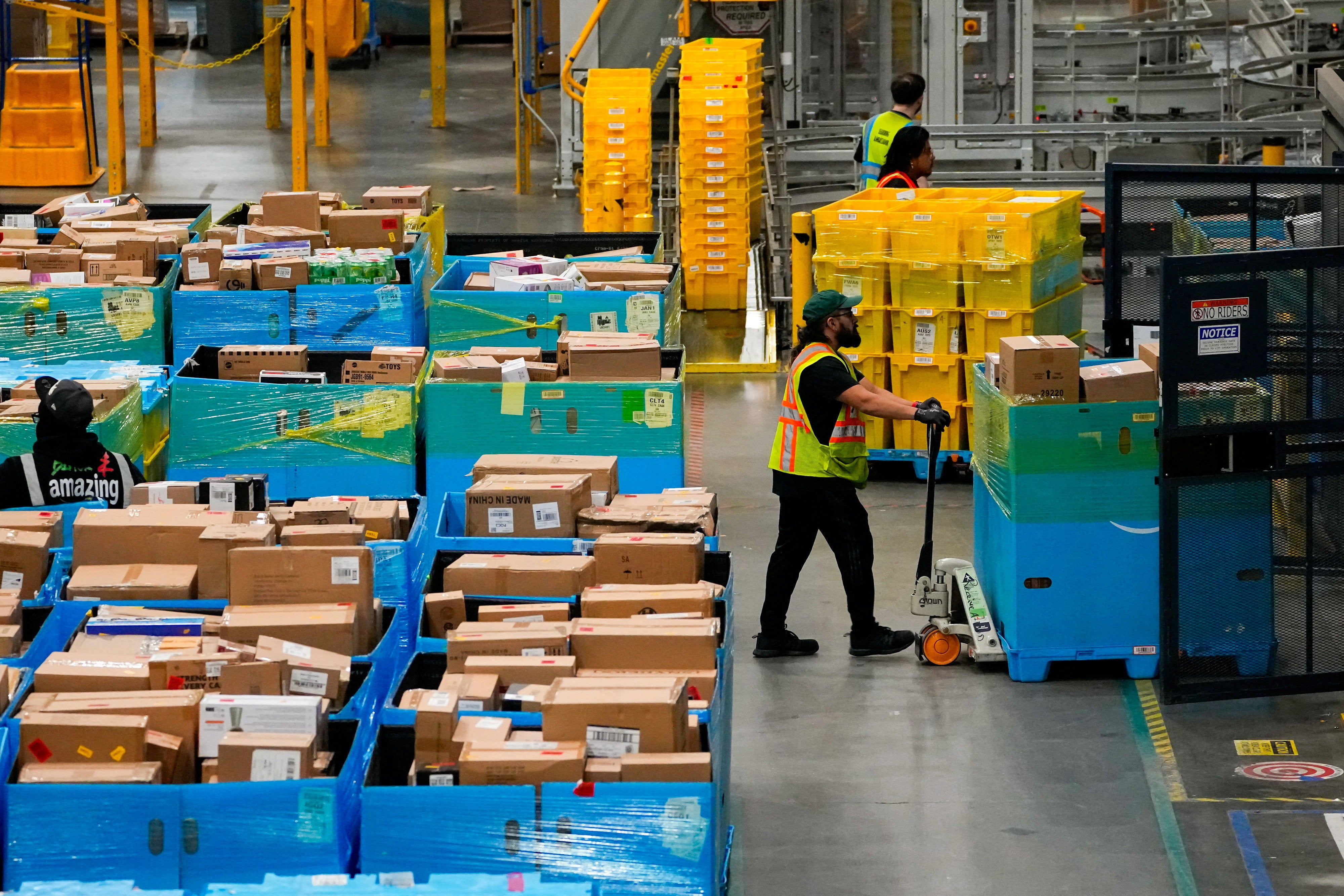
For FBA sellers, this wage increase translates to measurable cost pressures. Amazon's fulfillment operations—picking, packing, sorting, and shipping—represent the largest variable cost component of FBA fees. Industry analysis suggests labor comprises 35-45% of fulfillment center operating costs. A $1/hour wage increase across Amazon's 250,000+ warehouse workers (hired for holiday season alone) represents approximately $520 million in annual labor cost increases. While Amazon hasn't announced FBA fee changes, historical patterns show the company passes 60-70% of operational cost increases to sellers within 6-12 months. Sellers should anticipate FBA fulfillment fees rising 3-5% by Q2 2027, with storage fees potentially increasing 2-3% during peak inventory periods (October-December 2026).
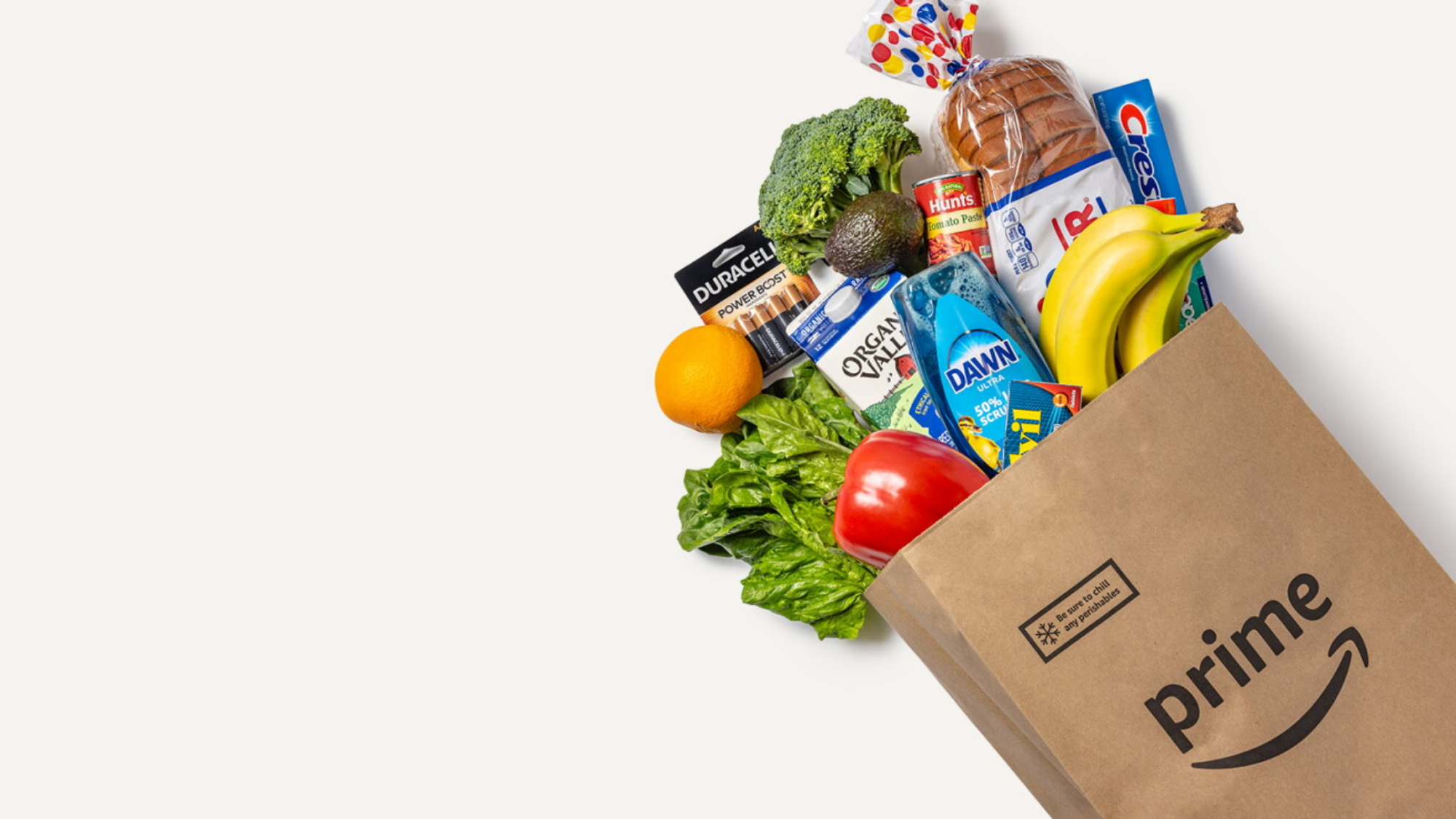
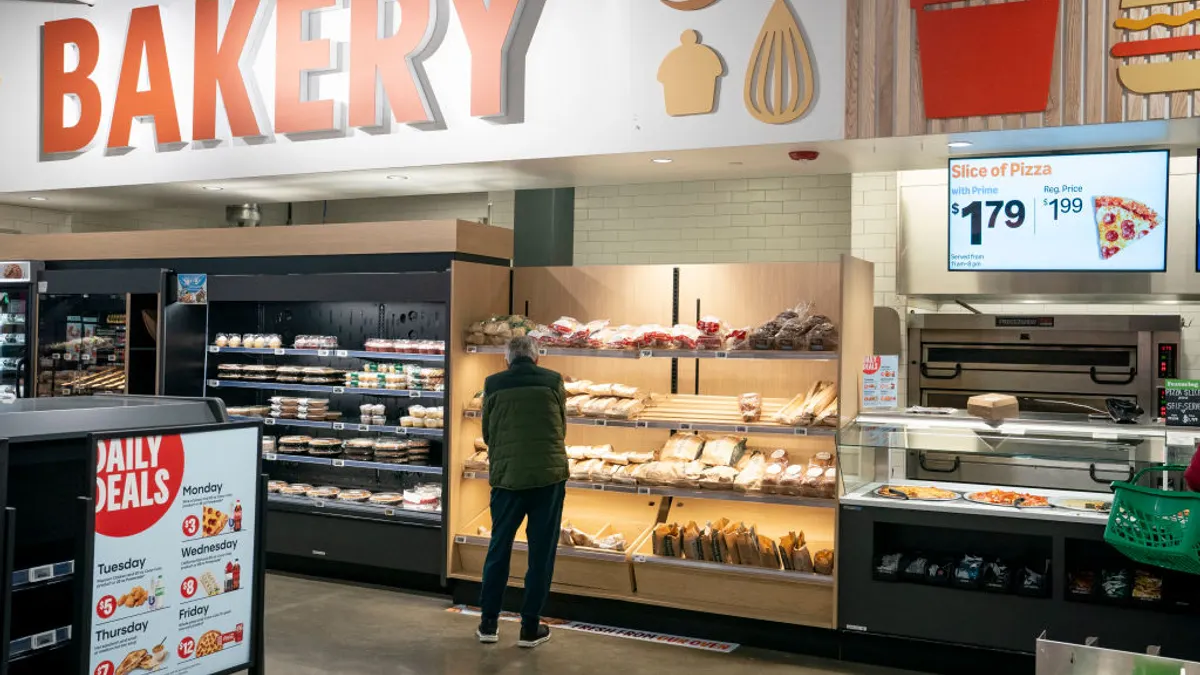
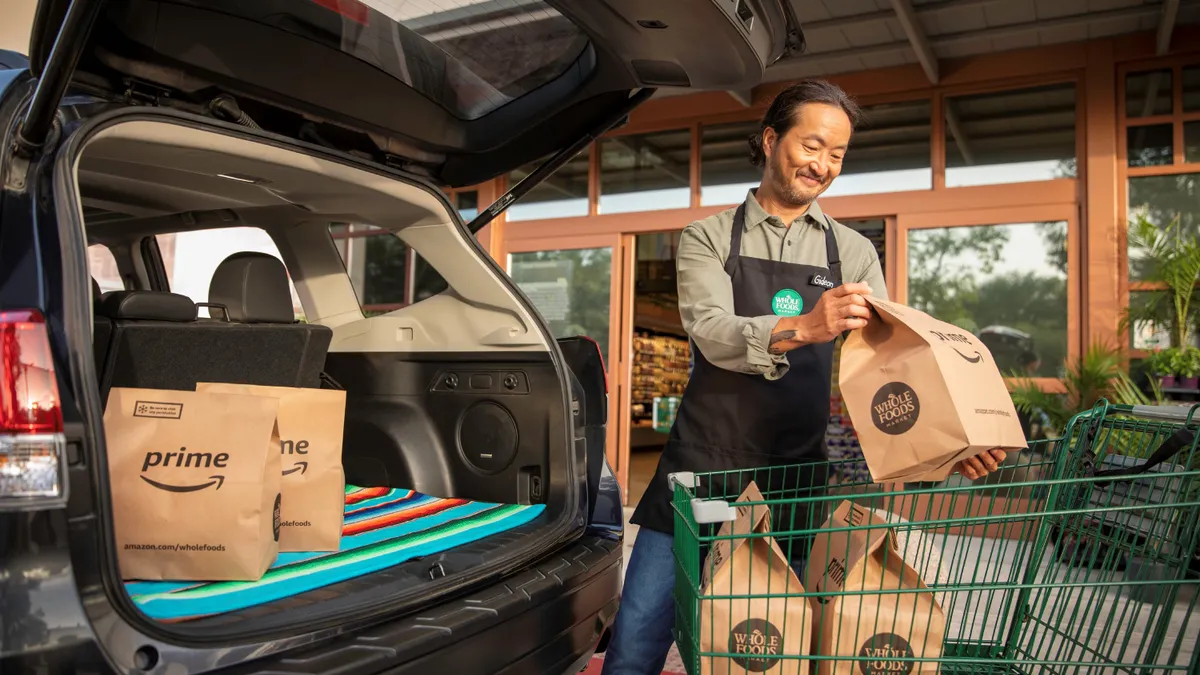
The Whole Foods integration reveals Amazon's competitive positioning in grocery delivery, creating indirect opportunities for sellers in complementary categories. Amazon's expanded same-day delivery network now serves thousands of US cities, competing directly with Walmart+ and traditional grocers. The 20% employee discount on Whole Foods purchases signals Amazon's confidence in this channel and its ability to drive volume. For sellers, this indicates Amazon is prioritizing grocery and fresh food categories—expect increased competition from Amazon's own private label brands (Amazon Basics, Mama Bear) in health/wellness, organic snacks, and specialty foods. Sellers in these categories should monitor Amazon's private label expansion and consider differentiation through niche positioning (regional brands, ethnic foods, dietary-specific products) where Amazon's scale advantages are limited.
The Day 1 Financial partnership with First Tech Federal Credit Union addresses employee financial security, reflecting broader labor market pressures. With 12,346 Amazon workers on SNAP benefits and 11,338 on Medicaid (per GAO report), Amazon is signaling commitment to workforce stability. This matters to sellers because stable, satisfied warehouse workers directly correlate with faster fulfillment times and lower error rates. Sellers using FBA should expect improved service quality metrics (on-time delivery rates, damage rates) as employee retention improves. However, the Teamsters union's criticism about excluding contract delivery drivers suggests potential labor disputes ahead—sellers relying on Amazon Logistics for last-mile delivery may face service disruptions if driver classification disputes escalate.
Regional implications vary significantly. The wage increase applies to all US-based operations, but Amazon's reported shift of investment from Seattle to Bellevue and other states suggests fulfillment capacity may grow faster in non-Washington regions. Sellers shipping to West Coast markets should monitor fulfillment center utilization rates—increased capacity in Bellevue and other states could improve delivery speeds to Pacific Northwest customers while potentially reducing capacity in saturated Seattle-area facilities. For sellers in EU and Asia-Pacific markets, this US-focused investment signals Amazon's prioritization of North American logistics, potentially delaying international FBA improvements.
Questions 8
Which regions will see the biggest impact from Amazon's wage and fulfillment changes?
The wage increase applies to all US-based operations, but Amazon's reported shift of investment from Seattle to Bellevue and other states suggests fulfillment capacity will grow faster in non-Washington regions. Sellers shipping to West Coast markets should monitor fulfillment center utilization—increased capacity in Bellevue and other states could improve delivery speeds to Pacific Northwest customers. For EU and Asia-Pacific sellers, this US-focused investment signals Amazon's prioritization of North American logistics, potentially delaying international FBA improvements. US-based sellers should expect more competitive fulfillment capacity and potentially lower delivery times in secondary markets.
Should I consider alternatives to FBA given rising fulfillment costs?
Rising FBA costs make 3PL (third-party logistics) alternatives more competitive, particularly for sellers with consistent, predictable order volumes. Evaluate 3PL providers if your FBA fulfillment fees exceed 25-30% of product cost. Key considerations: 3PL providers typically charge $0.50-$2.00 per unit plus storage fees ($0.50-$1.50/cubic foot monthly), compared to Amazon's variable FBA fees. For high-velocity products (BSR <10,000), FBA remains cost-effective. For slower-moving inventory, 3PL or hybrid approaches (FBA for bestsellers, 3PL for long-tail) optimize profitability. Calculate your break-even point before Q4 2026 peak season when FBA capacity constraints may increase costs further.