


Amazon's $8B Generac Deal Signals Major Infrastructure Shift | Seller Implications for FBA Reliability & Service Expansion
- Amazon secures backup power generators through $2.4B initial deliveries (2027-2028); signals aggressive data center expansion to support AI services and enhanced marketplace capabilities for 3M+ sellers





















Overview
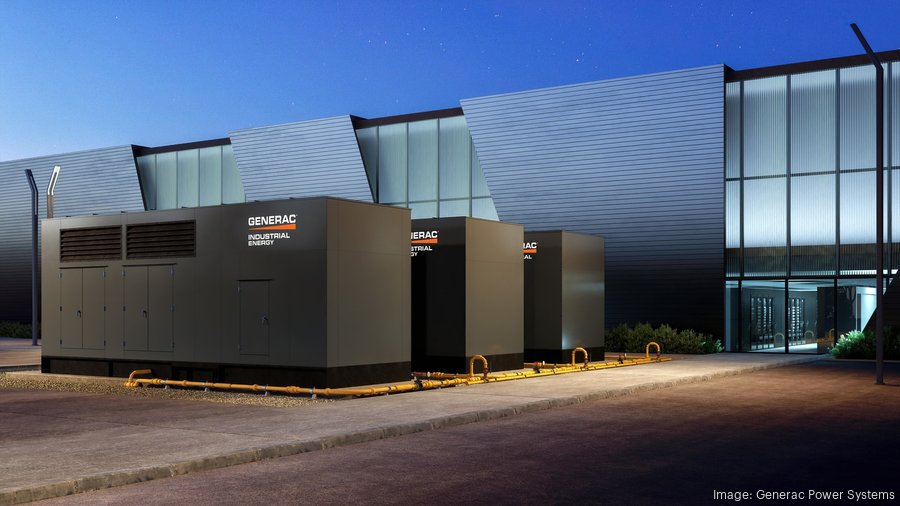
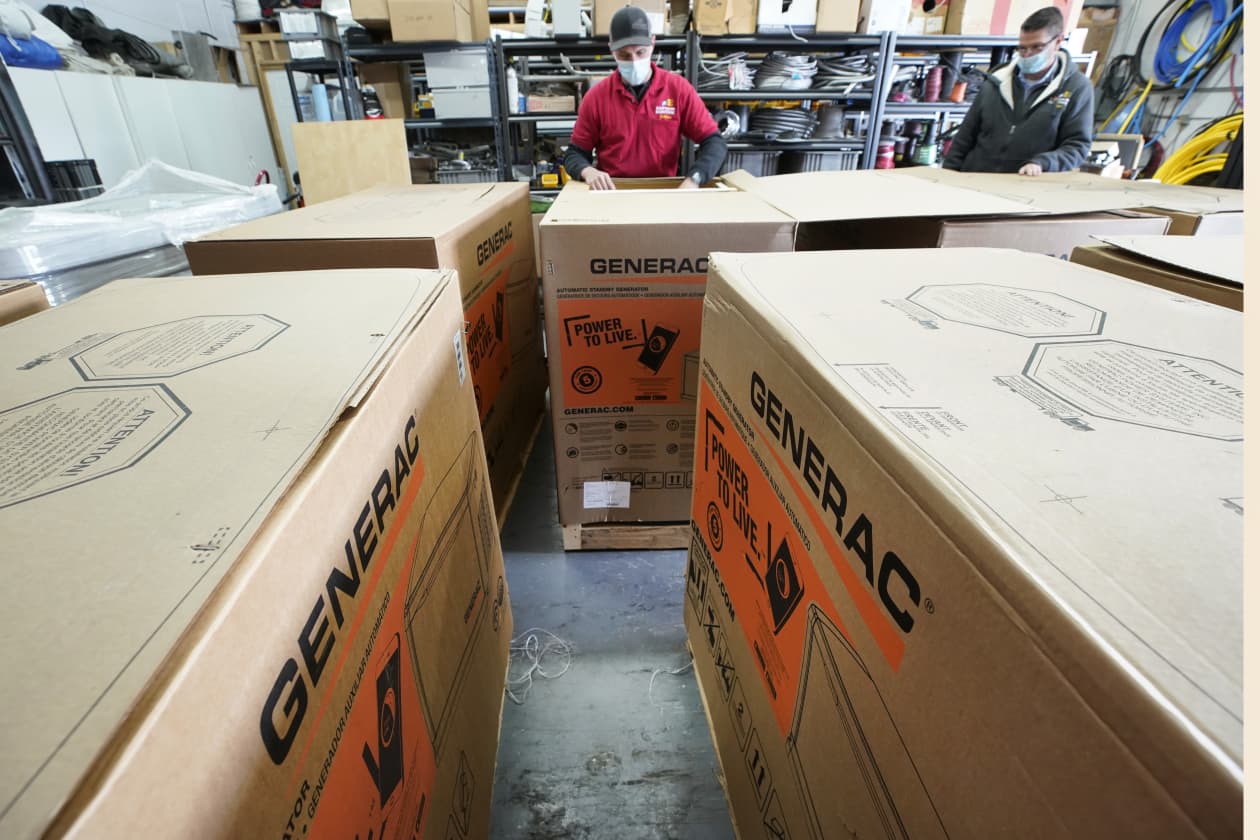
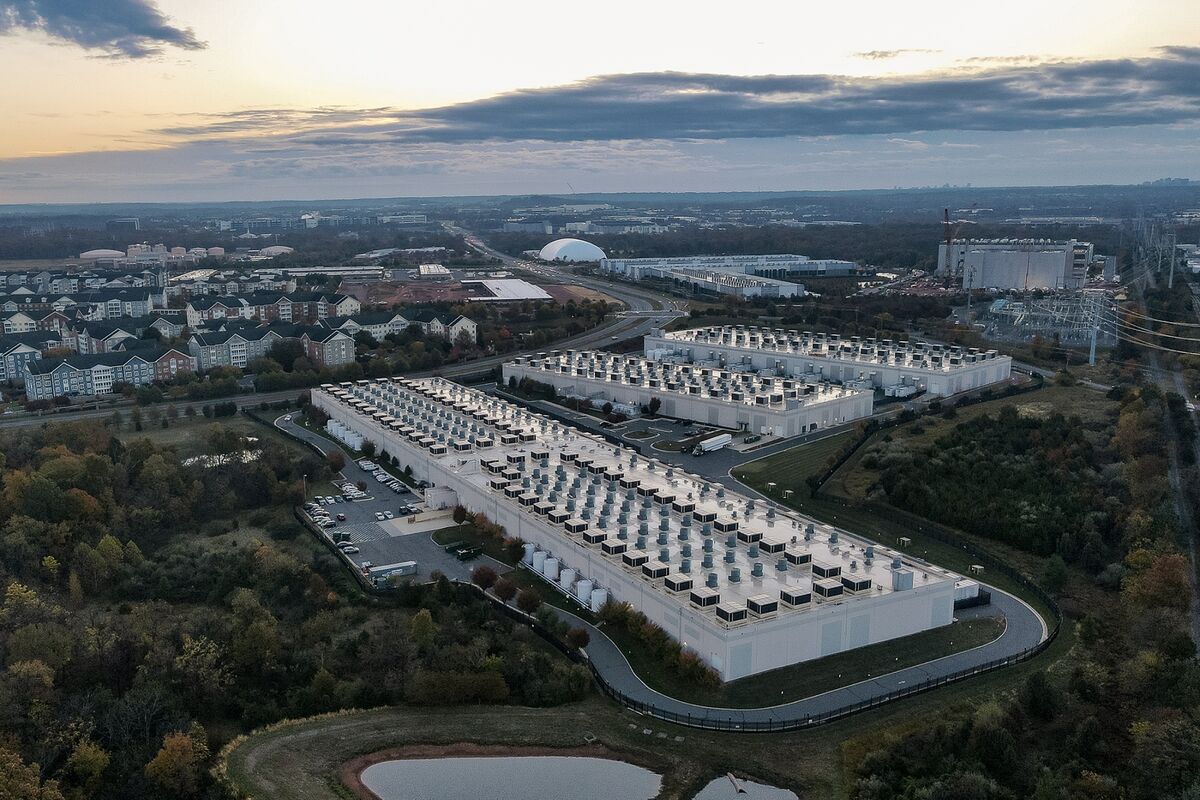
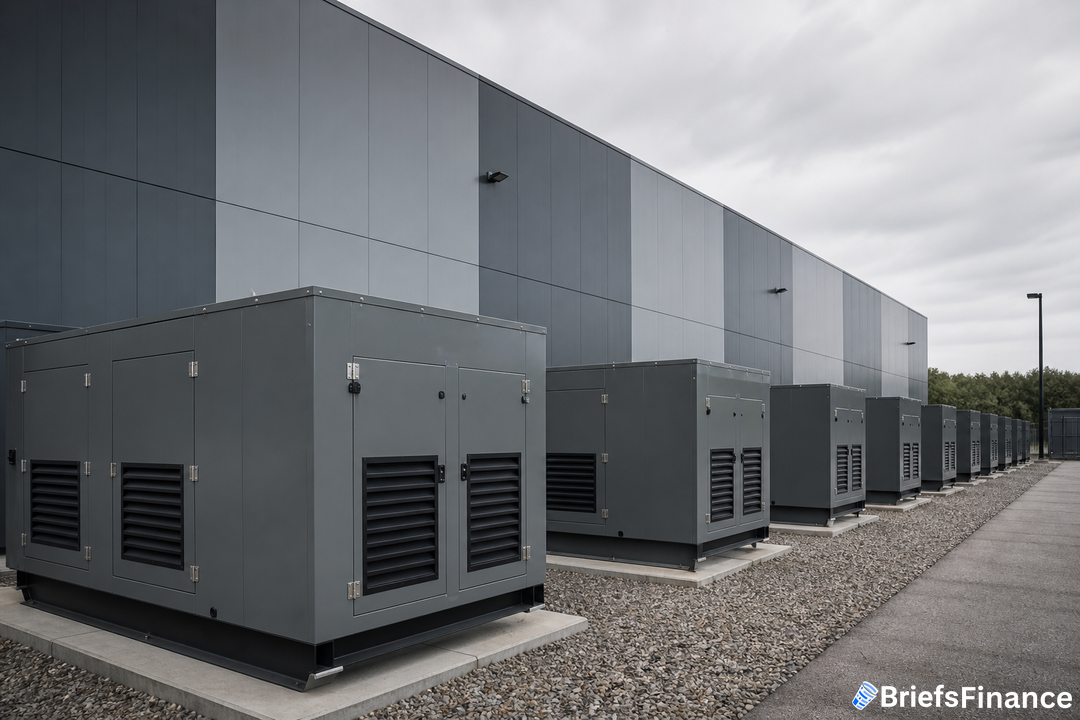
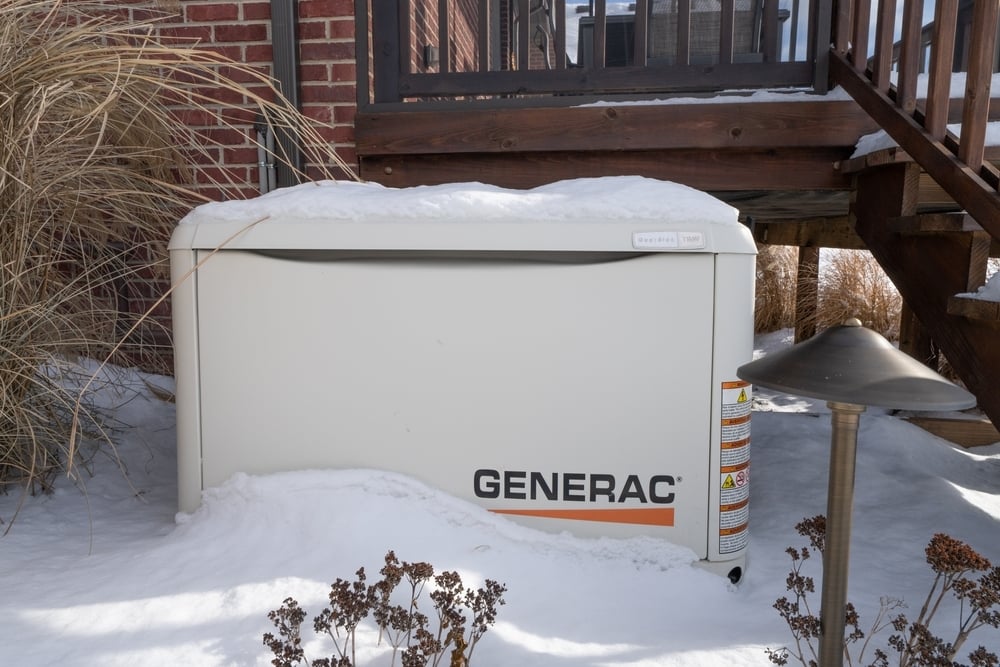
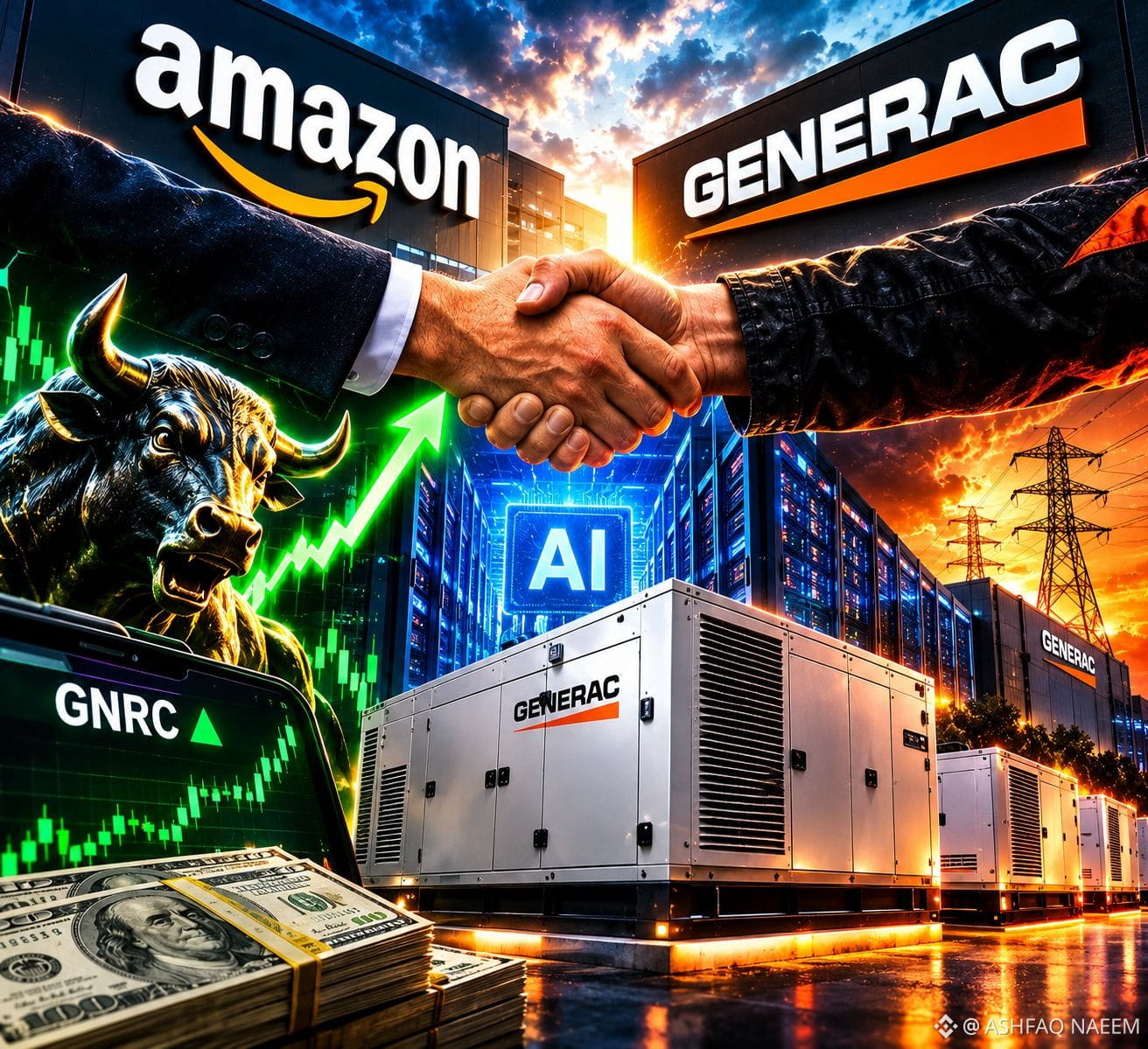
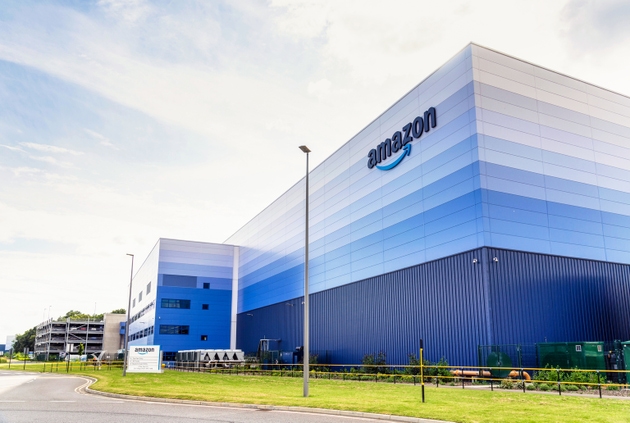
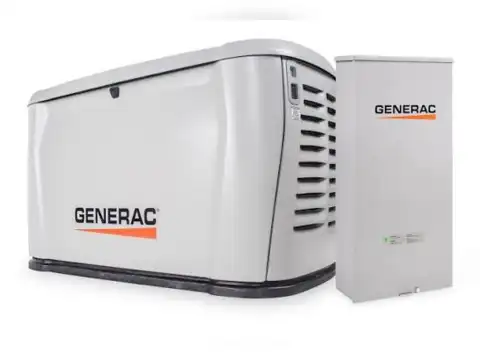
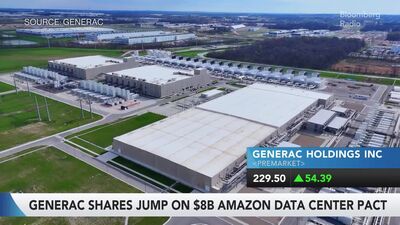
Amazon's $8 billion strategic partnership with Generac Holdings, announced September 16, 2026, represents a watershed moment in the company's infrastructure strategy with direct implications for cross-border e-commerce sellers. The deal—comprising $2.4 billion in initial generator deliveries scheduled for 2027-2028, with potential total value reaching $8 billion—establishes Generac as Amazon's critical backup power supplier for its expanding data center network. Amazon received warrants to acquire up to 1.69 million Generac shares at $200.93 per share, with approximately 308,000 shares vesting immediately. This transaction triggered a 40-45% surge in Generac's stock price, reflecting market confidence in sustained demand for enterprise-grade power infrastructure.
The strategic significance extends far beyond industrial procurement. This deal exemplifies Amazon's pattern of securing equity stakes in critical infrastructure suppliers—mirroring recent warrant agreements with Qualcomm ($4B potential value), investments in Astera Labs, ATSG, Plug Power, and Spartan Nash. Combined with Amazon's $8 billion OpenAI cloud deal (November 2025) and $11 billion Anthropic investment (October 2025), this Generac partnership signals aggressive infrastructure buildout to support AI-driven compute demands. For cross-border sellers, this translates to tangible operational benefits: improved FBA fulfillment center reliability, reduced downtime-related order delays, and enhanced platform stability for AI-powered seller tools (product recommendations, demand forecasting, pricing optimization).
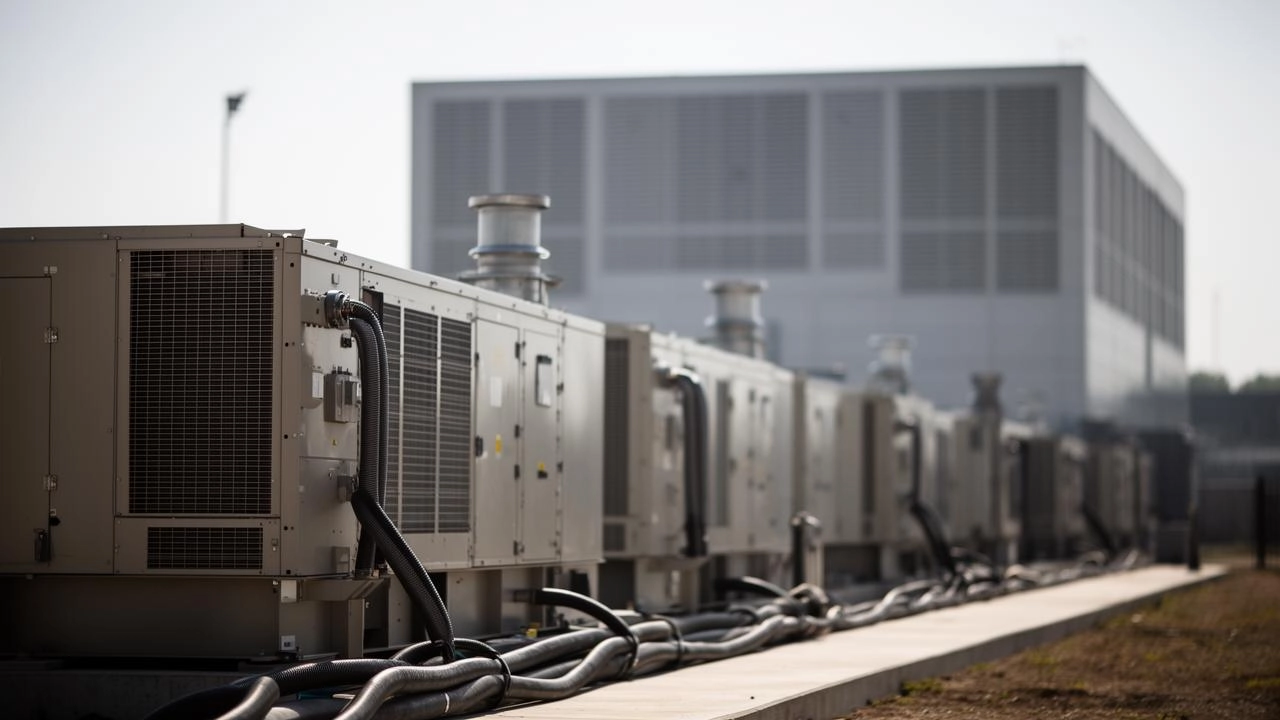
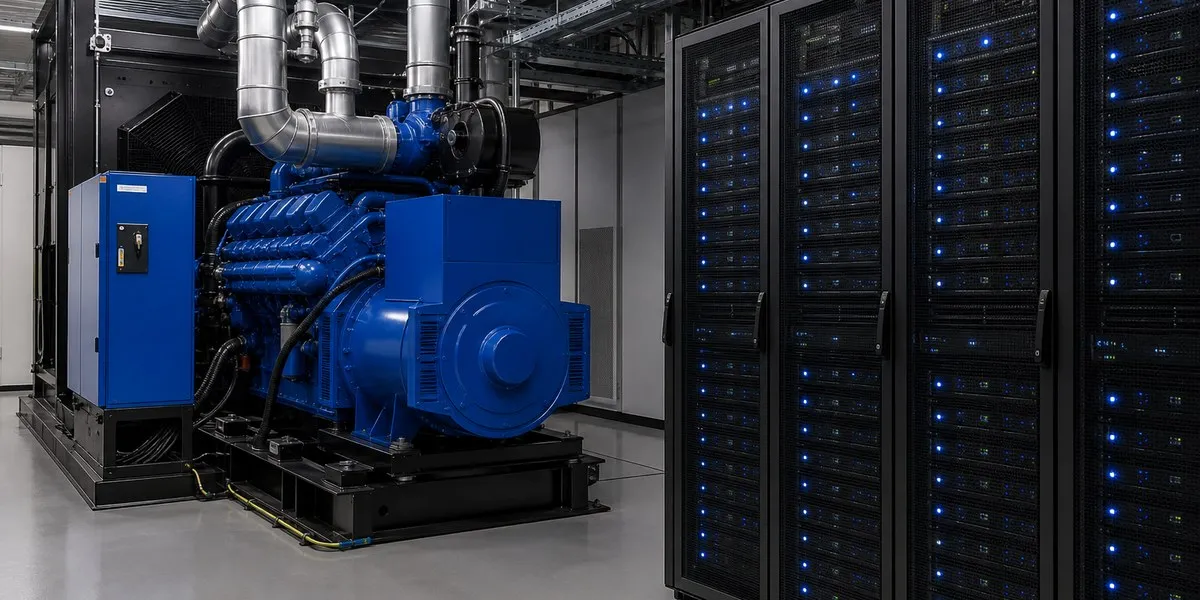
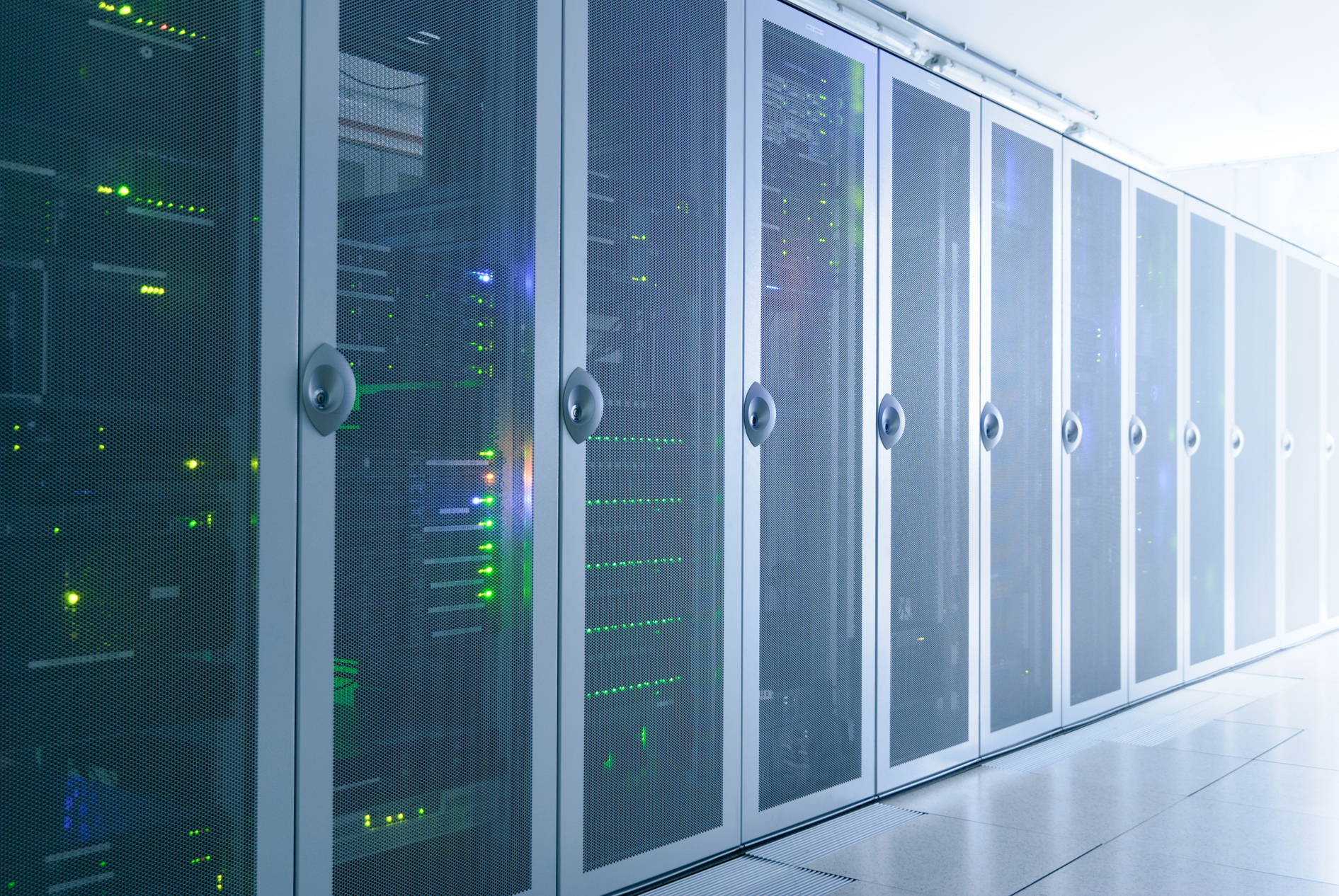
The power infrastructure investment directly impacts seller economics and service quality. Amazon's data center expansion addresses the unprecedented electricity consumption demands of large language models and AI inference workloads. Generac's $450 million 2026 data center revenue and announced $250 million factory expansion validate the scale of this market shift. For sellers using Fulfillment by Amazon (FBA), improved backup power systems mean fewer fulfillment center outages, faster order processing, and more reliable inventory management. The deal also signals Amazon's commitment to operational resilience—critical for maintaining seller confidence during peak selling seasons (Q4 holiday, Prime Day, regional shopping festivals). Additionally, this infrastructure investment positions Amazon to expand AI-driven seller services: enhanced product recommendations, automated pricing optimization, and predictive inventory management tools that currently depend on stable, high-compute infrastructure.
Market implications reveal emerging opportunities in complementary categories. The surge in data center infrastructure investment creates downstream demand for power management solutions, uninterruptible power supply (UPS) systems, and energy monitoring equipment. Sellers in industrial/commercial categories can capitalize on this trend by sourcing complementary products: portable generators for small businesses, solar power systems for logistics hubs, and energy-efficient equipment for warehouse operations. The homebuilder and infrastructure sectors (per Mark Tepper's analysis) show growing demand for backup power solutions as businesses prioritize operational resilience. This signals potential growth in residential backup power, portable generator, and home energy storage categories on Amazon, eBay, and Shopify—segments that historically see 15-25% annual growth during infrastructure investment cycles.
Questions 7
What product categories benefit from Amazon's infrastructure investment in backup power?
The infrastructure investment creates demand in complementary categories: portable generators (residential/commercial), uninterruptible power supply (UPS) systems, solar power equipment, energy monitoring devices, and industrial power management solutions. Sellers in these categories can expect 15-25% category growth over 2027-2028 as businesses prioritize operational resilience. Amazon's own infrastructure buildout validates market demand—Generac's 2026 data center revenue reached $450 million with a $250 million factory expansion announced. Sellers should focus on commercial-grade backup power products, home energy storage systems, and portable generators for small businesses, which show the highest growth potential.
Why is Amazon securing equity stakes in infrastructure suppliers like Generac?
Amazon's warrant structure (acquiring up to 1.69 million Generac shares) aligns supplier interests with long-term growth while securing guaranteed revenue streams. This strategy—also used with Qualcomm ($4B potential), Astera Labs, and Plug Power—ensures reliable supply chains for mission-critical components. For sellers, this signals Amazon's commitment to platform stability and operational excellence. The equity partnership creates mutual incentives for innovation and reliability, meaning Generac has strong motivation to deliver high-quality generators on schedule. This reduces supply chain risk for Amazon's infrastructure expansion, ultimately benefiting sellers through more reliable FBA services.