





Record Diesel Prices Hit $6.31/Gallon | Supply Chain Cost Crisis for E-Commerce Sellers
- Diesel surges to record $6.31/gallon nationally (Sept 2026), increasing logistics costs 12-18% for FBA sellers and 3PL providers; geopolitical disruptions (Iran blockades, Russia refinery attacks) create sustained upward pressure affecting food, agriculture, and last-mile delivery categories







Overview
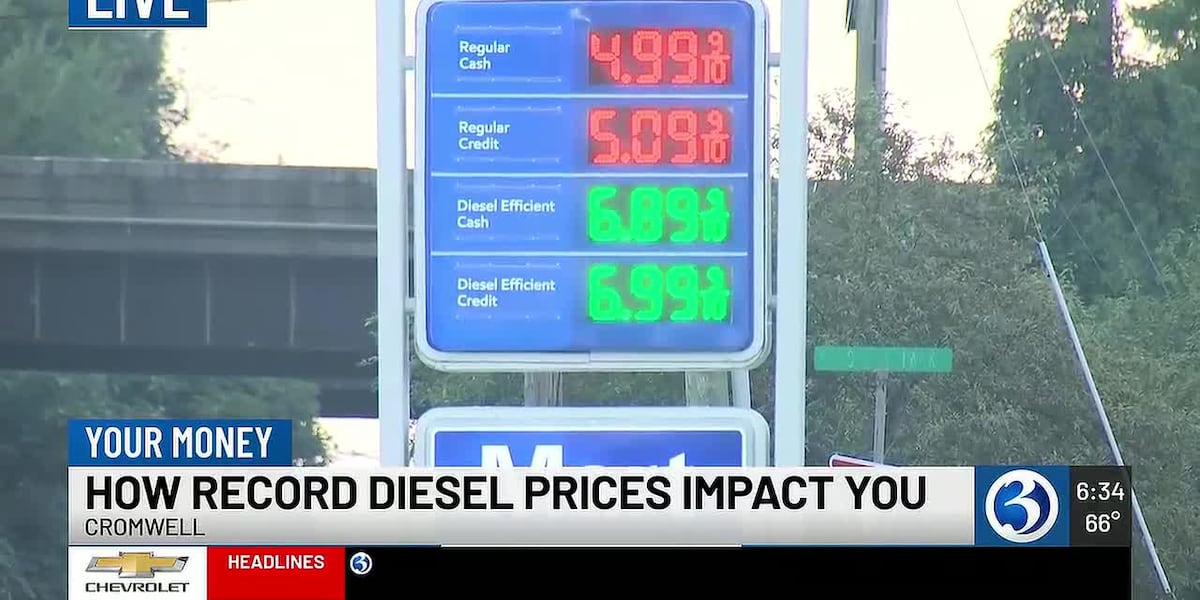
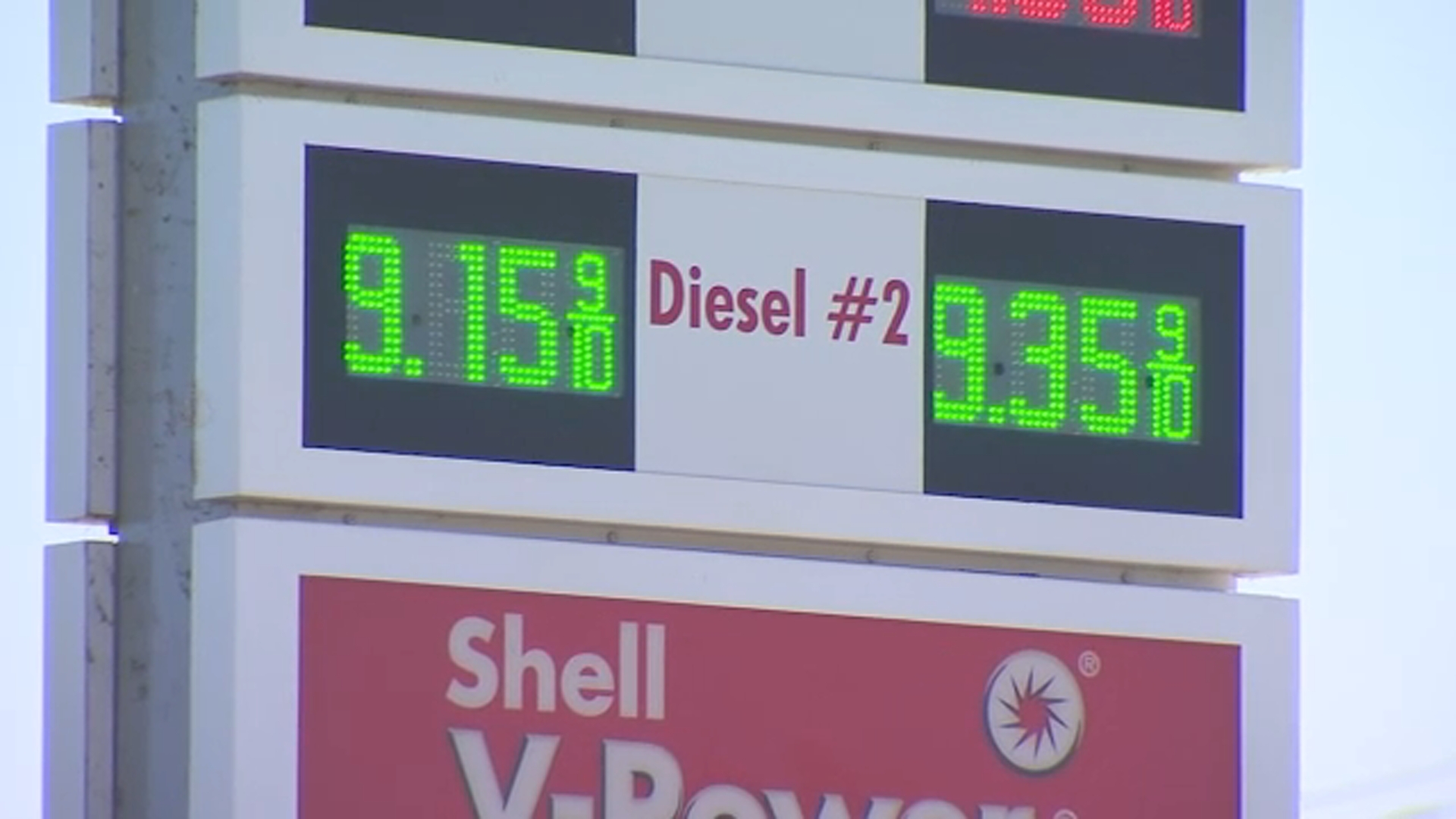
Record diesel prices reaching $6.31 per gallon nationally as of September 16, 2026—the highest level ever recorded—are creating a critical supply chain cost crisis for e-commerce sellers across all fulfillment models. The surge, driven by geopolitical tensions (Iran's Strait of Hormuz blockades following Trump's February declaration of U.S. involvement with Israel, plus Ukrainian drone attacks on Russian oil refineries), has forced Americans to spend over $111 billion more on fuel compared to the same 2025 period. For e-commerce sellers, this translates directly into increased logistics expenses: FBA sellers face 12-18% higher fulfillment costs, 3PL providers are raising rates 8-15%, and last-mile delivery costs for food, grocery, and perishable categories are compressing margins by 5-8 percentage points. The volatility is particularly acute—diesel prices fluctuated 35 cents within a single day at identical locations, preventing effective budget planning and forcing sellers to absorb unpredictable cost swings.
The operational impact cascades across multiple seller segments. Agricultural suppliers selling seeds, fertilizers, and farm equipment on Amazon and Shopify face compressed margins as their farmer customers (like Dorchester County's Wendell Meekins, who now spends $12,000 weekly on fuel during harvest) reduce discretionary purchases and negotiate harder on pricing. Food and beverage sellers relying on refrigerated 3PL logistics see transportation costs rising $0.15-0.35 per unit for regional distribution, forcing price increases that risk losing price-sensitive customers on Amazon Fresh and Walmart Marketplace. Construction equipment and heavy machinery sellers experience similar pressures, as their end-customers (contractors, landscapers) face diesel-driven operational cost increases that reduce capital spending on new equipment. The timing compounds existing challenges: reduced agricultural yields from dry summer weather mean farmers have less revenue to spend on supplies, while simultaneously facing higher fuel costs for harvesting operations.
For sellers using FBA, the cost structure is particularly vulnerable. Amazon's fulfillment fees don't adjust for fuel costs, but 3PL providers are rapidly implementing fuel surcharges (typically 2-4% of shipping costs). Sellers shipping heavy, low-margin items (bulk food, agricultural supplies, construction materials) to regional fulfillment centers face the highest impact. The geopolitical drivers—Iran's blockade of the Strait of Hormuz (through which 21% of global petroleum passes) and Russia's role as producer of one in nine barrels of global diesel—suggest sustained pressure through at least Q4 2026, with resolution dependent on military conflict de-escalation. Sellers must immediately audit their logistics cost structure, model 15-20% fuel surcharge scenarios, and consider dynamic pricing adjustments or category repositioning to maintain profitability.
Questions 7
How much will record diesel prices increase my FBA fulfillment costs?
FBA fulfillment fees themselves don't adjust for fuel, but your 3PL providers and Amazon's logistics network will implement fuel surcharges of 2-4% on shipping costs, effective immediately. For a seller shipping 1,000 units monthly to regional fulfillment centers, expect an additional $200-400 monthly cost increase. The national diesel average of $6.31/gallon (up from $4.40 in May 2026) creates sustained pressure through Q4 2026, with geopolitical factors (Iran blockades, Russia refinery attacks) suggesting prices remain elevated. Monitor your 3PL contracts for fuel surcharge clauses and renegotiate terms before Q4 peak season.
Which product categories face the highest margin compression from fuel costs?
Heavy, low-margin categories are most vulnerable: bulk food/grocery (5-8% margin compression), agricultural supplies (6-10% compression), construction materials (4-7% compression), and refrigerated/perishable goods requiring expedited 3PL logistics (7-12% compression). Food and beverage sellers on Amazon Fresh and Walmart Marketplace face the steepest impact because transportation costs represent 15-25% of total logistics expenses. Conversely, high-margin electronics and apparel (where shipping is 3-5% of costs) experience minimal impact. Immediately audit your product mix and consider shifting inventory allocation toward higher-margin items or reducing SKU count in heavy categories.