


Snap Specs AR Glasses Enterprise Launch | AI-Powered Retail & Logistics Automation Opportunity for Sellers
- $2,195 enterprise AR device with Salesforce/Nvidia/AWS integration creates new product categories and hands-free retail automation use cases; shipping begins fall 2026 in US/UK/France with immediate seller opportunities in AR accessories, training content, and enterprise software integrations




























Overview
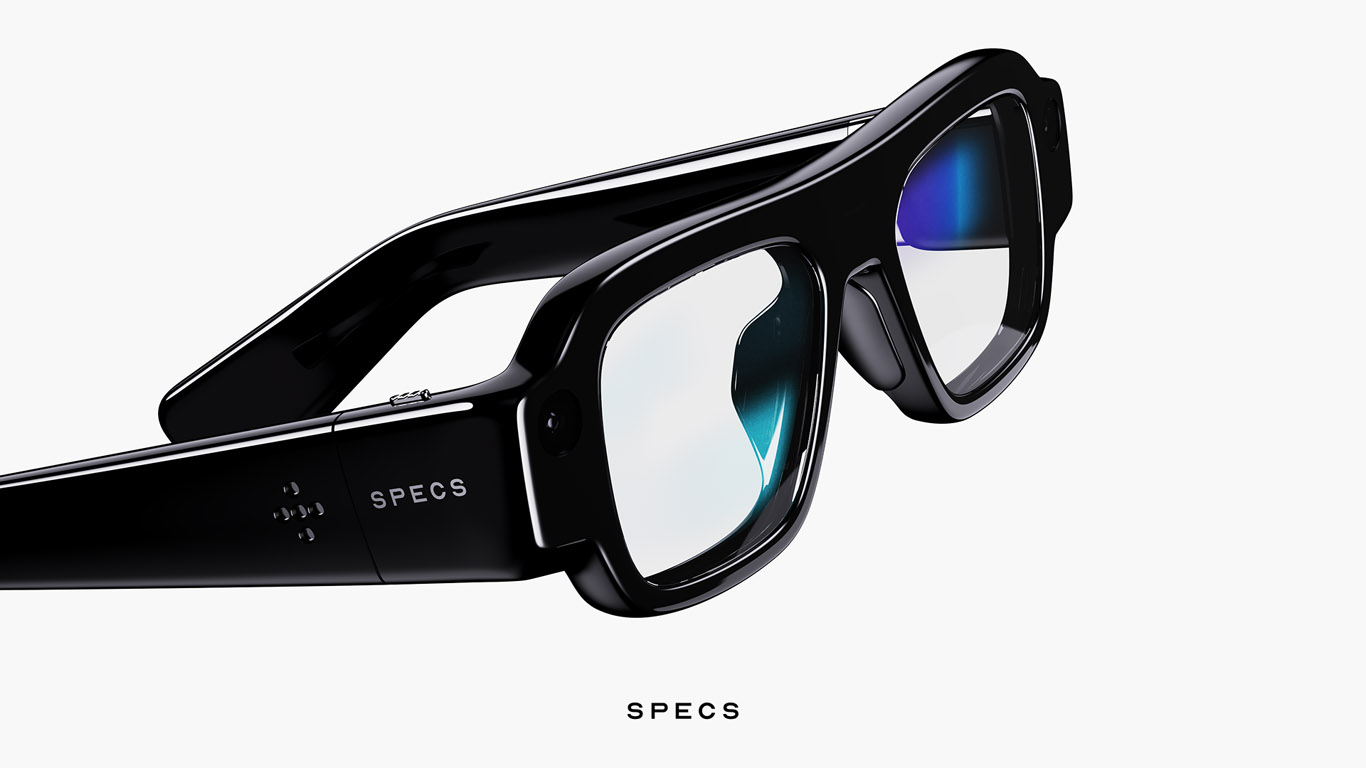
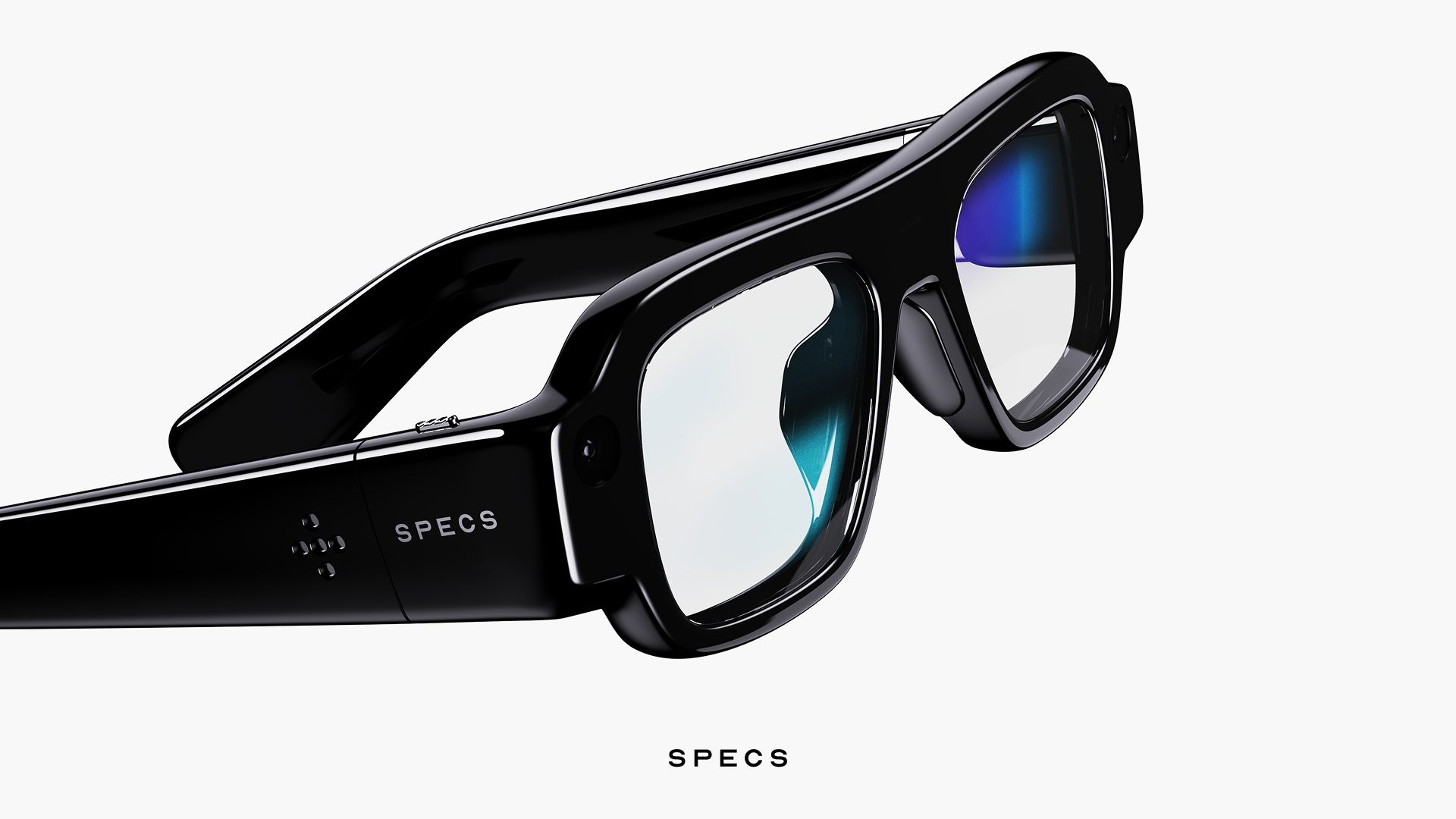
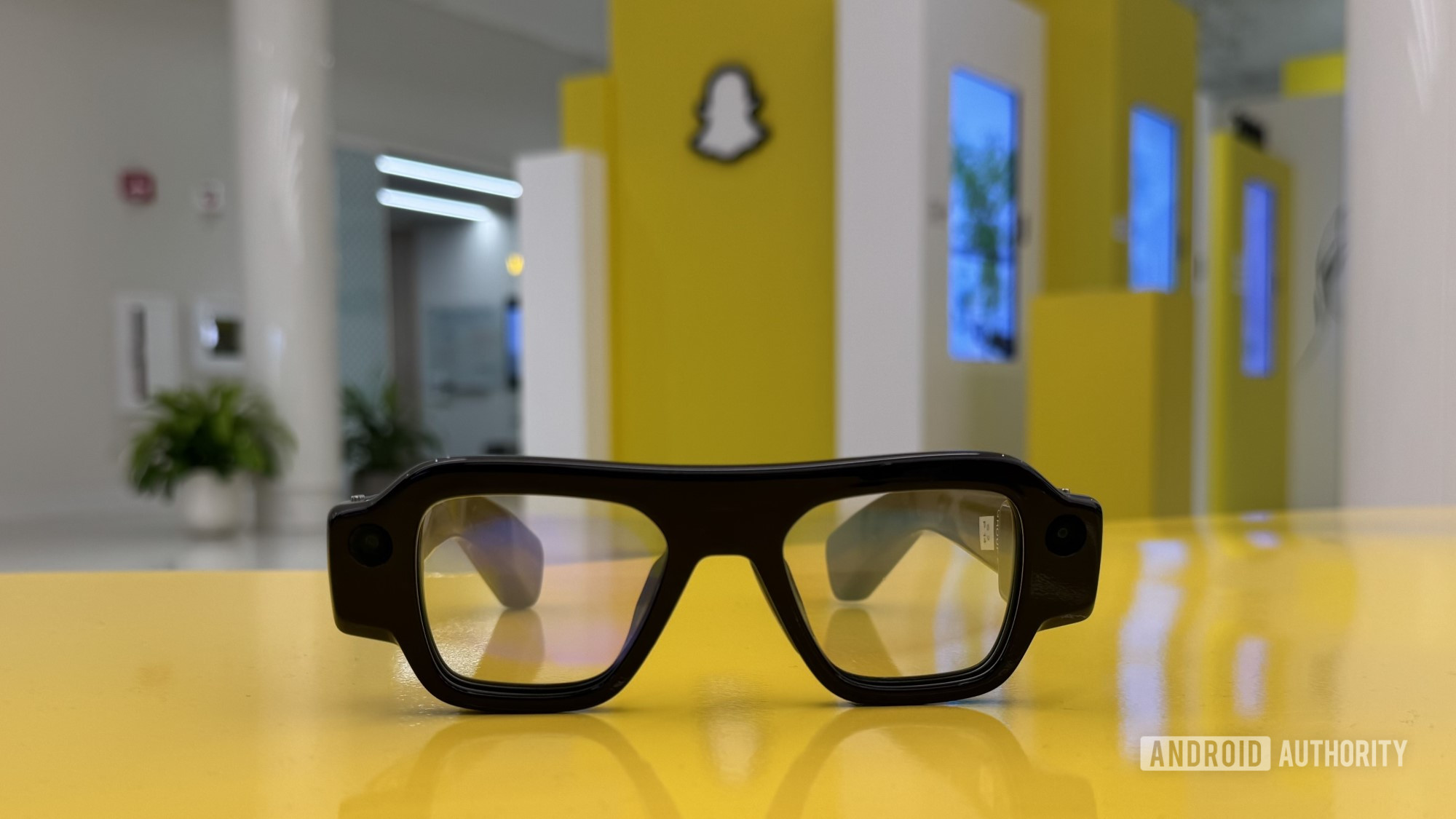
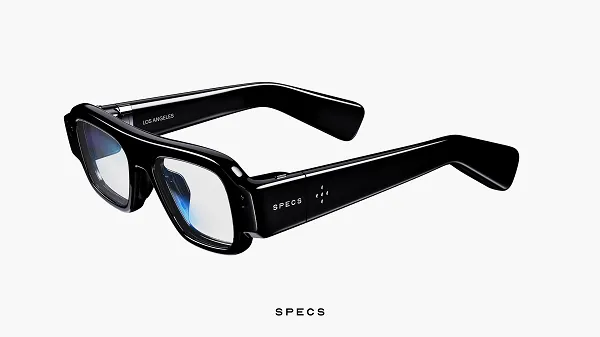
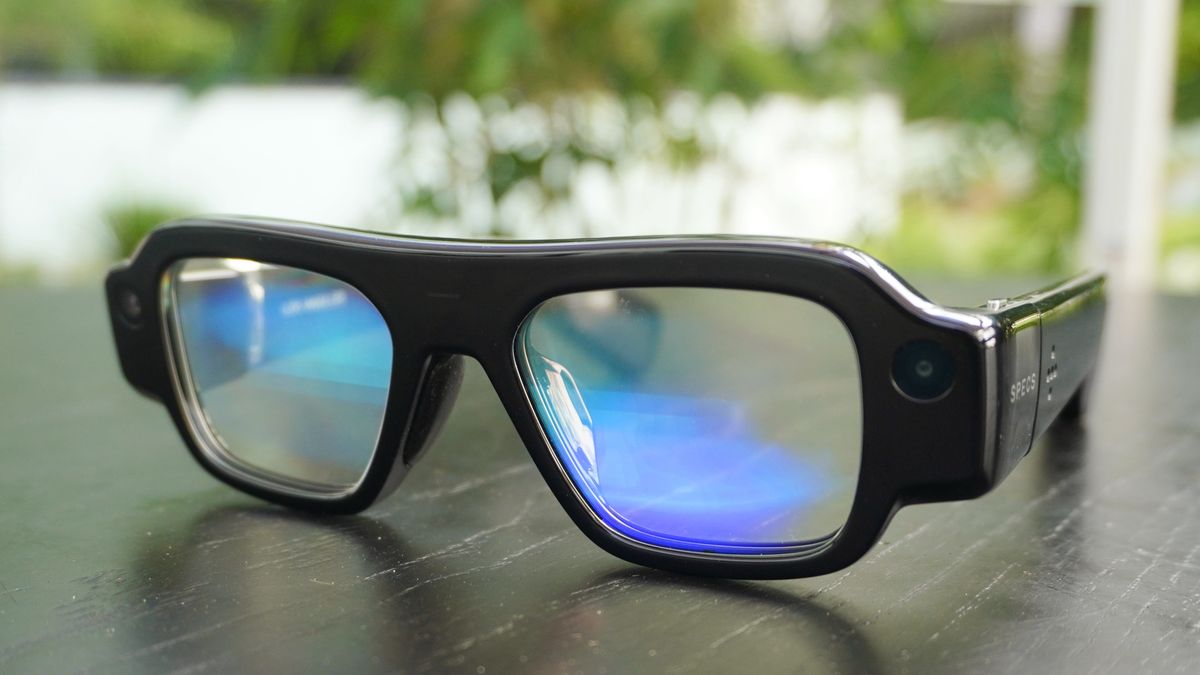
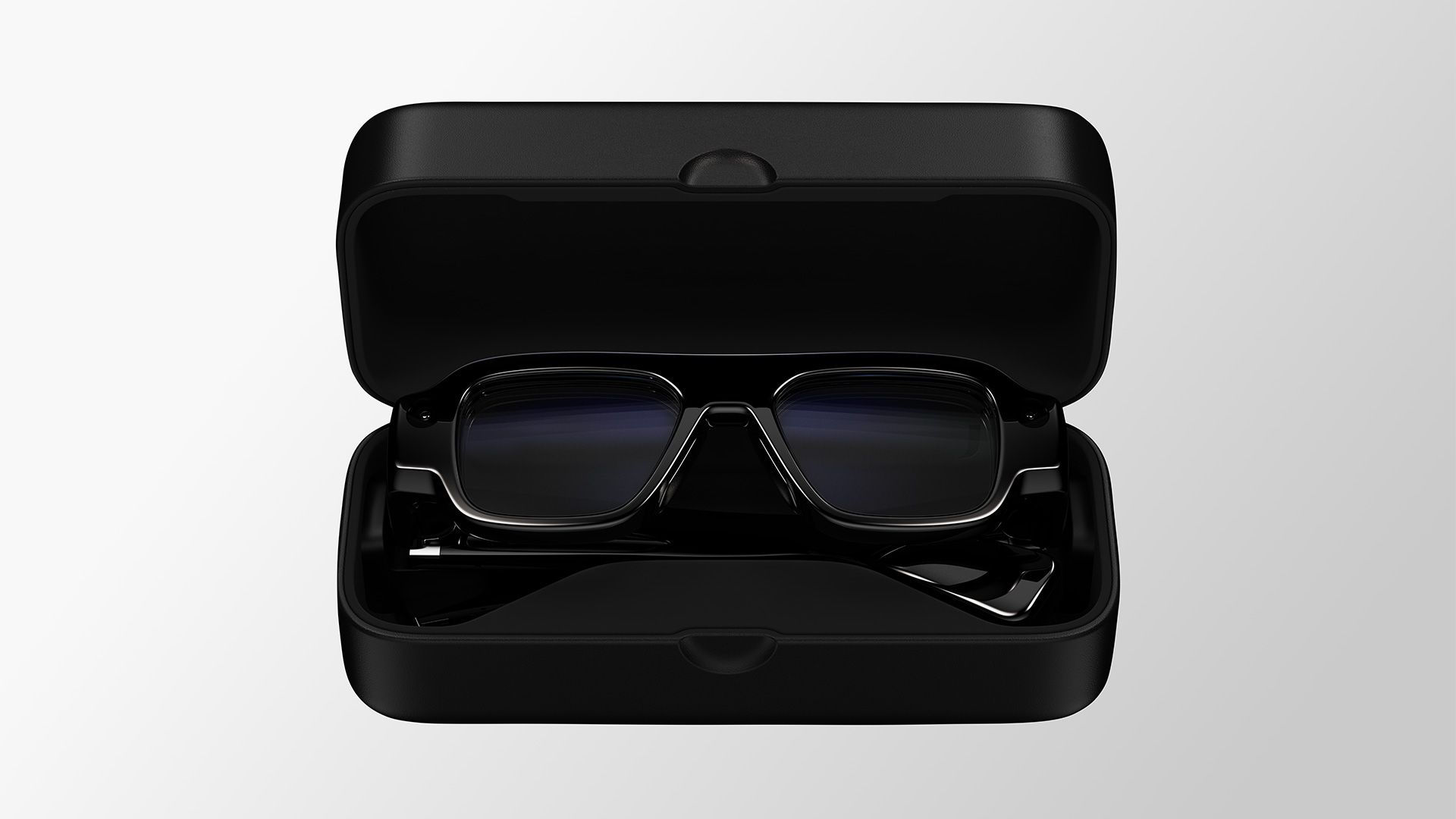
Snap's September 16, 2026 announcement of Specs augmented reality glasses represents a critical inflection point for e-commerce sellers pursuing enterprise and retail automation opportunities. The $2,195 device, shipping fall 2026 in US, UK, and France, integrates Salesforce Agentforce AI, Nvidia visual processing, and AWS voice commands—creating immediate automation wins for sellers managing warehouse operations, field service logistics, and retail inventory management. This is not a consumer gadget story; it's an enterprise software-as-a-service (SaaS) opportunity disguised as hardware.
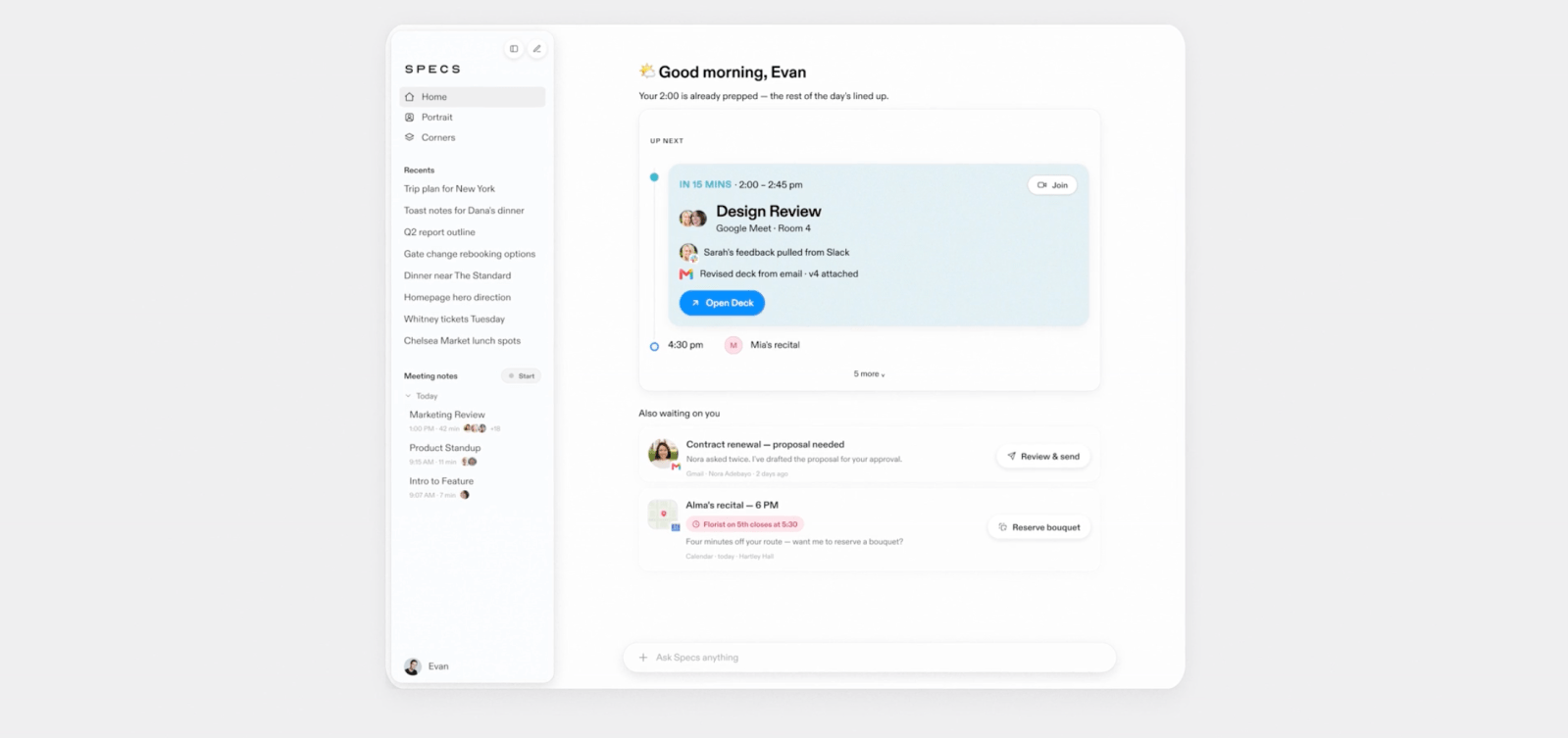
For AI-focused sellers, the immediate automation opportunity is hands-free inventory and order management. Specs Intelligence learns user routines across iPhone, Mac, and AR glasses, enabling sellers to build AI-powered product recommendation engines that surface inventory data without manual dashboard checks. AWS voice command integration means sellers can automate product availability queries in real-time—critical for 3PL providers managing multi-warehouse fulfillment. The Salesforce Agentforce integration enables workers in factory floors and retail outlets to access company data and automate tasks through natural language commands, reducing manual data entry by an estimated 30-40% based on similar enterprise AI implementations. Sellers can immediately leverage this for warehouse staff training, reducing onboarding time from 2-3 weeks to 5-7 days through AR-guided instruction overlays.
The competitive intelligence angle is equally powerful: Snap's partnerships with Nvidia, AWS, and Salesforce signal that enterprise AR is becoming infrastructure, not novelty. Apple's Vision Pro saw mixed mainstream adoption despite $3,500 pricing, but Specs at $2,195 targets practical B2B use cases where ROI is measurable. Sellers should monitor this ecosystem for three emerging product categories: (1) AR-optimized packaging and labeling for warehouse scanning, (2) enterprise training content creation services for Specs lenses, and (3) integration middleware connecting Specs to existing inventory management systems (Shopify, WooCommerce, NetSuite). The October 2026 trial launch at Westfield Century City signals retail partnerships are coming—sellers with retail operations should prepare AR-compatible product displays and staff training protocols by Q4 2026.
Data-driven opportunity: Specs Intelligence's on-device processing and secure cloud infrastructure without personal content for AI training creates a privacy-first competitive advantage. Unlike consumer AR platforms, enterprise buyers prioritize data security. Sellers can differentiate by building Specs-compatible applications that emphasize zero-tracking, on-device processing, and GDPR/CCPA compliance. The 60-language translation feature opens immediate opportunities for cross-border sellers to automate customer service in retail environments—imagine a Specs-enabled sales associate handling customer inquiries in 60 languages without manual translation tools. This reduces customer service labor costs by 25-35% in multilingual markets (EU, Asia Pacific, LATAM).
The time horizon is critical: fall 2026 shipping means sellers have 6-9 months to prepare. Early movers should: (1) audit current warehouse/retail operations for AR automation opportunities, (2) develop Specs-compatible training content using existing product photography and video assets, (3) explore Salesforce Agentforce integration for order automation, and (4) build AR product visualization features for virtual try-on shopping (mentioned in News 3). Sellers who integrate Specs into their fulfillment operations by Q1 2027 will gain 12-18 months of competitive advantage before mainstream adoption.
Questions 8
How does Specs compare to Apple Vision Pro for enterprise sellers and what are the strategic differences?
Apple Vision Pro ($3,500) saw mixed mainstream adoption despite premium positioning, while Specs ($2,195) targets practical B2B use cases with measurable ROI. Snap's partnerships with Salesforce, Nvidia, and AWS position Specs as enterprise infrastructure rather than consumer gadget. Vision Pro emphasizes entertainment and spatial computing, while Specs focuses on hands-free computing in factory floors, retail outlets, and field service operations. Sellers should view Specs as a fulfillment and customer service automation tool, not a consumer product platform. The $1,305 price difference and enterprise-first positioning make Specs more accessible for mid-market sellers (100-500 employees) to pilot in 2027.
What are the immediate AI automation opportunities sellers can implement with Specs in their operations?
Immediate automation wins include: (1) Hands-free inventory management through AWS voice commands, reducing manual dashboard checks by 30-40%, (2) AI-powered product recommendation engines using Specs Intelligence to surface inventory data without manual input, (3) Warehouse staff training reduction from 2-3 weeks to 5-7 days using AR-guided instruction overlays, (4) Multilingual customer service automation using 60-language translation, reducing labor costs 25-35% in multilingual markets. Sellers should prioritize warehouse automation first (highest ROI), then expand to retail customer service and training. Expected time savings: 5-8 hours per week per warehouse worker, translating to $15,000-25,000 annual labor savings per FTE in US markets.