



Red Sea Shipping Crisis Drives 10-15% Oil Price Spike | E-Commerce Logistics Cost Surge
- Brent crude at $105.81/barrel; fuel surcharges hitting sellers within weeks; air freight costs rising 8-12% for cross-border sellers






















Overview
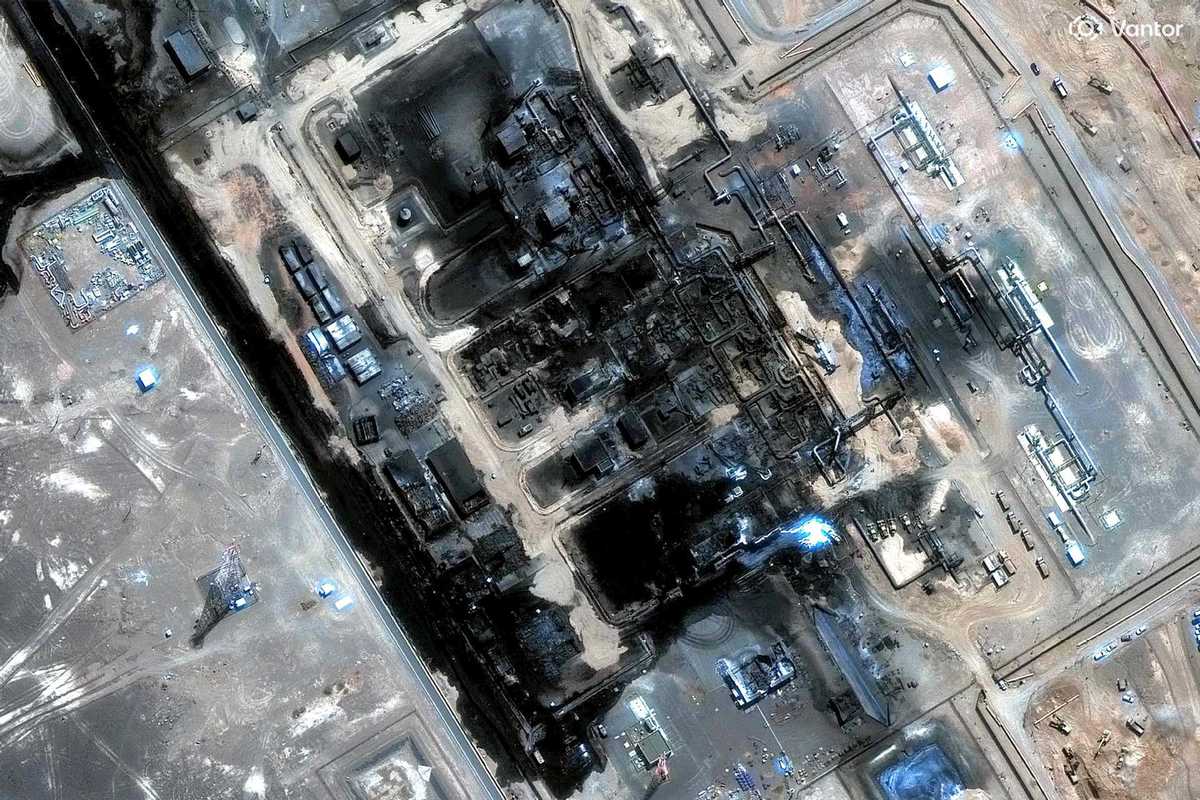
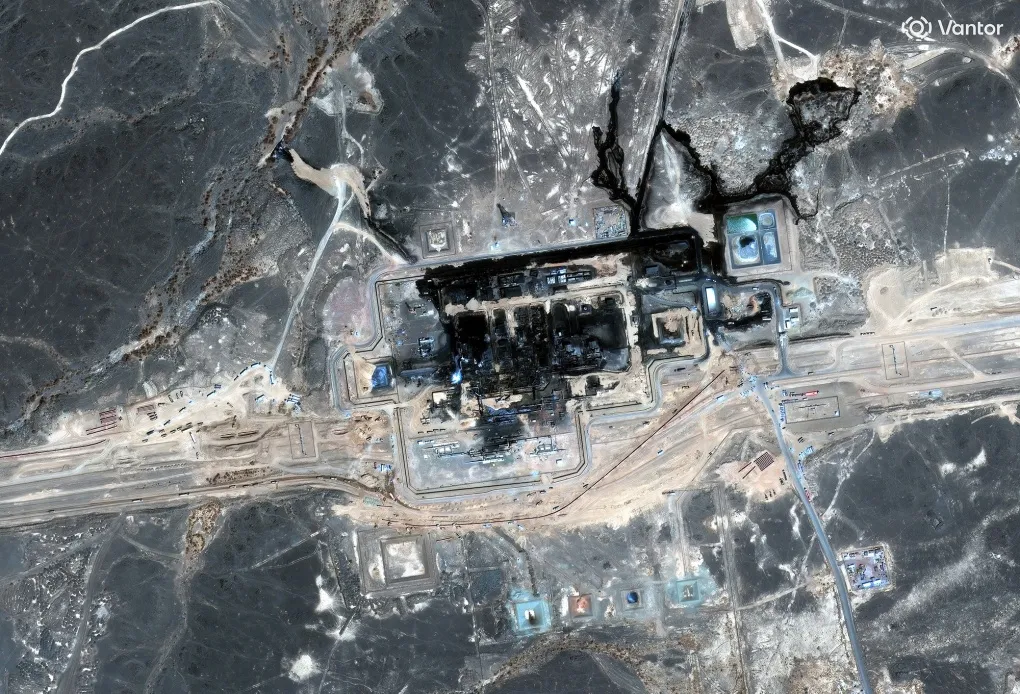
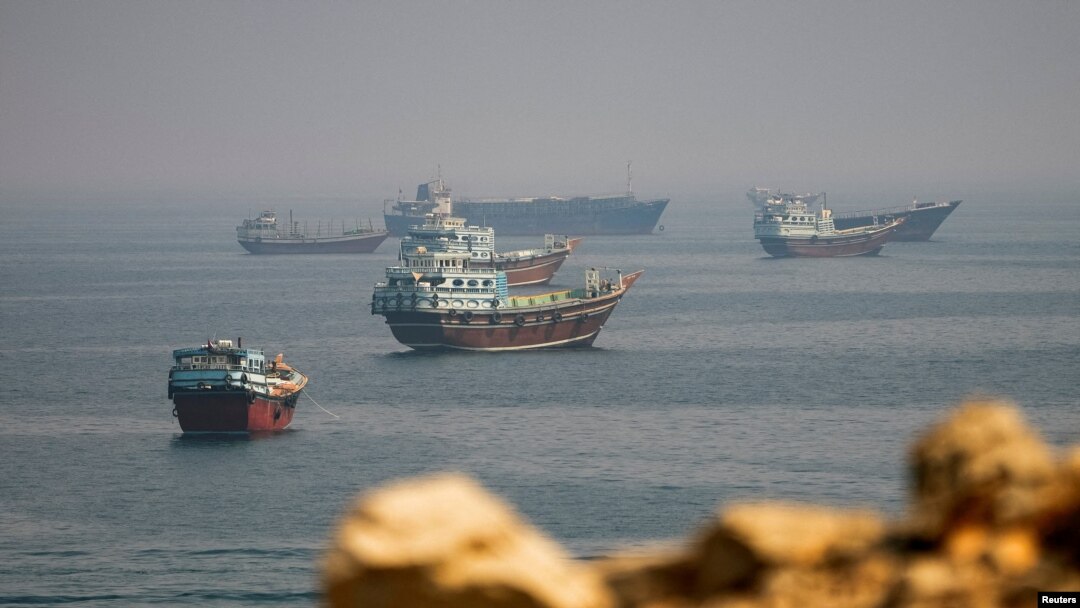
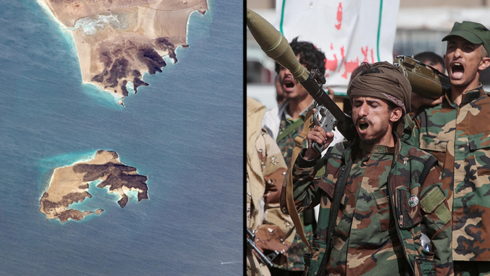
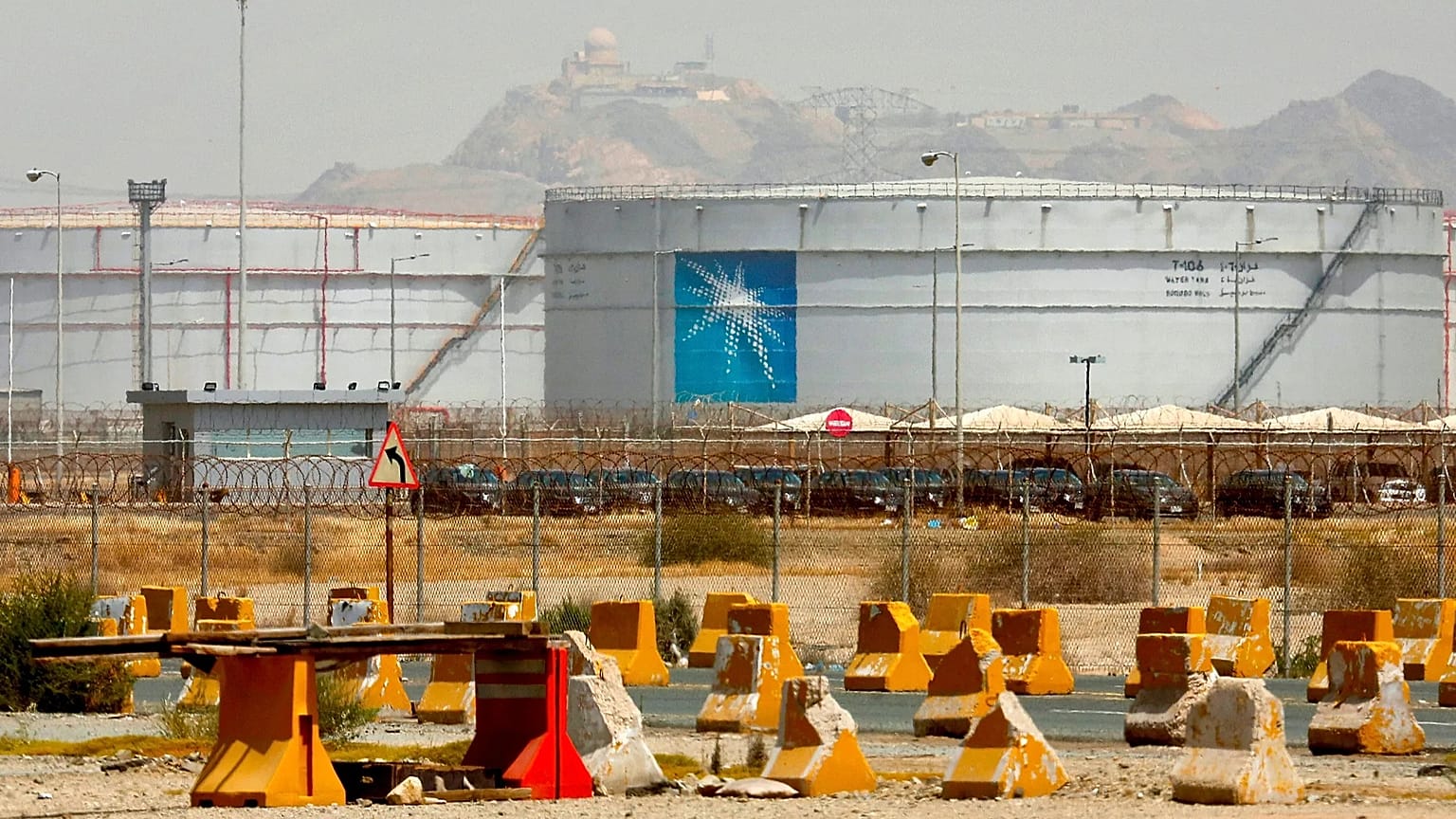
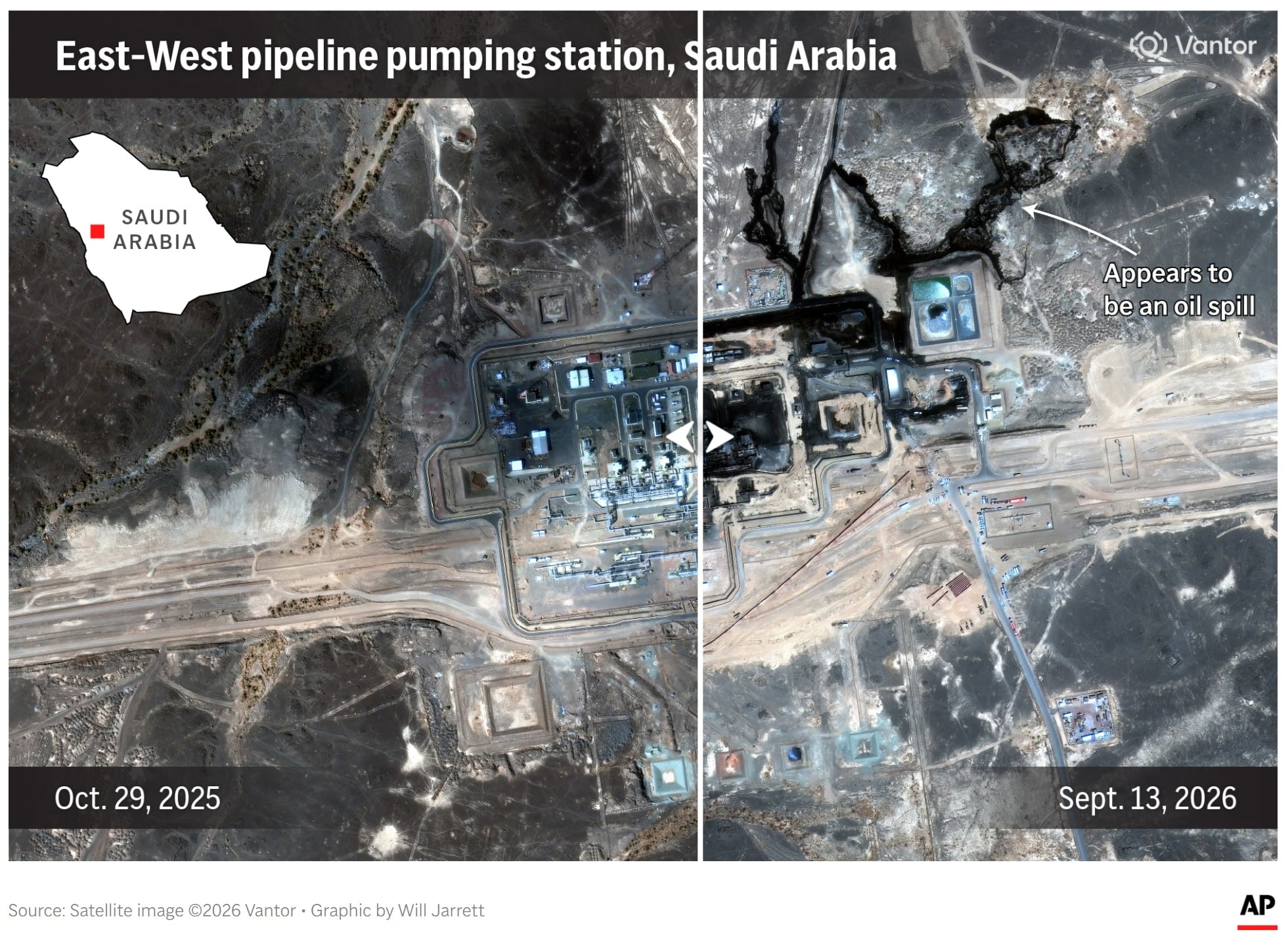
The geopolitical crisis in the Middle East is creating a critical supply chain shock for cross-border e-commerce sellers. Saudi Arabia's East-West pipeline attacks (News 1-4) have triggered oil price spikes of 10-15% within days, with Brent crude reaching $105.81/barrel and U.S. crude at $102.14 (News 2). The dual maritime chokepoint crisis—Houthi control of the Bab el-Mandeb Strait and Iran's Strait of Hormuz blockade—forces Saudi oil exports through longer Suez Canal routes, adding weeks to transit times and increasing shipping vulnerability (News 4). For e-commerce sellers, this translates directly to higher logistics costs: logistics providers are passing fuel surcharges to customers within weeks of price increases (News 1), with sellers relying on air freight and expedited shipping facing the most immediate cost pressures.
The operational impact varies sharply by seller segment and shipping method. Small-to-medium sellers (SMBs) using FBA or 3PL providers will absorb 8-12% cost increases on air freight within 2-4 weeks, compressing already-thin 5-15% margins in electronics, apparel, and home goods categories. Ocean freight sellers face extended transit times (adding 2-3 weeks via Suez vs. direct Red Sea routes), forcing inventory planning adjustments and working capital strain. Large sellers with diversified logistics networks can negotiate fixed-rate contracts, but SMBs lack this leverage. The crisis also creates sourcing country arbitrage opportunities: sellers currently importing from China/Vietnam face higher shipping costs, making India and Pakistan-based suppliers more competitive despite tariff disadvantages—a 15-20% cost advantage emerges when fuel surcharges exceed tariff differentials.
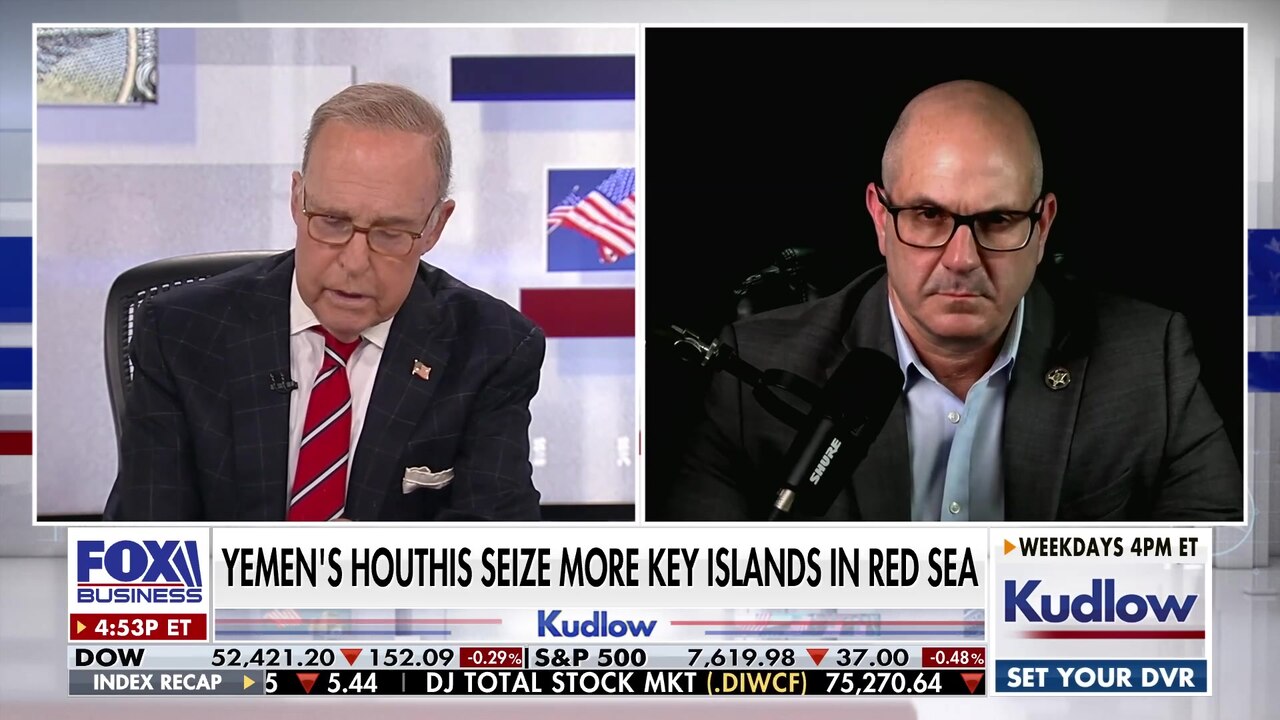
The timeline is immediate and escalating. News 2 confirms Saudi Arabia's mitigation efforts (ship-to-ship transfers near Oman) have temporarily stabilized prices, but News 3-4 reveal the underlying geopolitical risk remains unresolved: Houthi territorial advances, Iran's blockade strategy, and strained U.S.-Saudi relations mean sustained disruptions are likely through Q4 2026. U.S. Energy Secretary Chris Wright's characterization of the outage as "brief, temporary" (News 2) conflicts with analyst warnings that renewed escalation could push crude to multi-month highs. Sellers must act within 2-4 weeks before fuel surcharges become standard, locking in higher costs for 6-12 months. The Mecca Joint Defense Agreement (News 4) signals Saudi Arabia is building long-term maritime security infrastructure, but this won't stabilize prices for 3-6 months minimum.
Questions 7
How long will the Red Sea shipping disruptions last?
News 2 suggests temporary relief through Saudi Arabia's ship-to-ship transfers, but News 3-4 reveal underlying geopolitical risks persist. Houthi territorial advances, Iran's blockade strategy, and strained U.S.-Saudi relations indicate sustained disruptions through Q4 2026 minimum. The Mecca Joint Defense Agreement (News 4) signals 3-6 month timeline for maritime security stabilization. Plan for elevated fuel surcharges through December 2026; reassess in Q1 2027 based on diplomatic progress. Sellers should lock in fixed-rate contracts now before rates increase further.
What's the best strategy for managing FBA inventory during this crisis?
Reduce air freight dependency by 30-40% and shift to ocean freight with 4-6 week lead times (News 4 shows Suez routing adds 2-3 weeks). Increase safety stock by 2-3 weeks to buffer extended transit times. For fast-moving SKUs (BSR <10K), maintain FBA levels but negotiate fixed fuel surcharge rates with 3PL providers. For slow movers (BSR >50K), reduce FBA inventory and use Fulfillment by Merchant to avoid storage fees. Monitor Brent crude prices weekly; if prices exceed $110/barrel, accelerate inventory shipments before surcharges increase further.