




Rising Global Interest Rates & Bond Yields Impact Cross-Border Seller Financing
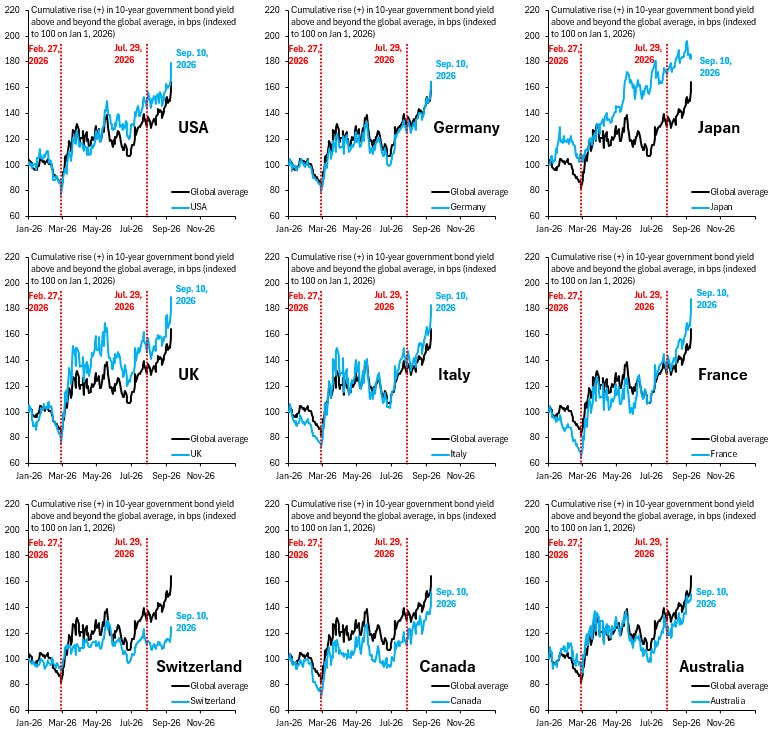
- US Treasury at 5.04% highest since 2007; South Korea yields up 178 bps; affects seller working capital access and payment processing costs






























Overview
The global macroeconomic environment is shifting dramatically as interest rates and bond yields surge across major economies, creating both immediate financing challenges and strategic opportunities for cross-border e-commerce sellers. As of September 2026, the U.S. 10-year Treasury reached 5.04%—its highest level since 2007—while South Korea's 10-year yields jumped 178 basis points year-over-year and Japan's rose 145 basis points. Simultaneously, the Federal Reserve raised US interest rates to 3.75-4%, marking the first increase in three years, directly impacting consumer discretionary spending and seller access to capital.
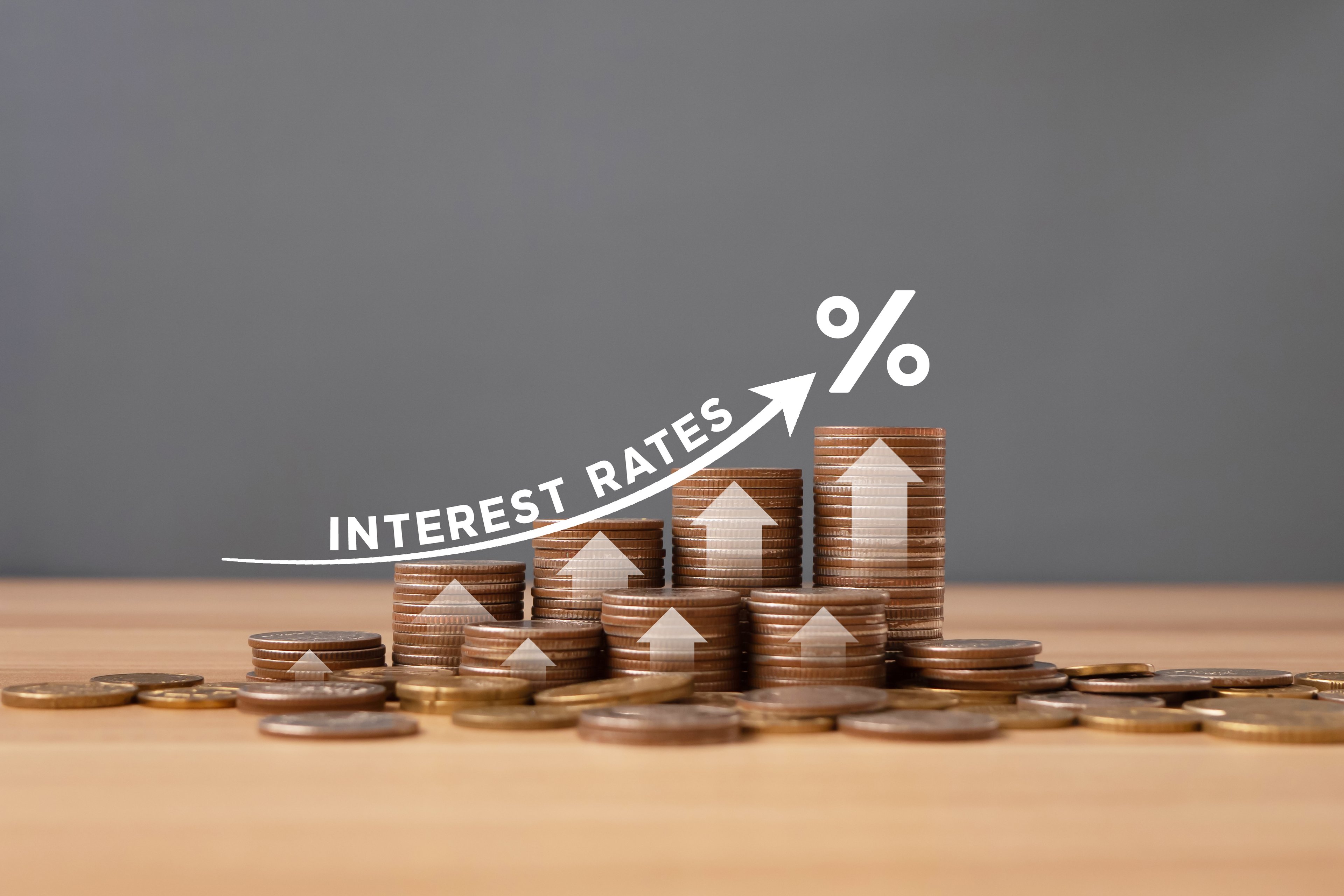
For cross-border sellers, this environment creates a dual pressure: rising borrowing costs compress working capital availability while higher US rates reduce consumer purchasing power for imported goods. Sellers targeting the US market face immediate headwinds as higher mortgage, auto loan, and credit card rates reduce household discretionary spending—the primary driver of demand for imported electronics, apparel, home goods, and beauty products. Simultaneously, sellers' own financing costs have escalated dramatically. Traditional inventory loans, PO financing, and invoice factoring now carry higher APR rates (typically 8-15% for small sellers, up from 6-10% previously), making it more expensive to fund inventory expansion or bridge cash flow gaps during peak seasons.
The financing landscape is fragmenting by geography and seller size. Sellers with access to Asian financing (Hong Kong, Singapore entities) benefit from relatively lower rates in those markets, while US-based sellers face the steepest cost increases. The $139.3 billion in FDI flowing to data center infrastructure (with SoftBank's $50 billion French commitment) signals that capital is flowing toward tech infrastructure rather than traditional commerce financing, potentially tightening credit availability for mid-market sellers. Payment processing costs are also rising—international payment providers are increasing fees on cross-border transactions as their own funding costs rise, with some adding 15-25 basis points to FX conversion spreads. For sellers processing $50K-$500K monthly in cross-border payments, this translates to $750-$3,000 in additional monthly costs.
Immediate financial optimization becomes critical: sellers must refinance existing debt before rates climb further, lock in fixed-rate financing for Q4 inventory purchases, and evaluate alternative payment routes (direct bank transfers, regional payment hubs) to reduce processing fees. Sellers with strong cash positions should consider accelerating inventory purchases at current prices rather than financing them at higher rates. Those dependent on short-term working capital financing should explore supply chain financing products (invoice factoring, inventory-backed loans) from fintech lenders who may offer better terms than traditional banks. Currency hedging strategies become more valuable—sellers with USD exposure should lock in forward contracts now to protect against further dollar strength driven by higher US rates.
Questions 8
Will higher US interest rates reduce demand for my imported products on Amazon and other marketplaces?
Yes, higher interest rates typically reduce consumer discretionary spending, which directly impacts demand for imported goods. When mortgage, auto loan, and credit card rates increase, US household budgets tighten, reducing purchases of non-essential categories like electronics, apparel, home décor, and beauty products—categories heavily dependent on cross-border imports. The BBC analysis indicates this rate increase will compress consumer spending, particularly affecting mid-to-premium price point products. Sellers should expect 5-15% demand softening in discretionary categories over the next 2-3 quarters. To mitigate, consider shifting inventory toward essential/value categories, implementing dynamic pricing strategies, and increasing marketing spend to maintain visibility during lower-demand periods.
How can I reduce my payment processing costs as international payment fees rise?
Payment processing costs are rising as providers increase FX conversion spreads by 15-25 basis points due to their own higher funding costs. For sellers processing $50K-$500K monthly in cross-border payments, this adds $750-$3,000 in monthly costs. Optimization strategies include: (1) consolidating payments through regional payment hubs (Hong Kong, Singapore) where rates remain lower; (2) using direct bank transfers instead of payment processors for large transactions; (3) negotiating volume discounts with providers like Wise, Stripe, or PayPal; (4) batching payments to reduce transaction frequency. Sellers with Asian entities can leverage lower-cost payment corridors from HK/SG to US, potentially saving 30-50 basis points on FX spreads compared to direct US-based processing.