





Fed Rate Hike to 3.75-4% Increases Seller Financing Costs | Cross-Border Impact
- 25 basis point increase compounds 2025-2026 rate pressures; SME sellers face 8-15% higher inventory financing costs; currency volatility threatens cross-border margins





Overview
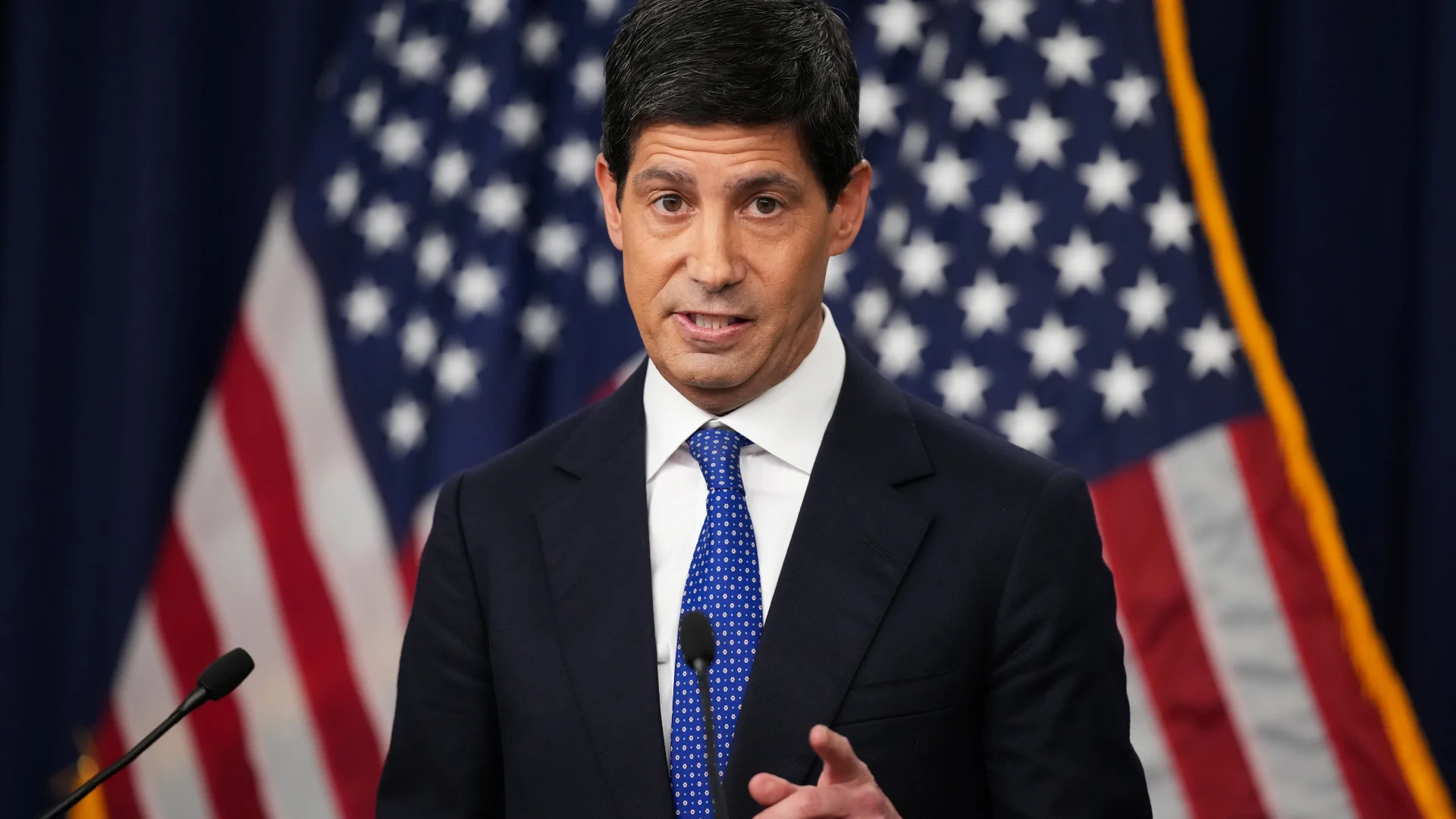
The Federal Reserve's unanimous 25 basis point interest rate increase to 3.75-4.00% (announced by Chairman Kevin Warsh) directly impacts cross-border e-commerce sellers' financing costs and operational profitability. With inflation persisting at 3.4%—above the Fed's 2% target for over five years—the central bank prioritizes inflation control over economic stimulus, despite President Trump's public criticism calling rates "artificially high" and advocating for reductions to "1% or less" (September 17, 2026). This policy stance creates immediate financial headwinds for the estimated 2-3 million SME sellers relying on credit lines for inventory purchases and working capital.
Direct Financing Impact on Sellers: Small and medium-sized cross-border sellers face compounding rate pressures accumulated throughout 2025-2026. Higher interest rates increase borrowing costs for inventory purchases, working capital loans, and business expansion—critical operational levers for sellers managing multi-market inventory. A seller with $100,000 in outstanding inventory financing at variable rates experiences an additional $250-300 in monthly interest costs per 25 basis point increase. For sellers carrying $500,000+ in debt across multiple markets, cumulative rate increases translate to $1,200-1,500 monthly cost increases, directly compressing profit margins by 8-15% depending on category and turnover velocity. This effect disproportionately impacts SME sellers who lack the capital reserves of large enterprises and depend on credit access for seasonal inventory builds.
Currency Volatility & Cross-Border Transaction Costs: The Fed's rate maintenance signals continued monetary tightening, which strengthens the U.S. dollar relative to other currencies. This creates dual pressures for cross-border sellers: (1) sellers sourcing inventory from China, Vietnam, or India face higher dollar-denominated costs when converting local currencies, and (2) sellers with international revenue streams experience margin compression when foreign currency earnings convert back to dollars at unfavorable rates. Recent polling shows 29% of American voters prioritize the economy as their top concern, with 15% specifically focused on affordability—signaling reduced consumer purchasing power in key markets. Higher rates reduce consumer credit availability, directly dampening demand for discretionary categories (electronics, apparel, home goods) where cross-border sellers concentrate inventory.
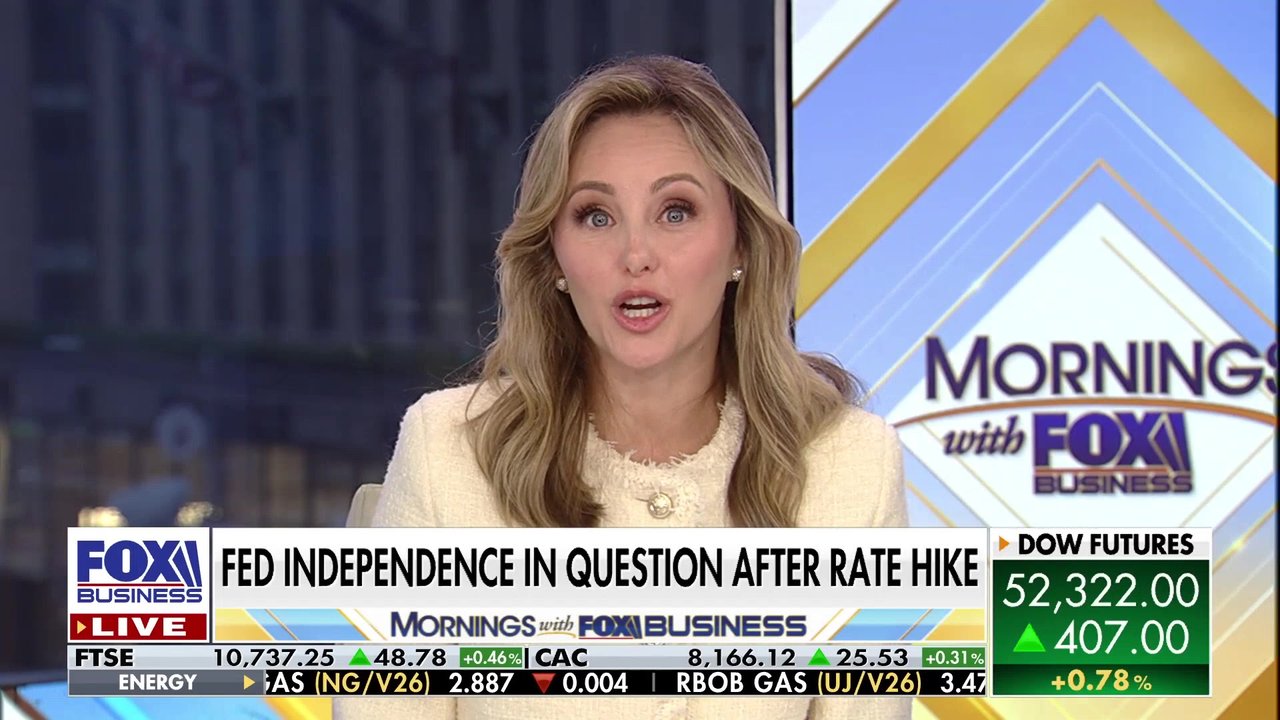
Political Uncertainty & Policy Outlook: Trump's public criticism of the Fed creates institutional tension but does not immediately change policy direction. Chicago Fed President Austan Goolsbee confirmed inflation progress has stalled after initial improvements, necessitating continued rate action. However, the political pressure may influence future decisions, creating uncertainty for sellers' financial planning. The Fed's institutional independence means Trump's rhetoric alone won't reverse course, but sustained political pressure could eventually influence appointment decisions or policy shifts in 2027-2028. Sellers should assume rates remain elevated through Q1 2027 at minimum, requiring immediate working capital adjustments.
Questions 8
Which seller segments are most vulnerable to higher interest rates?
Small and medium-sized sellers (SMEs) relying on credit lines for inventory financing face the greatest vulnerability. Unlike large enterprises with capital reserves, SMEs depend on credit access for seasonal inventory builds and working capital. Sellers in discretionary categories (electronics, apparel, home goods) face dual pressures: higher financing costs plus reduced consumer demand. Sellers with dollar-denominated debt and international revenue streams experience currency headwinds. Conversely, sellers in essential categories (groceries, health/beauty, household supplies) with strong cash flow and minimal debt face less pressure. Consider shifting 20-30% of inventory allocation toward essential categories with more stable demand and lower financing requirements.
How do higher interest rates reduce consumer demand for my products?
Higher interest rates reduce consumer purchasing power by increasing borrowing costs for credit cards, personal loans, and buy-now-pay-later services. Recent polling shows 29% of American voters prioritize the economy as their top concern, with 15% specifically focused on affordability. Reduced credit availability dampens demand for discretionary categories (electronics, apparel, home goods) where cross-border sellers concentrate inventory. Sellers should expect 10-20% demand reduction in discretionary categories during 2026-2027, requiring inventory adjustments and potential category diversification toward essential goods with more stable demand.