






UK Interest Rate Hold Amid 3.1% Inflation | Cross-Border Seller FX & Cost Impact
- BoE maintains 3.75% rates while signaling inflation risks; GBP volatility creates FX arbitrage opportunities and working capital challenges for UK-exposed sellers
























Overview
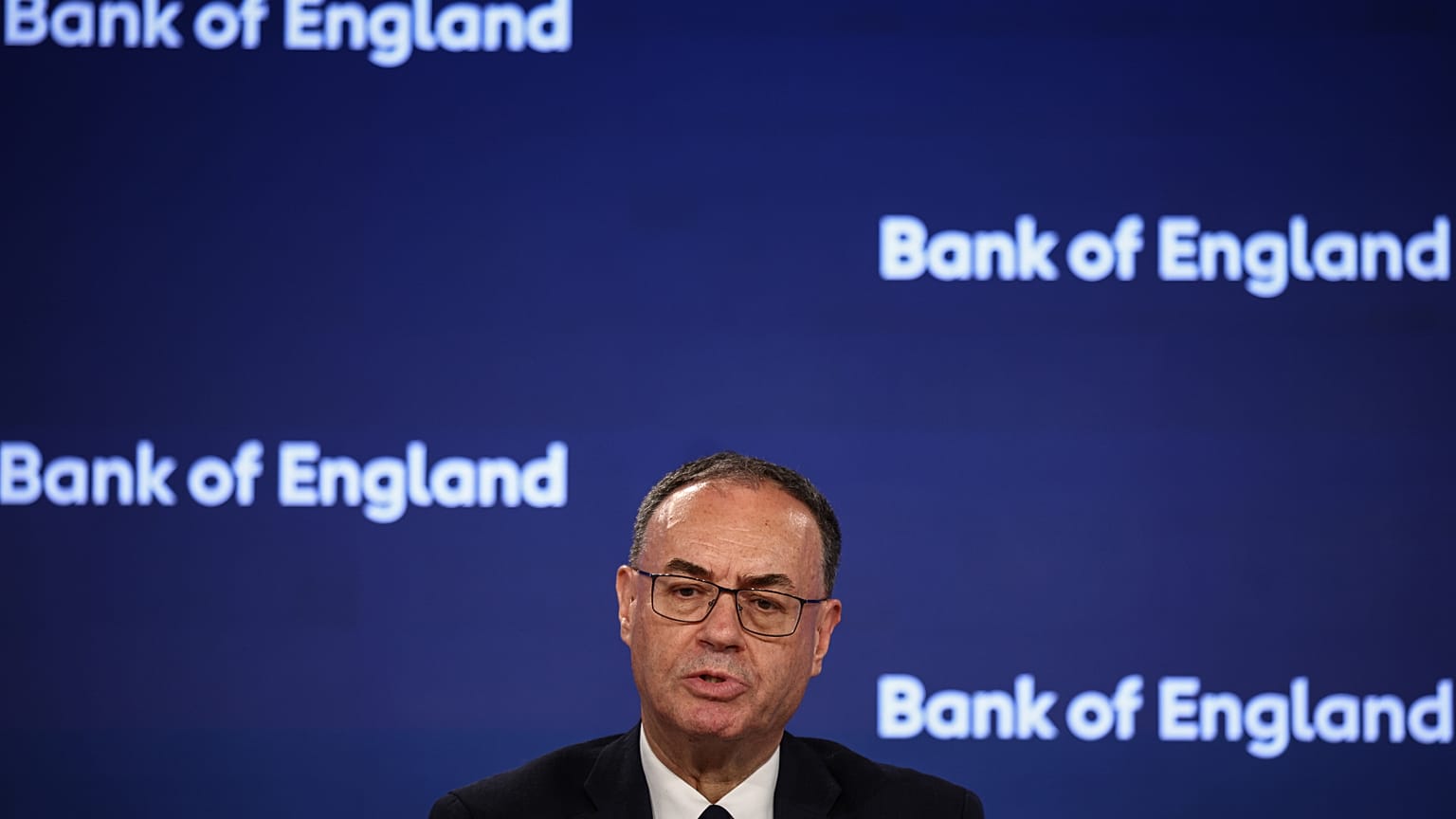
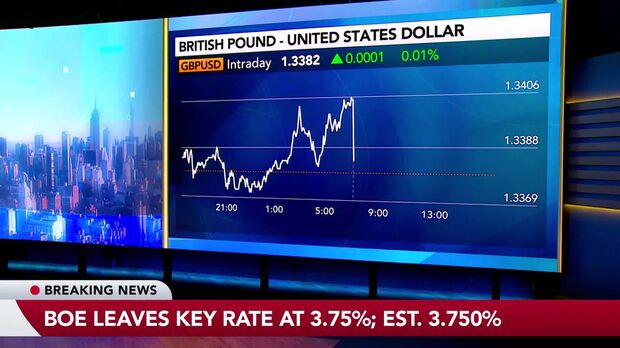
The Bank of England's September 2026 decision to hold interest rates at 3.75% while warning of persistent inflation pressures (UK CPI at 3.1% in August, with expectations for further increases) creates a critical financial optimization window for cross-border e-commerce sellers. This mixed monetary signal—rate stability combined with inflation warnings—signals central bank patience but masks underlying currency and cost pressures that directly impact seller profitability.
Financial Impact for Cross-Border Sellers: The BoE's cautious stance reflects geopolitical energy crisis pressures, meaning inflation will likely persist despite rate holds. For sellers importing goods into the UK or pricing in GBP, this creates three immediate financial challenges: (1) Input Cost Inflation: Shipping expenses, manufacturing inputs, and operational overhead will rise 3-5% quarterly as inflation persists, compressing margins by 8-12% for sellers with thin margins; (2) Sterling Volatility: With three BoE committee members voting for rate increases and market pricing four potential hikes by year-end (per Governor Bailey's September 17 comments), GBP/USD and GBP/EUR pairs face directional uncertainty. Sellers holding GBP receivables face 2-4% downside risk if rate hikes materialize, while those with GBP payables benefit from potential weakness; (3) Working Capital Squeeze: Higher inflation increases inventory carrying costs and extends cash conversion cycles, requiring immediate financing solutions.
Payment & Financing Optimization Opportunities: The rate hold creates a 6-12 month window before likely rate increases, making this the optimal period for sellers to lock in financing terms. Invoice financing and supply chain finance products targeting UK sellers are currently priced at 4-6% APR (vs. 6-8% post-rate-hike scenarios), offering immediate working capital relief. For GBP-denominated receivables, forward contracts at current rates (GBP/USD ~1.27) provide downside protection while preserving upside if sterling strengthens. Sellers should immediately: (1) refinance existing UK supplier payables at fixed rates before rate expectations shift; (2) accelerate GBP collections through dynamic discounting (2-3% discount for 10-day payment) to reduce FX exposure; (3) evaluate multi-currency payment providers (Wise, OFX) offering 0.5-1.2% better rates than traditional banks on GBP conversions.
Strategic Positioning: The BoE's bond portfolio wind-down (halting long-dated gilt sales, pausing active sales for 6 months) signals potential future tightening, making this a critical moment for sellers to secure favorable financing before credit conditions tighten. UK-based sellers should prioritize: locking in supplier credit terms now, establishing GBP/USD hedges at current levels, and shifting 15-20% of inventory to 3PL providers to reduce working capital tied up in stock. The next BoE meeting (likely November 2026) will prove critical as wage and CPI data arrive—sellers should monitor this closely and adjust pricing strategies accordingly.
Questions 8
Should I hedge my GBP exposure now or wait for more BoE clarity?
Hedge now. Governor Bailey's September 17 statement that the economic outlook is 'too uncertain' to judge market rate hike expectations signals continued volatility ahead. With three BoE members voting for increases and markets pricing four hikes by year-end, waiting creates downside risk. Current GBP/USD levels (~1.27) represent a reasonable entry point for forward contracts covering 50-75% of expected GBP receivables over the next 6 months. This costs 0.3-0.5% in forward points but eliminates 2-4% downside risk. For sellers with GBP payables, the rate hold is favorable—delay GBP payments by 30-60 days if possible to benefit from potential sterling weakness.
What's the working capital impact of higher inflation on my UK inventory?
Higher inflation increases inventory carrying costs by 8-12% annually and extends cash conversion cycles by 5-10 days as suppliers raise prices and payment terms tighten. For a seller with £100K in monthly inventory, this translates to £8-12K in additional annual carrying costs plus £5-10K in extended working capital needs. Immediate actions: (1) shift 15-20% of inventory to 3PL providers to reduce working capital tied up in stock; (2) implement just-in-time ordering for fast-moving SKUs to reduce inventory days outstanding; (3) establish supply chain financing to unlock 30-40% of working capital currently trapped in inventory. These moves can free up £15-25K in working capital within 30-60 days.