

Fed Rate Hike Cycle 2026 | Working Capital & FX Risk for Cross-Border Sellers
- 25 basis point rate increase to 3.75-4% raises inventory financing costs 150-250 bps for sellers; Treasury yield volatility (4.95%-5%+ range) creates FX exposure for multi-market operations


















Overview
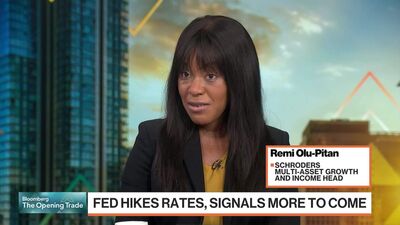
The Federal Reserve's first rate increase in three years (September 16, 2026) to a 3.75-4% target range marks a critical inflection point for cross-border e-commerce sellers managing working capital and currency exposure. The FOMC's dot-plot signals 16 of 18 participants expect additional rate hikes through year-end, with four officials projecting two more increases, creating a hiking cycle that directly impacts seller financing costs and consumer purchasing power.
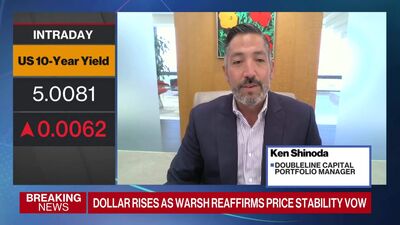
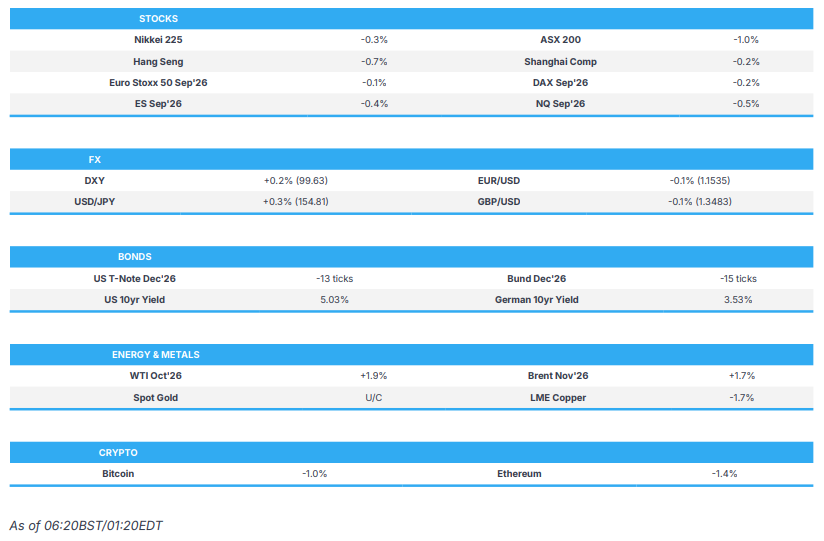
Immediate Financial Impact on Sellers: Higher Fed rates translate directly to increased borrowing costs for inventory financing and working capital lines of credit. Sellers relying on inventory loans, PO financing, or revolving credit lines will face 150-250 basis point increases in APR rates within 30-60 days as lenders reprice risk. For a seller with $500K in outstanding inventory financing at 8% APR, this represents an additional $7,500-12,500 in annual interest expense. The Treasury yield surge above 5% (10-year yield peaked above 5% before retreating to 4.95%) affects currency valuations across major trading corridors (USD/EUR, USD/CNY, USD/INR), directly impacting international shipping costs and FX hedging expenses for sellers operating in multiple markets.
Oil Price Volatility & Logistics Cost Escalation: Brent crude prices near $100/barrel due to Middle East tensions directly increase fuel surcharges on international shipments. Sellers shipping from Asia to North America or Europe typically face 3-8% fuel surcharge premiums that escalate with crude prices. The news reports Saudi Arabia's pipeline reopening eased some supply concerns, with Brent dropping $3 to $102/barrel, but geopolitical uncertainty persists. Logistics providers (DHL, FedEx, UPS) typically adjust fuel surcharges monthly, meaning sellers should expect 2-4% increases in per-unit shipping costs for the next 60-90 days. This compounds margin compression from higher financing costs, particularly affecting low-margin categories (electronics, home goods, apparel) where logistics represent 15-25% of COGS.
Consumer Demand Headwinds & Cash Conversion Cycle Risk: Higher interest rates reduce consumer purchasing power and discretionary spending. Jobless claims data (196,000 for week ending September 12, below expectations of 207,000) shows labor market resilience, but housing starts underperformed forecasts, signaling potential consumer caution. Sellers should anticipate 5-12% demand softening in discretionary categories (home décor, electronics, fashion) over the next 2-3 months as consumers delay purchases. This extends cash conversion cycles—inventory sits longer before converting to sales, tying up working capital precisely when financing costs are rising. The combination creates a liquidity squeeze: higher borrowing costs + slower inventory turnover + elevated logistics expenses = compressed margins and potential cash flow stress for undercapitalized sellers.
FX Hedging Opportunities & Strategic Positioning: Treasury yield volatility creates both risks and opportunities for FX management. The 10-year yield retreated 6 basis points to 4.943% on September 17, signaling bond market stabilization per JPMorgan strategists who noted "maximum pain" has been reached. This suggests the acute phase of yield volatility may be passing, creating a window for sellers to lock in FX hedges at current rates before potential further rate hikes in December. Sellers with significant EUR, GBP, or CNY exposure should consider 3-6 month forward contracts now to protect against further USD strength. The Fed's December rate decision (avoiding October to prevent political optics before midterm elections) provides a known decision point—sellers can structure hedges around this timeline.
Questions 8
Will higher interest rates reduce consumer demand for my products?
Yes—higher rates typically reduce discretionary spending within 2-3 months. While jobless claims data (196,000 for week ending September 12) shows labor market resilience, housing starts underperformed forecasts, signaling consumer caution. Sellers in discretionary categories (home décor, electronics, fashion) should anticipate 5-12% demand softening as consumers delay purchases. This extends your cash conversion cycle—inventory sits longer before converting to sales, tying up working capital precisely when financing costs are rising. The combination creates margin compression: higher borrowing costs + slower inventory turnover + elevated logistics expenses. Monitor your category's BSR (Best Seller Rank) trends weekly and adjust inventory purchases downward by 15-20% for the next 90 days to avoid excess stock.
How will higher oil prices impact my international shipping costs?
Brent crude near $100/barrel (currently $102 after easing from Middle East tensions) directly increases fuel surcharges on international shipments by 3-8% depending on your shipping lane. DHL, FedEx, and UPS adjust fuel surcharges monthly based on crude prices—expect 2-4% increases in per-unit shipping costs over the next 60-90 days. For a seller shipping 1,000 units monthly from China to North America at $8/unit base cost, a 3% fuel surcharge increase adds $240/month or $2,880 annually. The news reports Saudi Arabia's pipeline reopening eased some supply concerns, but geopolitical uncertainty persists, so budget for sustained elevated fuel surcharges through Q4 2026. Consider consolidating shipments or shifting to slower (but cheaper) ocean freight to offset surcharge increases.