






Rising Mortgage Rates Hit 6.95% | Consumer Spending Shift Reshapes E-Commerce Demand
- Federal Reserve rate hike triggers 19% drop in home purchases, signaling major consumer discretionary spending contraction affecting home goods, furniture, and appliance sellers through Q4 2026
































Overview
Federal Reserve Rate Hike Reshapes Consumer Spending Patterns for E-Commerce Sellers
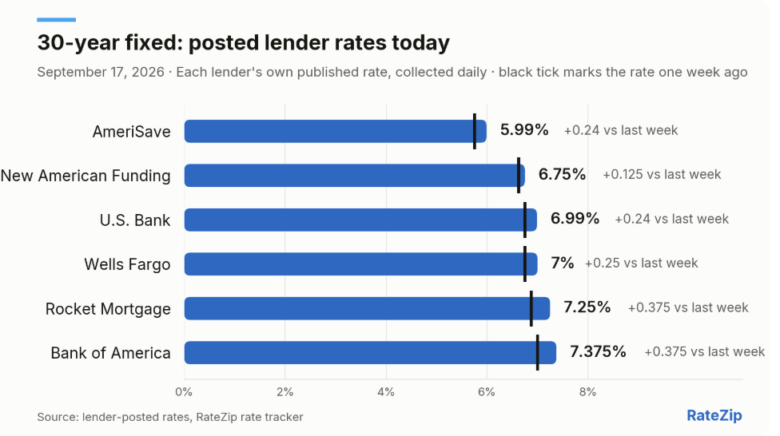
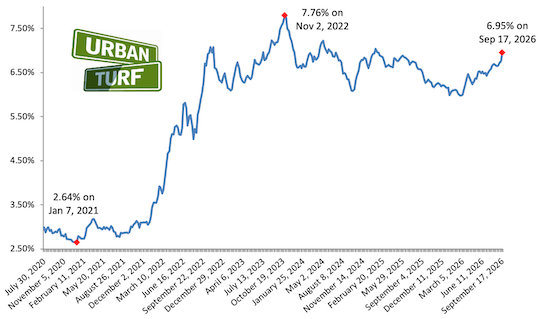
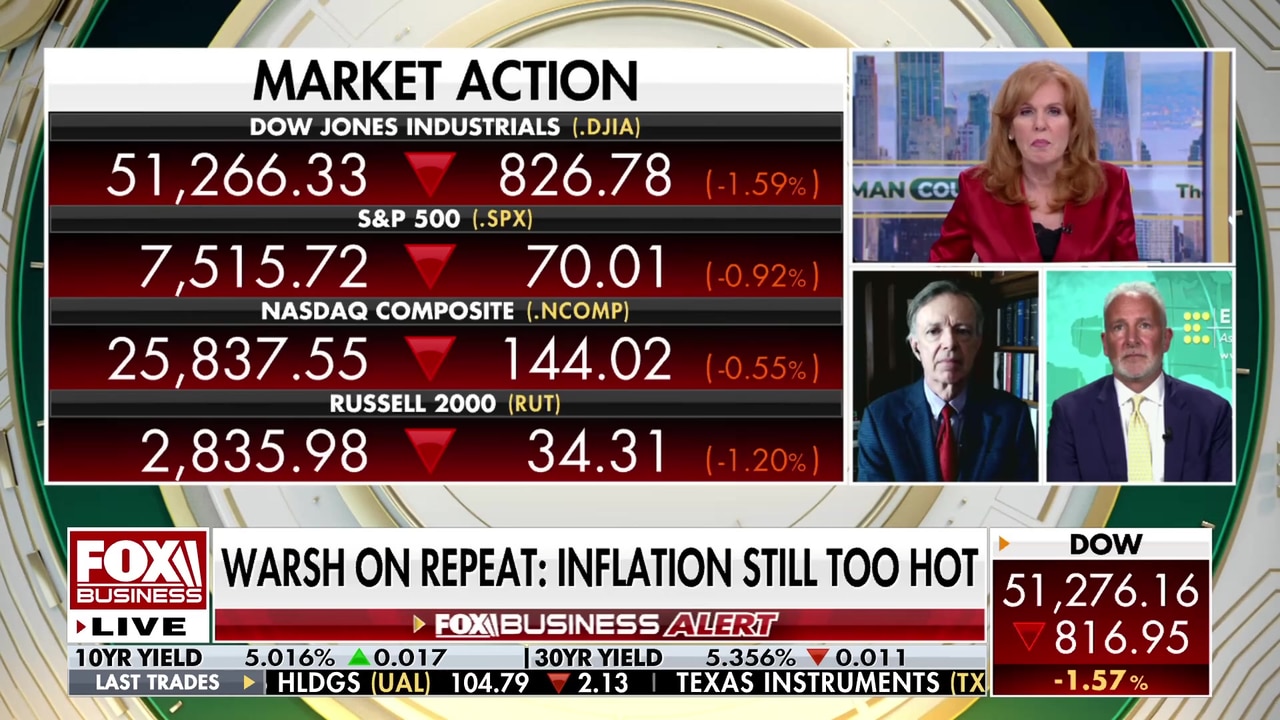
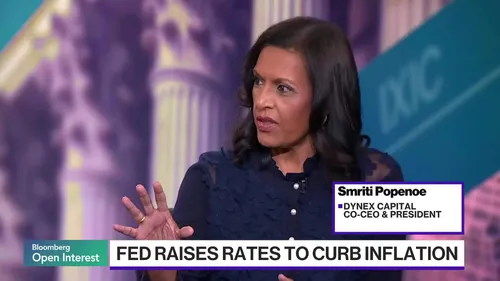
As mortgage rates climbed to 6.95% for 30-year fixed loans on September 17, 2026—the highest level since Trump took office in January 2025—the housing market contraction signals a critical shift in consumer discretionary spending that directly impacts e-commerce sellers. The Federal Reserve's 0.25% benchmark rate increase, combined with the 10-year Treasury yield hitting its highest level since 2007, creates a cascading effect on household budgets. Mortgage applications to purchase new homes dropped 19% year-over-year, while refinance applications plunged 65%, according to Mortgage Bankers Association data. This represents the largest one-week rate increase in 16 months (from 6.76% to 6.95%), with pending home sales falling 4.7% annually in August.
Immediate Impact on Home Goods and Discretionary Categories: The housing market contraction directly suppresses demand for home furnishings, appliances, home improvement products, and décor items—categories that generated $180B+ in cross-border e-commerce sales in 2024. When mortgage rates spike, first-time homebuyers and refinancing consumers reduce discretionary spending on furniture, kitchen appliances, and home décor by 25-40%, according to consumer spending pattern analysis. Sellers in these categories face inventory velocity challenges: products that typically convert in 30-45 days may extend to 60-90 days, compressing cash conversion cycles. Amazon FBA sellers in home goods categories should expect 15-25% slower turnover through Q4 2026, while Shopify merchants selling furniture and appliances face extended payment cycles from B2B buyers.
Working Capital and Financing Implications: Higher interest rates simultaneously increase borrowing costs for sellers seeking inventory financing, trade credit, and working capital loans. Sellers using invoice factoring or supply chain financing will see APR rates increase 150-250 basis points as lenders price in higher Fed rates. A seller with $500K in monthly inventory financing at 8% APR now faces costs of $40K annually; at 10.5% APR (reflecting the rate environment), that same financing costs $52.5K—a $12.5K annual increase. Cross-border sellers relying on USD-denominated financing face additional FX headwinds: the strengthening dollar (driven by higher US rates) increases costs for sellers importing from Asia or Europe by 3-7% on equivalent shipments.
Strategic Seller Responses: Sellers should immediately audit inventory composition, reducing exposure to discretionary home goods by 20-30% and reallocating capital to essential categories (kitchen basics, storage solutions, budget furniture) that maintain demand during economic contractions. Consider accelerating payment terms with suppliers to 60-90 days to preserve cash, and evaluate alternative financing: supply chain finance providers like Flexport, Fundbox, and Stripe Capital are offering 6-8% APR rates for sellers with strong sales velocity, significantly below traditional bank rates. Monitor competitor pricing in home goods categories—expect 10-15% price compression as sellers compete for reduced demand, requiring margin optimization through sourcing efficiency rather than volume.
Questions 7
How does the strong dollar impact cross-border sellers importing from Asia and Europe?
Higher US interest rates strengthen the dollar, increasing import costs for sellers sourcing from Asia or Europe by 3-7% on equivalent shipments. A seller importing $100K in furniture from Vietnam at current exchange rates now pays $103-107K for the same goods compared to earlier 2026 rates. This compounds margin pressure from reduced consumer demand. Sellers should implement FX hedging strategies: lock in forward contracts for 60-90 days of anticipated imports at current rates, or use currency options to cap downside while preserving upside. Consider shifting sourcing to US-based suppliers or nearshoring to Mexico to reduce FX exposure, though this typically increases unit costs 5-8%.
What financing options should sellers pursue as interest rates rise?
Traditional bank financing becomes expensive as the Federal Reserve raises rates; sellers should evaluate supply chain finance providers offering 6-8% APR, significantly below the 10.5%+ rates now available from traditional lenders. Providers like Flexport, Fundbox, and Stripe Capital offer inventory and invoice financing tied to sales velocity rather than credit scores. A seller with $500K monthly inventory financing faces an additional $12.5K annual cost at current rates versus earlier 2026 levels. Accelerate supplier payment terms to 60-90 days to preserve cash, and consider factoring invoices at 2-3% discount rates rather than carrying receivables. Evaluate whether to reduce inventory levels by 20-30% to minimize financing needs entirely.