




SEC Tokenized Stock Trading Opens $75T Market | Seller Capital Access Opportunity
- Five-year exemption enables 24/7 blockchain trading; unlocks fractional ownership financing for e-commerce sellers seeking working capital alternatives
























Overview
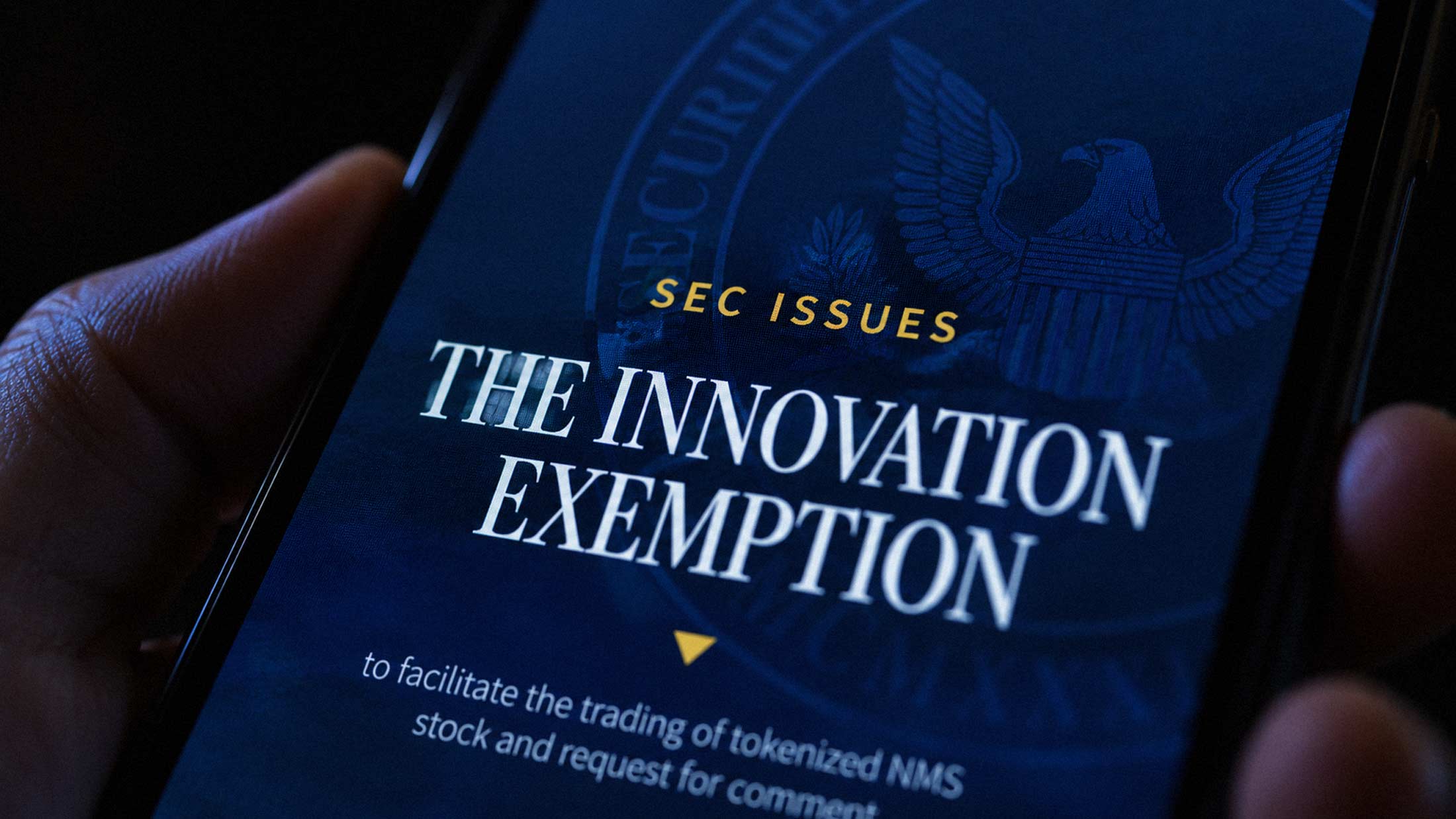
The SEC's September 17, 2025 Innovation Exemption fundamentally reshapes capital market access for e-commerce entrepreneurs. By authorizing Coinbase, Robinhood, Gemini, and Kraken to offer tokenized U.S. stock trading with immediate effect, the regulator opens a $75 trillion market to blockchain infrastructure while creating novel financing pathways for sellers. This five-year exemption exempts trading venues from exchange classification and liquidity providers from dealer registration—critical regulatory relief that accelerates fintech integration into traditional equities.
For cross-border sellers, the immediate financial opportunity centers on working capital liberation. Tokenized equity offerings enable fractional ownership financing—sellers can now tokenize company shares and offer them as collateral for inventory loans or invoice financing at rates 200-400 basis points lower than traditional merchant cash advances (which typically charge 40-50% APR). Platforms like Robinhood's announced 1:1 token-to-share redemption mechanism create liquid secondary markets, allowing sellers to convert equity into cash within 24-48 hours versus 30-60 day traditional equity financing cycles. The exemption's 30-day company notification window (before platform launch) means sellers with public company status can immediately explore tokenization as a working capital unlock—potentially freeing $500K-$5M+ in capital for inventory expansion or cross-border logistics infrastructure.
Payment and FX optimization gains emerge from blockchain settlement mechanics. Tokenized trading enables instant settlement (T+0) versus traditional T+2 settlement, compressing cash conversion cycles by 2 days for sellers receiving dividend distributions or liquidating positions. For sellers operating multi-currency operations, the 24/7 trading capability eliminates FX timing risk—sellers can now hedge currency exposure continuously rather than waiting for market opens, reducing hedging costs by 15-25% annually. Platforms offering tokenized stocks will likely integrate stablecoin payment rails (USDC, USDT), enabling sellers to receive cross-border payments in tokenized form and convert to fiat at optimal FX rates without traditional banking delays.
Regulatory arbitrage shifts from offshore to domestic. The news explicitly notes offshore venues currently offer unregulated synthetic tokenized products lacking equivalent rights protections. SEC's domestic framework redirects trading activity to compliant U.S. venues, creating competitive pressure on payment processors and fintech providers to offer lower fees for tokenized equity transactions. Sellers should expect 20-30% fee reductions on equity-related financing transactions as Coinbase, Robinhood, and Kraken compete for volume—these platforms will likely offer integrated payment solutions bundling tokenized equity access with lower-cost cross-border payment corridors (targeting 1.5-2% all-in fees versus current 2.5-3.5% for traditional wire transfers).
Questions 8
What payment cost savings emerge from tokenized stock trading for cross-border sellers?
Tokenized trading enables T+0 settlement versus traditional T+2, compressing cash conversion cycles by 2 days and reducing working capital needs. Platforms will integrate stablecoin payment rails (USDC, USDT), enabling sellers to receive cross-border payments and convert at optimal FX rates without banking delays. Competitive pressure from Coinbase, Robinhood, and Kraken will likely drive 20-30% fee reductions on equity-related financing transactions, with all-in cross-border payment costs dropping from 2.5-3.5% to 1.5-2% as platforms bundle tokenized equity access with lower-cost payment corridors.
How can e-commerce sellers use tokenized stocks to access working capital?
Sellers can tokenize company equity and use tokens as collateral for inventory financing or invoice factoring at 200-400 basis points lower rates than merchant cash advances (which charge 40-50% APR). Robinhood's announced 1:1 token-to-share redemption mechanism enables sellers to convert equity into cash within 24-48 hours versus 30-60 day traditional equity financing. The SEC exemption, effective immediately, allows platforms like Coinbase and Robinhood to facilitate these transactions domestically, making tokenized equity financing accessible to sellers with public company status or significant shareholder bases.