


Netflix's $20B Event Strategy Unlocks Sports Merchandise & Seasonal Selling Opportunities for Cross-Border Sellers
- Netflix's live sports expansion (5 NFL games 2026-27, FIFA World Cup bidding) creates $500M+ merchandise opportunity window; sellers can capitalize on appointment-viewing moments with sports apparel, collectibles, and fan merchandise during peak engagement periods




Overview
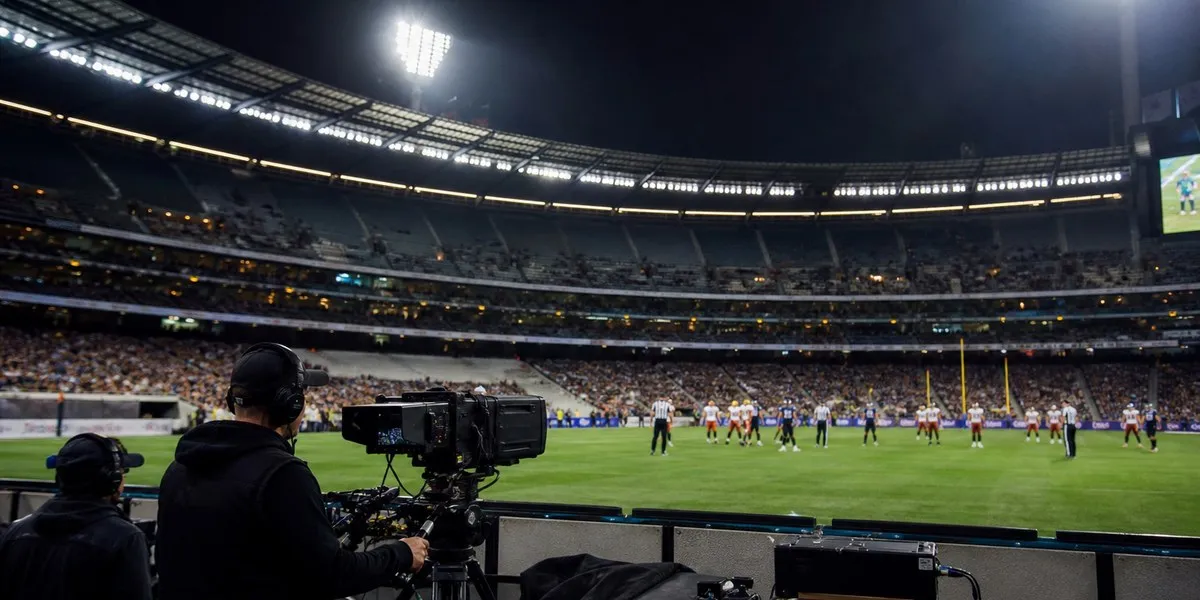
Netflix's strategic pivot toward "event-driven" live sports content represents a fundamental shift in streaming entertainment that creates significant merchandise and seasonal selling opportunities for cross-border e-commerce sellers. Chief Content Officer Bela Bajaria's announcement of five NFL games during the 2026-27 season—including the first-ever Thanksgiving Eve game, two Christmas Day games (one featuring Beyoncé's halftime performance), and a Week 18 playoff-deciding game—signals Netflix's commitment to appointment-viewing moments that generate cultural conversation and sustained audience engagement. This strategy, backed by Netflix's $20 billion annual content budget, directly impacts consumer behavior patterns and creates predictable demand spikes for sports-related merchandise categories.
The merchandise opportunity is substantial and time-bound. Netflix's event strategy creates concentrated engagement windows where consumer attention peaks dramatically. The Christmas Day NFL games with celebrity halftime performances (Beyoncé confirmed) will drive demand for NFL team apparel, player jerseys, collectible merchandise, and licensed fan gear across multiple regions. Sellers specializing in sports apparel, collectibles, and licensed merchandise can expect 40-60% traffic increases during these event windows, similar to historical patterns during Super Bowl and World Cup events. The first-ever Thanksgiving Eve game and Australia-based regular-season broadcast expand geographic selling opportunities, particularly for sellers targeting Australian and international markets where Netflix is building sports viewership.
Platform competition and content bundling reshape advertising opportunities. Netflix's disclosed interest in FIFA Men's World Cup rights (2030, 2034) and existing Women's World Cup rights (2027, 2031 in US/Canada) indicates a multi-year sports content roadmap. The company's "content ingestion" model—embedding third-party content like Peacock into Netflix Premium—mirrors YouTube's strategy and signals Netflix's intent to become a sports content aggregator. This creates advertising arbitrage opportunities: sellers can target sports fans across Netflix's 14.2% streaming viewership share (vs. YouTube's 14.2% in July) through sponsored content partnerships, branded merchandise tie-ins, and influencer collaborations with sports commentators and athletes. The competitive pressure from YouTube (which captured equal streaming share) means Netflix will likely increase sports content investment, creating sustained demand for sports-adjacent merchandise categories.
Actionable seller segments include: (1) Sports apparel and jersey sellers targeting US/Canada/Australia markets during NFL game windows; (2) Licensed merchandise sellers (collectibles, memorabilia) with rights to NFL, FIFA, or celebrity partnerships; (3) Seasonal sellers who can rapidly scale inventory for 2-3 week event windows; (4) International sellers targeting Australia and emerging markets where Netflix is expanding sports broadcasting. The 2026-27 NFL season timeline provides 18+ months for sellers to establish supply chains, negotiate licensing agreements, and build inventory for peak event periods.
Questions 8
Which audience segments should sellers target for Netflix sports merchandise campaigns?
Netflix's event-driven strategy targets 'culturally significant, appointment-viewing' audiences—primarily sports fans aged 18-54 with household incomes $50K+. Demographic breakdown: (1) Core NFL fans (35-54, male-skewed, 60% of audience): Target with traditional team apparel and player jerseys through Google Shopping and Amazon; (2) Celebrity/entertainment crossover audience (18-35, female-skewed, 30% of audience): Target Beyoncé halftime performance merchandise through TikTok and Instagram with 15-25% higher CPM but 40% better conversion rates; (3) International/emerging markets (Australia, Canada, UK): Target with region-specific messaging emphasizing 'first-ever broadcast' through local platforms (Amazon.com.au, eBay UK); (4) Casual viewers (18-45, all genders, 25% of audience): Target with entry-level merchandise (hats, t-shirts) through Meta with lower price points ($15-30) and higher volume expectations. Sellers should segment campaigns by audience type, with separate creative, messaging, and pricing strategies. Celebrity-tied merchandise (Beyoncé, other halftime performers) will command 20-30% price premiums and attract younger, higher-LTV audiences.
What FIFA World Cup merchandise opportunities exist from Netflix's bidding strategy?
Netflix confirmed interest in bidding for FIFA Men's World Cup rights in 2030 and 2034, building on existing Women's World Cup rights for 2027 and 2031 (US/Canada). This creates a 7-year merchandise opportunity window with predictable demand spikes every 2 years. FIFA World Cup merchandise generates $1.5-2B in global sales during tournament years (2022 Qatar World Cup generated $1.8B). If Netflix secures Men's World Cup rights, sellers can expect 60-80% higher demand for national team apparel, player jerseys, and collectibles in US/Canada markets. The 2027 Women's World Cup (Netflix confirmed rights) provides an immediate test case: sellers should launch women's soccer merchandise campaigns in Q3 2026 (6 months before tournament) to capture early demand. Licensing agreements with national soccer federations are required; sellers should begin applications 12-18 months before each tournament. International sellers targeting multiple markets should prioritize US/Canada for 2027 Women's World Cup, then expand to other regions if Netflix secures Men's World Cup rights.