

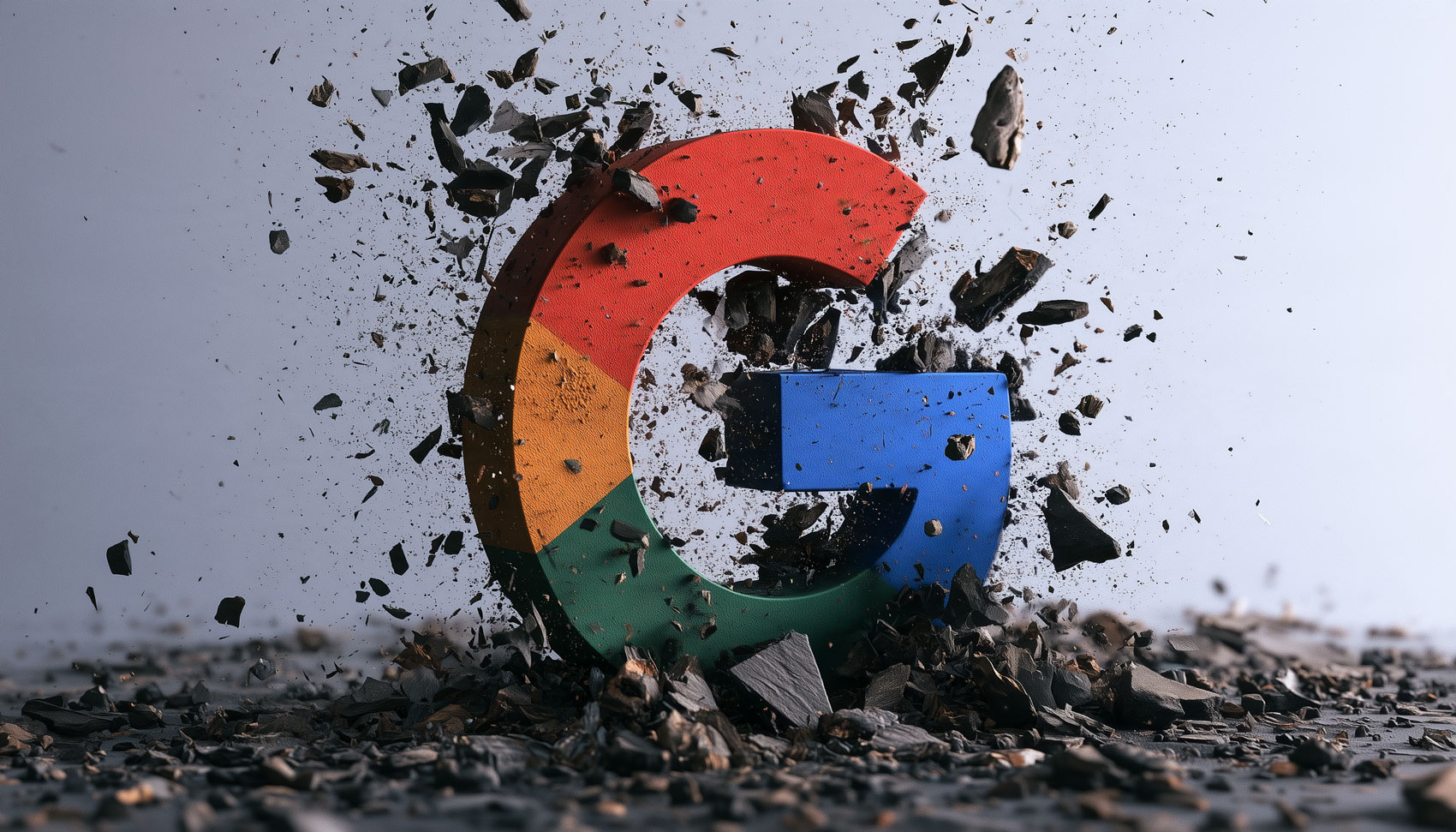


Google Ad Tech Monopoly Ruling | $605B Market Opens to Competing Platforms
- Judge Brinkema mandates 6-year behavioral remedies affecting $605B global advertising market; DFP/AdX untying creates header bidding opportunities for sellers; remedies effective 60 days post-order with global enforcement















Overview
Judge Leonie Brinkema's September 2025 antitrust ruling against Google represents a watershed moment for e-commerce sellers dependent on Google's advertising ecosystem. The 106-page decision found Google illegally monopolized ad technology markets through illegal tying of DoubleClick for Publishers (DFP) and AdX, deploying auction manipulation tactics (first-look, last-look, unified pricing rules) that neutralized header bidding competition. Rather than forcing divestiture, the court mandated behavioral remedies lasting six years—significantly shorter than the 15-year duration sought by the DOJ—affecting the $605 billion global digital advertising market projected for 2026, which represents approximately 73% of Alphabet's annual revenue.
The compliance framework creates immediate competitive opportunities for sellers currently locked into Google's ecosystem. Google must cease requiring websites using its ad server to also use AdX, eliminate publisher lock-in practices, and allow real-time bid access through competing publisher ad servers. Critically, Google must build API integrations connecting AdX and DFP to Prebid (the open-source header bidding framework), submit AdX bids to rival publisher ad servers on equivalent terms, and share real-time bid data with publishers. AdWords is prohibited from bidding directly into DFP or favoring Google's own ad tech tools. A court-appointed technical monitor will oversee compliance with full access to Google's systems and source code. These requirements apply globally, not just in the US, creating uniform compliance obligations across all markets.
For e-commerce sellers, this ruling fundamentally restructures advertising cost dynamics and platform optionality. Sellers currently reliant on Google's advertising ecosystem will see increased competition from alternative ad tech platforms, potentially affecting ad pricing and availability. The data sharing requirements enable new competitors to offer more transparent pricing models and better targeting capabilities—critical advantages for sellers managing thin margins across categories like electronics, apparel, and home goods. Sellers can now negotiate with rival publisher platforms (Amazon DSP, Criteo, The Trade Desk) on equivalent terms, reducing Google's pricing power. However, implementation timelines remain subject to appeal, with Google expected to challenge the ruling immediately, potentially extending the effective date beyond the 60-day post-order window. The court-appointed technical monitor creates a compliance service opportunity worth an estimated $50-100M annually, as Google must maintain API documentation, audit trails, and real-time data feeds for competitor access.
The ruling's global enforcement scope creates compliance complexity for cross-border sellers. Unlike previous US-only remedies, these requirements apply worldwide, meaning sellers operating in EU, UK, and Asia-Pacific markets face identical advertising ecosystem changes. This harmonization eliminates the previous arbitrage opportunity where sellers could optimize campaigns differently by region. Sellers must immediately audit their Google Ads spend allocation (estimated 40-60% of digital ad budgets for mid-market sellers) and develop contingency strategies for alternative platforms. The six-year enforcement period creates a medium-term competitive window before Google potentially appeals or remedies expire, making this a time-sensitive opportunity to build relationships with competing ad tech providers and reduce platform concentration risk.
Questions 8
How does this ruling affect advertising costs for sellers using Google Ads?
The ruling creates competitive pressure on Google's pricing by enabling alternative ad tech platforms to compete on equal terms. Sellers currently reliant on Google's advertising ecosystem may see increased competition from platforms like Amazon DSP, Criteo, and The Trade Desk, potentially affecting ad pricing and availability. The data sharing requirements enable new competitors to offer more transparent pricing models and better targeting capabilities. Industry estimates suggest sellers managing mid-market budgets (40-60% allocated to Google Ads) could negotiate 10-15% cost reductions by shifting volume to competing platforms. However, the six-year enforcement period creates a medium-term window; sellers should audit their Google spend allocation immediately and develop contingency strategies for alternative platforms.
What is the timeline for Google's compliance with the antitrust remedies?
The behavioral remedies are mandated for six years from the effective date, significantly shorter than the 15-year duration sought by the DOJ. Both parties must submit proposed final judgments by October 2, 2026, with remedies taking effect 60 days after Judge Brinkema signs the official order. However, Google has announced plans to appeal the liability ruling, which could extend the implementation timeline substantially. A court-appointed technical monitor will oversee compliance with full access to Google's systems and source code. Sellers should plan for a 3-6 month implementation window before seeing meaningful changes in ad auction mechanics, but should begin diversifying ad platforms immediately to reduce dependency risk.