
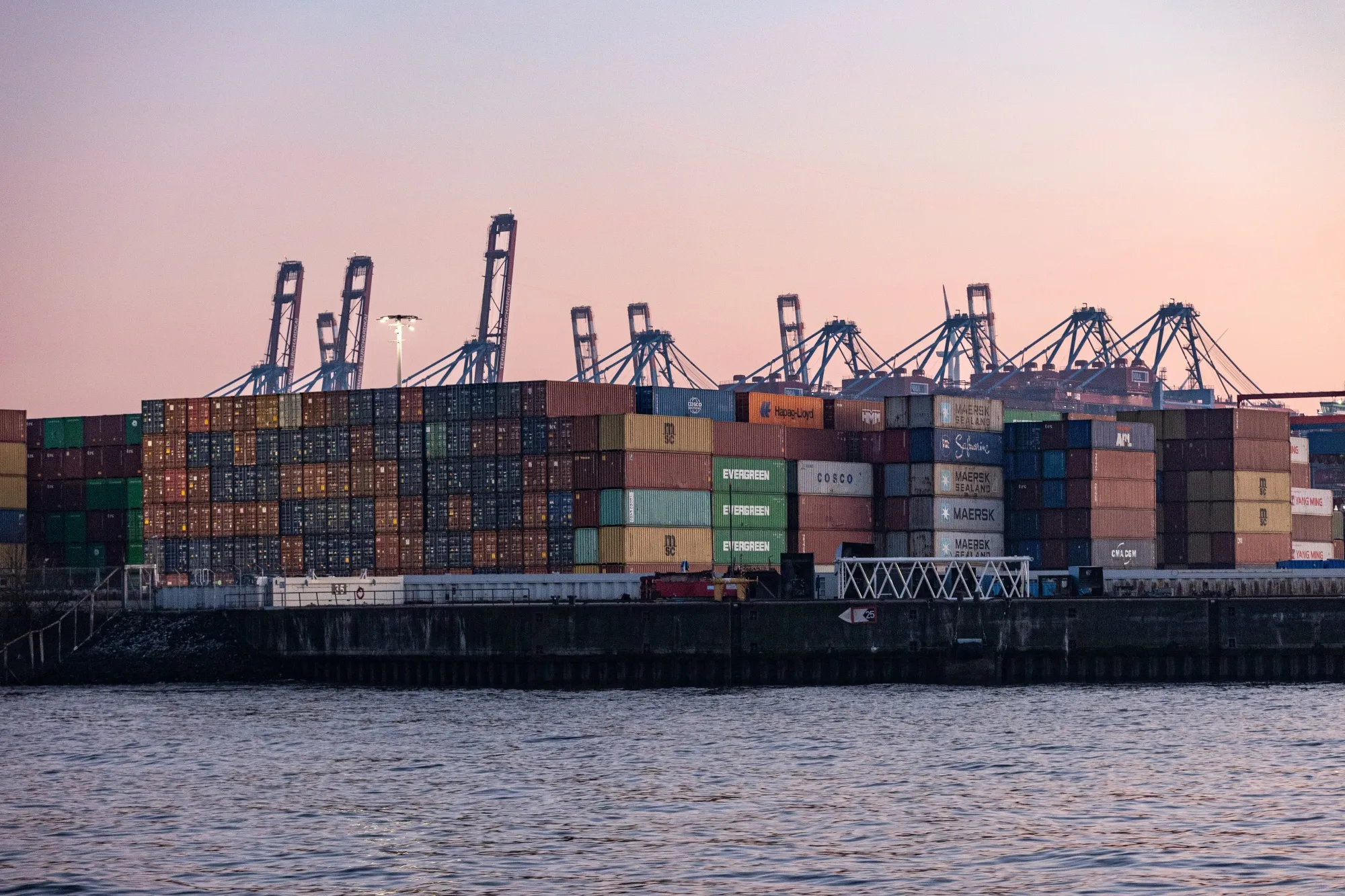


EU-China Trade War Escalates | Critical Tariff & Compliance Risks for Cross-Border Sellers
- €1B daily trade deficit triggers one-month ultimatum; sellers face 8-15% tariff increases, stricter customs, and rare earth supply constraints by Q4 2026



Overview
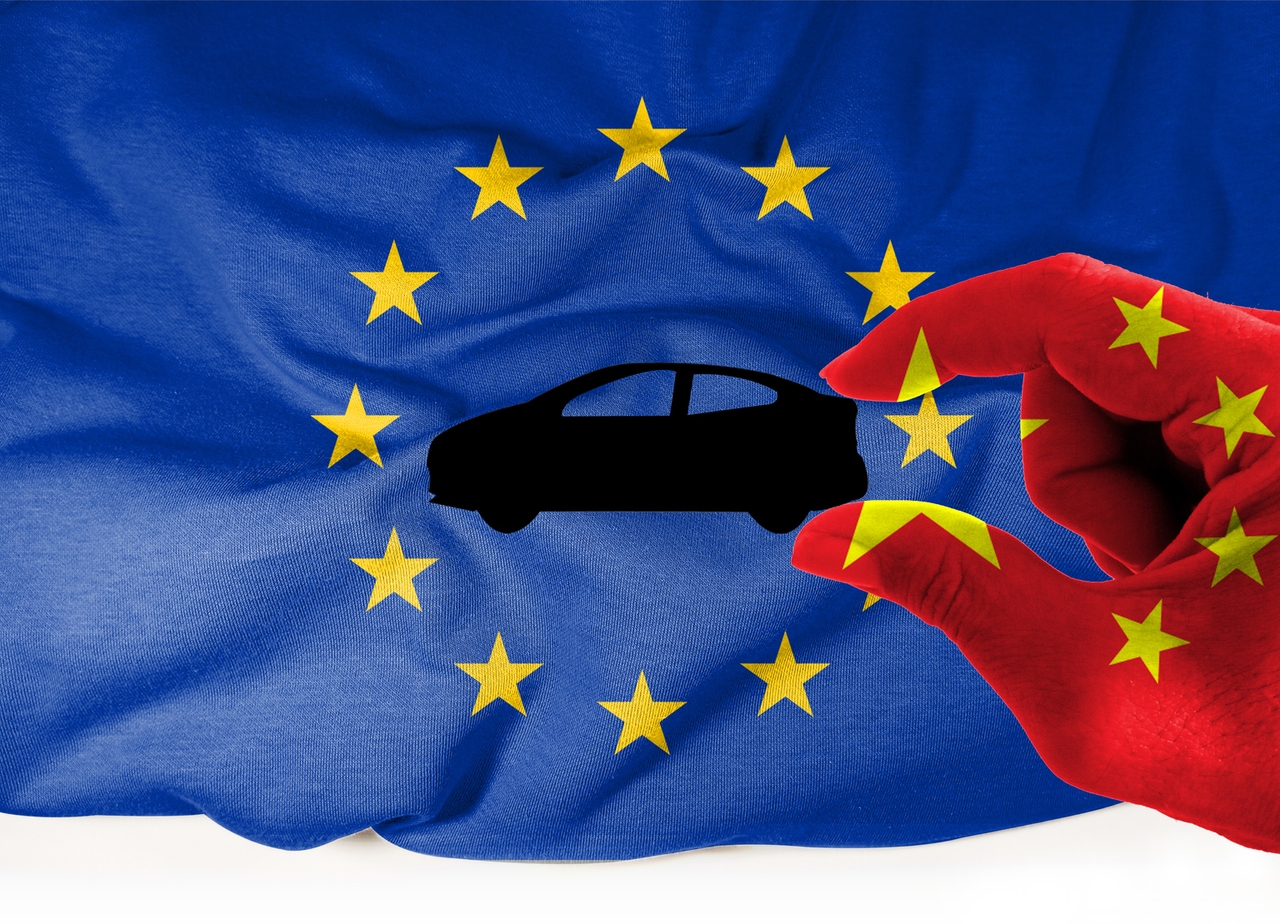
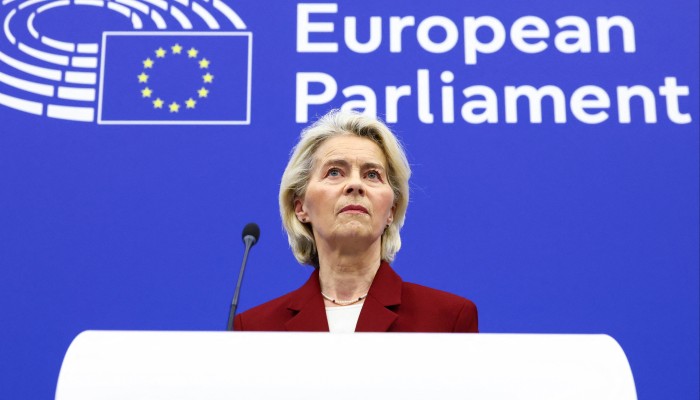
The European Union has issued a one-month ultimatum to China to address a €1 billion ($1.1 billion) daily trade deficit, signaling imminent implementation of comprehensive tariffs, anti-dumping duties, and stricter customs procedures. EU Trade Chief Maros Sefcovic's negotiations with Chinese counterpart Wang Wentao on September 17, 2026, focused on export management, market access, and rare earth export controls—three critical pressure points for cross-border e-commerce sellers. European Commission President Ursula von der Leyen's "China shock" speech reinforced the EU's hardline negotiating position, though deliberately vague on specific measures to maintain negotiating flexibility.
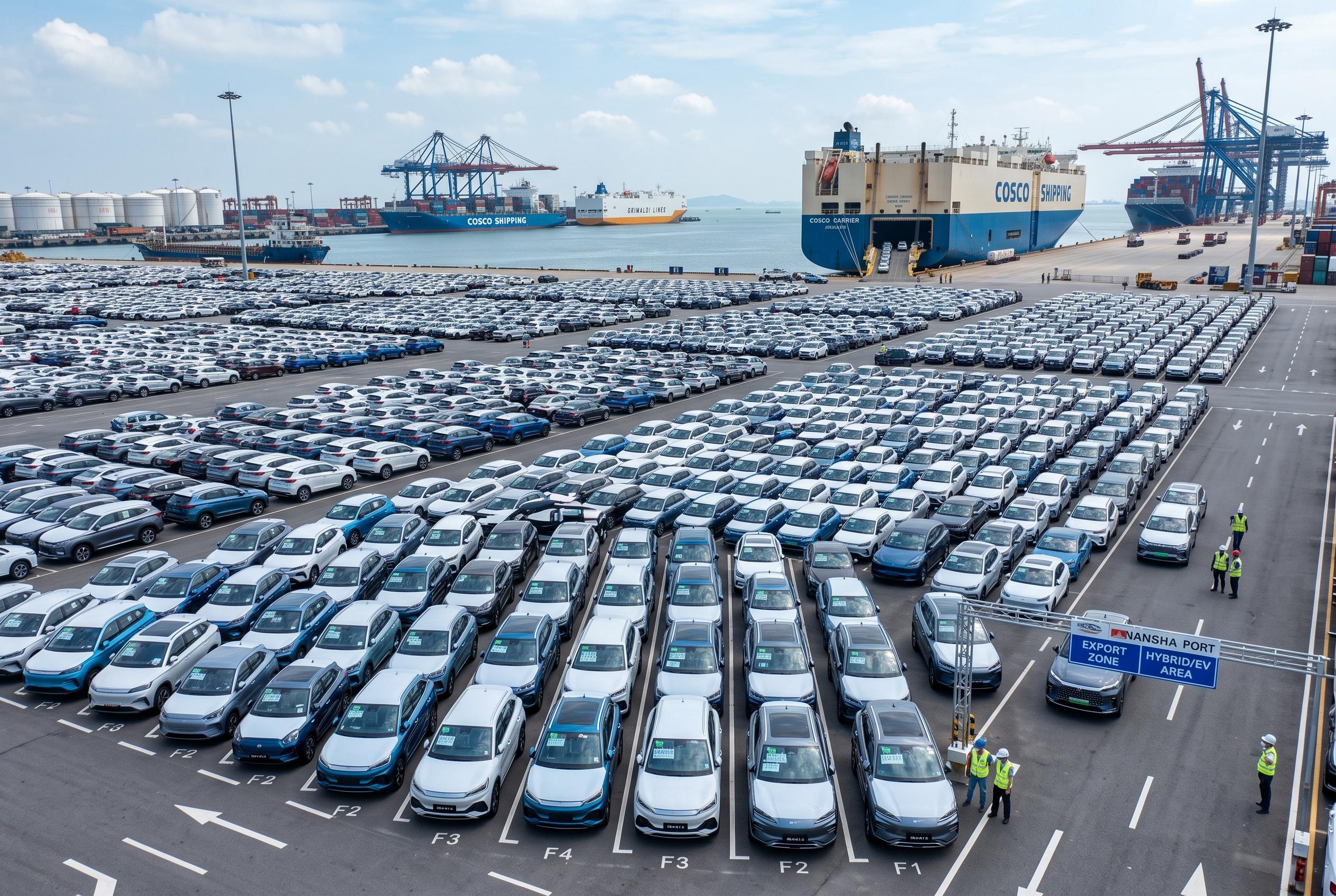
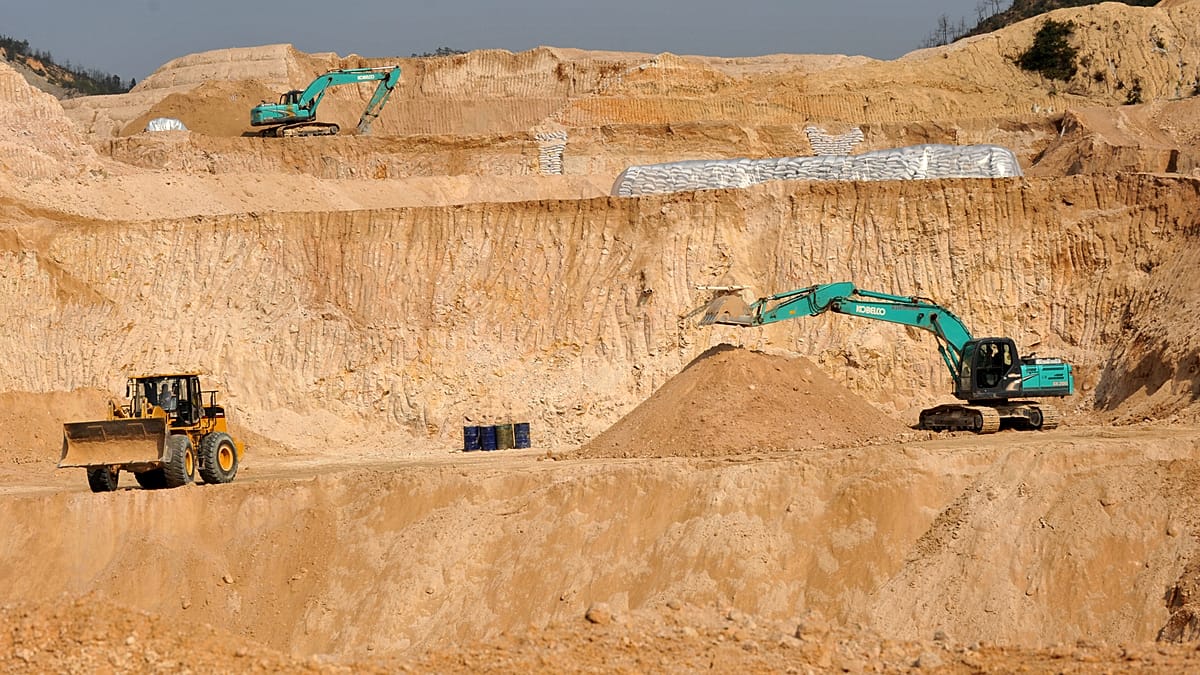
For cross-border sellers, this represents a critical tariff arbitrage and supply chain restructuring window. The immediate impact affects three seller segments: (1) China-sourcing sellers importing to EU face 8-15% tariff increases on electronics, home goods, and apparel categories within 30-60 days; (2) EU sellers exporting to China risk retaliatory measures on machinery, chemicals, and luxury goods; (3) Technology/renewable energy sellers relying on rare earth materials face supply constraints and cost escalation of 12-25% as China tightens export controls. The €365B annual EU-China trade volume means even modest tariff increases (5-8%) translate to $18-29B in cost exposure across the e-commerce supply chain.
Strategic sourcing opportunities emerge for sellers willing to act within the 30-day window. Sellers should immediately audit inventory sourced from China and identify alternative suppliers in Vietnam, India, and Indonesia—countries with lower tariff exposure under EU trade agreements. Electronics sellers can shift 20-30% of inventory to Vietnam-sourced alternatives (typically 3-5% tariff advantage). Apparel and home goods sellers should evaluate India's preferential trade status (duty rates 5-8% lower than China). Rare earth-dependent sellers in electronics and renewable energy sectors must secure 6-12 month supply contracts immediately, as Chinese export controls will likely tighten post-negotiation deadline. The timing window is critical: sellers who diversify sourcing before tariffs are implemented avoid 8-15% cost increases; those who delay face margin compression of 200-400 basis points on affected categories.
Compliance complexity increases significantly across EU markets. Enhanced customs procedures will require detailed product origin documentation, increased testing for compliance with EU standards (CE marking, REACH regulations), and potential anti-dumping duty deposits (typically 15-25% of shipment value). Sellers must update product listings to reflect origin changes, adjust pricing to absorb tariff costs, and prepare for 2-3 week delays in customs clearance during the transition period. The rare earth export control focus particularly impacts sellers in electronics (HS codes 8471-8517), renewable energy equipment (HS 8502-8504), and automotive components (HS 8704-8708)—categories representing $45B+ in annual EU-China trade.
Questions 8
Which countries offer the best tariff alternatives to China for cross-border sellers?
Vietnam, India, and Indonesia offer the most attractive tariff profiles under EU trade agreements. Vietnam benefits from the EU-Vietnam Free Trade Agreement (EVFTA), providing 0-5% tariff rates on electronics and apparel versus 8-15% for Chinese goods—representing 3-5% margin improvement on affected categories. India's preferential trade status delivers 5-8% lower duties on textiles and home goods. Indonesia offers competitive rates on electronics and furniture (HS 9403-9406). Sellers should prioritize Vietnam for electronics (fastest sourcing transition, 4-6 week lead time), India for apparel and textiles (established supply chains), and Indonesia for furniture and home goods. Shifting 20-30% of inventory to these sources within 30 days avoids tariff increases; delays result in 200-400 basis point margin compression.
What specific tariff increases should sellers expect from EU-China trade negotiations?
Based on the EU's one-month ultimatum and historical anti-dumping precedent, sellers should prepare for 8-15% tariff increases on Chinese imports, with anti-dumping duty deposits of 15-25% on affected shipments. The EU has previously imposed 25-38% duties on Chinese steel, solar panels, and electronics. Specific impact varies by HS code: electronics (HS 8471-8517) typically face 10-12% increases, apparel (HS 6204-6209) 8-10%, and home goods (HS 9403-9406) 6-8%. Sellers importing 100+ containers monthly should expect $50K-150K additional monthly costs per product category. The deadline for implementation is approximately 30-60 days from the September 17 speech, making immediate sourcing diversification critical.