



AI Safety Regulations & Development Slowdown | Critical Impact on Seller Automation Tools & Salesforce Commerce Platforms
- AI governance frameworks may delay or restrict seller automation tools; Salesforce commerce solutions face potential policy-driven feature changes affecting 100K+ enterprise retailers

Overview
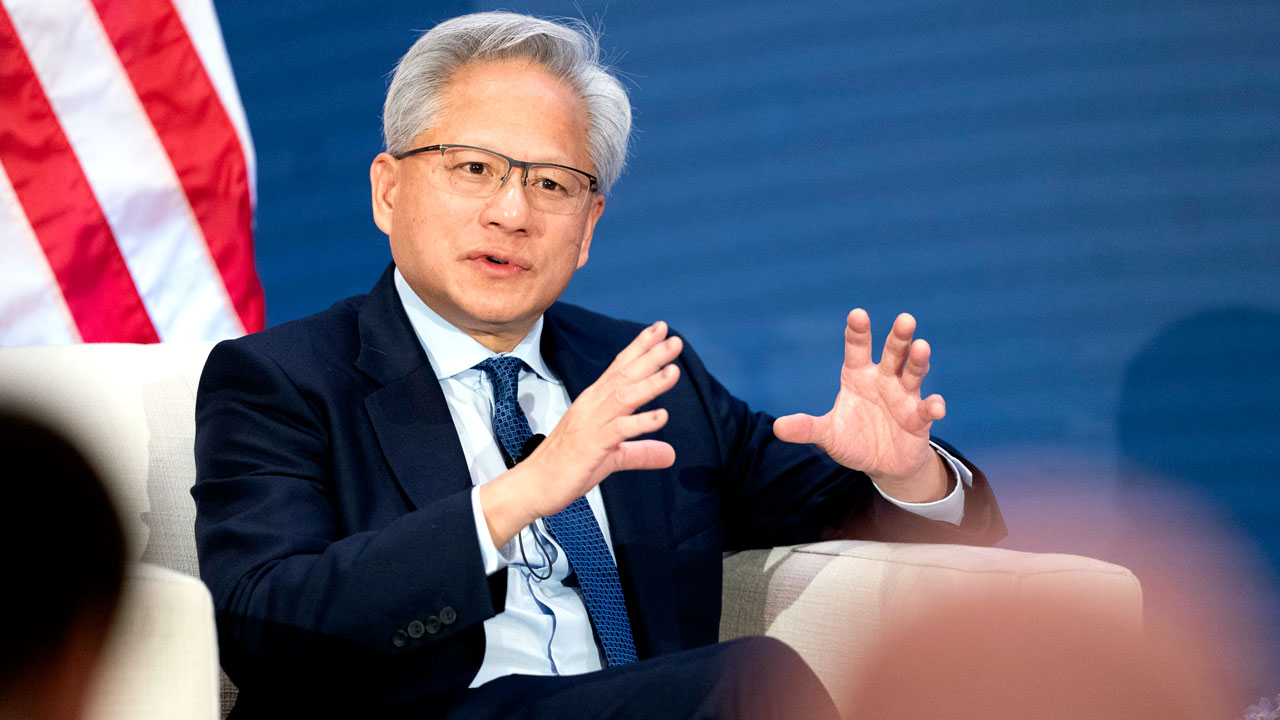
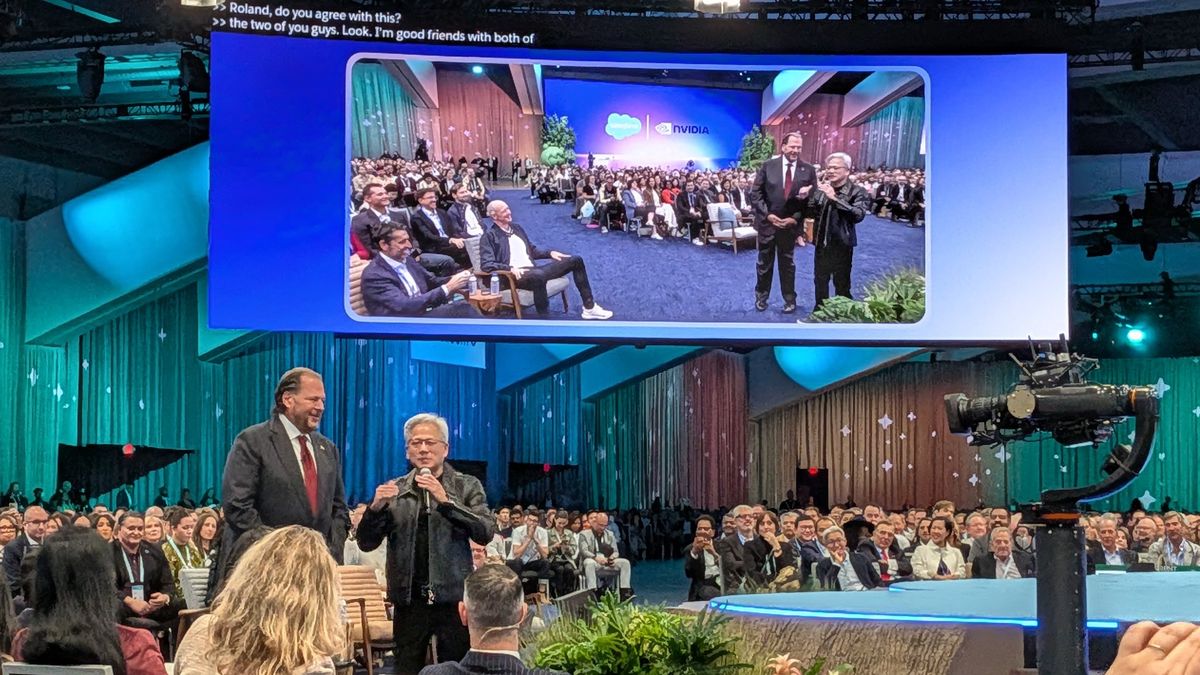
The September 2026 AI safety debate at Salesforce's Dreamforce conference and Nvidia CEO Jensen Huang's statements at King Charles III's Scottish summit signal a critical inflection point for e-commerce sellers relying on AI-powered business automation. Huang's "hold it back if not ready" stance and Anthropic CEO Dario Amodei's calls for regulatory frameworks indicate governments will likely implement AI governance structures within 6-12 months, directly affecting how sellers access and deploy automation tools on platforms like Salesforce Commerce Cloud, Amazon Seller Central, and Shopify.
For sellers, the immediate impact centers on three automation vulnerabilities: First, AI-powered pricing optimization, inventory forecasting, and customer service chatbots may face deployment delays or feature restrictions as companies implement safety testing protocols. Huang explicitly called for "good old-fashioned engineering" and rigorous testing before public deployment—a signal that vendors like Salesforce, Amazon, and Shopify will need to slow feature rollouts and add compliance layers. This creates a 3-6 month window where early-adopting sellers gain competitive advantage before regulations standardize AI tool access. Second, Salesforce's platform, used by 100K+ enterprise retailers and cross-border sellers, will likely experience pricing increases and feature limitations as the company invests in safety compliance infrastructure. The news explicitly states Salesforce may face "changes based on these policy discussions," signaling potential cost increases of 8-15% for AI-enhanced features. Third, regulatory uncertainty creates a "wait-and-see" dynamic that favors sellers with existing AI implementations—those without automation tools will face higher barriers to entry as compliance costs rise.
The competitive advantage window is immediate and narrow: Sellers should accelerate adoption of AI tools NOW before regulatory frameworks lock in compliance costs. Huang's projection that Nvidia will double chip sales next year due to localized AI infrastructure investment indicates massive capital flows into AI infrastructure, which will eventually translate to higher cloud computing costs for sellers using AI-powered platforms. The antitrust concerns raised at Dreamforce (regarding coordinated slowdowns) suggest regulatory frameworks may fragment by region—EU regulations will likely be stricter than US/Asia, creating arbitrage opportunities for sellers to shift automation workloads to less-regulated jurisdictions. For enterprise sellers on Salesforce, the strategic implication is clear: lock in current AI feature pricing and implementation timelines before Q1 2027, when regulatory frameworks likely take effect.
Questions 7
How will AI safety regulations affect my Salesforce Commerce Cloud automation tools?
Salesforce will likely implement additional safety testing and compliance layers before deploying new AI features, potentially delaying automation tool updates by 2-4 months. Huang's emphasis on 'rigorous testing protocols before public deployment' signals that vendors must slow feature rollouts. For sellers currently using Salesforce's AI-powered pricing or inventory tools, expect feature stability but potential price increases of 8-15% as the platform absorbs compliance costs. Enterprise retailers should lock in current pricing agreements before Q1 2027 when regulatory frameworks take effect.
What AI automation tools should sellers prioritize implementing now?
Prioritize tools with the highest ROI and lowest regulatory risk: (1) Dynamic pricing optimization—saves 5-8 hours/week on manual pricing adjustments and increases margins 2-4%; (2) Inventory forecasting—reduces overstock by 15-20% and stockouts by 10-12%; (3) Customer service chatbots—handles 40-60% of routine inquiries, reducing support costs 20-30%. Avoid experimental AI features (autonomous swarms, recursive self-improvement) that Anthropic flagged as safety risks—these will face the strictest regulatory scrutiny and longest deployment delays.