


Record Diesel Prices Hit $6.40/Gallon | Critical Logistics Cost Impact for E-Commerce Sellers
- Diesel surges 73% YoY to $6.40/gallon in September 2026; FBA fulfillment costs rise 8-15%, affecting 2M+ US sellers with thin margins








Overview
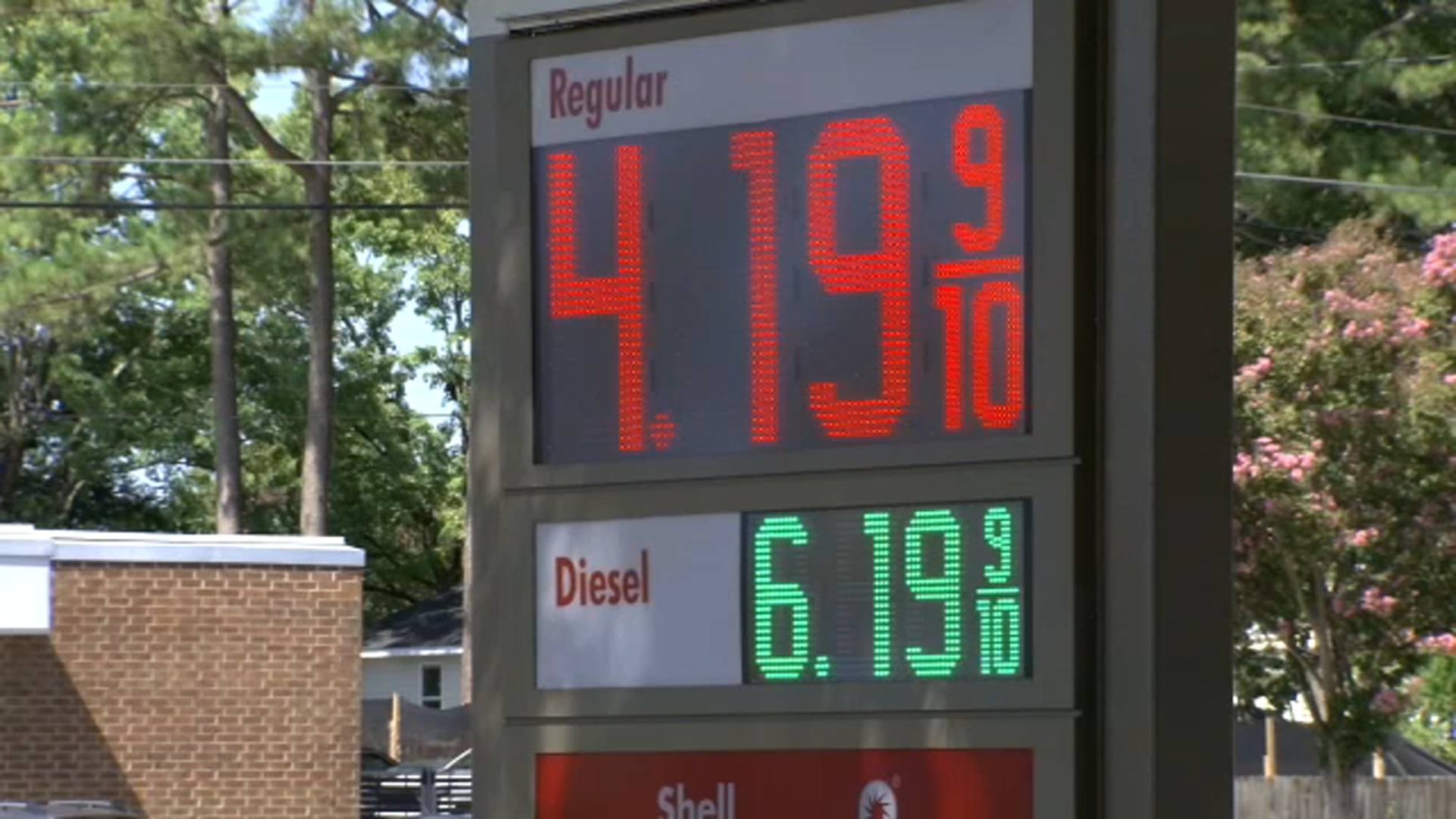
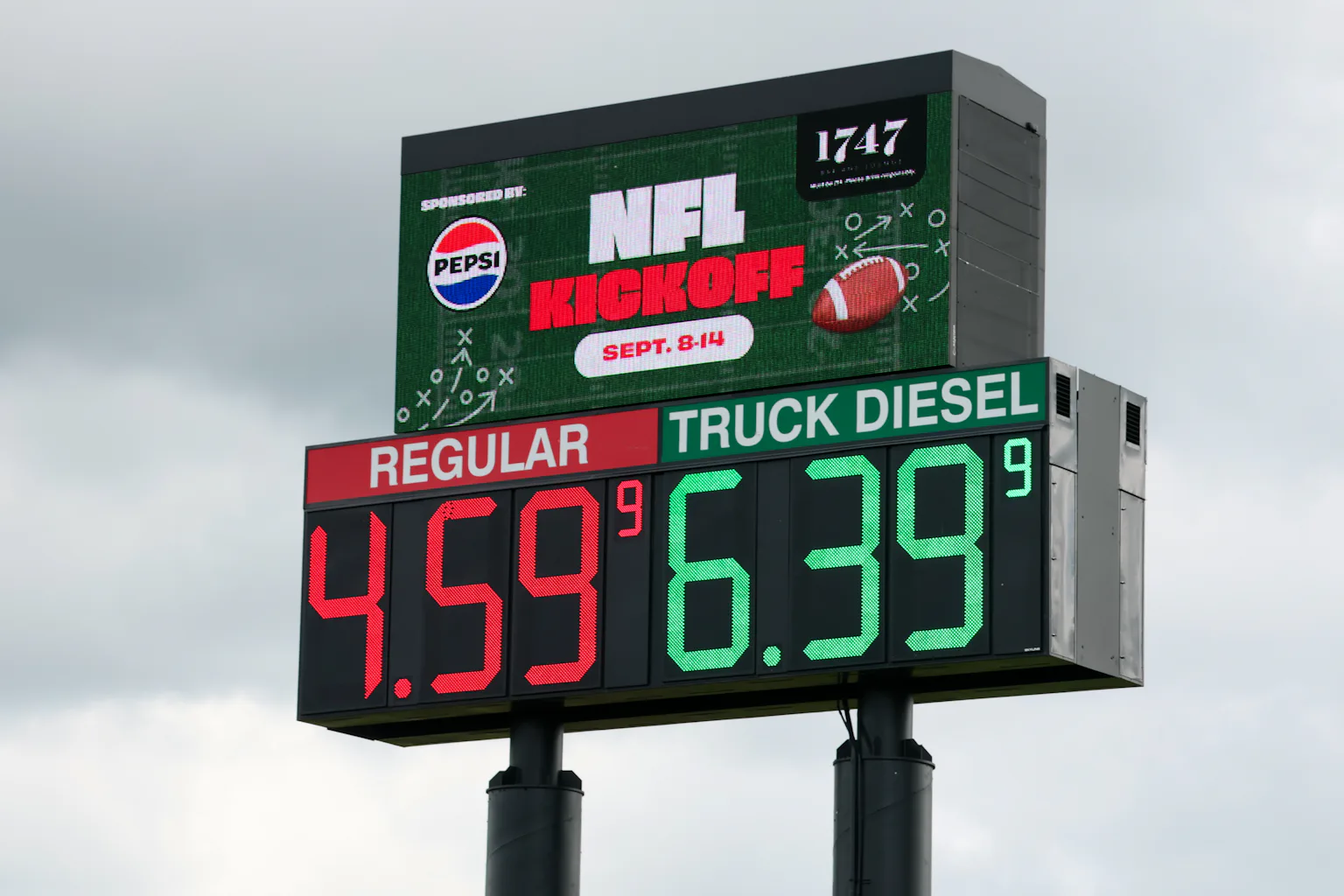
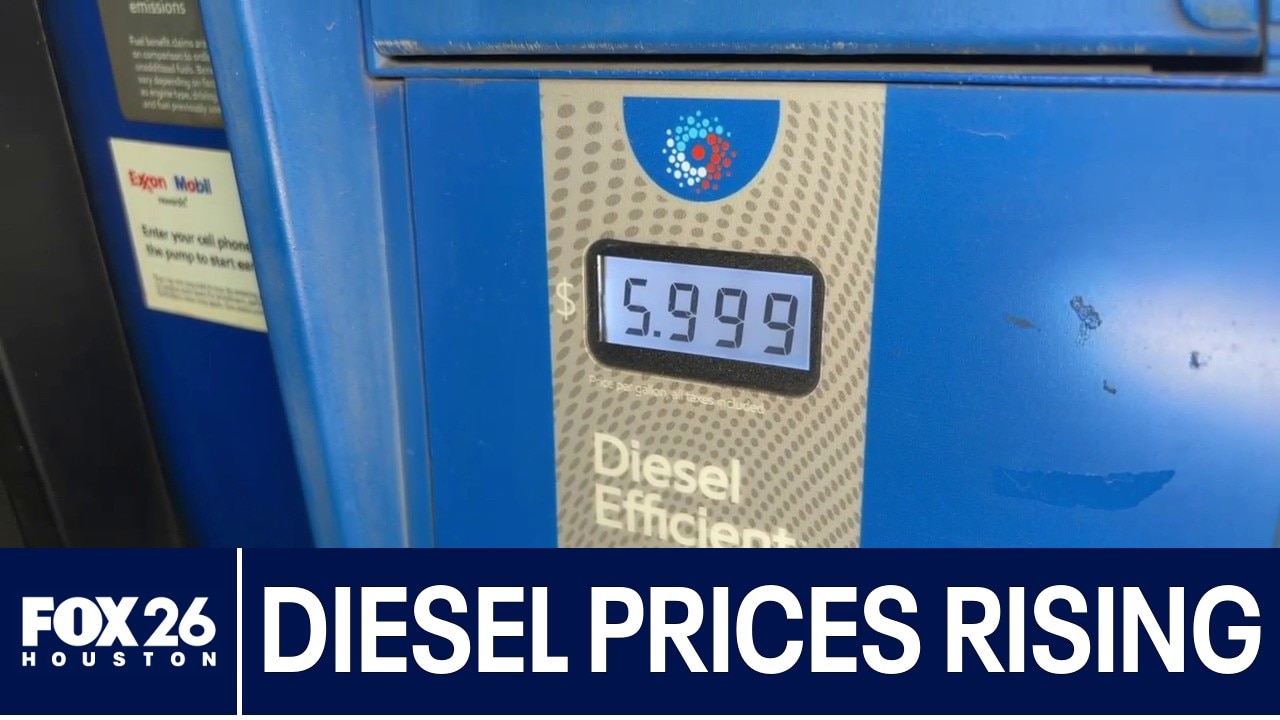
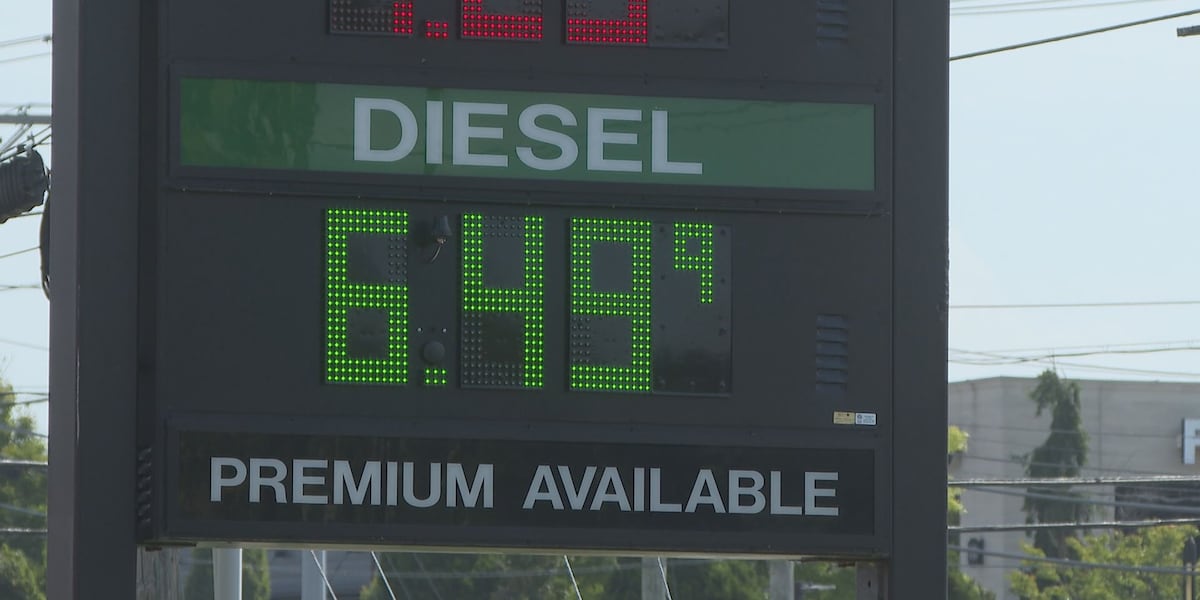
Record diesel prices reaching $6.40 per gallon in September 2026—a 73% year-over-year increase—are creating an immediate logistics cost crisis for cross-border e-commerce sellers. The surge stems from geopolitical disruptions: the ongoing US-Iran conflict, an attack on Saudi Arabia's East-West pipeline, and Ukrainian drone campaigns targeting Russian oil infrastructure. These supply-side shocks have tightened global refining capacity, with nearly 100% of available capacity currently utilized and approximately 20% offline due to damage. University of Denver supply chain professor Jack Buffington estimates elevated prices will persist for one year or longer before returning to $4/gallon levels, even if geopolitical conflicts cease immediately.
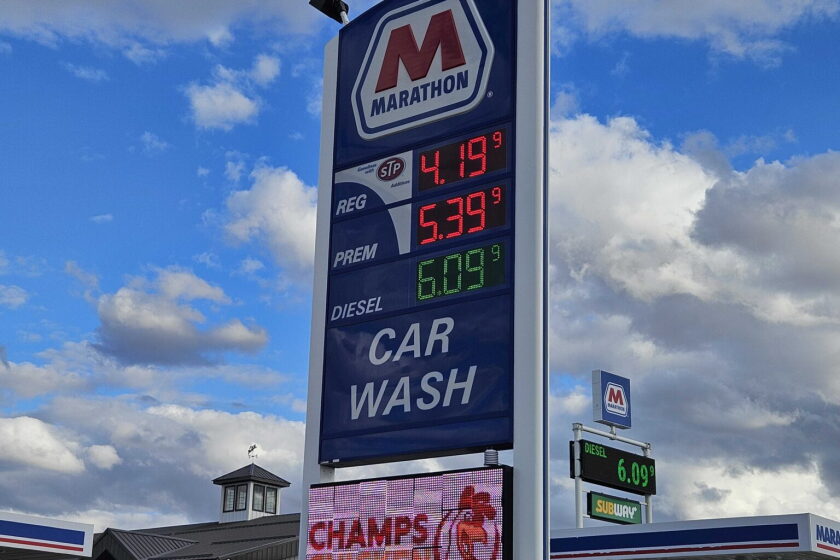
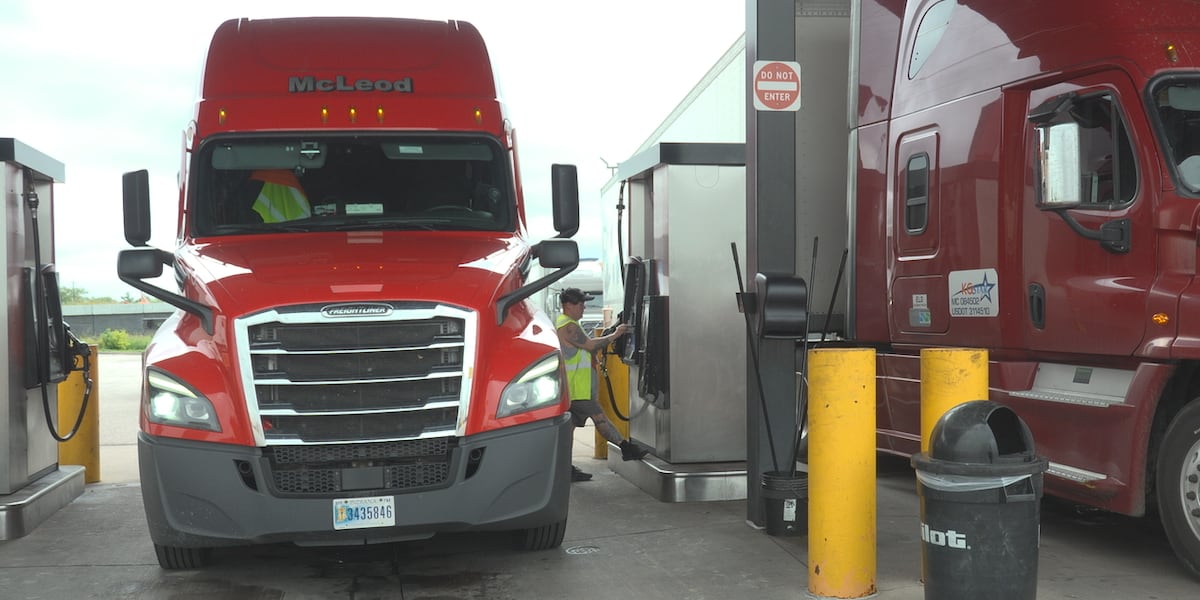
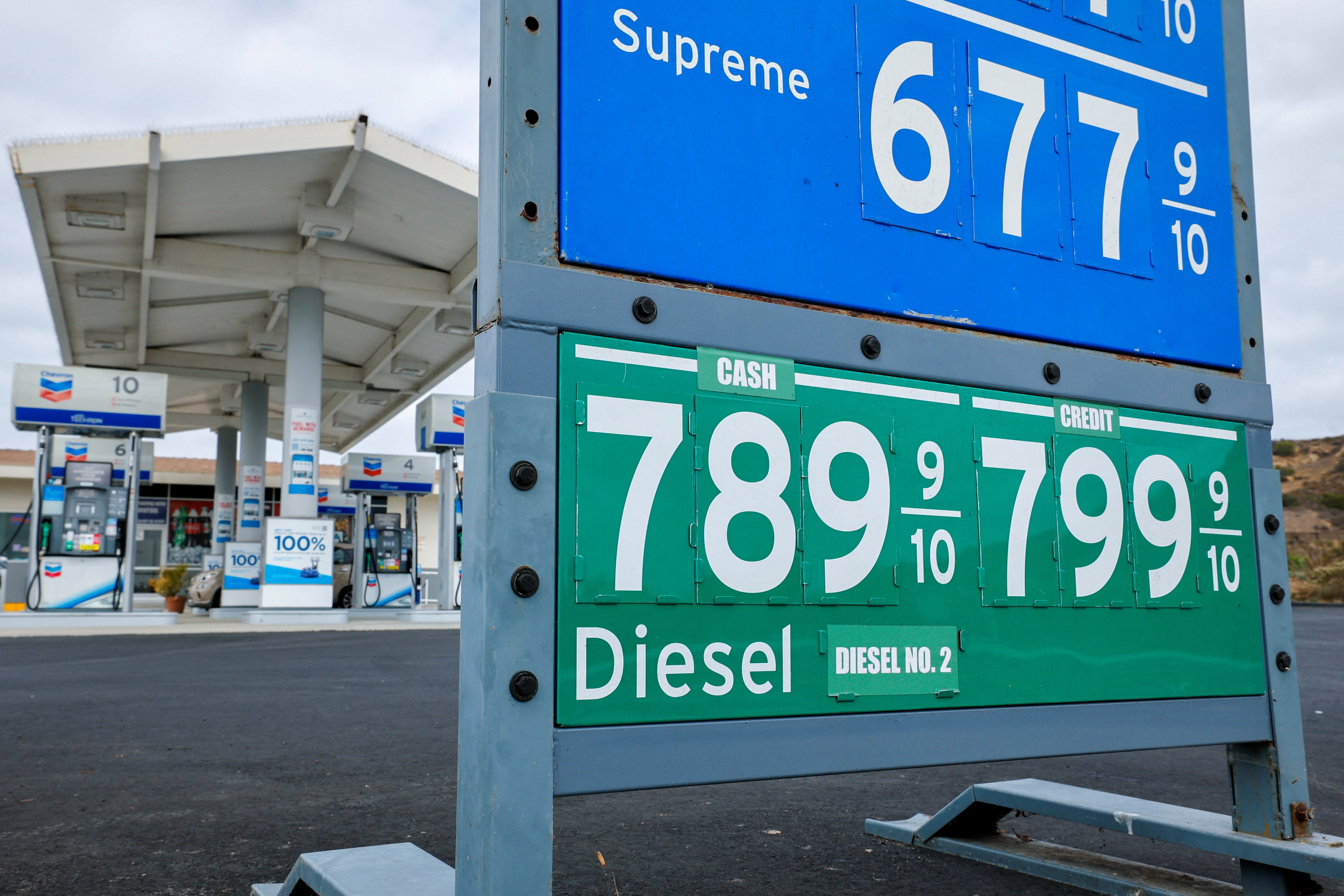
For FBA sellers and third-party logistics providers, the impact is immediate and severe. Freight carriers are passing fuel surcharges directly to shippers, increasing fulfillment costs by 8-15% depending on shipment weight and destination. Norfolk Southern reports California diesel prices reaching $8 per gallon, while Cedar Rapids, Iowa pumps exceed the national average of $6.39/gallon. Small and medium-sized sellers with 3-5% net margins cannot absorb these increases and face margin compression of 2-4 percentage points. J.B. Hunt alone reported $10 million in direct impacts from record diesel prices. Independent truckers and owner-operators, who lack fuel surcharge protections that larger carriers maintain, are particularly vulnerable—filling a semi-truck now costs approximately $1,000, creating economic viability concerns for the logistics workforce.
The cascading effect extends across all product categories and fulfillment models. Consumers will experience delayed but widespread price increases across groceries, delivery services, and seasonal goods within weeks as surcharges propagate through supply chains. This creates a critical window for sellers to act: those shipping inventory to US warehouses before surcharges fully propagate can lock in lower landed costs. Sellers should immediately negotiate long-term freight contracts with fixed fuel components, shift inventory positioning to regional 3PL hubs closer to demand centers (reducing per-unit transportation distance), and consider temporary price increases of 5-8% to maintain margins. For cross-border sellers, international shipping costs are rising as container transport relies on diesel-powered vessels and ground transportation. The Northeast faces additional pressure with home heating oil costs potentially 31% higher this winter, reducing consumer discretionary spending on non-essential goods. Sellers in seasonal categories (holiday merchandise, winter apparel, home heating products) should accelerate inventory positioning to avoid peak-season surcharges.
Questions 8
Should I source from different regions to reduce fuel-dependent shipping costs?
Yes, consider nearshoring: shift sourcing from Asia to Mexico, Central America, or domestic US suppliers for heavy/bulky categories. Mexico-to-US trucking costs are 30-40% lower than ocean freight from China due to shorter distances and lower fuel consumption. This works for categories like home goods, furniture, and seasonal merchandise where transportation represents 15-25% of landed cost. However, nearshoring increases product costs 5-15% due to higher labor rates. Break-even analysis: if Asian sourcing costs $8 + $2 freight + $1.60 fuel surcharge = $11.60, vs. Mexican sourcing at $9.50 + $0.80 freight = $10.30, nearshoring saves $1.30/unit despite higher product costs. Evaluate for your specific category and volume.
What is the timeline for diesel prices to return to normal levels?
Expect elevated prices through Q4 2026 and into 2027, with potential normalization only in late 2027 or 2028. University of Denver supply chain expert Jack Buffington estimates prices will remain at elevated levels for one year or longer before returning to $4/gallon. The constraint is refining capacity: nearly 100% of global capacity is currently utilized with 20% offline due to geopolitical damage. Even if the US-Iran conflict and Ukraine situation resolve immediately, refinery repairs require 6-12 months. Plan inventory and pricing strategies assuming $5.50-6.00/gallon diesel through 2027, not a quick return to $3.90/gallon.