



AI Copyright Liability Surge | Sellers Must Audit Content Sourcing Now
- Unredacted court filings expose Microsoft/OpenAI scraping practices; 83-93% click-through rate drops threaten publisher revenue models; sellers using AI tools face emerging IP compliance risks




















Overview
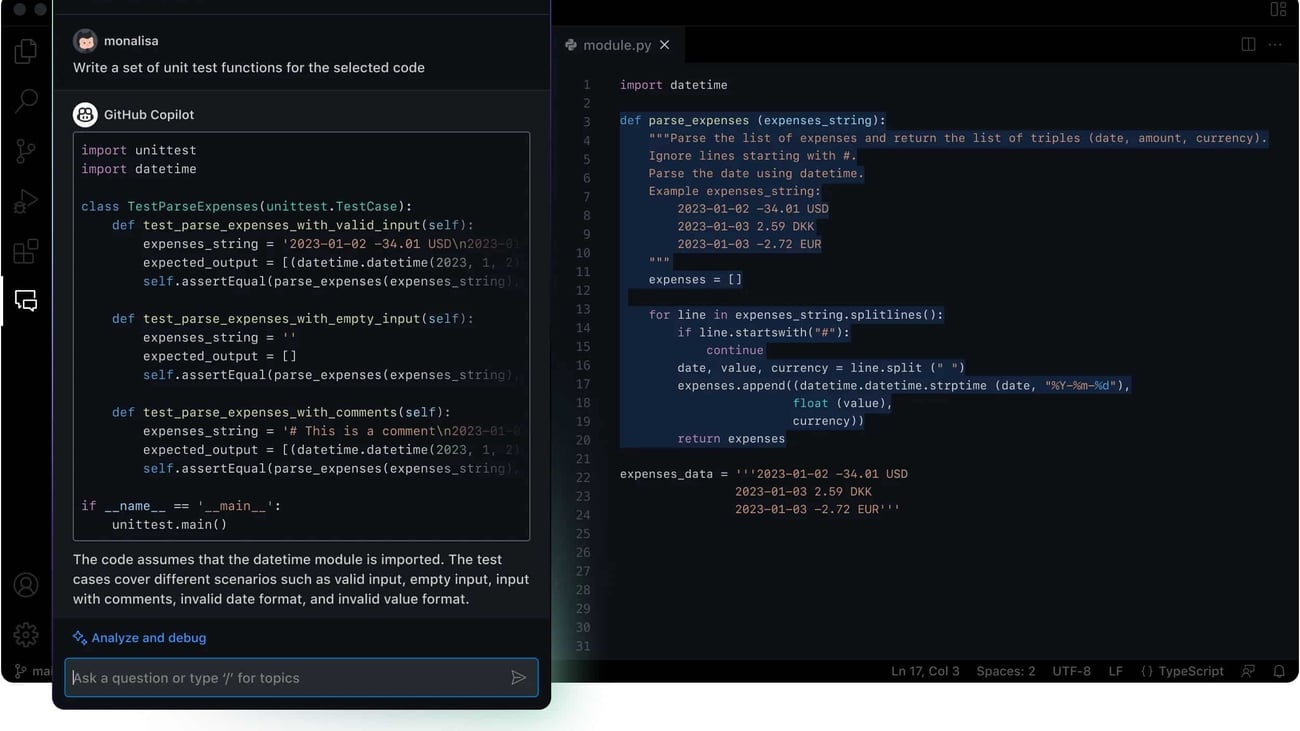
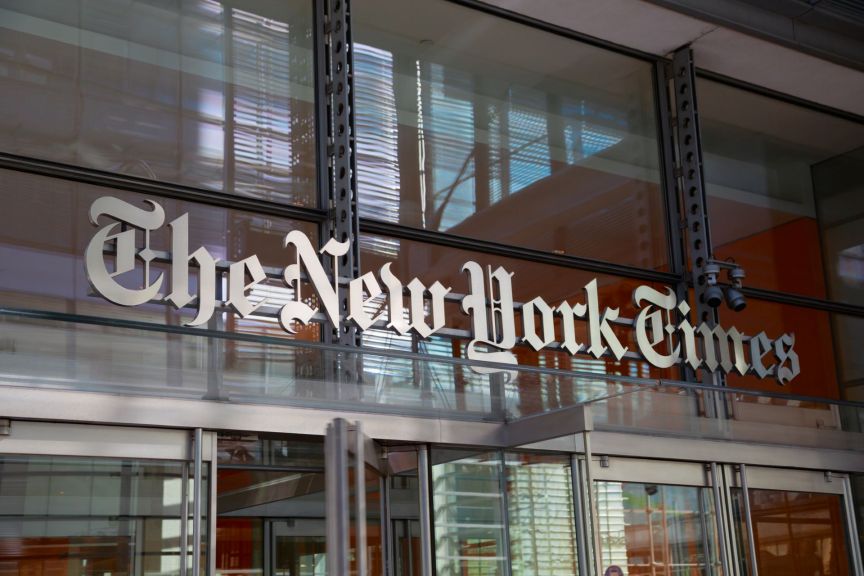
Unredacted court filings in The New York Times' copyright lawsuit against Microsoft and OpenAI reveal critical admissions about AI training practices that directly impact e-commerce sellers using AI-powered tools. Microsoft Director of Applied Science Brent Hecht called AI scraping "the largest theft of labor in human history," while internal documents show both companies deliberately bypassed paywalls, stripped copyright notices, and obtained 1.8 million New York Times articles without licensing. The scale is staggering: OpenAI's datasets contain over 91,692 copies of NYT works and 2 million+ nytimes.com documents. Microsoft's own data shows Copilot reduced click-through rates to news sites by 83-93%, demonstrating the substitutive nature of AI-generated content.
For e-commerce sellers, this litigation creates three immediate operational risks. First, sellers using AI tools (ChatGPT, Copilot, Claude) to generate product descriptions, marketing copy, or customer service responses may unknowingly incorporate training data derived from unlicensed copyrighted material. If courts rule against Microsoft/OpenAI, downstream users could face secondary liability for distributing AI-generated content. Second, the court's September 2026 DMCA ruling (Doe v. GitHub) partially protected AI developers but explicitly left traditional copyright infringement claims unresolved, creating legal uncertainty. Third, sellers relying on AI-powered competitive intelligence tools that scrape competitor listings, reviews, or product information face similar exposure if those tools use unlicensed training data.
The immediate business impact: sellers must audit their AI tool usage and content sourcing practices within 30 days. Specifically, document which AI platforms generate your product listings, marketing emails, and customer service responses. Review your terms of service with AI providers (OpenAI, Microsoft, Anthropic) to confirm they warrant non-infringing training data. For sellers in content-heavy categories (books, media, educational products), the risk is acute—if your AI-generated descriptions inadvertently reproduce copyrighted summaries or reviews, you could face DMCA takedowns or copyright claims. The litigation also signals that regulators and courts are increasingly skeptical of "transformative use" defenses, meaning fair-use arguments that protected AI companies may not extend to commercial users downstream. Sellers should consider shifting to licensed AI models (those trained on proprietary or public-domain data) and implementing human review workflows for high-risk content categories.
Questions 8
What happens if Amazon or eBay detects AI-generated content in my listings?
Both platforms have policies against content that violates intellectual property rights. If they detect AI-generated descriptions that infringe copyrights, they can: (1) Remove the listing without warning, (2) suspend your seller account, (3) require you to indemnify them against copyright claims, or (4) report you to rights holders. The litigation makes platforms more cautious about AI-generated content. Amazon's Seller Central already requires you to warrant all content is original or properly licensed. If you're sued for copyright infringement related to AI-generated content, Amazon's terms typically require you to defend and indemnify the platform. Best practice: disclose to platforms which content is AI-assisted and maintain documentation of your compliance efforts. This creates a paper trail showing good faith if disputes arise.
What's the difference between Microsoft/OpenAI's legal exposure and mine as a seller?
Microsoft and OpenAI face direct liability for training AI models on unlicensed copyrighted material at massive scale (2 million+ documents). You face secondary liability if you distribute AI-generated content that incorporates that unlicensed training data. The distinction matters: courts may rule against the AI companies while still holding downstream users (sellers) liable for distributing infringing content. Additionally, platforms like Amazon can remove your listings if they determine AI-generated descriptions violate copyright. The litigation also signals that regulators view AI training practices skeptically, so expect stricter enforcement of IP policies on e-commerce platforms. Sellers should assume that fair-use defenses are weakening and plan accordingly.