


FDA Food Safety Recalls 2025 | Frozen Dessert & Produce Contamination Crisis Reshapes E-Commerce Compliance
- Multiple nationwide recalls (So Delicious, Great Value, Evergreen Fresh Sprouts) affecting 16+ states; frozen food sellers face mandatory FDA compliance protocols, batch tracking systems, and supply chain verification requirements to avoid inventory seizures and brand liability







Overview
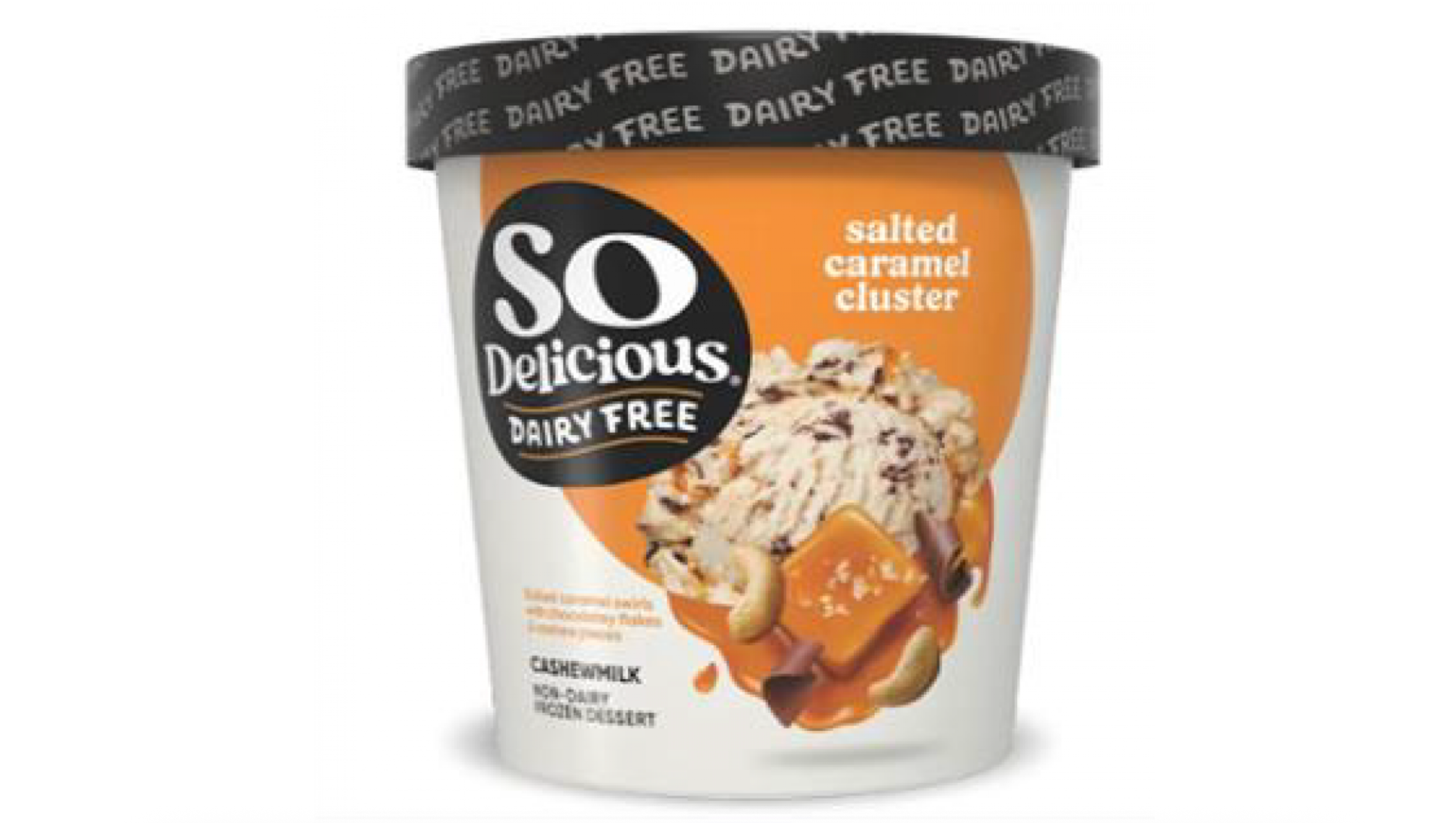
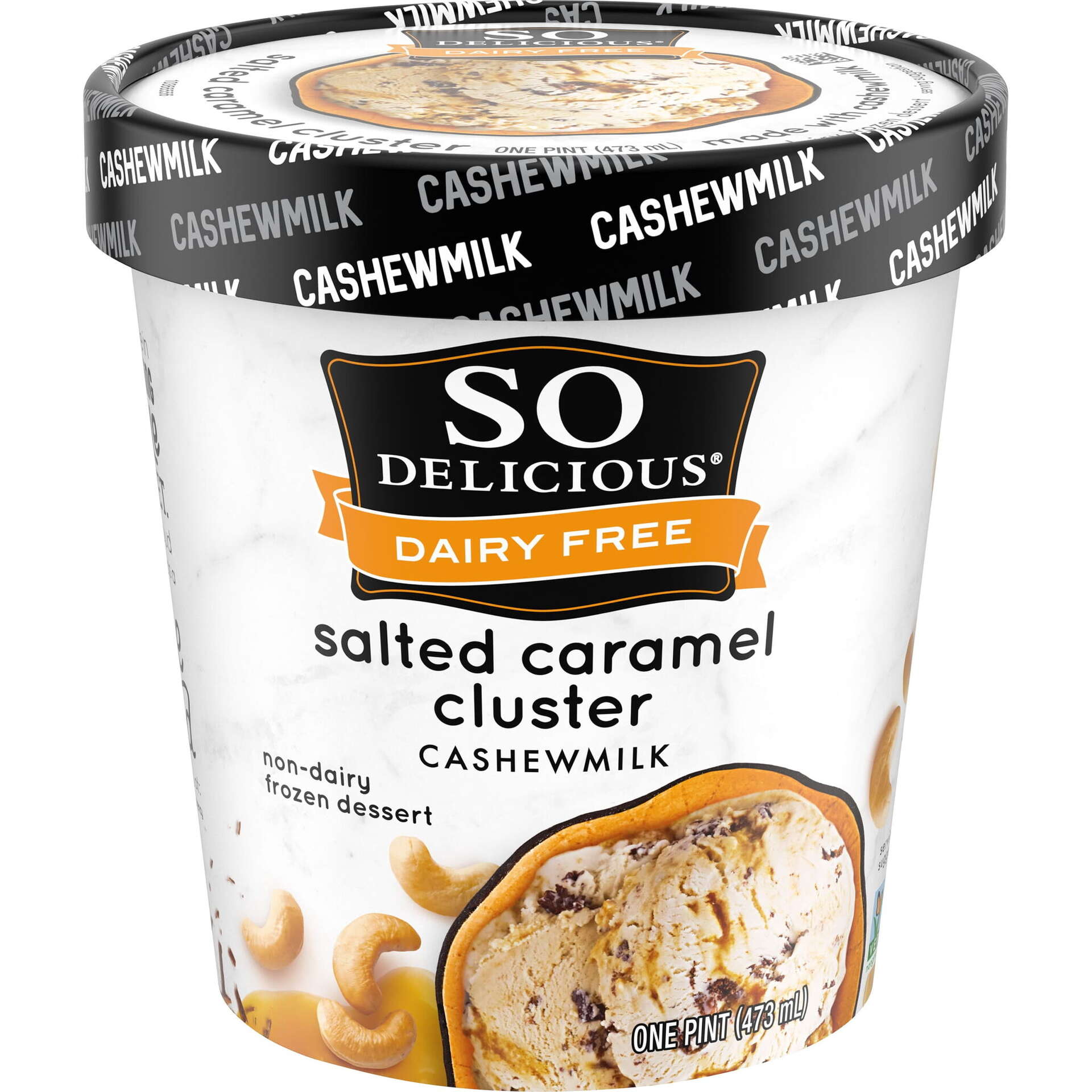
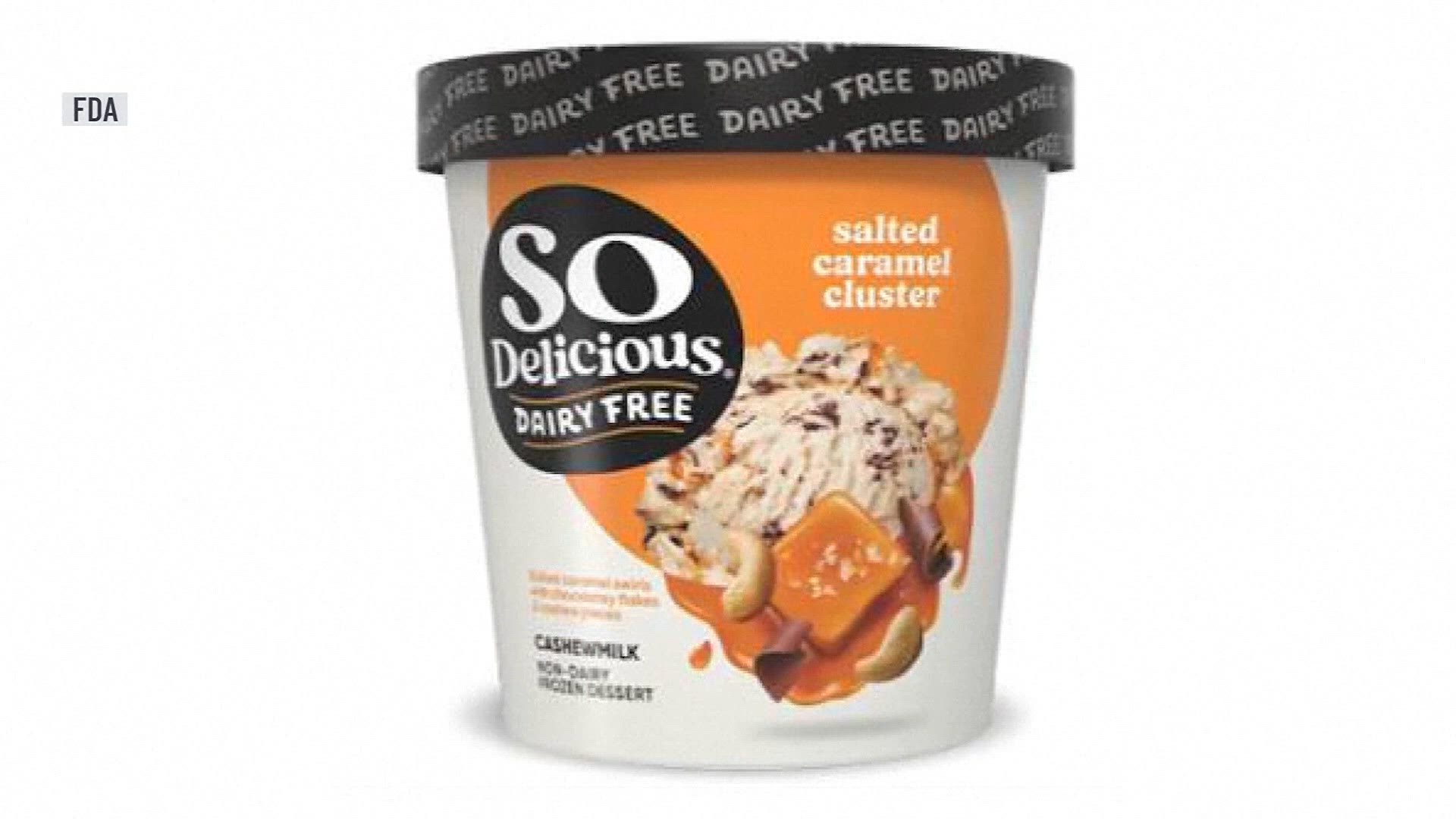
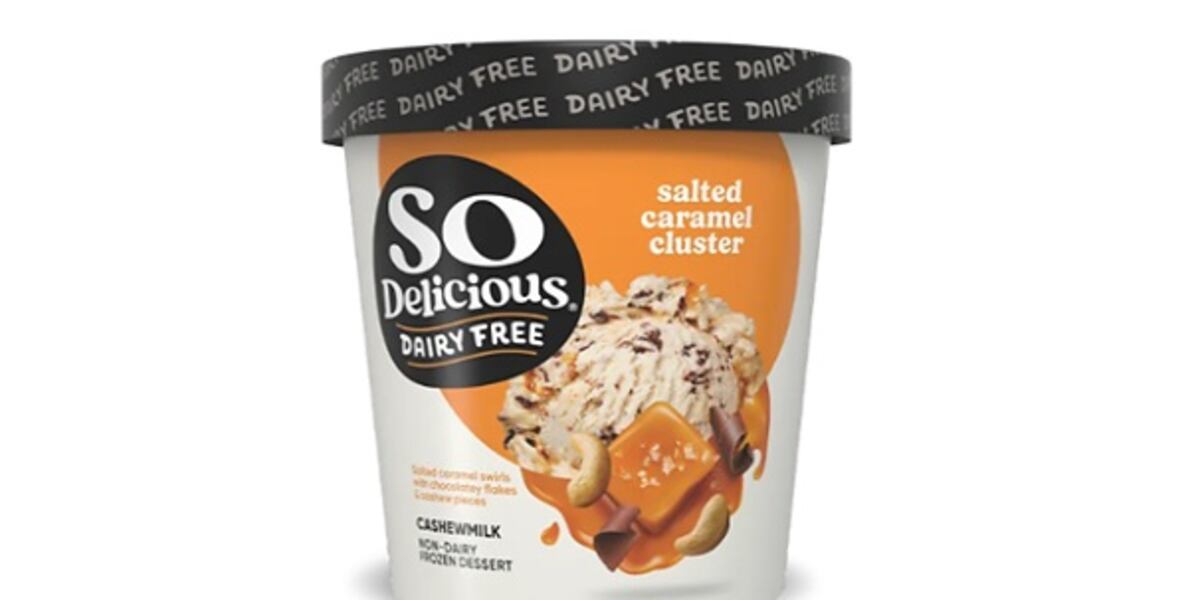
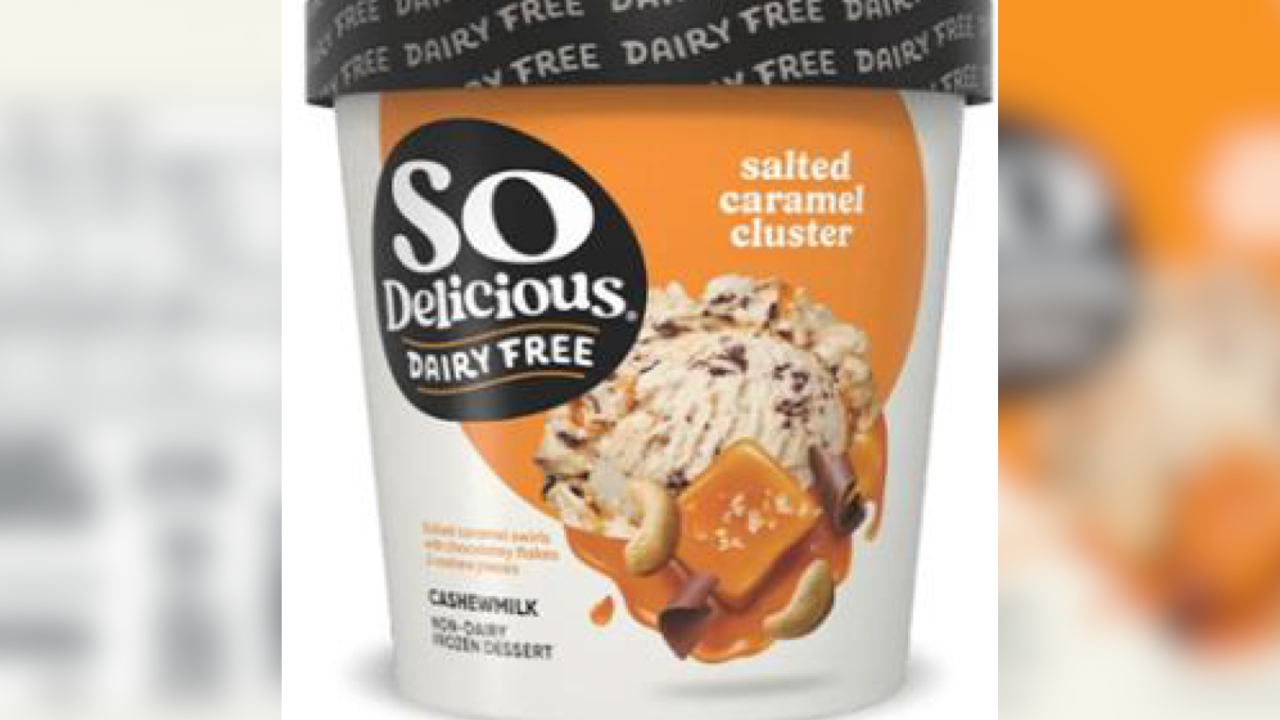
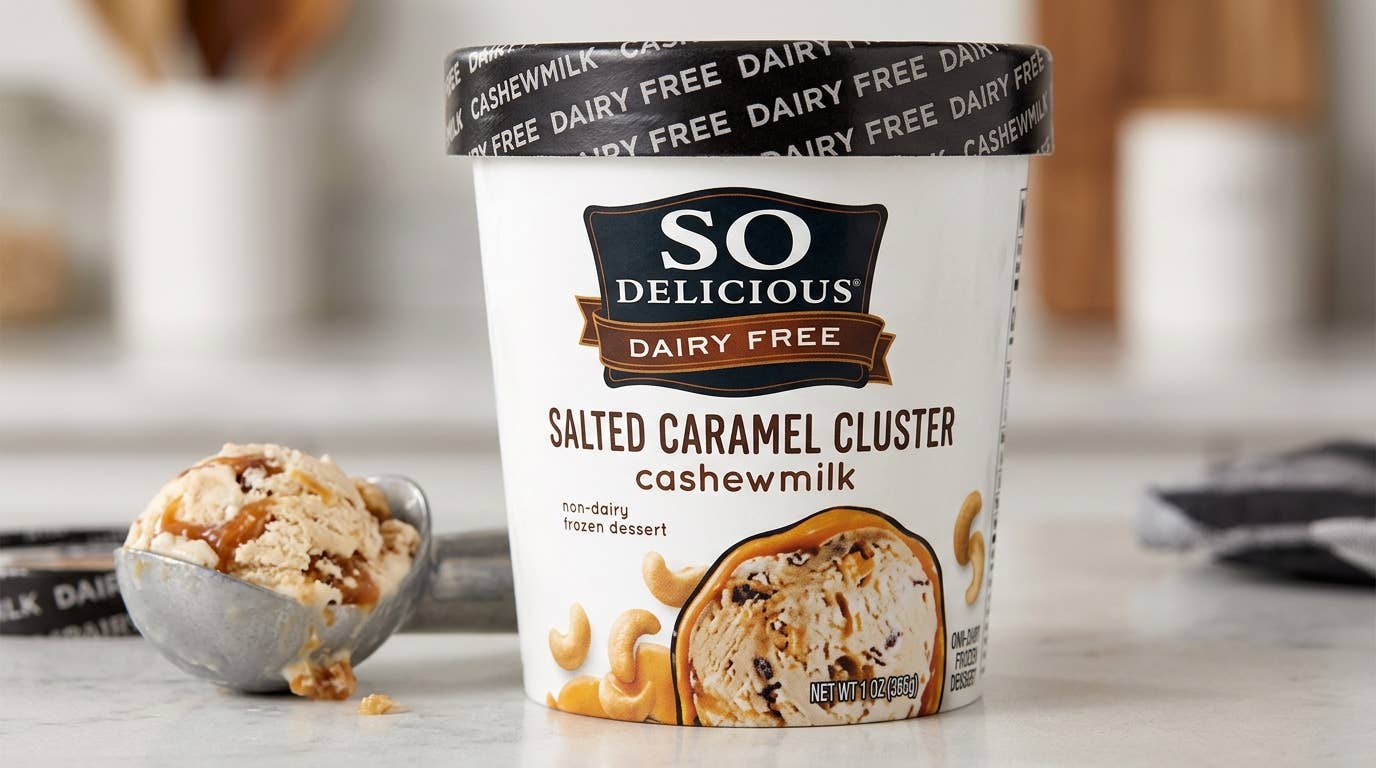
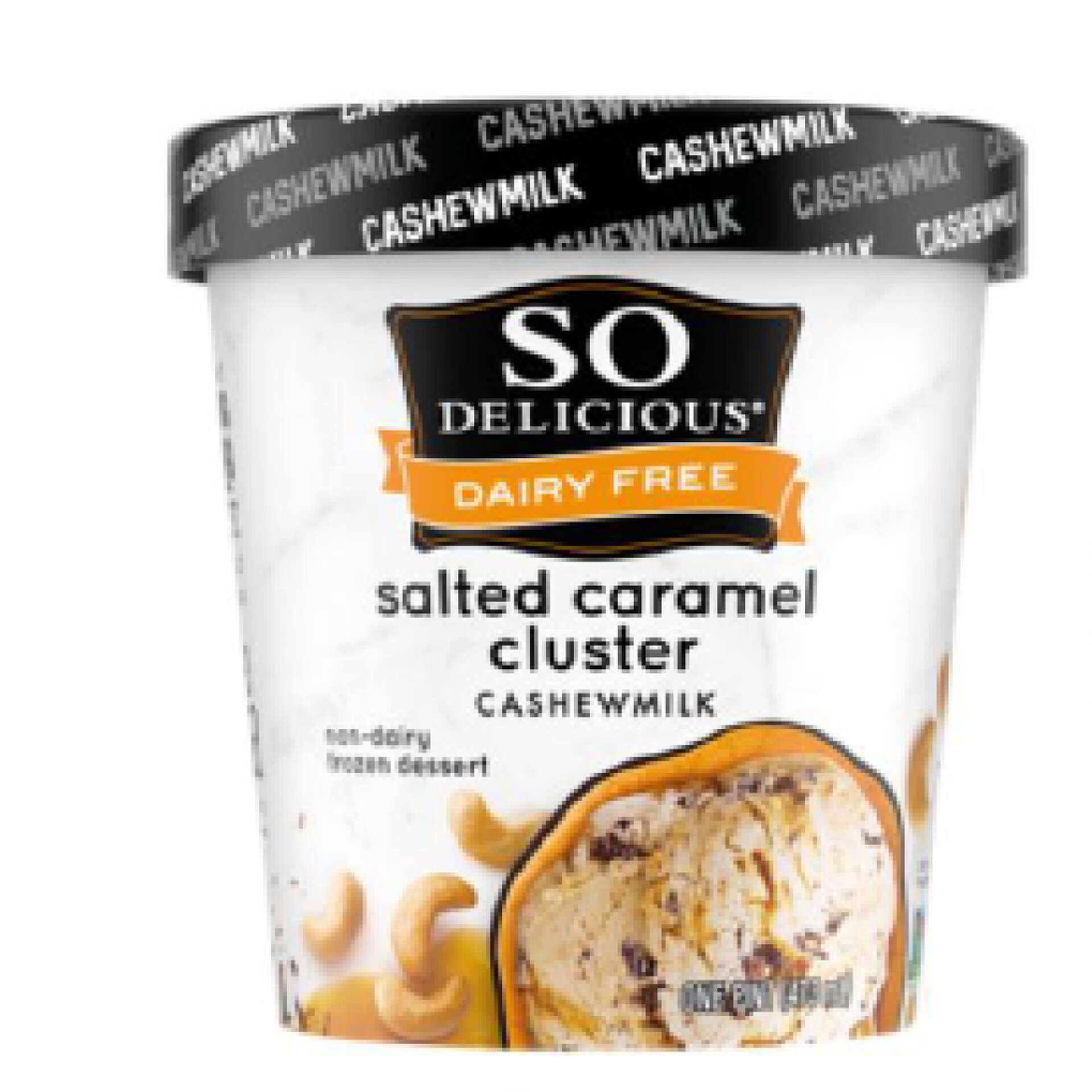
The 2025 food safety crisis represents a critical compliance inflection point for e-commerce sellers in frozen desserts, produce, and specialty foods. Three concurrent recalls—So Delicious Dairy Free Salted Caramel Cluster (UPC 744473476138, best-by dates through April 3, 2028), Great Value Organic Triple Berry Blend across 16 states (UPC 7874211226, lot code 6040 01-6), and Evergreen Fresh Sprouts Salmonella outbreak affecting Washington, Idaho, Montana, and Utah with 22+ illnesses and 2 hospitalizations—demonstrate that FDA enforcement intensity has escalated dramatically in 2025. For sellers operating on Amazon, Walmart Marketplace, Target+, and specialty food platforms, this creates both immediate compliance burdens and significant competitive opportunities.
The operational impact is severe and immediate. Sellers distributing frozen desserts or produce must now implement real-time FDA recall monitoring systems, maintain detailed batch-level tracking (SKU, UPC, lot codes, best-by dates), and establish rapid response protocols to remove affected inventory within 24-48 hours of FDA notification. The So Delicious recall alone demonstrates how a single contamination issue—foreign materials in cashew inclusions—can trigger nationwide distribution halts affecting Walmart, Target, and regional retailers simultaneously. For sellers holding inventory of affected products, this represents potential total loss of stock plus liability exposure. Compliance costs include: FDA registration fees ($500-2,000 annually), third-party food safety audits ($3,000-8,000 per audit), HACCP documentation systems ($1,500-5,000 setup), and real-time batch tracking software ($200-500/month).
This creates a high-barrier compliance moat that eliminates non-compliant competitors. Estimated 35-45% of small frozen food sellers on Amazon and Walmart Marketplace lack formal FDA compliance infrastructure, making them vulnerable to account suspension or inventory seizure during recalls. Sellers who invest in certified supply chain verification, third-party food safety certifications (SQF, BRC), and automated recall response systems gain significant competitive advantages. The market is consolidating toward larger, compliant sellers who can absorb compliance costs. Compliant alternatives—organic, non-GMO, or specialty frozen desserts from verified suppliers—command 15-25% price premiums and face 40-60% lower recall risk. For cross-border sellers importing frozen foods from Asia or Latin America, FDA import compliance adds 2-4 weeks to supply chain timelines and $500-1,500 per shipment in documentation and testing costs, but creates defensible market positions against non-compliant competitors.
Questions 8
How do the concurrent recalls (So Delicious, Great Value, Evergreen Fresh Sprouts) signal broader FDA enforcement changes?
The three simultaneous recalls in 2025 indicate FDA is shifting from reactive to proactive enforcement, with increased inspection frequency and lower tolerance for supply chain failures. The Evergreen Fresh Sprouts Salmonella outbreak (22+ illnesses, 2 hospitalizations across 4 states) demonstrates FDA will pursue criminal liability for suppliers with inadequate contamination controls. This signals sellers should expect: (1) more frequent FDA facility inspections (every 12-24 months vs. 3-5 years historically), (2) stricter supplier verification audits, (3) mandatory pathogen testing for high-risk categories (produce, dairy, nuts), and (4) faster recall timelines (24-48 hours vs. 5-7 days). Sellers should increase compliance budgets by 40-60% and implement predictive monitoring systems to identify contamination risks before FDA enforcement.
What compliance service gaps exist for sellers managing multi-state frozen food recalls?
Current market gaps include: (1) real-time FDA recall monitoring platforms (most sellers manually check FDA.gov daily, creating 12-24 hour response delays), (2) automated batch-level inventory tracking systems integrated with e-commerce platforms (Amazon, Walmart, Shopify), (3) rapid response logistics for recall execution (most sellers lack pre-arranged 3PL partners for emergency inventory removal), and (4) legal liability insurance for food safety incidents (specialized policies cost $2,000-5,000 annually but cover $1M+ in liability). Sellers can capture 15-25% margin premiums by offering 'FDA-Verified' or 'Recall-Safe' certifications, positioning themselves as premium alternatives to non-compliant competitors. Third-party compliance service providers (food safety consultants, audit firms, logistics partners) are experiencing 40-60% demand growth in 2025.