

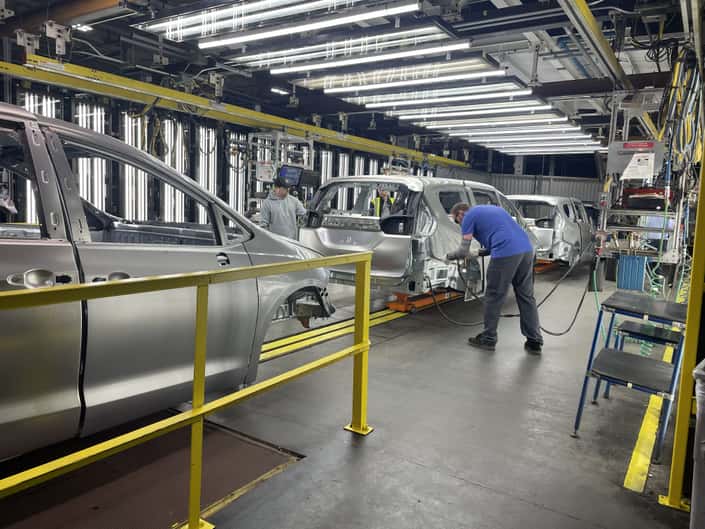


Stellantis Brampton Plant Sale Threatens Canadian Logistics | Supply Chain Risk for Cross-Border Sellers
- Potential strike action and facility closure risk disrupts North American logistics networks; sellers relying on Canadian distribution face 2-4 week shipping delays and 8-15% cost increases
























Overview
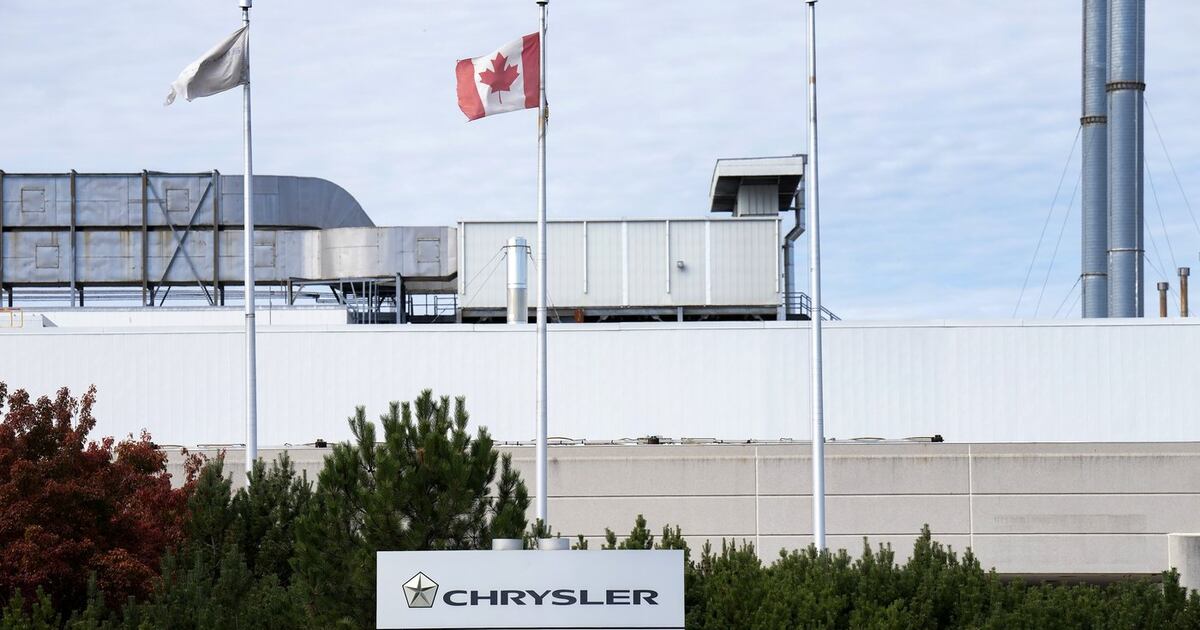
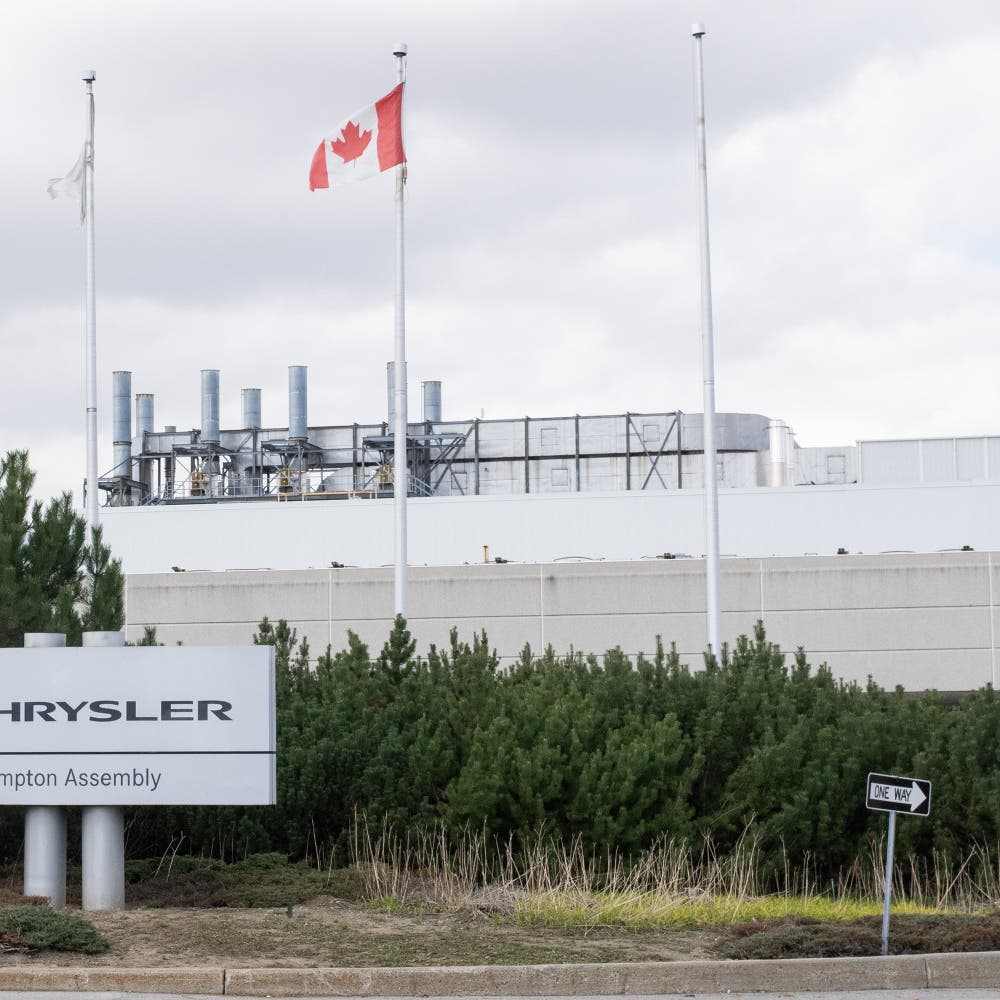
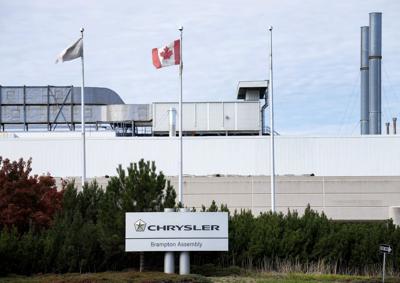
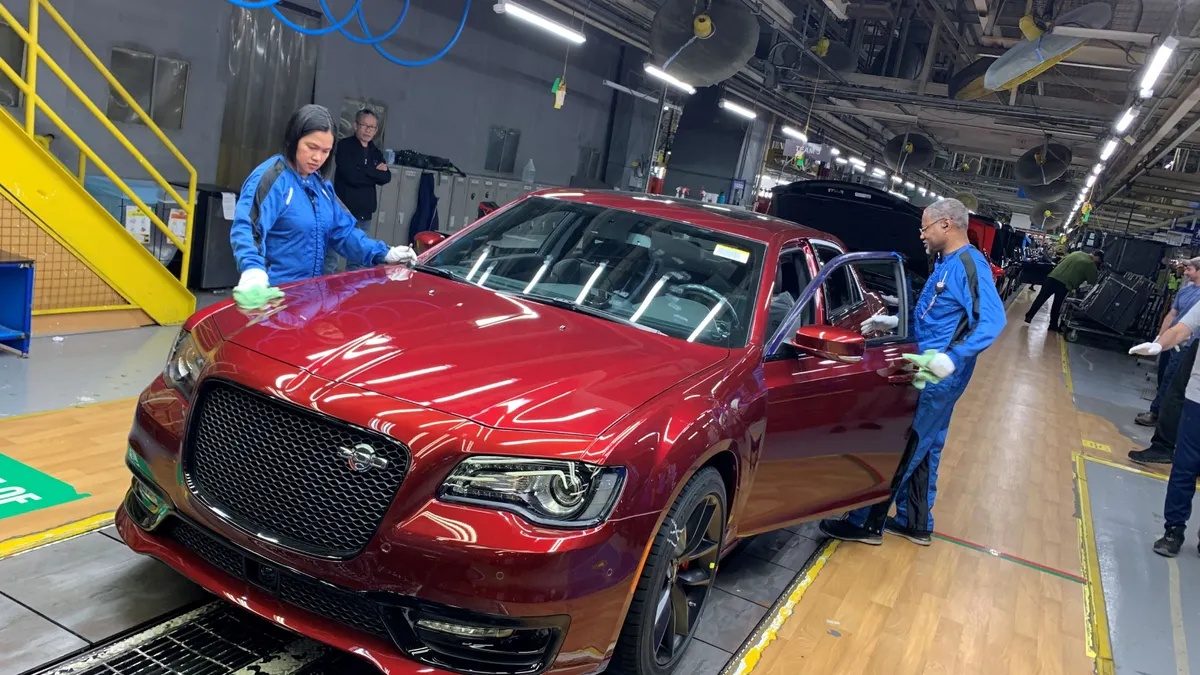
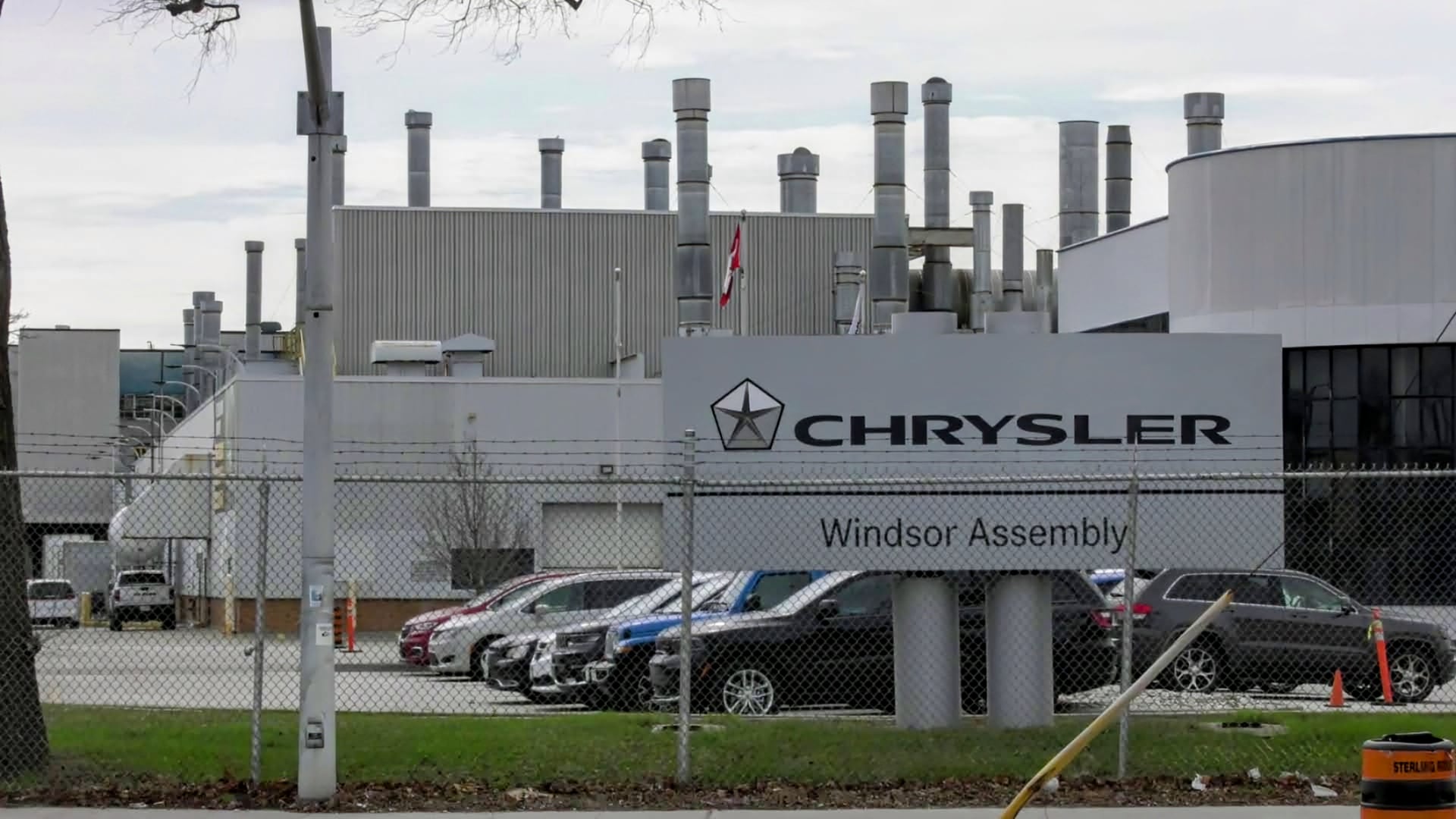
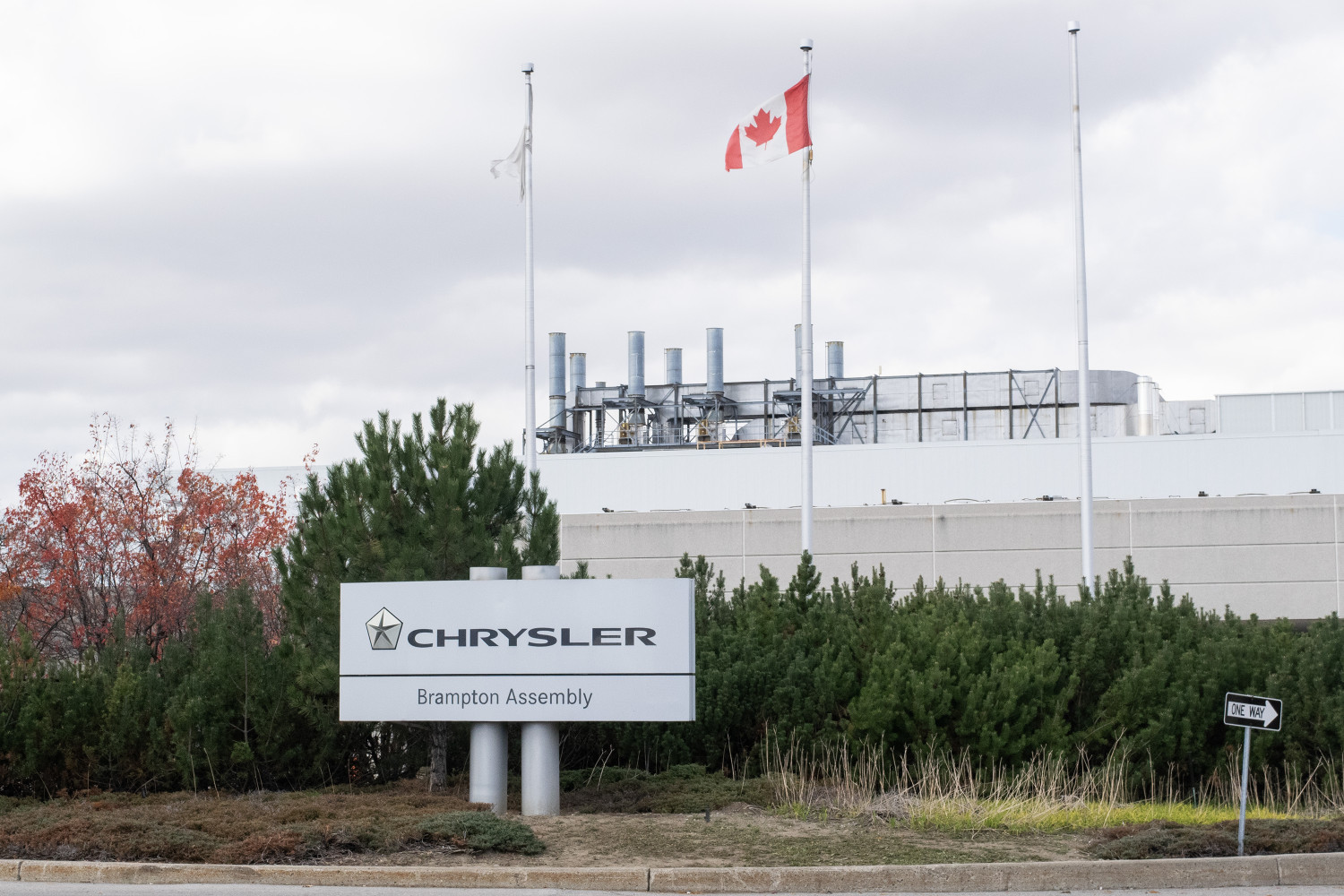
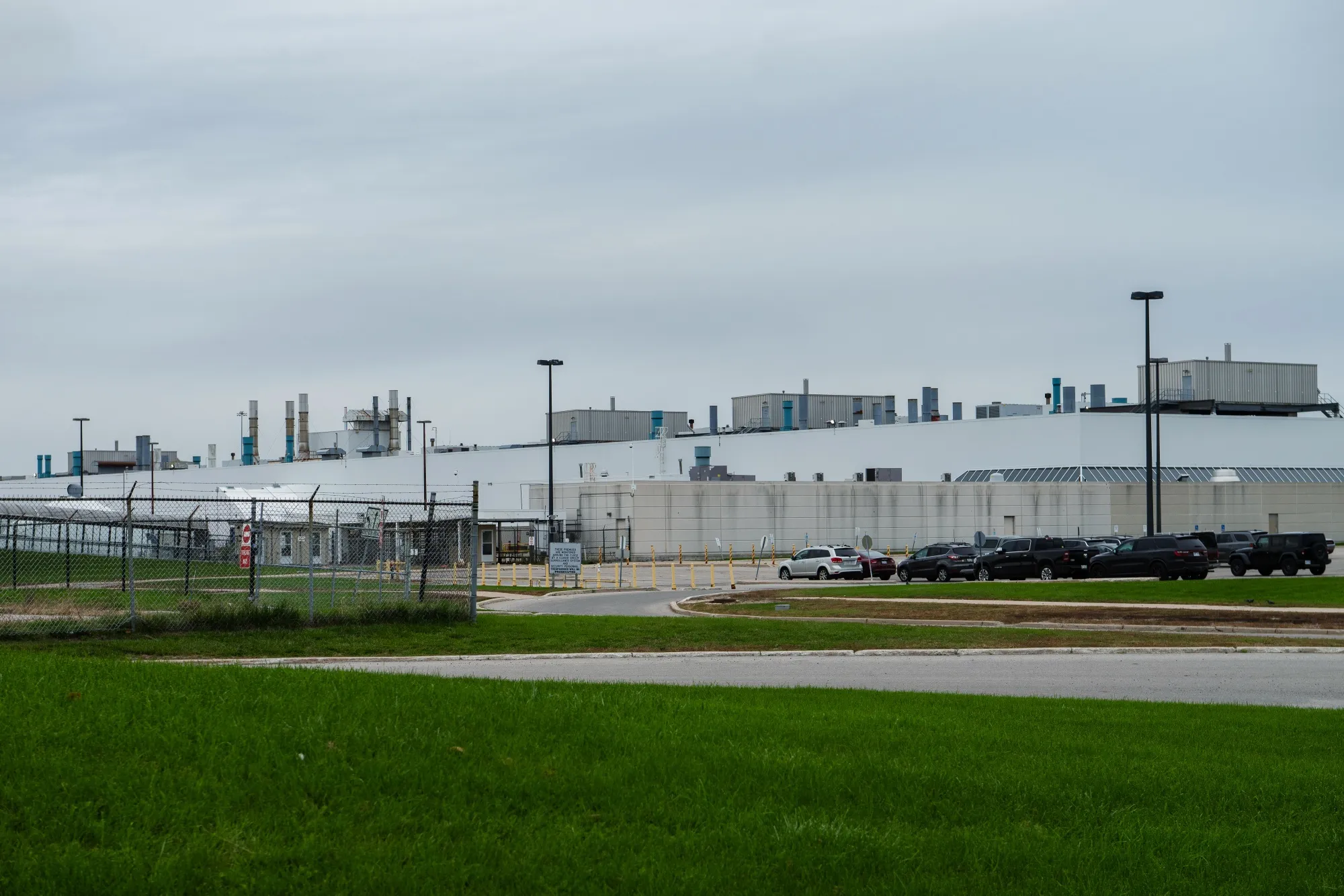
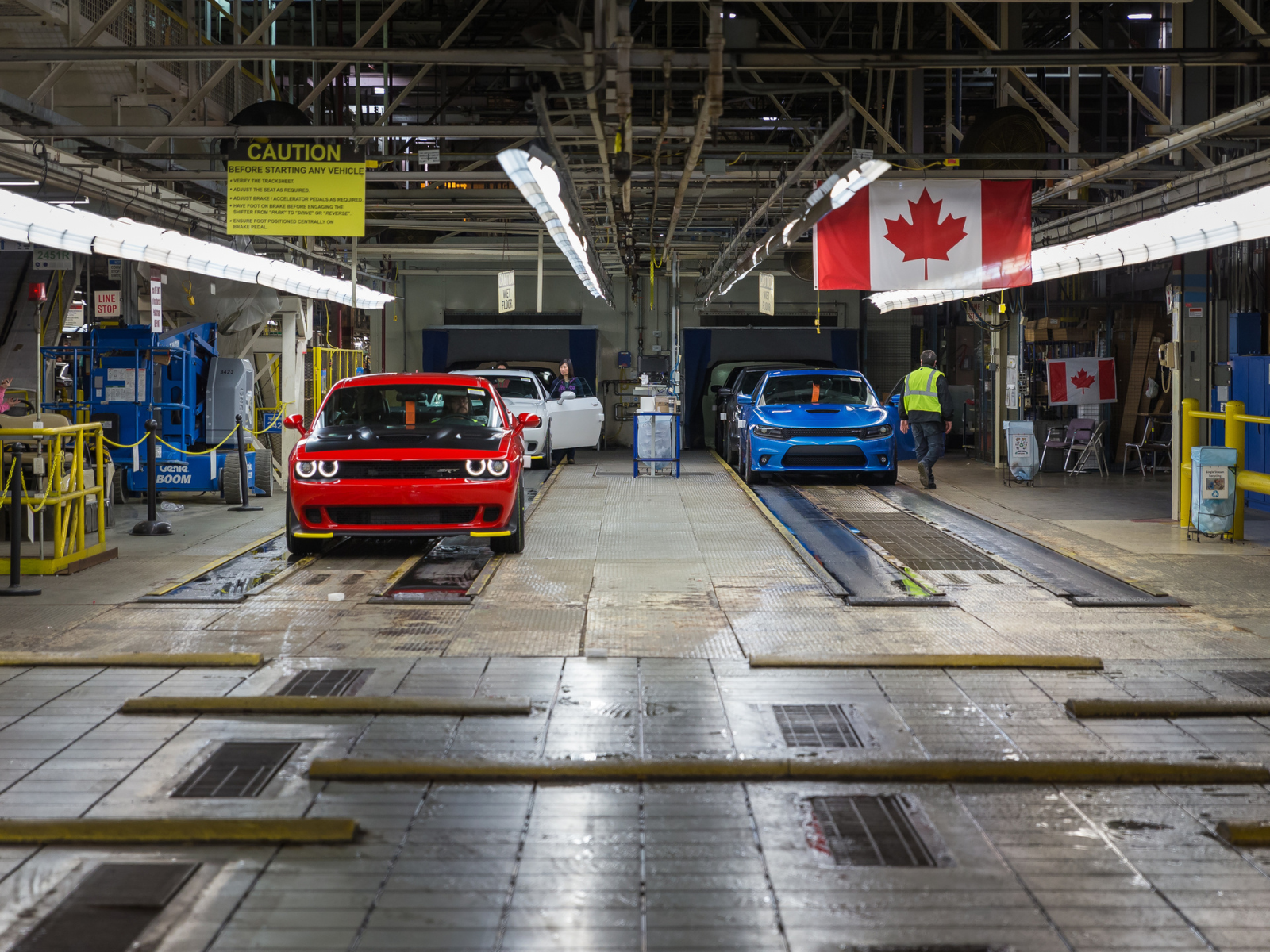
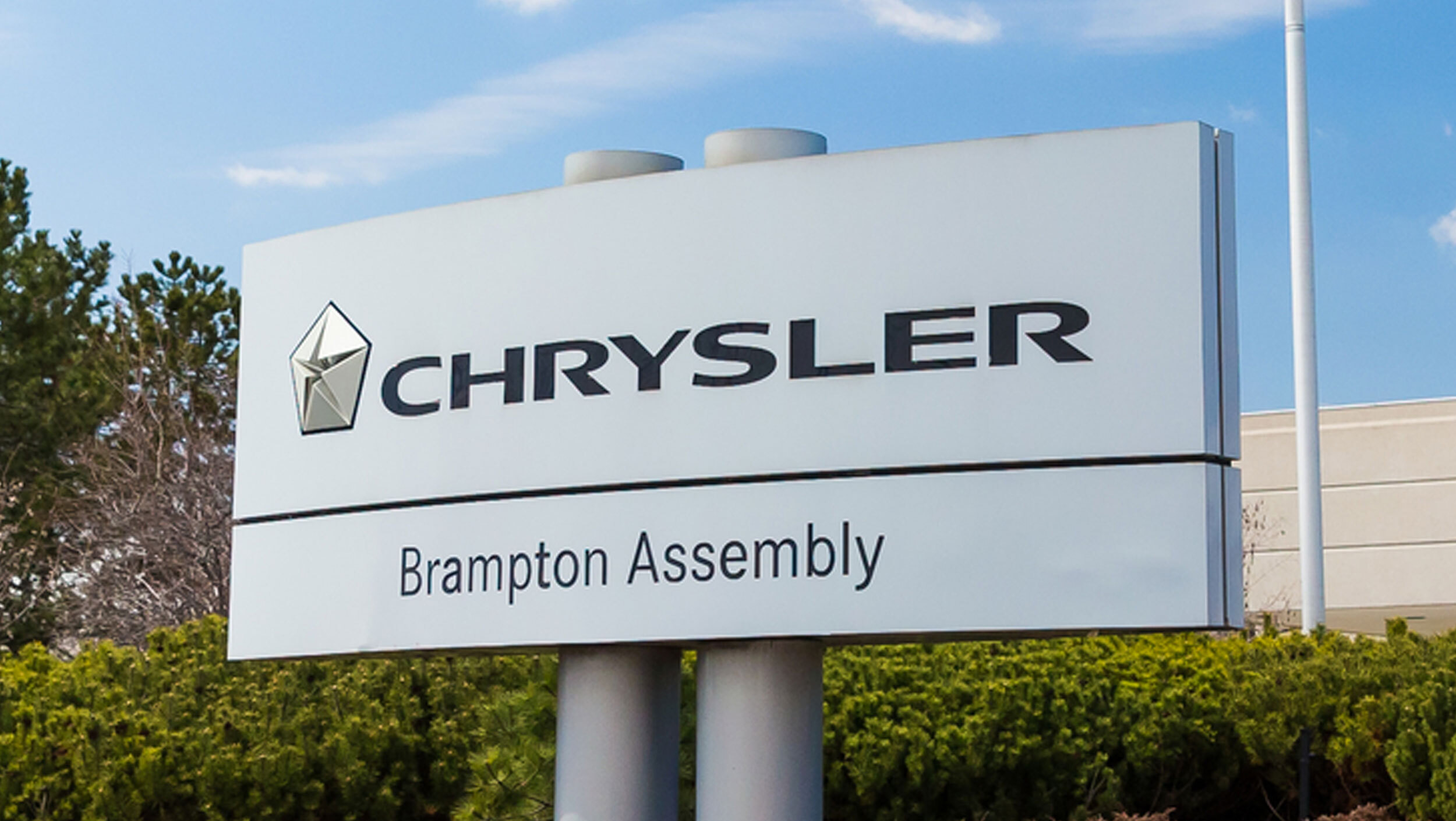
Stellantis's potential exit from Canadian automotive manufacturing represents a critical supply chain inflection point for cross-border e-commerce sellers. On September 16, 2026, Canadian Industry Minister Mélanie Joly issued an ultimatum to Stellantis: commit to new-vehicle production at the Brampton Assembly Plant or face financial penalties and regulatory restrictions. This follows Stellantis's tentative agreement to sell the facility to defence contractor Roshel, signaling a strategic retreat from Canadian operations. The Brampton plant employs thousands of workers and serves as a critical manufacturing hub for North American automotive supply chains—disruptions here cascade through logistics networks that e-commerce sellers depend upon.
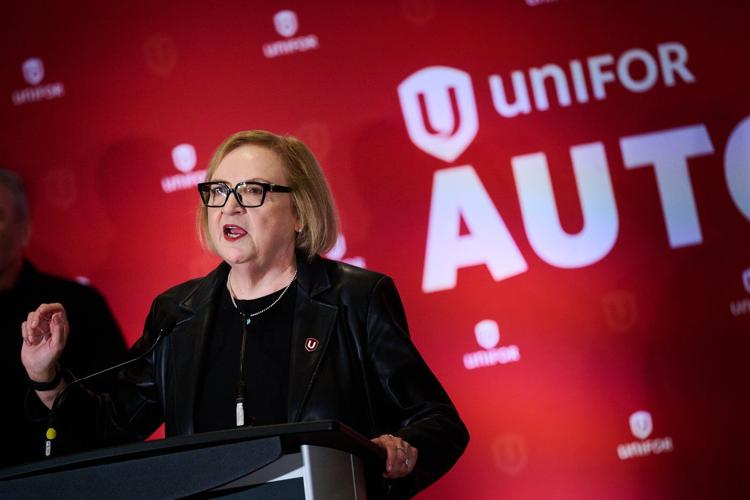
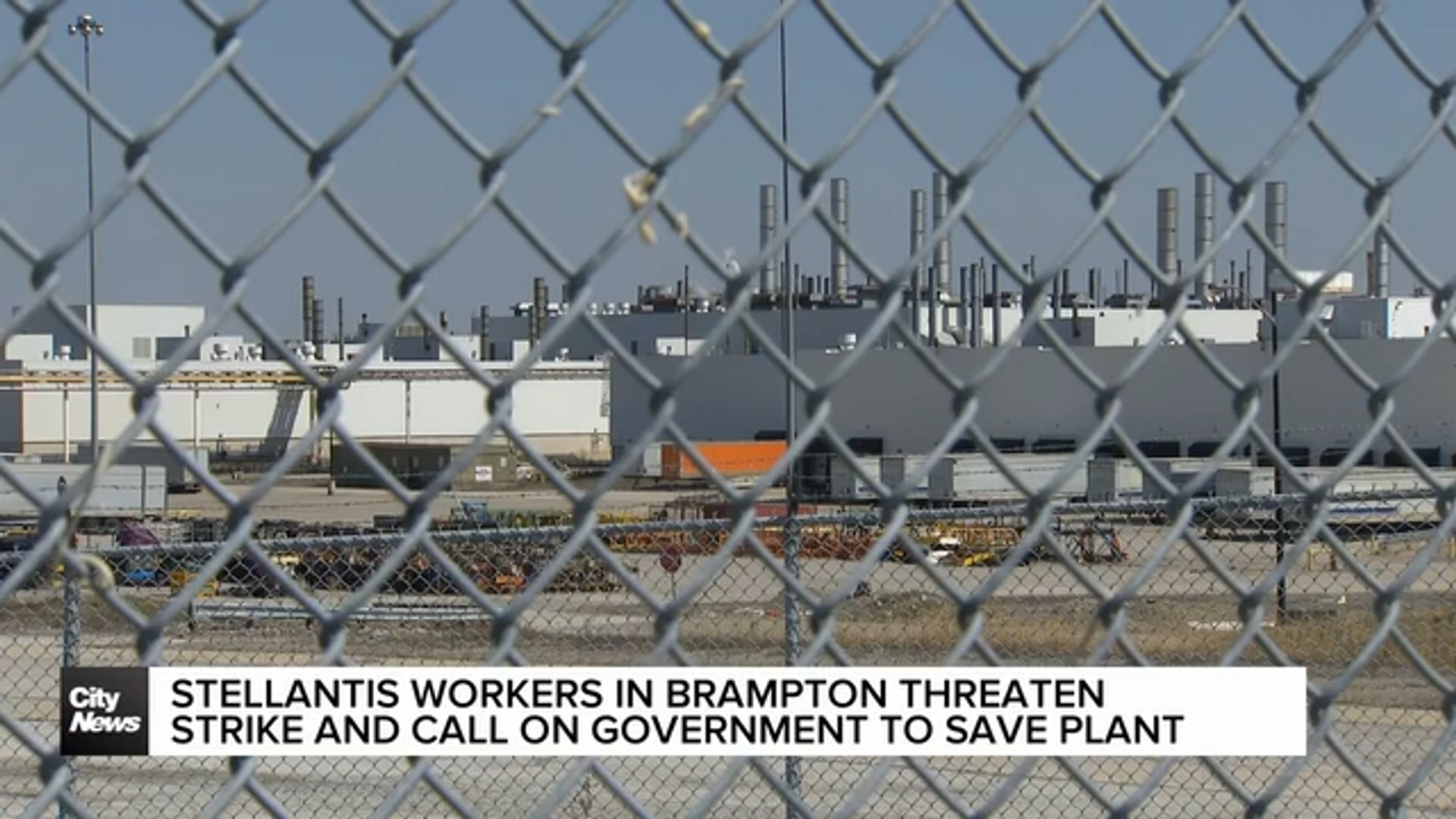
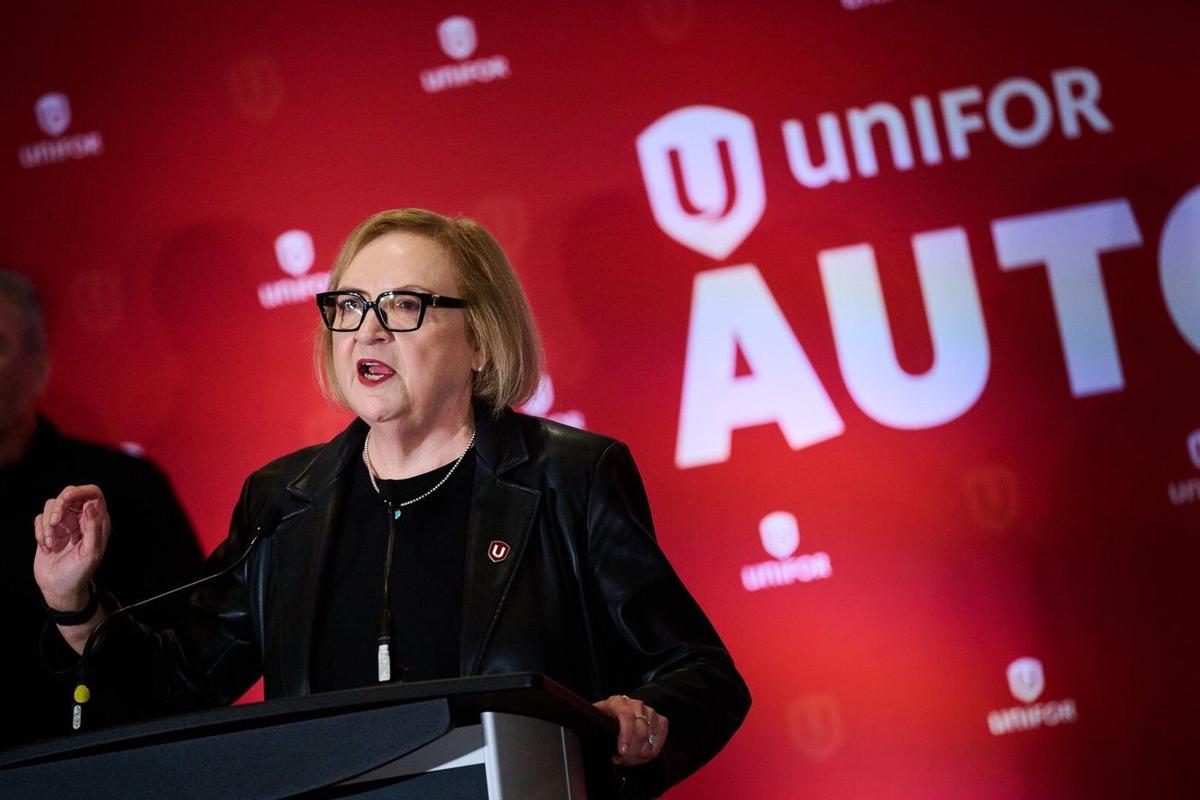
The immediate threat is labor action and supply chain fragmentation. Unifor National President Lana Payne confirmed strike action remains "a genuine possibility," though negotiations continue. Potential work stoppages would disrupt automotive component production, affecting transportation services, 3PL provider capacity, and shipping timelines across North America. For sellers using Canadian distribution centers or relying on cross-border logistics corridors (US-Canada), strike-induced delays could extend fulfillment times by 2-4 weeks during peak periods. Additionally, facility closure would reduce regional manufacturing capacity, potentially increasing logistics costs 8-15% as carriers redirect shipments through alternative routes with lower efficiency.
The broader policy context amplifies risk for sellers. Minister Joly's intervention signals government willingness to restrict corporate operations—Stellantis could face tax incentive withdrawal, regulatory penalties, or operational restrictions if it proceeds with the sale. This precedent affects all multinational manufacturers operating in Canada and creates uncertainty around supply chain reliability. Unifor emphasized that U.S. tariffs (Section 232 on steel/autos) are creating "economic headwinds," yet Ford and General Motors maintain Canadian operations, establishing that tariff challenges alone don't justify facility exits. The dispute reflects deeper tensions: tariff-driven cost pressures are forcing automakers to optimize manufacturing footprints, but Canadian government intervention is attempting to preserve domestic capacity.
For cross-border sellers, the operational impact is multifaceted. Sellers shipping automotive aftermarket products, vehicle accessories, or components sourced from Canadian suppliers face supply disruption risks. Sellers using Canadian fulfillment networks (Amazon.ca FBA, Shopify Plus logistics partners) may experience capacity constraints if strike action reduces transportation availability. Regional demand in Canada could decline 5-10% if facility closure triggers job losses—the Brampton plant employs "thousands of workers," and closure would reduce consumer spending capacity in Ontario. Sellers targeting Canadian consumers should monitor employment trends and adjust inventory allocation accordingly. Additionally, sellers relying on cross-border logistics efficiency (US-Canada shipping corridors) should evaluate alternative 3PL providers and diversify distribution infrastructure to mitigate strike-related disruptions.
Questions 7
How does this compare to other automotive manufacturing crises affecting cross-border sellers?
The Stellantis situation mirrors the 2020 COVID-19 supply chain collapse but with policy-driven causes. Unlike COVID (temporary), this reflects structural tariff pressures and government intervention—suggesting longer-term supply chain reorganization. The 2015 Volkswagen emissions scandal disrupted automotive supplier networks for 18+ months; expect similar duration if Stellantis exits. Historical precedent: when auto plants close, regional logistics costs increase 10-20% for 12-24 months as alternative routes stabilize. Sellers should prepare for 18-month disruption window, not short-term volatility.
What is the timeline for Stellantis decision and how should sellers prepare?
Minister Joly's ultimatum (September 16, 2026) creates a compressed decision window. Stellantis must commit to new production or face penalties; negotiations with Unifor are ongoing with strike action possible within 30-90 days. Sellers should take immediate action: audit inventory exposure to Canadian distribution (0-30 days), contact 3PL providers about contingency plans (within 2 weeks), and establish alternative fulfillment routes (1-4 weeks). Monitor Unifor press releases and Canadian government announcements weekly. If strike action occurs, expect 2-4 week fulfillment delays; if facility closes, expect permanent logistics cost increases of 8-15% for Canadian operations.