
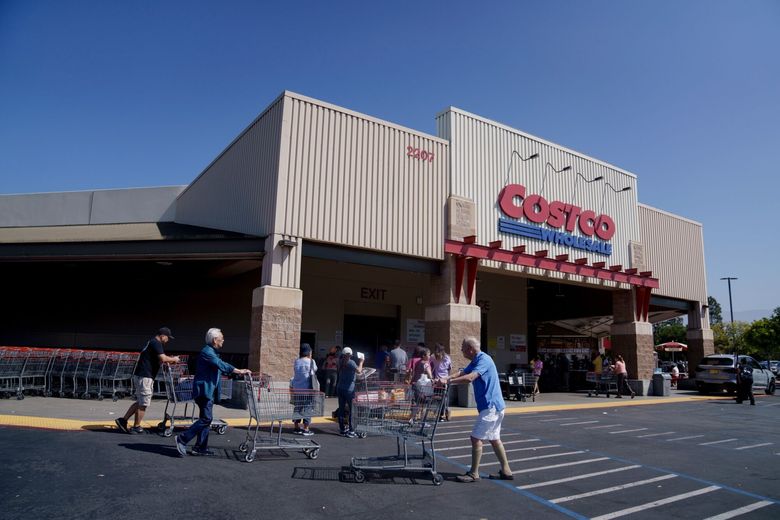
Costco Nationwide Delivery Expansion | 639 Stores, 47 States, Dual Platform Strategy Reshapes Bulk Retail E-Commerce
- Costco expands delivery to 47 U.S. states via DoorDash and Uber Eats; 639 warehouses now accessible; 81 million members gain same-day delivery access; intensifies competition with Amazon Fresh and Instacart














Overview
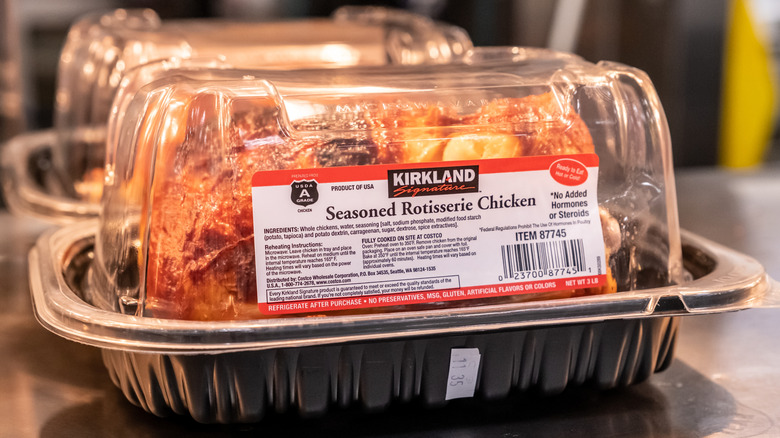
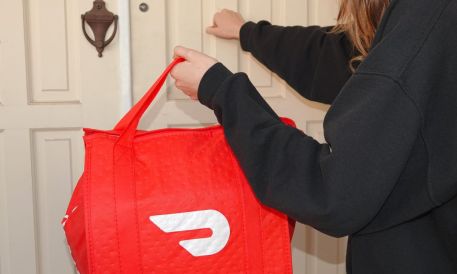
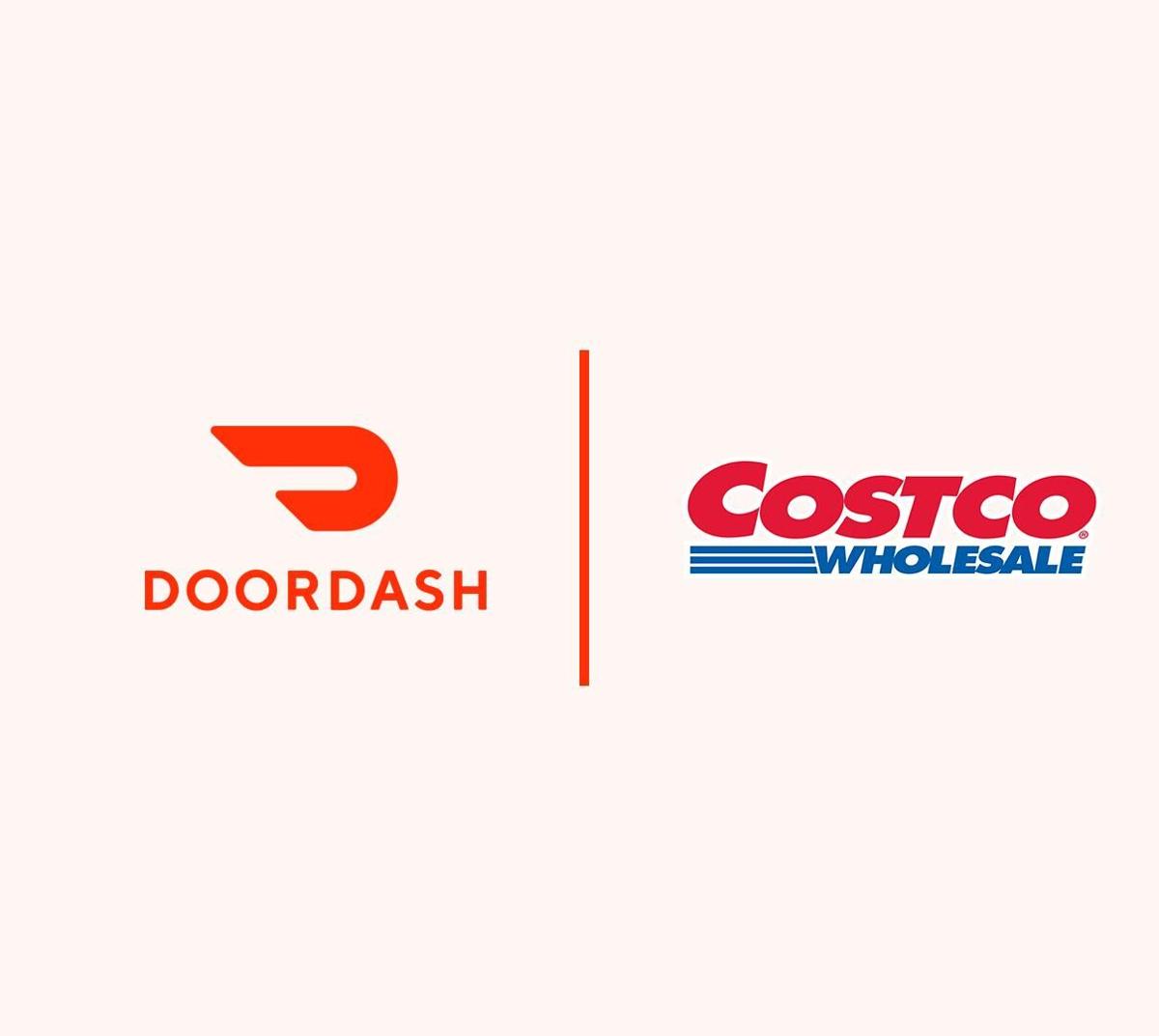
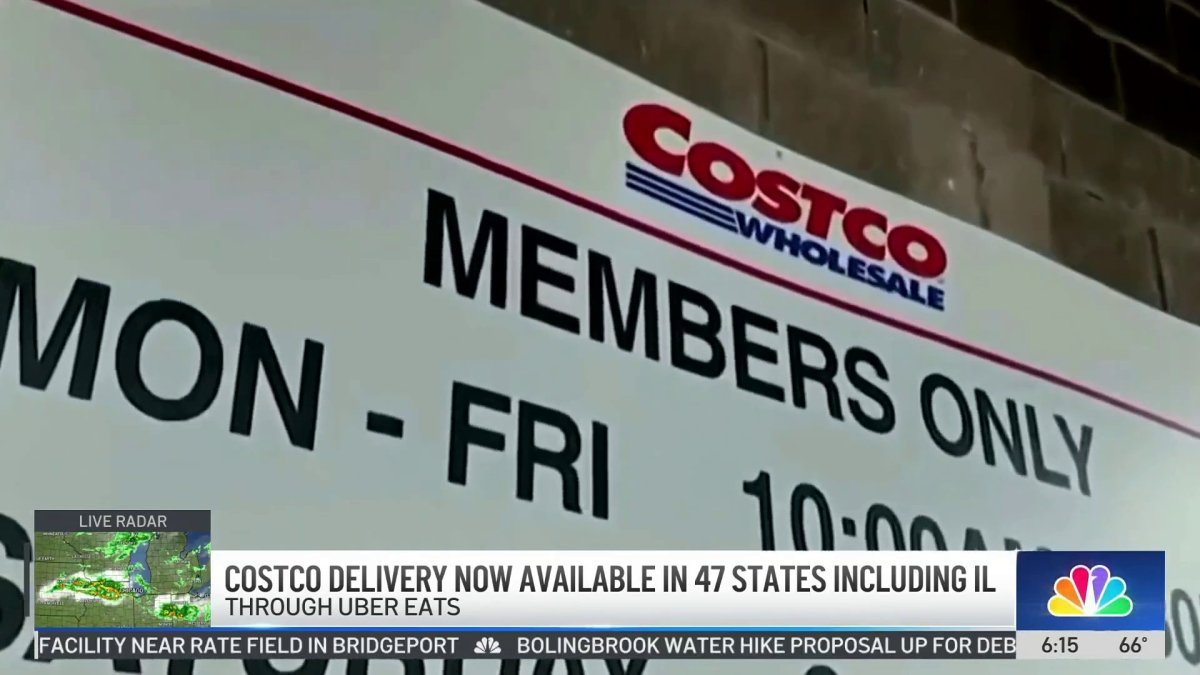
Costco's September 2026 nationwide delivery expansion through DoorDash and Uber Eats represents a fundamental shift in how bulk retailers compete in the rapid grocery delivery market. The partnership extends service from 17 states (Uber Eats' previous coverage) to 47 states, making nearly 600 Costco warehouse locations available for same-day delivery to the retailer's 81 million worldwide members. DoorDash simultaneously launched its first comprehensive U.S. rollout with Costco on September 17, 2026, with access to 4,000+ products including Kirkland Signature items. This dual-platform strategy directly competes with Amazon Fresh, Whole Foods delivery, and Instacart's decade-long partnership with Costco.
For cross-border and domestic e-commerce sellers, this expansion signals three critical market shifts. First, the consolidation of logistics capabilities among major platforms—DoorDash now partners with 8 of the 10 largest North American food retailers—creates new fulfillment cost pressures and competitive positioning challenges. Sellers managing inventory across multiple distribution channels must now account for rapid delivery expectations that were previously limited to urban markets. Second, the membership-based delivery model (requiring Costco membership verification through both apps) demonstrates how retailers are leveraging third-party platforms to expand reach without building proprietary logistics infrastructure. This approach reduces barriers for sellers to access bulk-buying audiences through platform partnerships rather than direct warehouse relationships. Third, the 47-state regulatory approval pathway suggests that rapid delivery infrastructure is becoming standardized across U.S. markets, potentially opening opportunities for sellers to participate in time-sensitive fulfillment models previously limited to select regions.
The competitive landscape intensifies significantly. Costco's previous exclusive relationship with Instacart (nearly a decade) is now supplemented by dual partnerships with DoorDash and Uber Eats, fragmenting the bulk grocery delivery market. Walmart has responded by launching Walmart Restaurant Delivery with partnerships to Subway and Dunkin, while Amazon Fresh competes directly through same-day delivery in 47 states. For sellers targeting bulk and grocery categories, this expansion means consumer expectations for delivery speed have shifted from aspirational to baseline. Sellers utilizing Costco's platform or competing through Amazon and other marketplaces must monitor how this expansion affects delivery costs (estimated 15-25% of order value for rapid delivery), consumer expectations for delivery windows (same-day or next-day becoming standard), and market share distribution across platforms. The integration of membership verification within the DoorDash and Uber Eats apps represents operational innovation that sellers should replicate in their own fulfillment strategies—streamlining authentication while maintaining retailer-specific requirements.
Questions 7
How does this expansion impact sellers competing with Amazon Fresh and Whole Foods delivery?
Costco's dual-platform strategy (DoorDash + Uber Eats) creates a three-way competitive dynamic with Amazon Fresh and Whole Foods delivery. Costco's membership base (81 million worldwide) and bulk-buying model appeal to price-conscious consumers, while Amazon Fresh targets convenience-focused shoppers and Whole Foods emphasizes premium organic products. For sellers, this means market segmentation by consumer type: bulk buyers use Costco delivery, convenience shoppers use Amazon Fresh, and premium buyers use Whole Foods. Sellers should tailor product positioning and pricing for each platform—emphasizing value and bulk quantities for Costco delivery, convenience and speed for Amazon Fresh, and quality/organic certifications for Whole Foods. Margin compression is likely across all three platforms as competition intensifies.
What are the immediate action items for sellers in bulk and grocery categories?
Sellers should complete three actions by October 31, 2026: (1) Audit current fulfillment costs and delivery times across Amazon, Instacart, and Costco channels to identify margin compression from rapid delivery expectations; (2) Evaluate 3PL partnerships offering regional fulfillment in high-density metro areas (top 50 U.S. metros account for 60% of rapid delivery volume); (3) Optimize product listings for rapid delivery search terms ('same-day bulk,' 'next-day delivery household essentials') on Amazon and Walmart. For sellers with $1M+ annual revenue, consider pilot programs with DoorDash or Uber Eats merchant programs to test direct-to-consumer rapid delivery models. Monitor Instacart's response to Costco's dual partnerships—potential price wars or exclusive deals are likely within 60-90 days.