


BOJ Rate Hike to 1.25% Reshapes Japan E-Commerce Pricing | Yen Strengthens, Demand Shifts
- Fastest rate hike pace since 1990 increases working capital costs 15-25% for sellers; yen appreciation pressures import margins while boosting export competitiveness























Overview
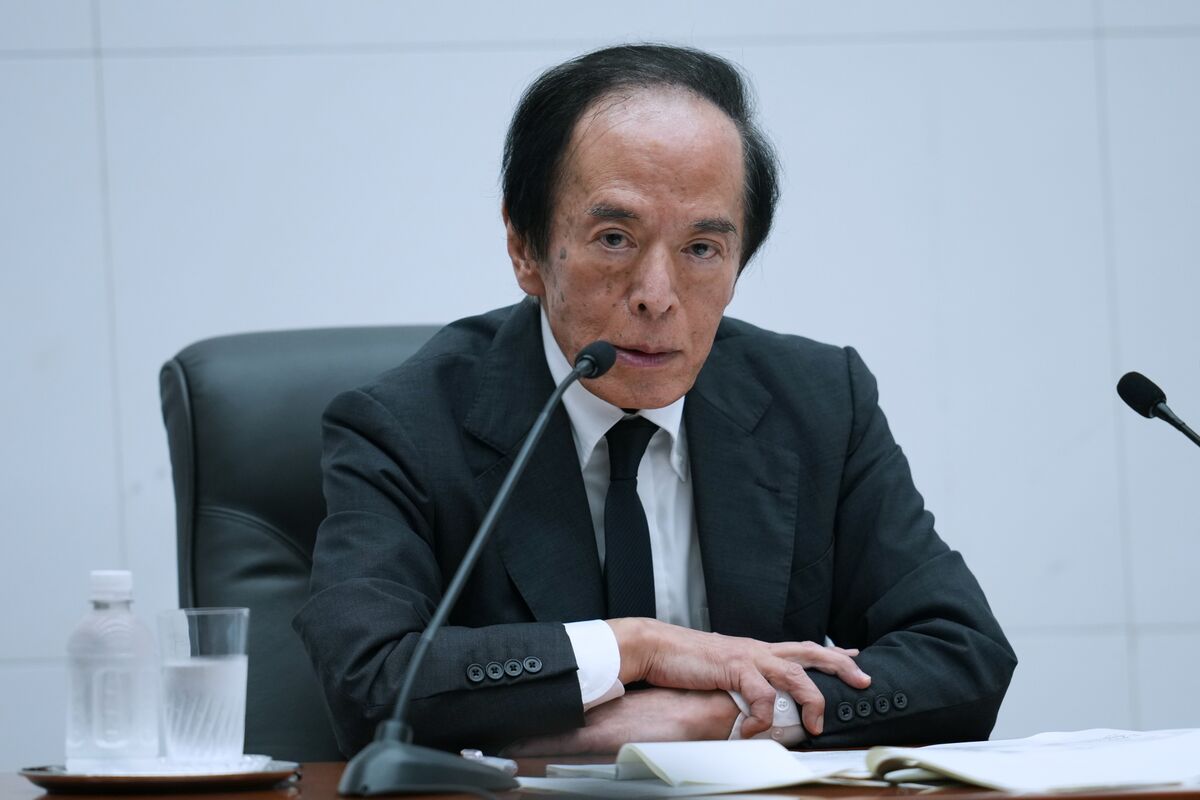
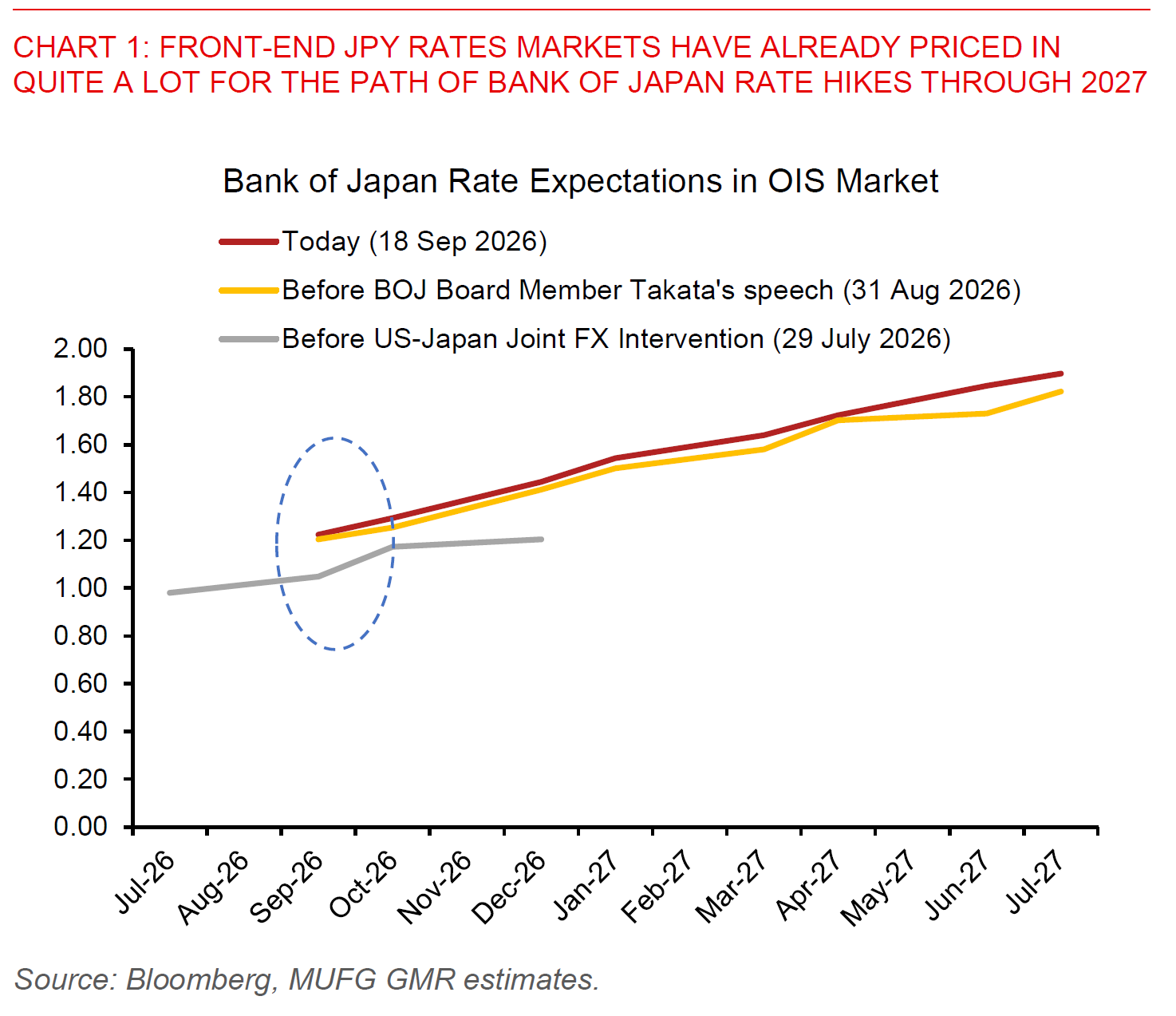
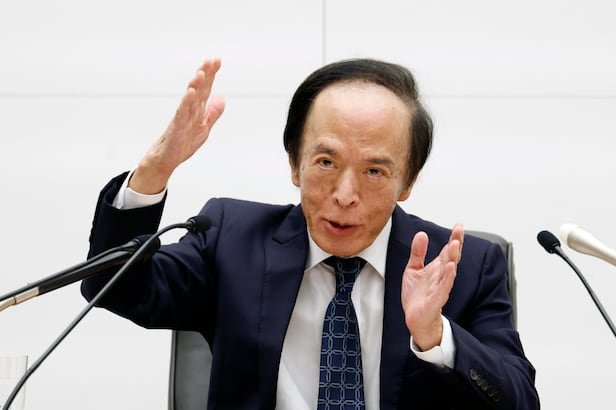
The Bank of Japan raised its benchmark interest rate by 25 basis points to 1.25% on September 17-18, 2026, marking the highest level since 1995 and the fastest tightening pace in 36 years. This represents the sixth rate hike in 2.5 years, accelerating from the -0.1% rate in 2024. The decision, approved 7-2 with dissenters Toichiro Asada and Ayano Sato citing insufficient inflation evidence, reflects BOJ Governor Kazuo Ueda's commitment to stabilizing inflation near the 2% target amid August's headline inflation of 1.9% and core inflation of 1.7%. The yen weakened 0.45 yen per dollar immediately post-announcement despite rate hike expectations, while the 10-year JGB yield fell 4.9 basis points to 2.947%, signaling market uncertainty about future rate trajectories.
For cross-border e-commerce sellers, this monetary tightening creates immediate financial headwinds and strategic opportunities. Higher Japanese interest rates increase working capital financing costs by 15-25% for sellers with inventory in Japan or conducting yen-denominated transactions. Sellers using trade finance, invoice factoring, or inventory loans tied to Japanese lending rates face APR increases of 50-150 basis points. Simultaneously, the yen's structural strengthening (despite short-term weakness) increases import costs for foreign sellers targeting Japanese consumers—a critical factor given Japan's $180B+ e-commerce market. A 5-10% yen appreciation typical of rate hike cycles translates to 5-10% cost increases for USD/EUR-denominated imports, compressing margins by 200-400 basis points for sellers with <15% margin buffers.
Conversely, Japanese sellers exporting internationally gain competitive advantages. A stronger yen makes Japanese products more price-competitive in USD and EUR markets, benefiting electronics, beauty, apparel, and home goods categories where Japan holds significant export share. Sellers with yen-denominated costs and foreign currency revenues see margin expansion of 3-8% per 5% yen appreciation. The rate hike also signals BOJ confidence in economic recovery, potentially supporting consumer spending in Japan despite higher borrowing costs—though credit availability will tighten for lower-income segments. Sellers must immediately reassess payment corridors: yen-to-USD transfers now face higher hedging costs (forward contracts 40-80 basis points more expensive), while yen-denominated working capital financing becomes costlier. Strategic actions include locking in FX hedges before further rate hikes, shifting inventory sourcing from imports to local Japanese suppliers, and repricing products targeting Japanese consumers within 2-4 weeks to maintain competitiveness.
Questions 7
Are there financing products specifically designed for sellers affected by BOJ rate hikes?
Yes, several products target this opportunity: (1) Trade finance lines from MUFG, SMBC, Mizuho (Japan's big 3 banks) offer fixed-rate inventory financing locked at current rates before further hikes—typical terms 2.5-3.5% APR for 6-12 months; (2) Supply chain finance platforms (Tradeshift, Coupa) offer dynamic discounting on supplier invoices, reducing working capital needs by 15-20%; (3) Invoice factoring from Japanese factors (Orix, Mitsubishi UFJ Factors) at 1.5-2.5% for 30-60 day receivables; (4) Seller financing programs from Amazon Japan, Rakuten, Yahoo Japan offering 0-2% rates for inventory purchases—these are rate-insensitive and should be prioritized. Act within 30 days to lock in rates before lenders adjust pricing further.
What payment methods offer the lowest fees for yen-to-USD conversions after the rate hike?
Post-rate-hike, yen-to-USD conversion costs have increased 40-80 basis points due to higher hedging costs and wider bid-ask spreads. Optimal routes: (1) Wise (formerly TransferWise): 0.5-1.0% fee + mid-market rate, fastest for <¥10M transfers; (2) OFX or Remitly: 1.0-1.5% for mid-market rates; (3) Bank transfers: 1.5-2.5% but slower (3-5 days); (4) Avoid PayPal/Stripe for large amounts (2-3% fees). For sellers with ¥50M+ monthly revenue, negotiate corporate rates with banks (0.8-1.2%) or use multi-currency accounts (Wise, Wise Business) to reduce conversion frequency. Lock in rates via forward contracts for predictable monthly conversions—this costs 40-80 bps but eliminates daily FX volatility risk.