



AMD CPU/GPU Price Surge Q4 2026 | Seller Sourcing & Inventory Strategy
- 10% price increase on CPUs, GPUs, motherboards effective Q4 2026; TSMC foundry costs drive 8-12% landed cost increase for system builders and PC component resellers





Overview
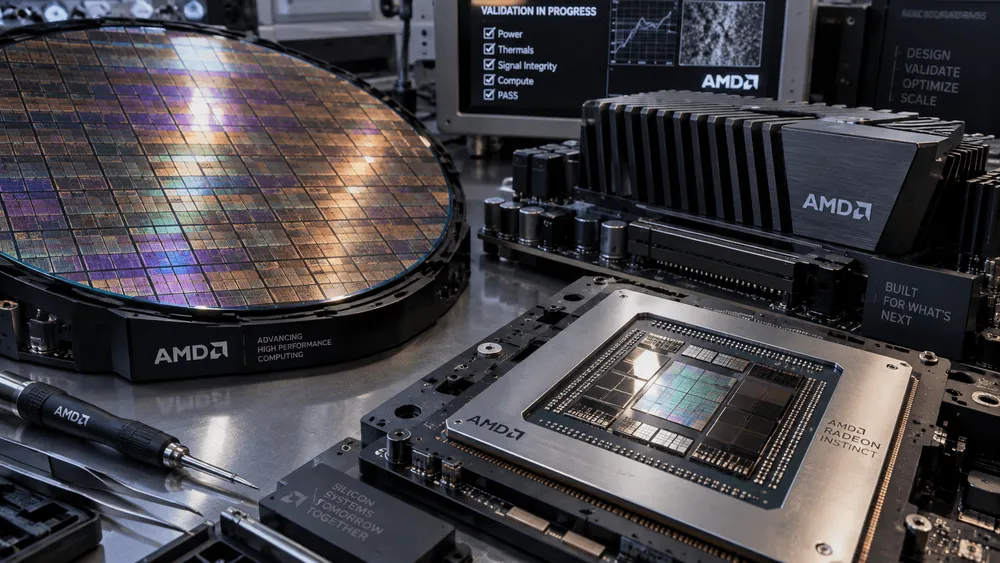
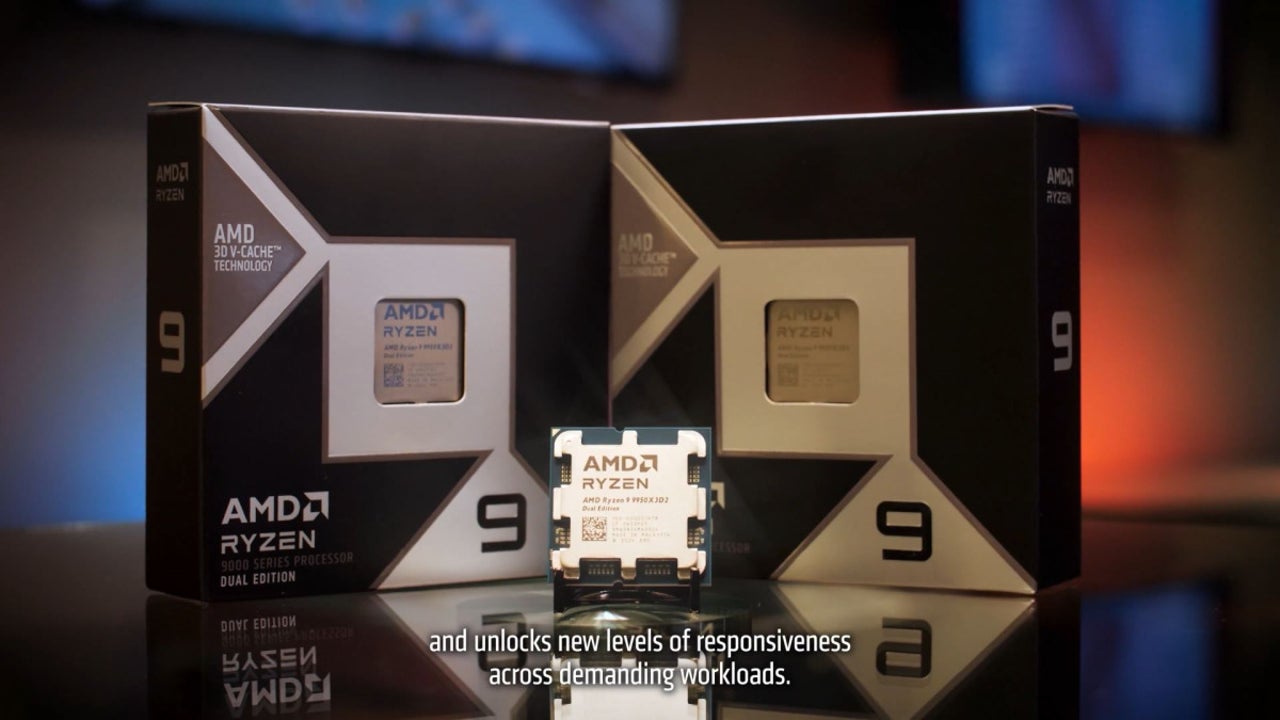
AMD's 10% price increase across CPUs, GPUs, and motherboards—effective Q4 2026—signals a critical supply chain inflection point for cross-border sellers in the electronics and gaming hardware categories. According to ChannelGate supply chain sources, TSMC has notified customers of ~10% foundry cost increases in Q4 2026, which AMD is passing directly to channel partners and retailers rather than absorbing. The price hike explicitly affects consumer-grade GPUs (Radeon RX 9070 XT currently at $749, projected to reach ~$824 post-increase), chipsets for AM4/AM5 motherboards, and AI accelerator chips. While Ryzen CPU pricing remains officially unconfirmed, industry analysts expect the increase to extend across the entire client CPU lineup given AMD's historical cost-pass-through practices and heavy TSMC reliance.
For cross-border sellers, this creates a 6-month window (now through Q3 2026) to execute critical inventory and sourcing strategies. The timing advantage is substantial: retailers and system integrators have until Q4 2026 to adjust pricing and inventory positioning. Sellers currently holding AMD inventory (CPUs, GPUs, motherboards) face margin compression of 8-12% if they don't pre-position stock before the increase. The Radeon RX 9070 XT example is instructive—already trading at $150 (25%) above MSRP due to market strain, a 10% increase would push floor pricing to $824, further constraining consumer demand and inventory velocity. This mirrors broader semiconductor industry dynamics: Intel has similarly announced price increases, signaling industry-wide cost pressures at advanced process nodes.
Logistics and inventory implications are immediate and actionable. Sellers should prioritize stocking high-margin GPU and chipset inventory in Q1-Q3 2026 before the price increase takes effect. For cross-border operations, this means accelerating imports from Taiwan (TSMC's location) and securing warehouse capacity in key markets (US, EU, Asia Pacific) to absorb pre-increase inventory. The 6-month lead time allows sellers to negotiate volume discounts with distributors before TSMC's cost increases cascade through the supply chain. Additionally, sellers should monitor competitor pricing strategies—NVIDIA and Intel will likely adjust pricing in response, creating temporary arbitrage opportunities in gaming and workstation segments where AMD competes directly.
Questions 8
How should sellers monitor competitor pricing and market dynamics through Q4 2026?
Establish weekly price tracking for AMD, Intel, and NVIDIA products across major retailers (Amazon, Newegg, B&H Photo) to identify pricing trends and arbitrage opportunities. Monitor ChannelGate and industry analyst reports for official AMD pricing confirmations and implementation timelines. Track competitor inventory levels—if Intel or NVIDIA also announce price increases, demand may shift to AMD, creating temporary pricing advantages. Set up alerts for TSMC earnings calls and supply chain announcements, as these often signal broader foundry cost trends affecting multiple chipmakers.
What alternative sourcing strategies should sellers consider for Q4 2026?
Sellers should evaluate three strategic alternatives: (1) Shift sourcing to Intel processors and NVIDIA GPUs to diversify away from AMD's price increases, (2) Focus on lower-cost AMD SKUs (Ryzen 5/7 vs. Ryzen 9) that may see smaller percentage increases, (3) Explore dropshipping or print-on-demand models for system builds to reduce inventory risk. Additionally, monitor TSMC's capacity announcements—if foundry costs stabilize or decline in 2027, sellers can adjust sourcing strategies accordingly. Consider negotiating long-term supply agreements with distributors to lock in pre-increase pricing.