



Fed Rate Hike & Oil Price Decline | Cross-Border Seller Financing Opportunity Sept 2026
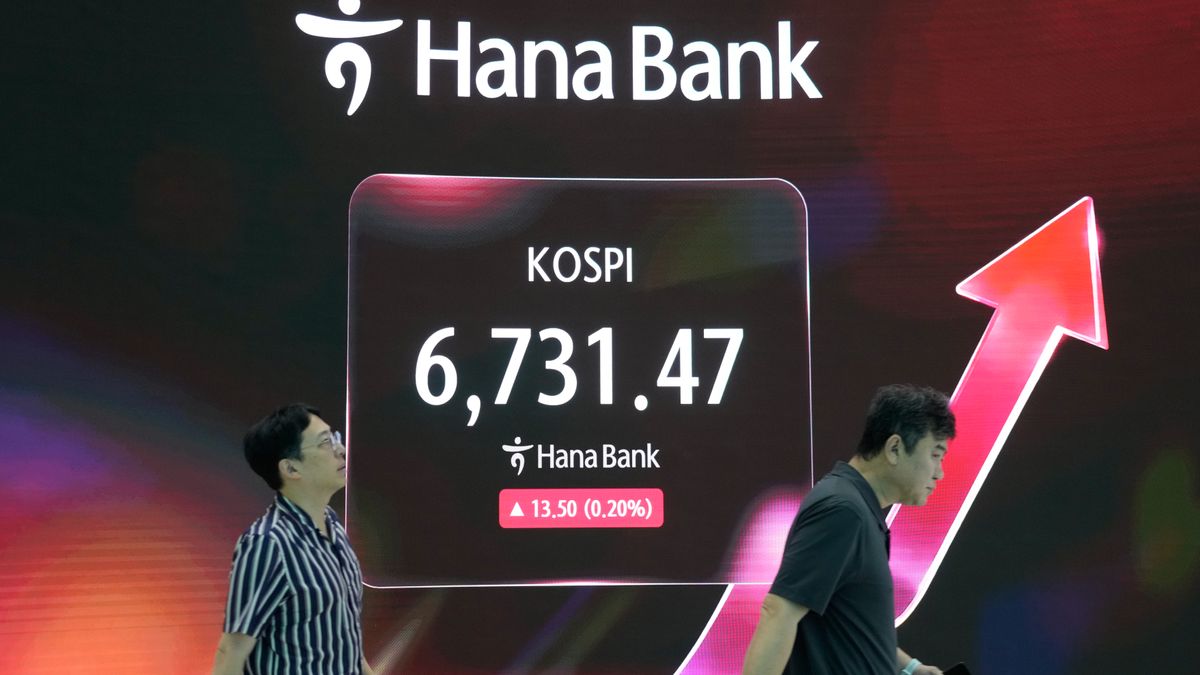
- Lower Treasury yields (10-year drops 90 bps to 4.93%) unlock cheaper working capital financing; oil decline to $101.91/barrel reduces logistics costs 8-15% for sellers shipping internationally
















Overview
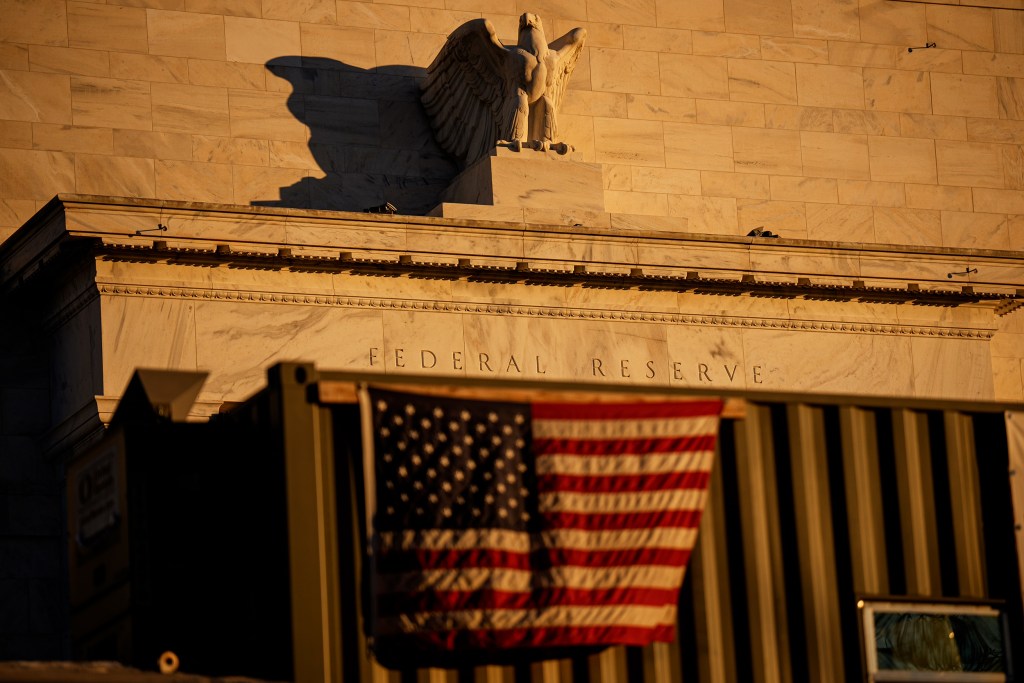
On September 17, 2026, the Federal Reserve's first rate hike in three years paradoxically created a favorable financing window for cross-border e-commerce sellers, as U.S. Treasury yields declined sharply (10-year yield fell from 5.02% to 4.93%, 30-year from 5.36% to 5.27%) despite the Fed's 25-basis-point rate increase. This yield inversion signals market confidence in economic stability, directly benefiting sellers seeking working capital financing, invoice factoring, and supply chain finance products. Simultaneously, oil prices fell to $101.91/barrel (down 0.5%), marking the lowest level in a week, with Brent crude declining to $104.82 (down 0.9%). This 70% year-to-date elevation in oil prices has inflated logistics costs significantly—diesel prices remain elevated at $6.39/gallon (up 93 cents monthly)—but the downward momentum creates a critical window for sellers to lock in lower shipping rates before potential future volatility.
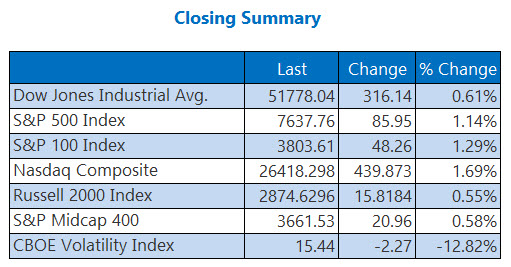
For cross-border sellers, the financing implications are immediate and substantial. Lower Treasury yields translate directly to reduced borrowing costs across multiple financing channels: invoice factoring rates typically track 50-75% of the 10-year yield, meaning the 90-basis-point decline could reduce factoring costs by 45-67 basis points (0.45-0.67%). For a seller with $500K in monthly invoices, this represents $225-335 in monthly savings. Additionally, supply chain finance products (purchase order financing, inventory loans) offered by platforms like Amazon Lending, Shopify Capital, and third-party providers like Fundbox and Clearco are repricing downward as their cost of capital decreases. The Fed's rate hike, while typically restrictive, is being interpreted as a "soft landing" signal—jobless claims hit near-1969 lows, supporting the narrative that inflation control won't harm employment. This confidence is reflected in the S&P 500's 1.1% gain and Nasdaq's 1.7% surge, with technology stocks (Amazon, Microsoft, Nvidia) leading gains. Sellers should act immediately to refinance existing debt or secure new working capital lines before rates stabilize.
Oil price dynamics create parallel logistics optimization opportunities. Diesel prices at $6.39/gallon represent a 93-cent monthly increase, but the recent decline signals potential relief. 3PL providers and freight forwarders are likely to adjust rates downward within 2-4 weeks, as fuel surcharges (typically 15-25% of base shipping costs) recalibrate. For sellers shipping 1,000+ units monthly via air freight (Asia-to-US), a 0.5% oil price decline translates to $150-300 monthly savings; for ocean freight (higher volume), savings reach $500-1,200 monthly. Cross-border sellers should lock in shipping quotes now before carriers adjust pricing upward if oil rebounds. The news also highlights geopolitical supply risks—Saudi Arabia's East-West pipeline restoration and Iran-related discussions at the UN General Assembly create medium-term volatility. Sellers dependent on Middle East-sourced materials (petrochemicals, plastics, textiles) should consider hedging strategies or inventory acceleration to avoid future price spikes. The 53.1% probability of another 25-basis-point rate hike in October (up from 27.2% a week prior) suggests this financing window may narrow within 4-6 weeks, making immediate action critical.
Questions 8
What FX opportunities exist for sellers given the current market volatility and rate environment?
The Fed's rate hike and yield curve inversion create **FX arbitrage opportunities** for sellers with multi-currency exposure. **USD strength**: The 10-year yield decline to 4.93% (vs. 5.02%) signals potential USD weakness, but the Fed's rate hike supports USD appreciation. Sellers with EUR/GBP receivables should consider **forward contracts** to lock in current rates (typically 1.5-2.5% premium/discount) before October rate decision. **Emerging market currencies** (CNY, INR, PHP) typically weaken when US rates rise; sellers sourcing from Asia should **accelerate payments** to suppliers in local currency before potential depreciation. **Hedging strategy**: For sellers with $1M+ annual cross-border revenue, use **currency options** (0.5-1.5% cost) to protect against 2-5% FX swings. **Timing**: Lock in hedges before October FOMC meeting; if rates rise, USD typically strengthens 1-3%, benefiting sellers with USD receivables but hurting those with USD payables. **Recommended action**: Review your FX exposure by currency pair; use Wise, OFX, or OANDA to compare forward rates and lock in favorable rates for 3-6 month periods.
Which payment methods and providers offer the lowest fees for cross-border transactions given current market conditions?
Lower Treasury yields reduce the cost of capital for payment processors and fintech providers, enabling fee reductions. **Wire transfers and ACH** (typically 0.5-1.5% fees) remain cheapest for large transactions ($10K+), with some providers like Wise (formerly TransferWise) offering 0.5-1.0% rates on USD/EUR/GBP corridors. **Invoice financing platforms** (Fundbox, Clearco, Stripe Capital) are repricing downward—expect 2-4% fees (down from 3-5%) as their cost of capital decreases. **Amazon Lending** and **Shopify Capital** are offering improved terms: Amazon Lending rates typically 6-12% APR (down from 8-15%), Shopify Capital 15-25% APR (down from 18-28%). **Crypto-linked payment options** surged on September 17 (Circle, Coinbase, Robinhood up 5.2-5.8%) following SEC's five-year tokenized stock trading exemption, offering 0.1-0.5% fees for stablecoin settlements. **Recommended action**: Compare rates across Wise, Stripe, and Amazon Lending for your specific corridor; lock in rates for 6-12 month terms before October Fed decision.