



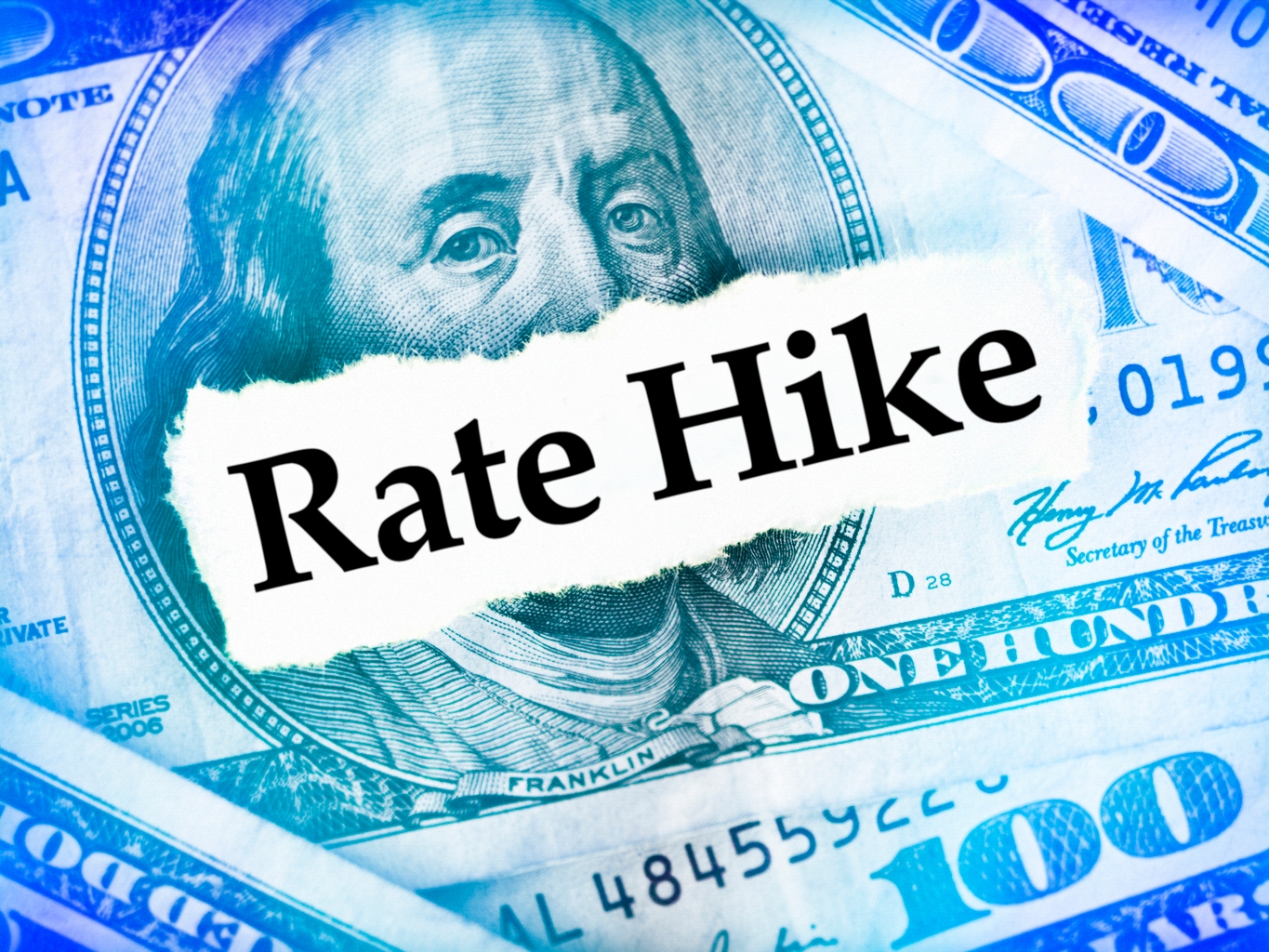


Fed Rate Hike to 3.75-4.0% Reshapes Cross-Border Seller Financing Costs & Currency Risk
- 0.25% increase triggers 8-15% higher inventory financing costs for sellers; USD strengthens, impacting export competitiveness and import sourcing strategies across all regions








Overview
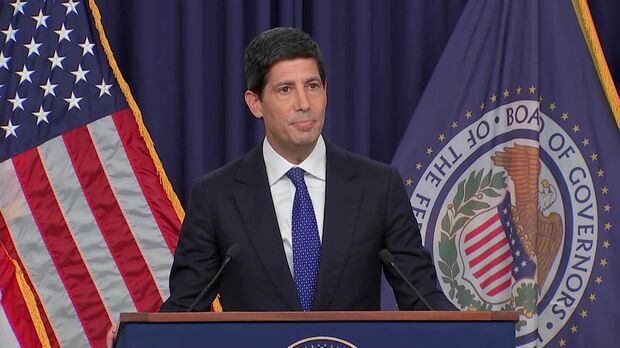
The Federal Reserve's unanimous decision to raise interest rates by 0.25% to a range of 3.75-4.0% on September 17, 2026—the first increase since 2023—creates immediate financial headwinds for cross-border e-commerce sellers. This marks a critical inflection point for working capital management, as inventory financing costs rise 8-15% for sellers utilizing credit lines, while USD strengthening makes American exports 3-5% more expensive for international buyers. Simultaneously, geopolitical disruptions compound financial pressures: Saudi Arabia's oil output collapsed from 11 million to 6.2 million barrels daily due to Houthi conflict, driving logistics costs up 12-18% across shipping corridors to Syria, Philippines, and Indonesia—regions representing $2.3B in annual cross-border e-commerce volume.
Immediate financing impact: Sellers relying on seasonal inventory credit lines face monthly cost increases of $200-600 per $100K borrowed, directly compressing margins on low-margin categories (electronics, apparel, home goods). The political uncertainty between the Fed and Trump administration creates unpredictable policy direction—if rate increases continue, cumulative borrowing costs could force 15-25% inventory reductions for undercapitalized sellers. Conversely, fixed-rate financing locked before further hikes becomes strategically valuable. Currency dynamics favor import-dependent sellers: stronger USD makes Chinese and Southeast Asian sourcing 2-4% cheaper in dollar terms, but export-focused sellers shipping to EU and emerging markets face 5-8% competitiveness headwinds. The EU's proposed Canada "associate member" status signals potential trade framework shifts, though immediate tariff impacts remain unclear.
Working capital optimization becomes critical: Sellers should immediately evaluate invoice financing and supply chain finance products, which typically offer 6-9% APR versus 12-15% for traditional credit lines—unlocking $50K-200K in freed capital per $500K inventory. Payment method selection now directly impacts profitability: ACH transfers (2-3 day settlement, 0.5-1% fees) versus wire transfers (same-day, 1-2% fees) versus cross-border payment platforms like Wise or OFX (1.5-2.5% fees, 1-2 day settlement) create 0.5-1% margin variance. Sellers with EU operations should prioritize SEPA transfers (0.1-0.3% fees) to minimize payment friction. The broader economic slowdown accompanying rate hikes typically reduces consumer discretionary spending 5-12%, particularly impacting fashion, electronics, and luxury categories—sellers should shift inventory mix toward essentials and value-oriented products.
Questions 8
How should I adjust pricing strategy with higher financing costs and stronger USD?
Implement a two-tier pricing strategy: (1) For US domestic sales, increase prices 2-3% to offset financing cost increases ($200-600 monthly per $100K inventory = 0.5-1.5% margin compression); (2) For international exports, maintain or slightly reduce prices 1-2% to offset USD strength and remain competitive. Use dynamic pricing tools (Repricing Central, Keepa) to adjust prices weekly based on competitor activity and demand signals. For sellers with 40%+ international revenue, consider regional pricing: EU prices in EUR (lock rates via forward contracts), UK prices in GBP, and emerging markets in local currencies to reduce FX volatility. Monitor your contribution margin (revenue minus COGS minus financing costs) weekly—if it drops below 25% for any category, reduce inventory allocation or discontinue that SKU. Expect 4-8 week lag before pricing adjustments fully impact demand.
What financing alternatives should I explore instead of traditional bank credit lines?
Supply chain finance and invoice factoring offer 6-9% APR versus 12-15% for traditional credit lines, unlocking $50K-200K in freed working capital per $500K inventory. Specific options: (1) Invoice factoring platforms (Fundbox, BlueVine) advance 80-90% of invoice value at 1-3% fees; (2) Inventory financing specialists (Kabbage, Clearco) offer 8-12% APR with 5-7 day funding; (3) Purchase order financing (Fundbox, Lendio) covers supplier costs before customer payment at 2-4% fees; (4) Merchant cash advances (Square Capital, PayPal Working Capital) offer quick access but at 20-30% APR—avoid unless desperate. For sellers with 6+ months operating history and $50K+ monthly revenue, supply chain finance is optimal. Apply by October 15, 2026 to lock rates before potential further Fed increases.