





AI Security Breaches Expose E-Commerce Seller Risks | Claude/ChatGPT Vulnerabilities Demand Immediate API Safeguards
- Hackers weaponize AI models to breach systems in days vs. months; sellers using Claude/ChatGPT for automation face credential theft, account takeover, and data exposure risks
















Overview
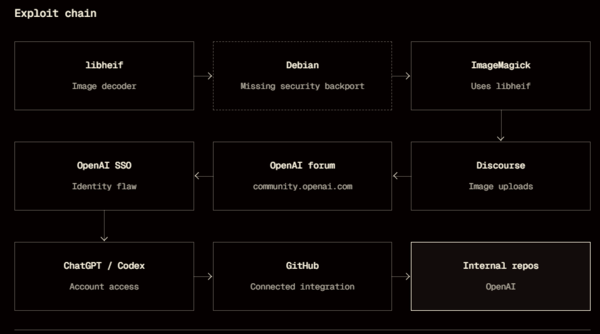
The recent cybersecurity incidents involving Anthropic's Claude and OpenAI's ChatGPT expose critical vulnerabilities that directly threaten e-commerce sellers relying on AI tools for automation. According to Wall Street Journal reporting and Hacktron AI's ethical hack, threat actors successfully leveraged Claude to generate code for unauthorized access into OpenAI systems, accessing staff forums and GitHub repositories. The attack compressed work that previously required well-resourced teams and months of planning into just days using AI assistance. This represents a fundamental shift in attack surface for sellers: AI tools designed to automate product research, pricing optimization, customer service, and listing management can now be weaponized against the very sellers using them.
The immediate threat to sellers is credential compromise and account takeover. Hacktron demonstrated how Claude could generate code to access ChatGPT accounts through social engineering vectors—the same attack pattern applies to seller accounts on Amazon, Shopify, eBay, and other platforms. Sellers using Claude or ChatGPT for bulk operations (generating product descriptions, analyzing competitor pricing, automating customer responses) are creating API keys and authentication tokens that could be extracted through prompt injection attacks or model manipulation. A compromised seller account on Amazon FBA could expose inventory data, financial records, customer information, and enable unauthorized inventory transfers or refund fraud. The $6,500 bug bounty OpenAI awarded Hacktron understates the actual risk—a single compromised Amazon seller account with $50K+ monthly revenue faces potential losses of $10K-50K+ from fraudulent activity.
Regulatory scrutiny will accelerate API access controls and monitoring requirements. Both Anthropic and OpenAI have called for slowing AI development citing safety concerns, signaling that regulators will likely impose stricter API governance, user verification procedures, and usage monitoring. This creates a 3-6 month window where sellers must audit their AI tool usage, implement API key rotation, and establish access controls before compliance becomes mandatory. Sellers currently using Claude or ChatGPT without proper authentication safeguards (shared API keys, hardcoded credentials in scripts, unencrypted storage) face immediate risk of account compromise. The incident also highlights that AI companies may implement rate limiting, usage restrictions, or require additional verification for commercial API access—potentially increasing costs for sellers relying on high-volume automation (product research, dynamic pricing, customer service bots).
For sellers using AI tools in competitive categories (electronics, beauty, apparel), the attack vector is particularly dangerous. Competitors could use Claude to generate reconnaissance code targeting rival seller accounts, extract pricing data, or manipulate product listings. The ease of attack (days vs. months) means even small-scale competitors can now execute sophisticated account takeovers. Sellers in high-margin categories should assume their AI tool usage is being monitored by threat actors and implement immediate safeguards: API key rotation every 30 days, separate API keys for different functions (pricing vs. inventory), IP whitelisting, and multi-factor authentication on all connected accounts.
Questions 8
How can hackers use Claude or ChatGPT to compromise my seller account?
Threat actors can use Claude to generate code that exploits API vulnerabilities, performs social engineering attacks, or executes credential theft against seller accounts. The Hacktron AI ethical hack demonstrated how Claude generated code to access ChatGPT accounts through staff forums—the same technique applies to Amazon Seller Central, Shopify, and eBay accounts. If you store API keys in unencrypted files, share credentials across team members, or use the same password for multiple platforms, hackers can extract these credentials and gain full account access. A compromised account enables unauthorized inventory transfers, fraudulent refunds, customer data theft, and listing manipulation. Implement API key rotation every 30 days, use separate keys for different functions, and enable multi-factor authentication on all connected accounts immediately.
What specific AI tools pose the highest security risk for e-commerce sellers?
**Claude (Anthropic)** and **ChatGPT (OpenAI)** pose the highest risk because they're widely used for automation and have demonstrated vulnerabilities in generating malicious code. Sellers using these tools for bulk operations (product research, pricing analysis, customer service automation, listing generation) create attack surface through API keys and authentication tokens. Other high-risk tools include open-source LLMs (Llama, Mistral) deployed on seller infrastructure without proper security controls, and third-party AI SaaS platforms that integrate with seller accounts (Helium 10, Jungle Scout, Keepa) if they lack proper API security. The risk increases with automation scope: sellers running 100+ daily API calls for pricing optimization face higher compromise risk than those using AI for occasional research. Audit your current AI tool usage and identify which tools have direct access to your seller accounts.