



Apple's 30-40% Memory Cost Surge Signals 2027 iPhone Price Hikes | Seller Accessory Opportunity
- DRAM pricing increases 30-40% through 2028; iPhone prices rise $100-500+ in 2027; sellers should accelerate iPhone accessory inventory and prepare for consumer trading-up behavior









Overview
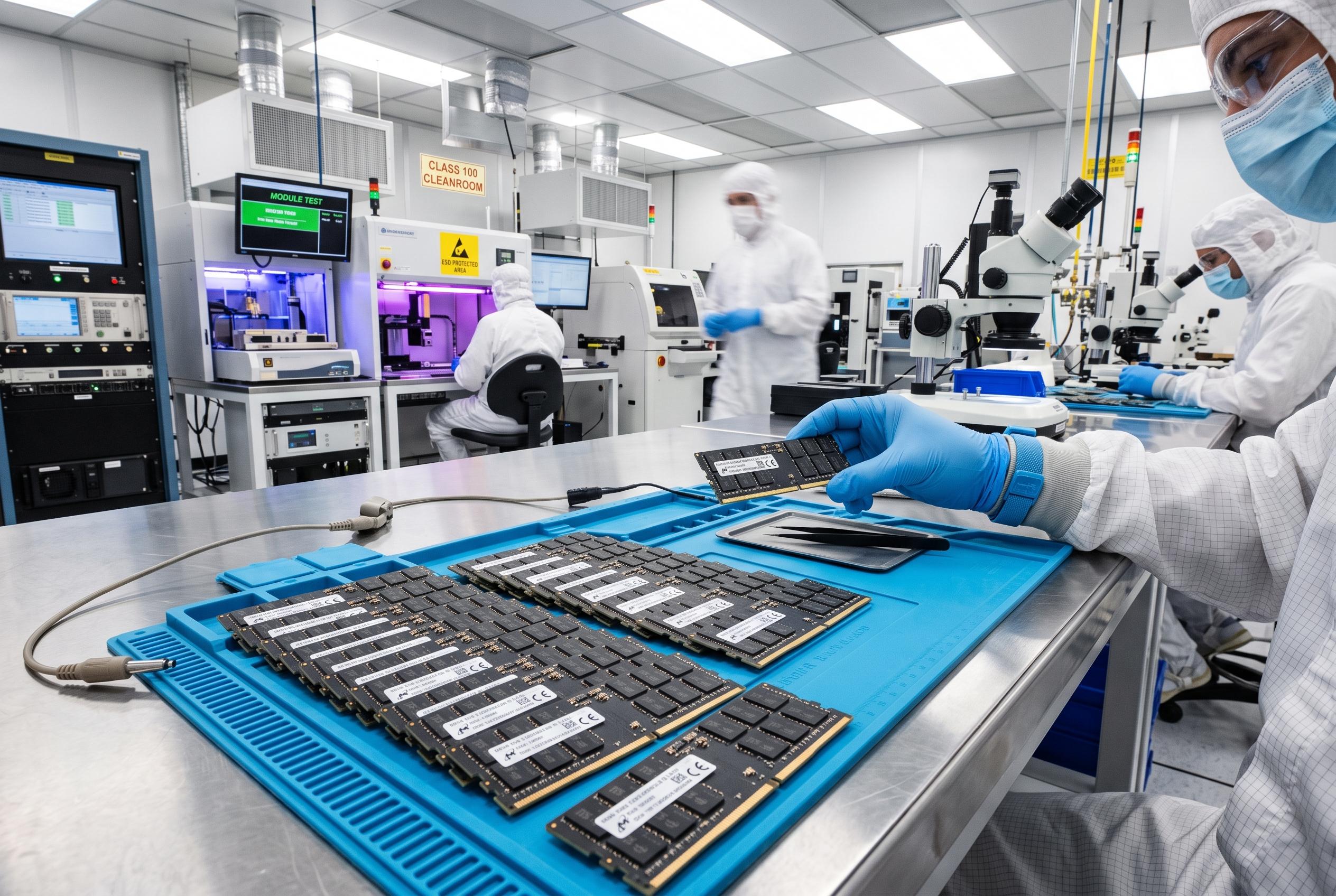
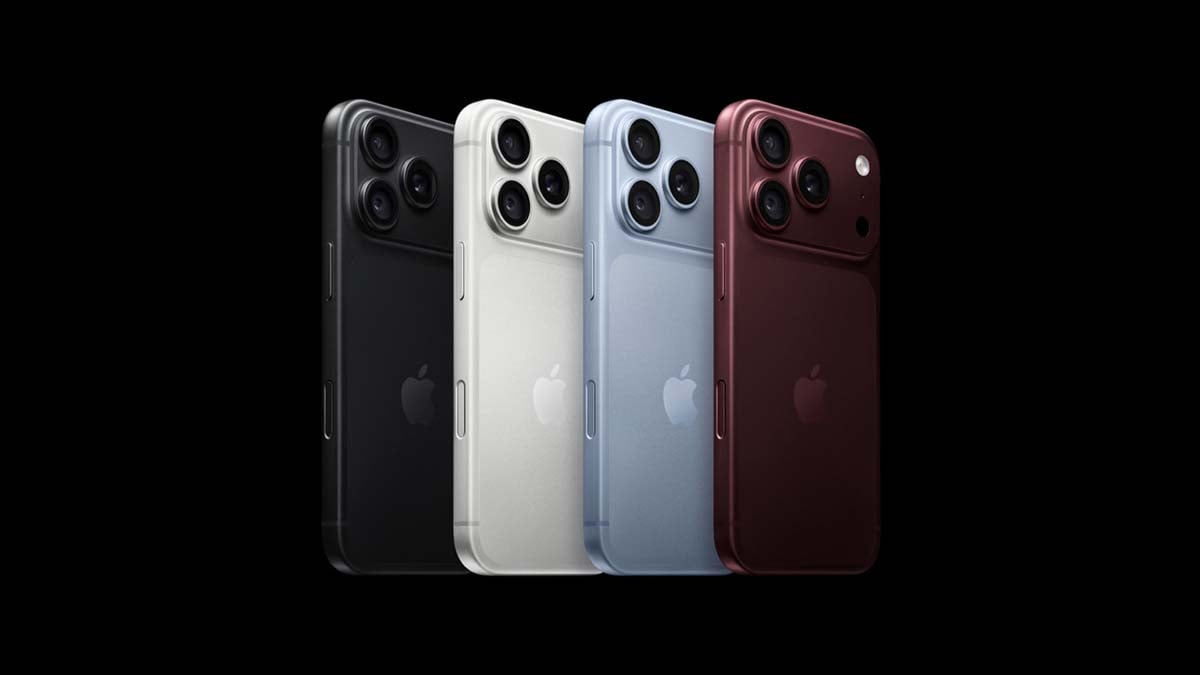
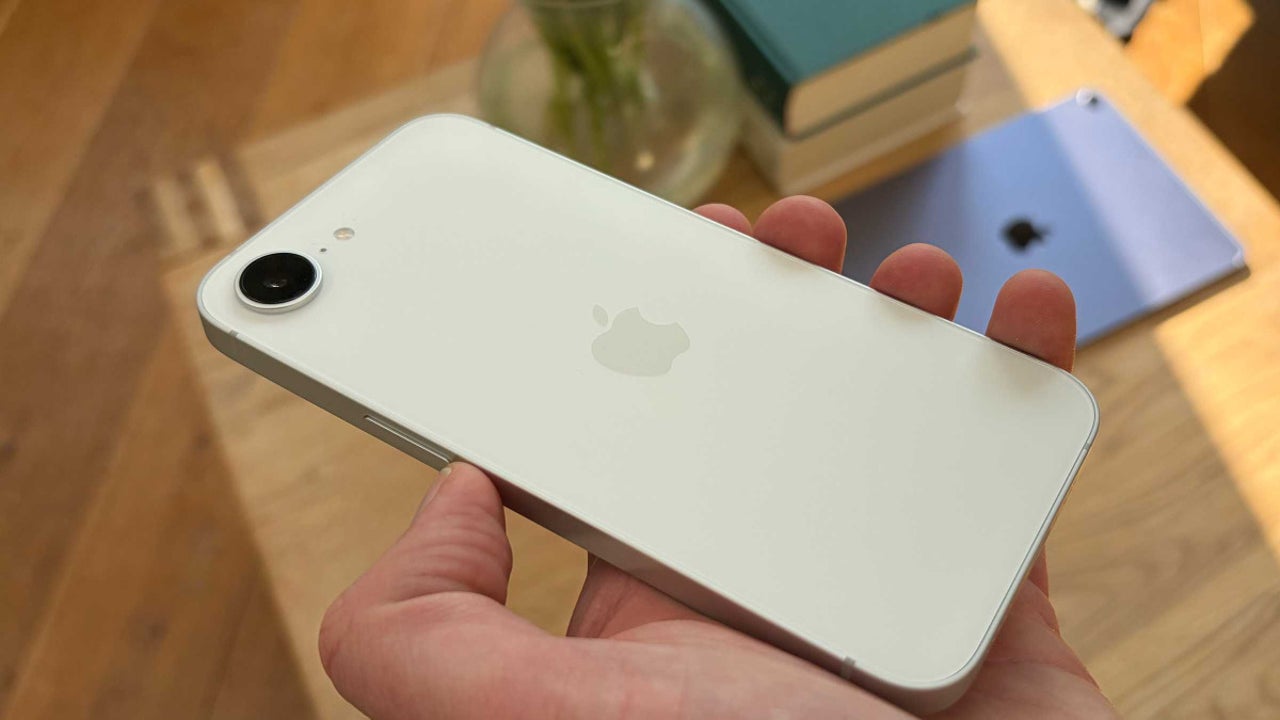
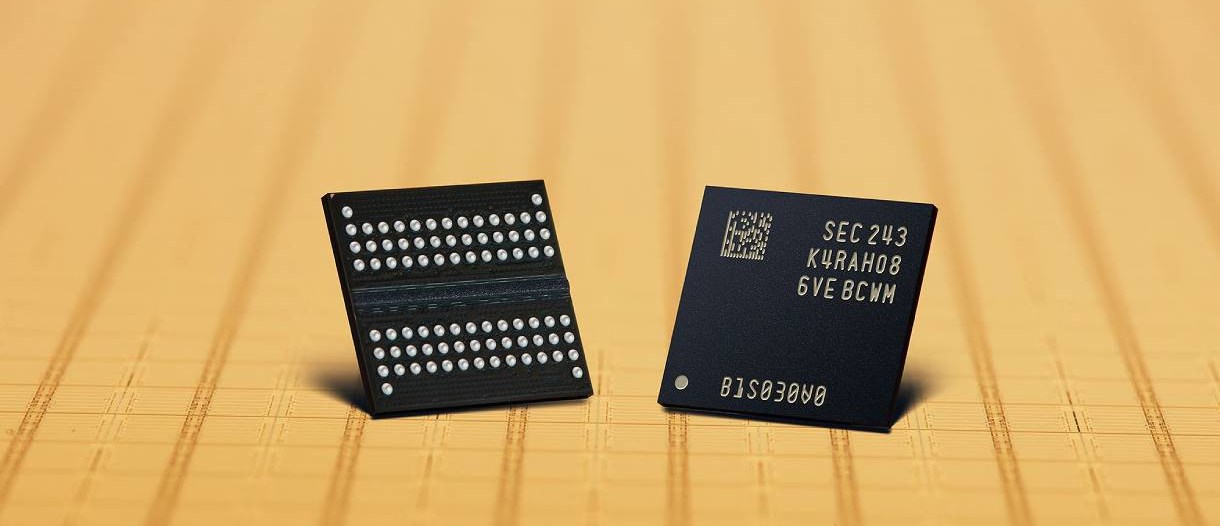
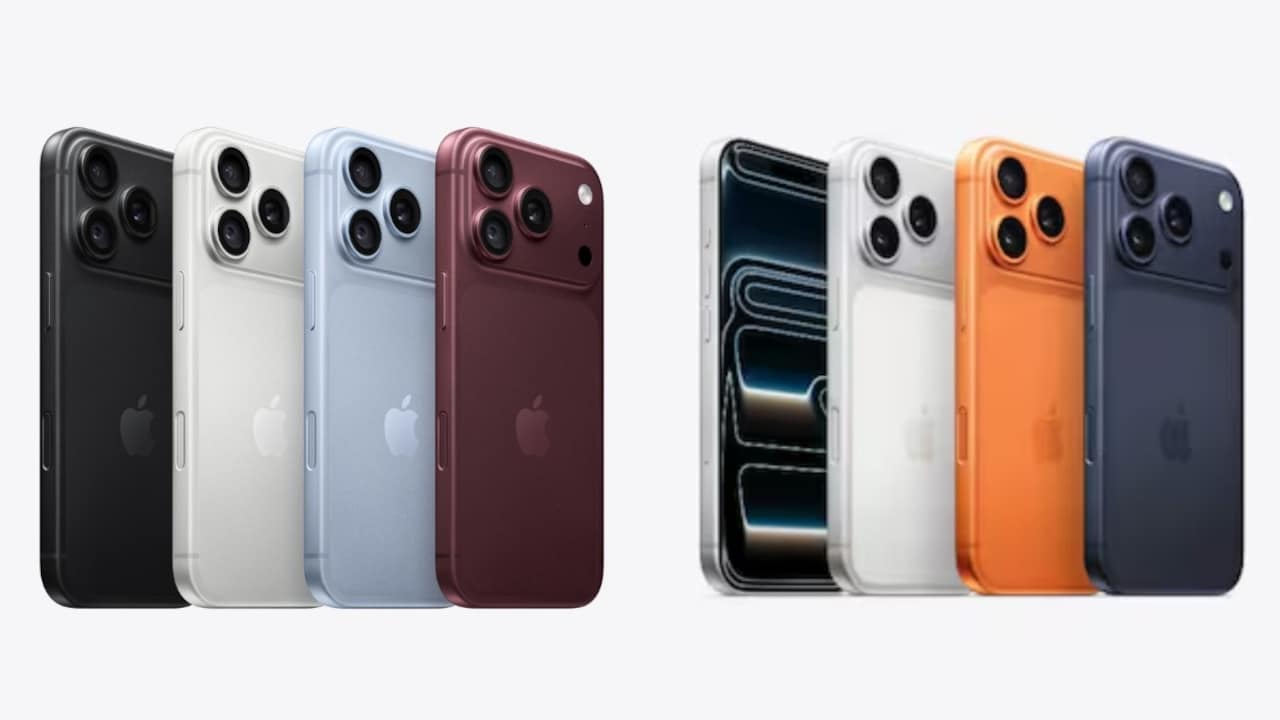
Apple's acceptance of Samsung's 30-40% DRAM and NAND price increases for Q1 2027 signals a structural shift in smartphone economics that will reshape consumer purchasing behavior and create immediate opportunities for e-commerce sellers. The tech giant agreed to pay $2.00 per gigabyte of DRAM (up from $1.50/GB) and faces equivalent NAND increases, driven by AI datacenter demand consuming available chip supplies in what industry analysts call "RAMageddon" pricing. This follows iPhone price increases of $100-$500 in September 2026 and Mac/iPad increases of $100-$1,300 in June 2026. With no anticipated relief through 2028, Apple faces sustained cost pressures that will likely force additional consumer price increases starting spring 2027 with the iPhone 18 and iPhone 18e launches.
For cross-border e-commerce sellers, this creates three immediate opportunities: First, iPhone accessory demand will surge as consumers delay upgrades or extend device lifecycles—cases, screen protectors, chargers, and battery packs represent a $12-15B annual category that typically sees 25-35% volume increases when flagship prices rise above psychological thresholds ($1,200+). Sellers should accelerate inventory of premium protection accessories (OtterBox, Spigen, Anker brands) and prepare for Q1-Q2 2027 demand spikes. Second, trading-up behavior will concentrate on older iPhone models as consumers seek value alternatives to new premium devices; refurbished iPhone 14/15 accessories and compatible third-party components will see 40-60% demand increases. Third, AI-powered pricing optimization becomes critical—sellers must monitor competitor pricing on accessories in real-time and adjust dynamically, as margin compression from higher wholesale costs will require algorithmic pricing to maintain profitability.
The broader semiconductor supply chain impact affects all consumer electronics sellers. Samsung's strengthened negotiating position (evidenced by Apple's acceptance despite the magnitude of increases) suggests other device manufacturers face identical or higher costs for equivalent memory components. This creates industry-wide price increases across laptops, tablets, and smart devices through 2028. Sellers should expect: (1) reduced consumer discretionary spending on electronics as flagship prices rise, shifting demand toward accessories and lower-priced alternatives; (2) inventory planning challenges as manufacturers adjust production timelines around Q1 2027 price increases; (3) competitive consolidation as smaller brands struggle with margin compression. AI-driven demand forecasting tools become essential for predicting which accessory categories will benefit from trading-up behavior versus those facing demand destruction from reduced overall device sales.
Questions 8
How much will iPhone prices increase in 2027 due to memory cost hikes?
Apple has accepted Samsung's 30-40% increases in DRAM and NAND pricing for Q1 2027 supply agreements, following iPhone price increases of $100-$500 in September 2026. Industry analysts project additional price increases starting with the iPhone 18 and iPhone 18e launches in March/April 2027, though the exact amount depends on Apple's margin strategy. Since DRAM represents a significant component cost in flagship models, and Apple historically passes increased component expenses to consumers, expect iPhone 18 Pro models to reach $1,300-$1,500+ pricing. The budget-focused iPhone 18e will face particular pressure, as higher memory costs complicate marketing it as a value alternative.
What e-commerce product categories benefit most from iPhone price increases?
iPhone accessory categories see 25-35% volume increases when flagship prices exceed psychological thresholds ($1,200+). The primary beneficiaries are: (1) protective cases and screen protectors (OtterBox, Spigen, ESR brands), (2) charging solutions (Anker, Belkin fast chargers), (3) battery packs and power banks, and (4) refurbished/compatible accessories for older iPhone models. As consumers delay upgrades or extend device lifecycles, trading-up behavior concentrates on iPhone 14/15 accessories, creating 40-60% demand spikes for compatible third-party components. Sellers should prioritize inventory in premium protection categories, as margin compression from wholesale cost increases makes volume growth essential for profitability.