



Environmental Disruption Signals Critical Operational Challenges for Business Ecosystems
- Toxic Smog Exposes Systemic Vulnerabilities in Urban Business Environments








)


)
















Overview
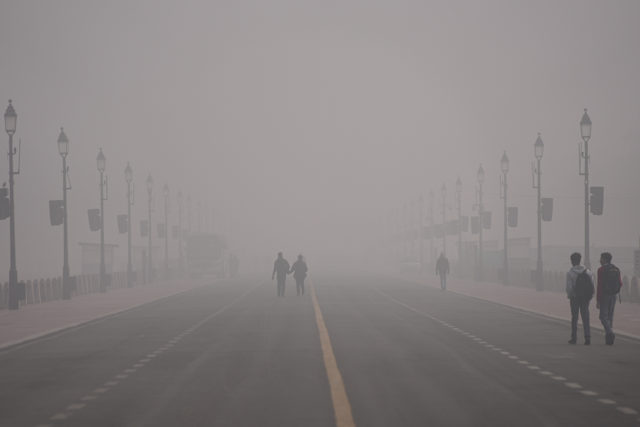
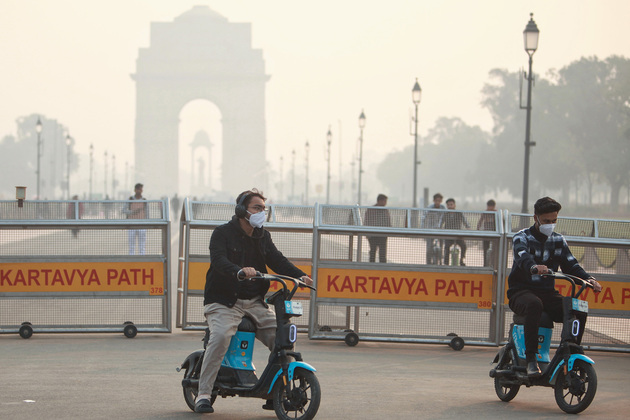
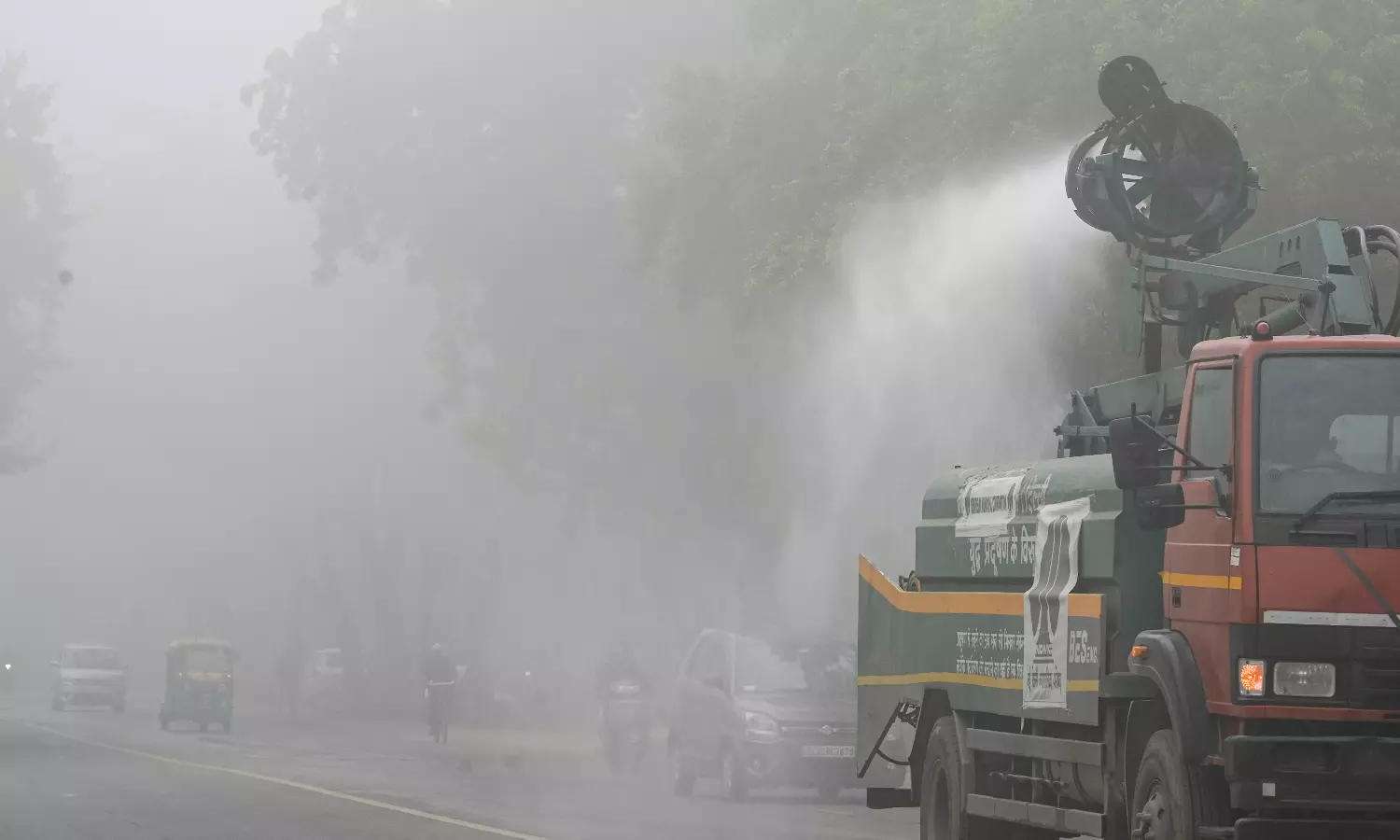
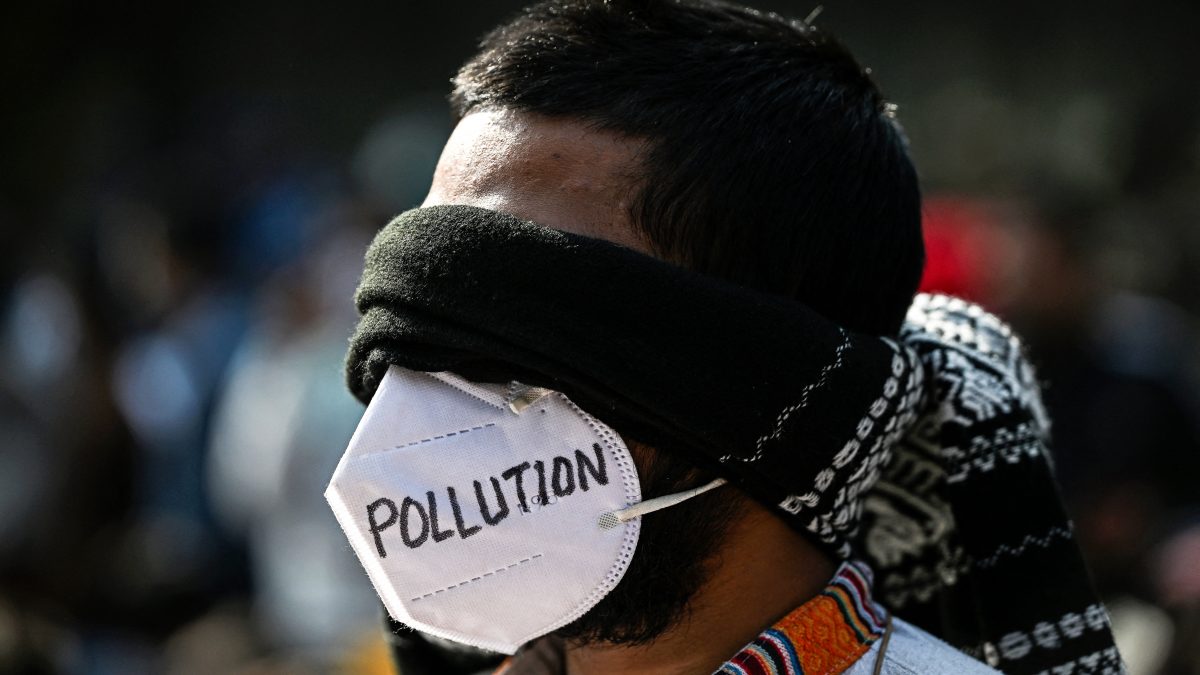
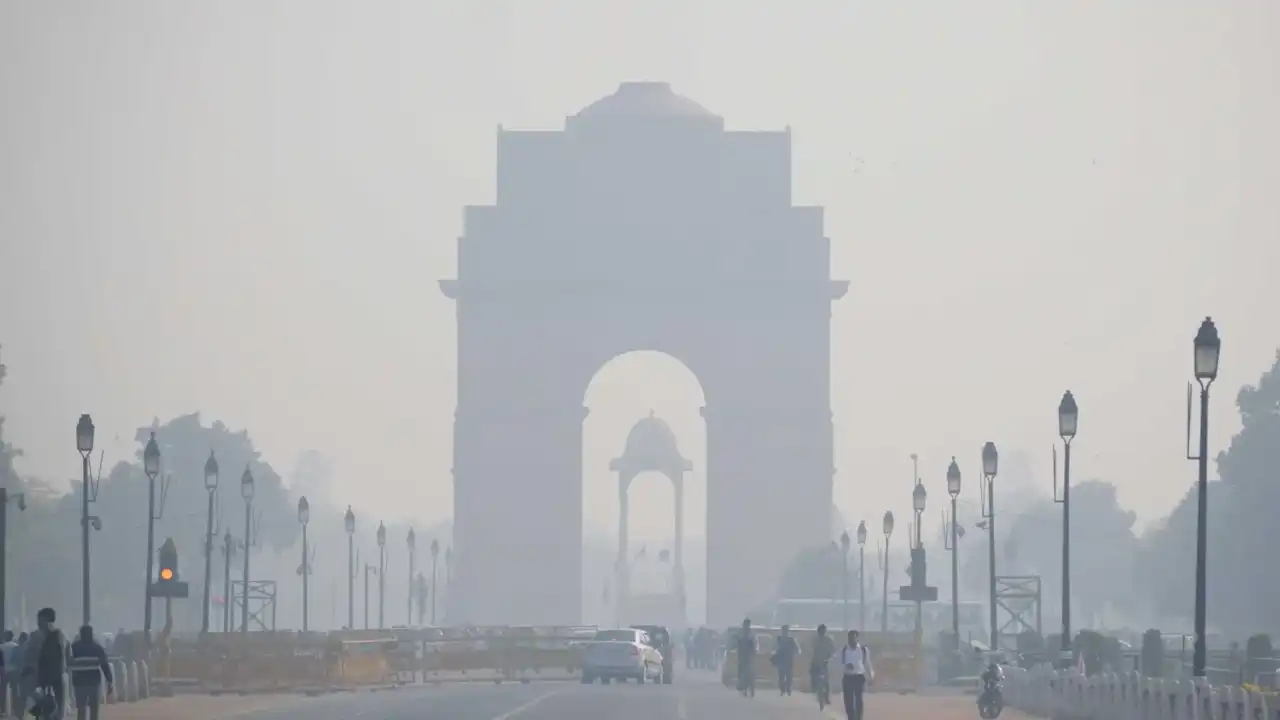
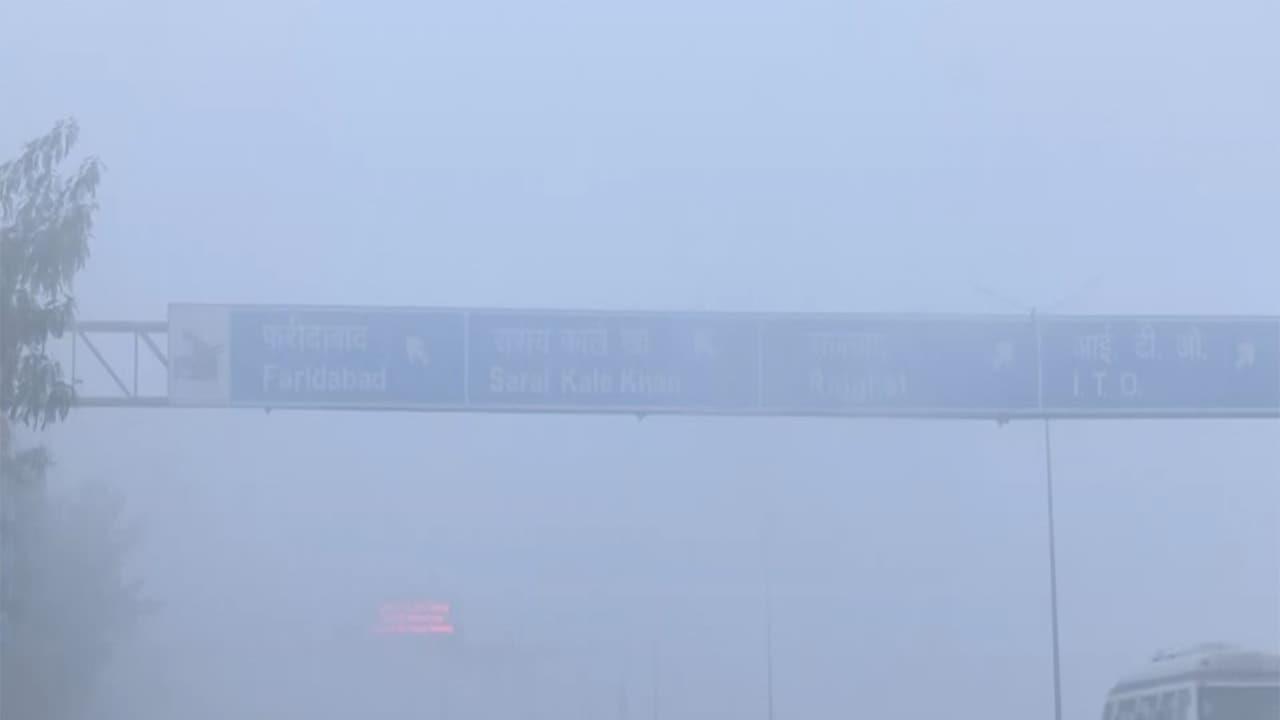
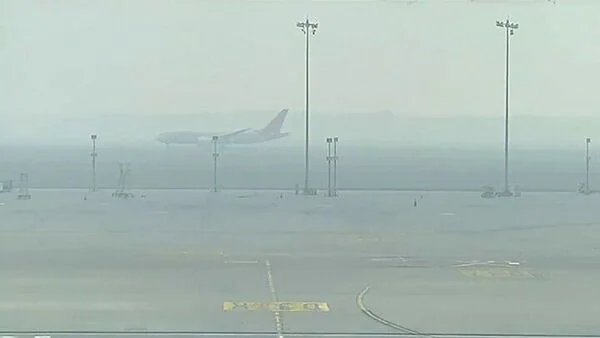
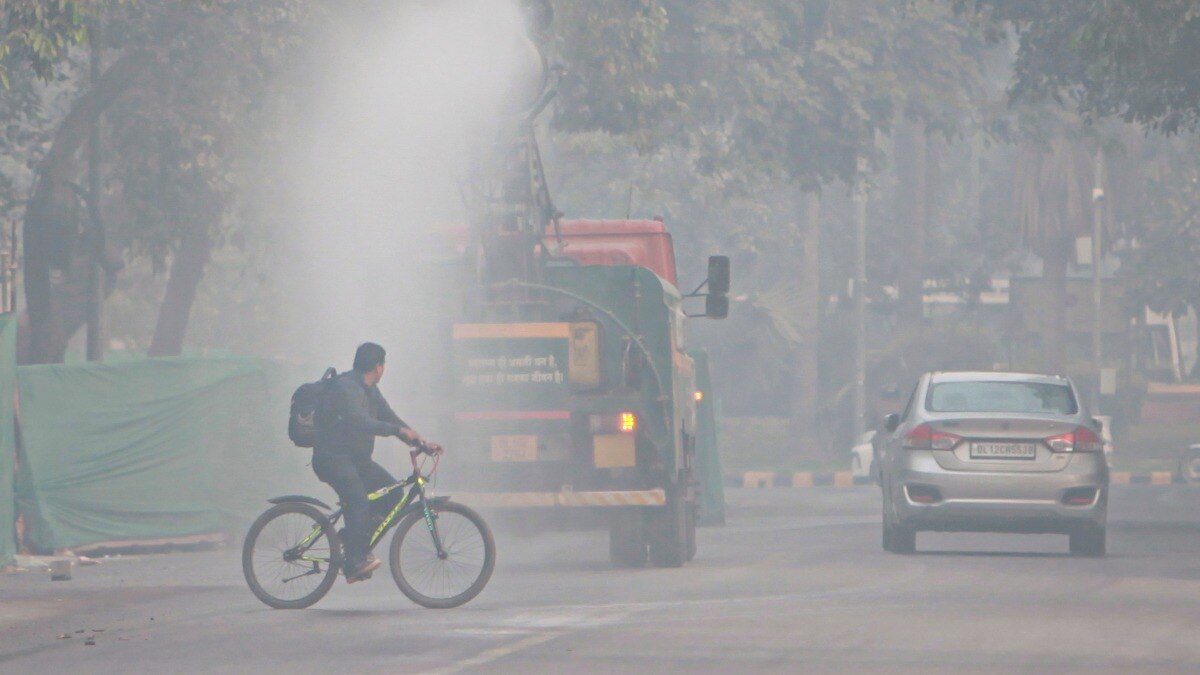
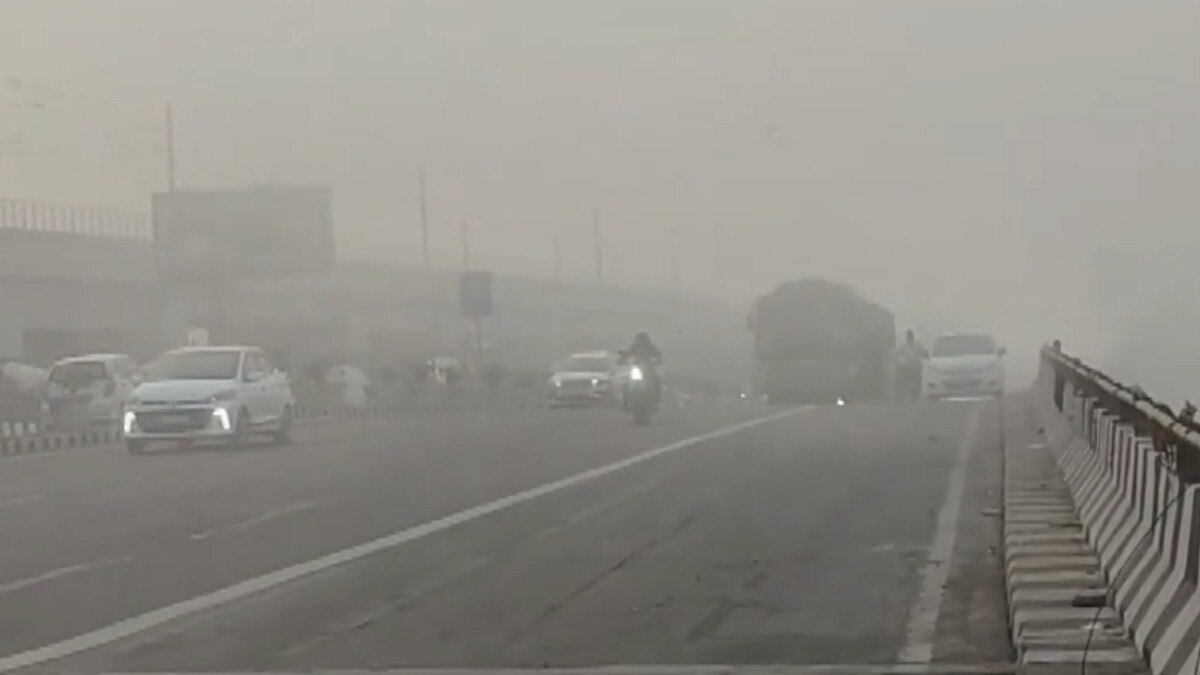
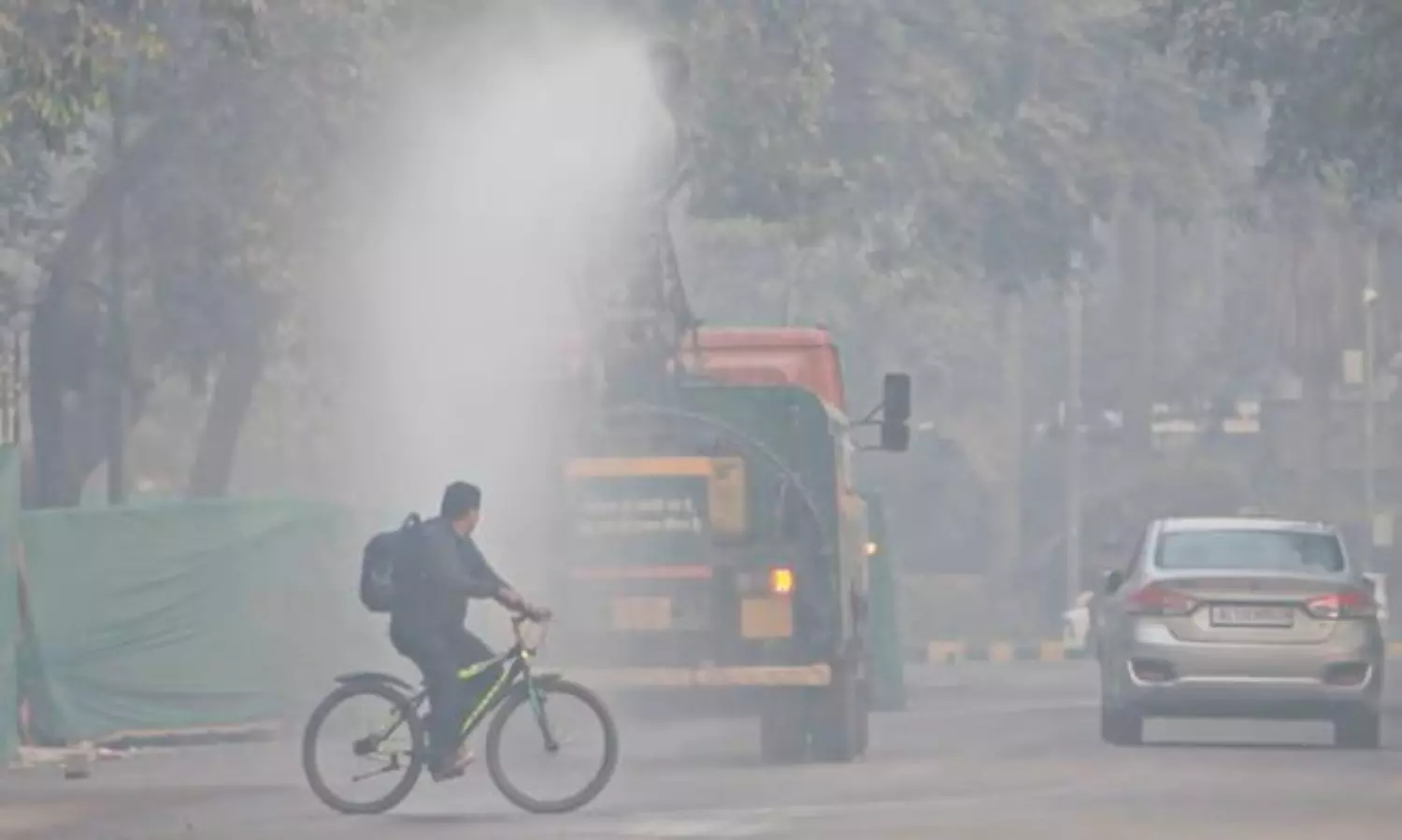
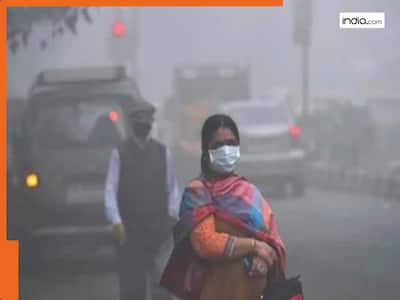
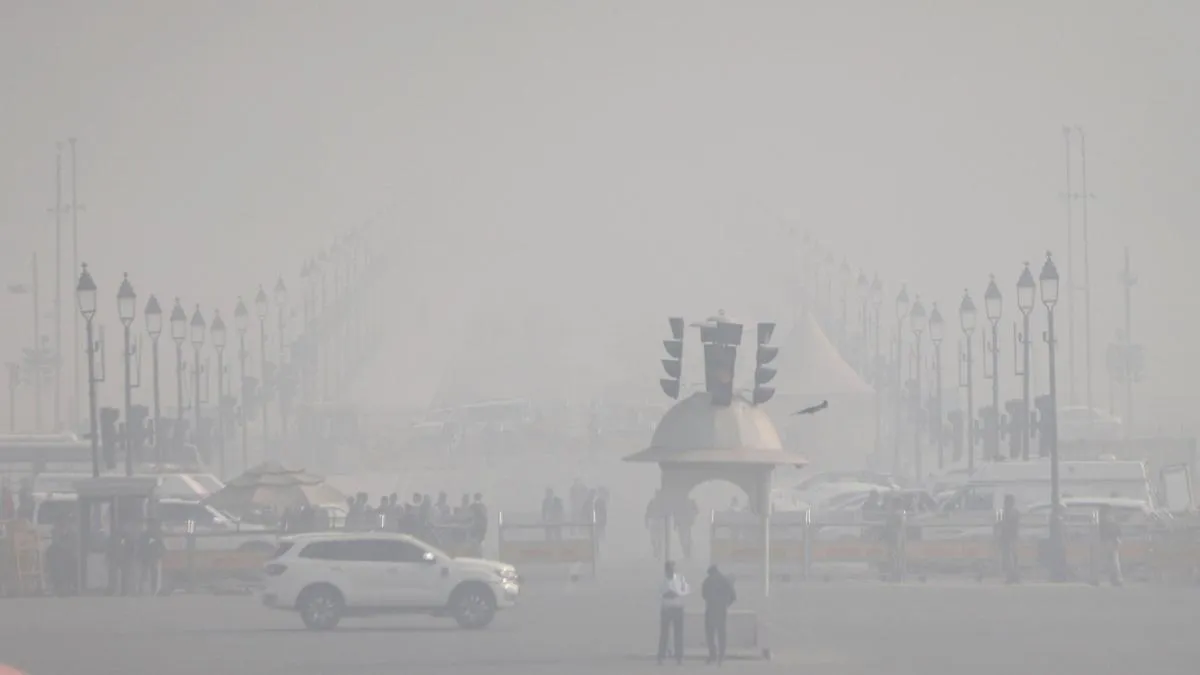
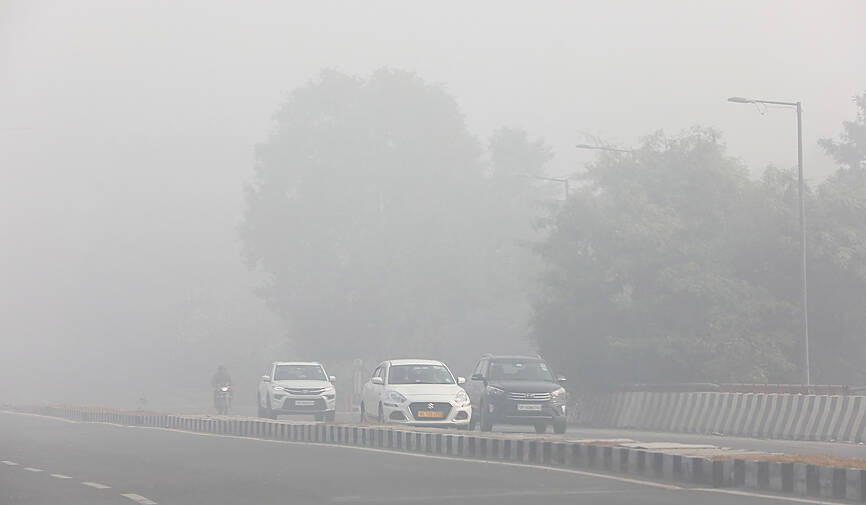
The severe environmental crisis unfolding in New Delhi represents more than a localized air quality challenge—it signals a profound operational risk landscape for businesses operating in complex urban ecosystems. The toxic smog that has descended upon the city isn't merely an environmental phenomenon, but a critical indicator of systemic vulnerabilities that can dramatically disrupt business continuity and strategic planning.
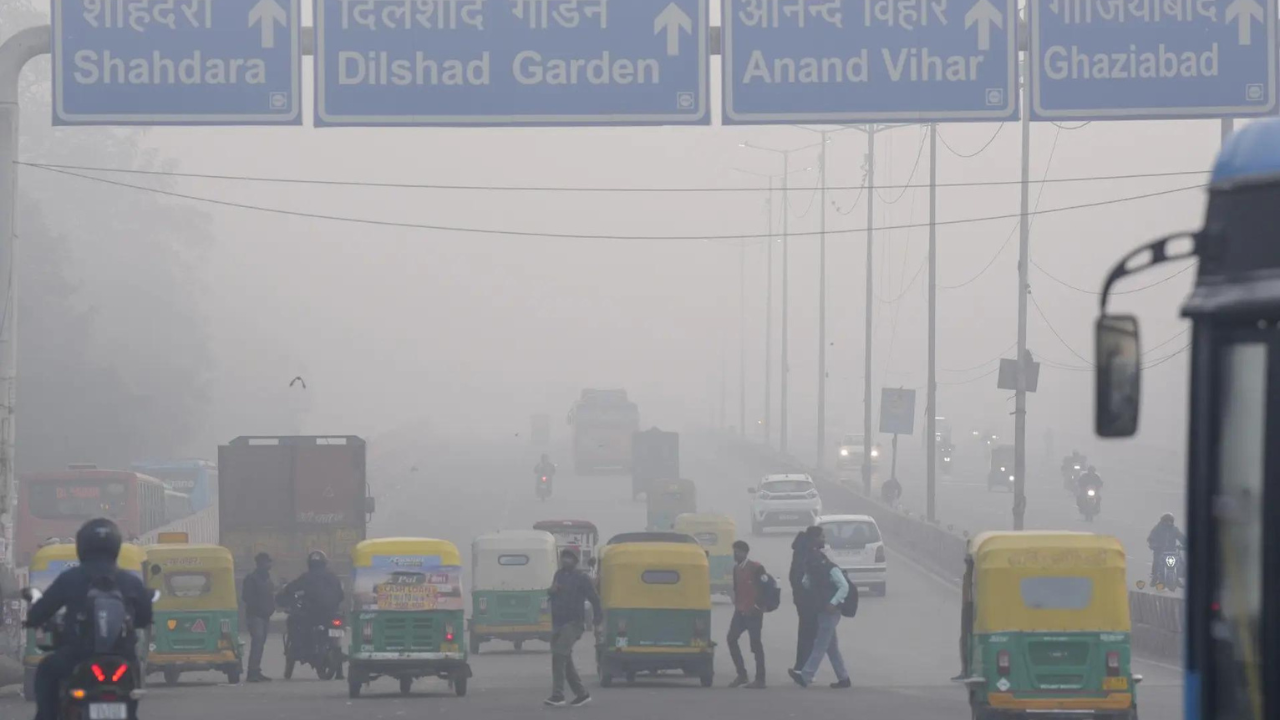
Operational Resilience Challenges emerge as the primary concern. The New Delhi scenario demonstrates how environmental conditions can instantaneously transform from background context to foreground operational constraint. Businesses face unprecedented disruptions: transportation networks become unreliable, workforce productivity plummets, and entire operational frameworks can grind to a halt. The smog's impact extends beyond immediate air quality concerns, creating a cascading effect that challenges traditional risk management strategies.
Strategic Adaptation Imperatives become clear through this environmental stress test. Companies must now integrate environmental volatility into their core risk assessment models. This means developing adaptive strategies that go beyond traditional contingency planning—creating flexible operational protocols that can rapidly respond to sudden environmental shifts. The New Delhi case study reveals that resilience is no longer about preventing disruption, but about building organizational capacity to function effectively under increasingly unpredictable conditions.
The broader implications are profound: urban business environments are entering an era of heightened complexity where environmental factors are not peripheral considerations, but central strategic variables. Organizations must develop sophisticated environmental intelligence systems that can provide real-time insights, enabling proactive rather than reactive responses to emerging challenges.
Ultimately, this environmental crisis underscores a critical evolution in business strategy—the need to view operational resilience through a multidimensional lens that integrates environmental, social, and economic factors into a holistic risk management framework.
Questions 3
What strategic adaptations are necessary for businesses in environmentally volatile regions?
Companies need to develop flexible operational protocols, create real-time environmental intelligence systems, and build organizational resilience that allows rapid response to sudden environmental shifts. This involves moving beyond traditional contingency planning to a more dynamic, multidimensional risk management framework.
What are the long-term implications of environmental disruptions for urban business ecosystems?
Environmental factors are transitioning from peripheral considerations to central strategic variables. Businesses must integrate environmental, social, and economic factors into comprehensive risk assessment models, fundamentally reshaping how organizational resilience is conceptualized and implemented.