


Record Diesel Prices Surge 68% | Critical Supply Chain Cost Impact for E-Commerce Sellers
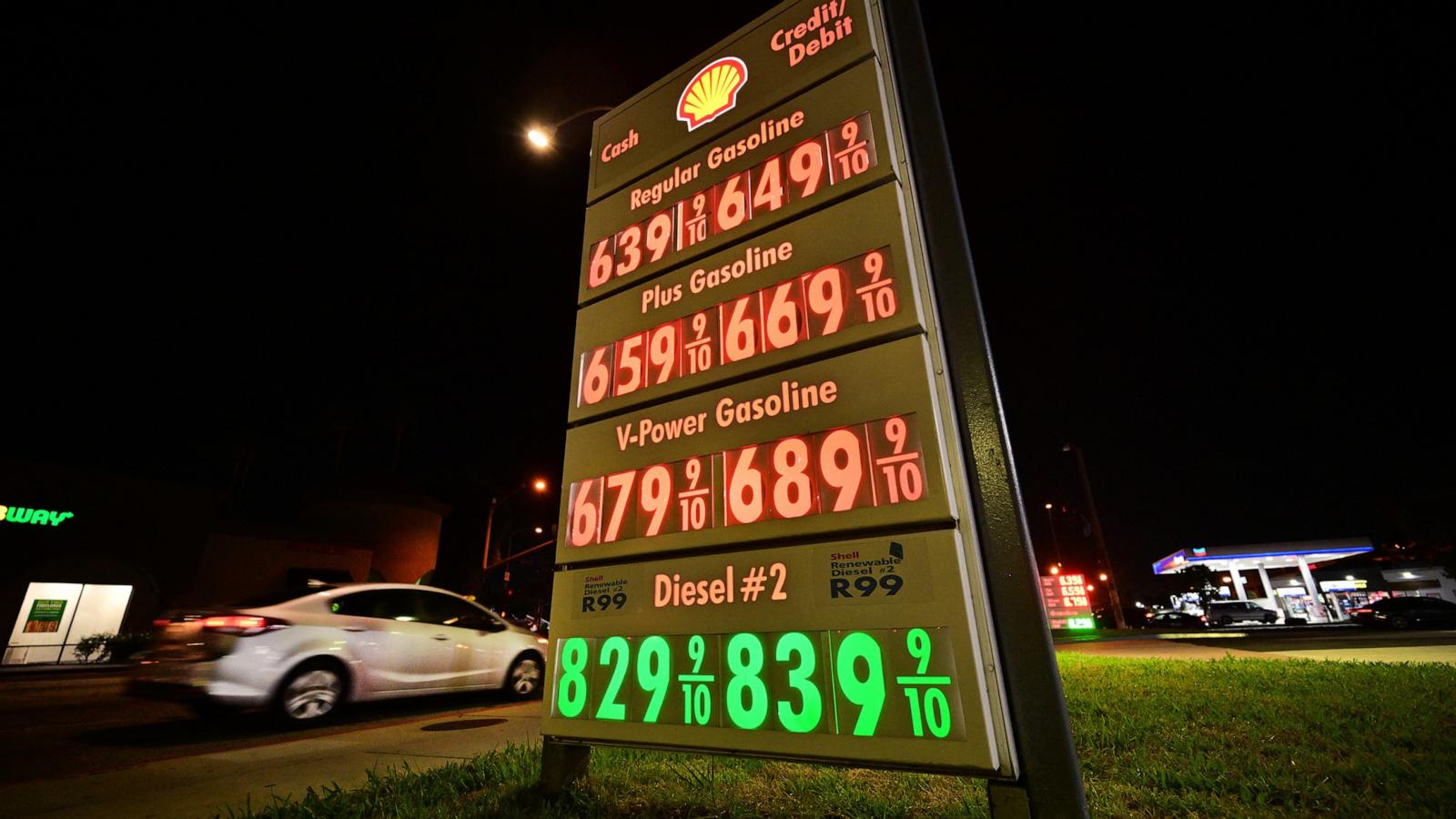
- Diesel averages $6.29-$6.43/gallon (68% YoY increase); transport costs rise $40-$120/shipment; immediate margin compression across food, perishables, and heavy goods categories




Overview
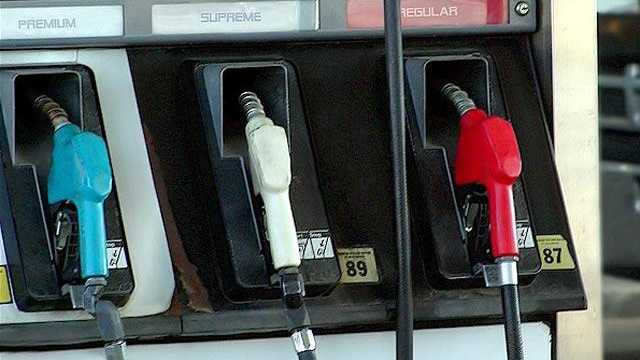
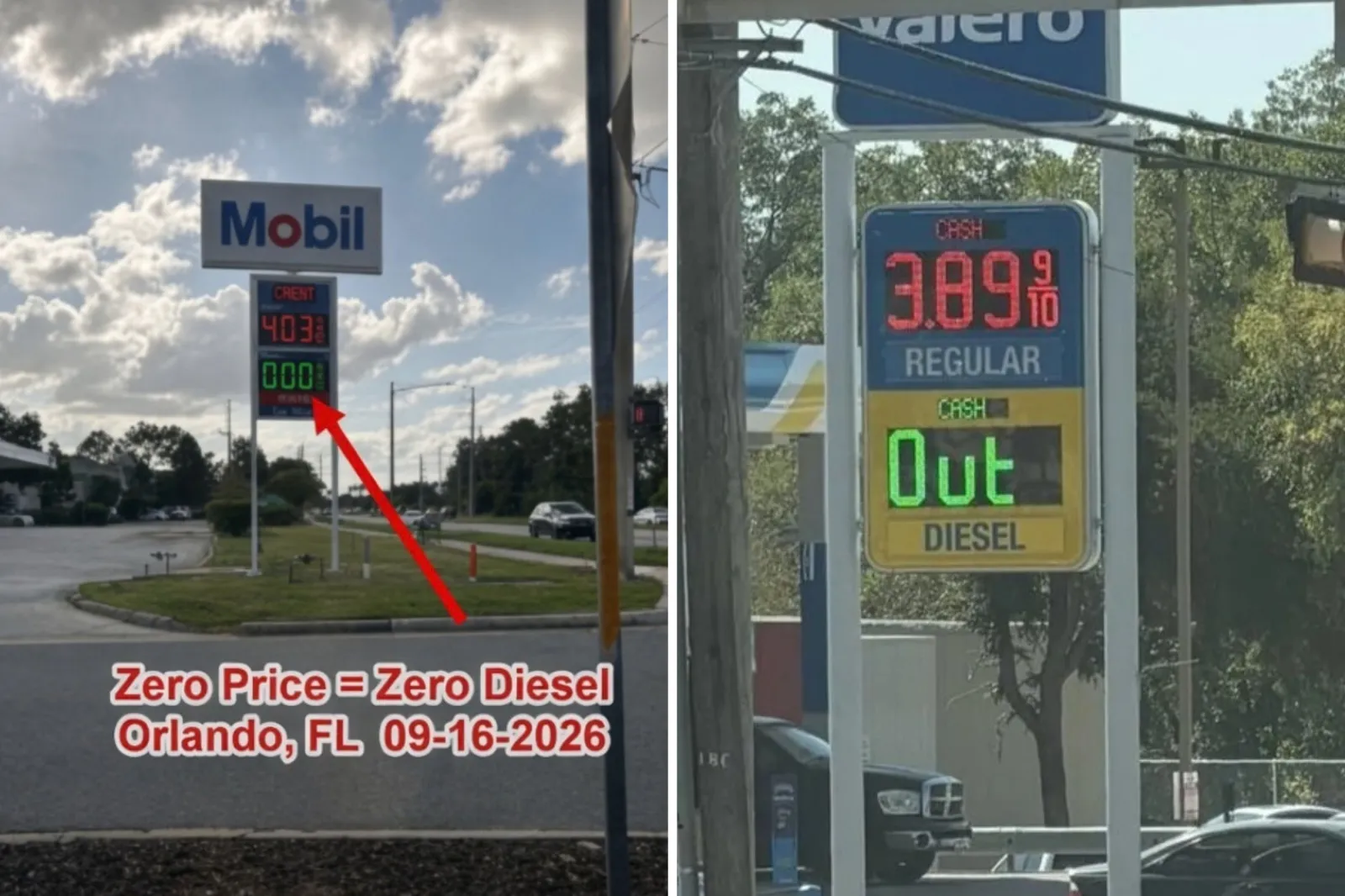
Record diesel prices averaging $6.29-$6.43 per gallon—68% higher than last year's $3.74—are creating immediate supply chain cost pressures for e-commerce sellers across all fulfillment models. Driven by geopolitical disruptions in the Strait of Hormuz following U.S.-Israeli military action against Iran and intensified Russian-Ukrainian conflict, fuel costs are cascading through logistics networks. According to GasBuddy data, regular gasoline has risen $1.53 since the Iran conflict began, with Brent crude trading around $103/barrel. For e-commerce sellers, this translates directly to higher fulfillment costs: refrigerated transport for perishables (produce, dairy, meat) faces particular pressure, with Washington State apple/pear transport rates hitting four-year highs and California produce shipments rising $40-$120 per load. Farm fuel costs have increased $11/acre for corn and $7/acre for soybeans, signaling upstream cost pressures that will flow into food category pricing on Amazon, Walmart Marketplace, and specialty food platforms.
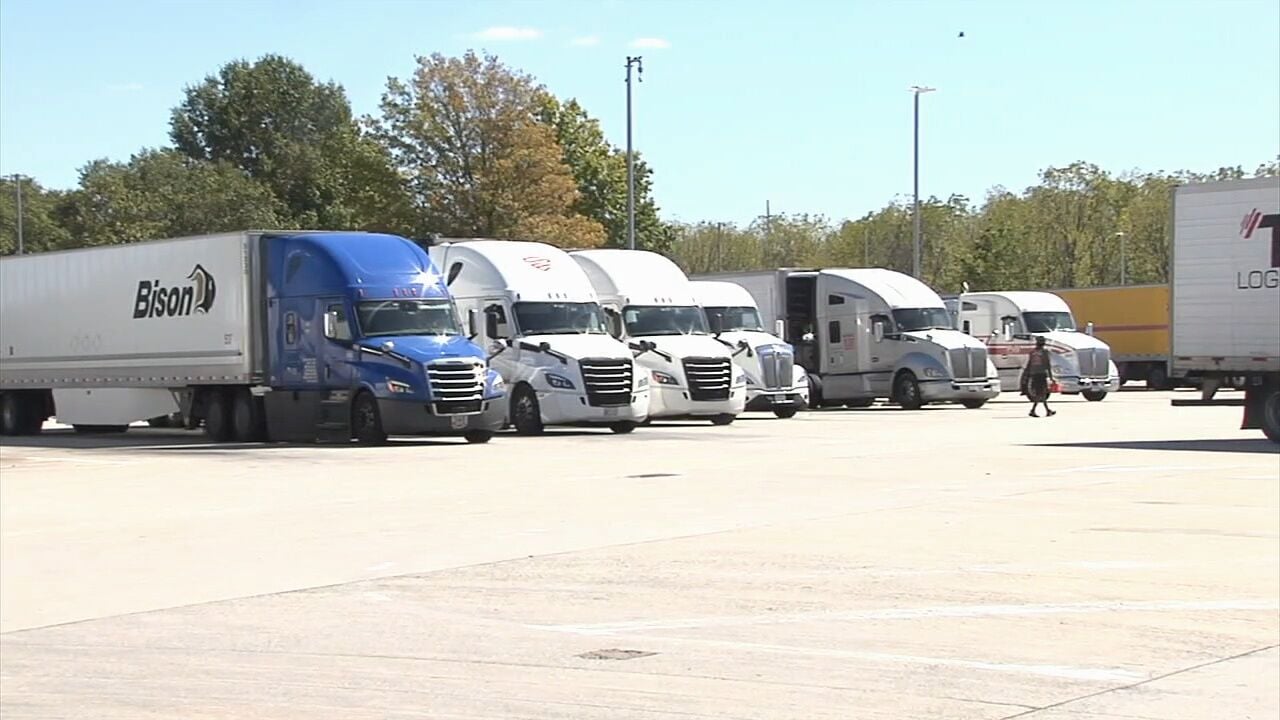
The operational impact varies by seller segment and fulfillment strategy. Small-to-medium sellers (SMBs) using 3PL providers and freight forwarders face immediate margin compression of 3-8% on low-margin categories (food, beverages, home goods). Amazon FBA sellers shipping heavy/bulky items experience higher inbound transportation costs, while independent truckers—critical to last-mile delivery for Shopify and marketplace sellers—face potential bankruptcies according to DAT Freight Analytics, creating supply chain fragmentation. The Federal Reserve's rate increase (first since 2023) compounds pressure by raising borrowing costs for inventory financing, constraining working capital for sellers already managing elevated freight expenses. Consumer food prices rose 2.7% year-on-year in August, indicating retailers are beginning to pass costs downstream, but sellers must act preemptively to protect margins before competitive pricing pressure forces acceptance of lower profitability.
Strategic sourcing and pricing adjustments are now urgent. Sellers should immediately audit fulfillment costs by category and geography—particularly for perishables, refrigerated goods, and heavy items (furniture, appliances, building materials). Consider shifting 15-25% of inventory to regional 3PL hubs closer to demand centers to reduce transport distance and fuel surcharge exposure. For food and beverage sellers on Amazon Fresh, Walmart+, and specialty platforms, implement dynamic pricing strategies that reflect fuel cost pass-through (2-4% price increases are defensible given market conditions). Monitor USDA announcements (promised "in coming weeks" per Secretary Rollins) for potential temporary fuel relief programs that could create competitive advantages for early adopters. The geopolitical tensions show "no immediate signs of resolution," suggesting sustained pressure through Q4 2024 and into 2025—making this a 3-6 month strategic window to restructure supply chains before competitors do.
Questions 8
What fulfillment strategy minimizes diesel cost exposure?
Shift 15-25% of inventory to regional 3PL hubs closer to demand centers to reduce transport distance and fuel surcharge exposure. The news highlights that independent truckers face potential bankruptcies, creating supply chain fragmentation—this makes distributed inventory networks more resilient. For Shopify sellers, negotiate fixed-rate shipping agreements with 3PLs rather than variable fuel-surcharge models; for Amazon sellers, consider splitting inventory between FBA (for Prime customers) and Fulfillment by Merchant (FBM) with regional warehousing for non-Prime channels. Calculate your break-even point: if FBA inbound costs exceed 12-15% of product cost, FBM with regional 3PLs becomes more economical. Geopolitical tensions show no immediate resolution, so lock in 6-12 month contracts now before fuel surcharges increase further.
Which product categories face the highest margin compression?
Perishables (produce, dairy, meat), heavy goods (furniture, appliances, building materials), and low-margin staples (groceries, household items) face 5-12% margin compression. The news reports refrigerated transport costs rising $40-$120 per shipment in California, and farm fuel costs increased $11/acre for corn and $7/acre for soybeans—these upstream pressures flow directly to food sellers. High-value, lightweight categories (electronics, apparel, beauty) see minimal impact (1-2% margin compression) because fuel represents a smaller percentage of total logistics costs. If you sell in multiple categories, prioritize protecting margins in perishables and heavy goods through pricing adjustments, while maintaining competitive pricing in high-value categories to retain market share.