




Maritime Cyberattacks Threaten US Ocean Freight Routes | Seller Logistics Risk Alert
- Two US-bound vessels compromised Aug 2026; escalating cyber threats to shipping networks affecting delivery timelines and freight costs for cross-border sellers


Overview
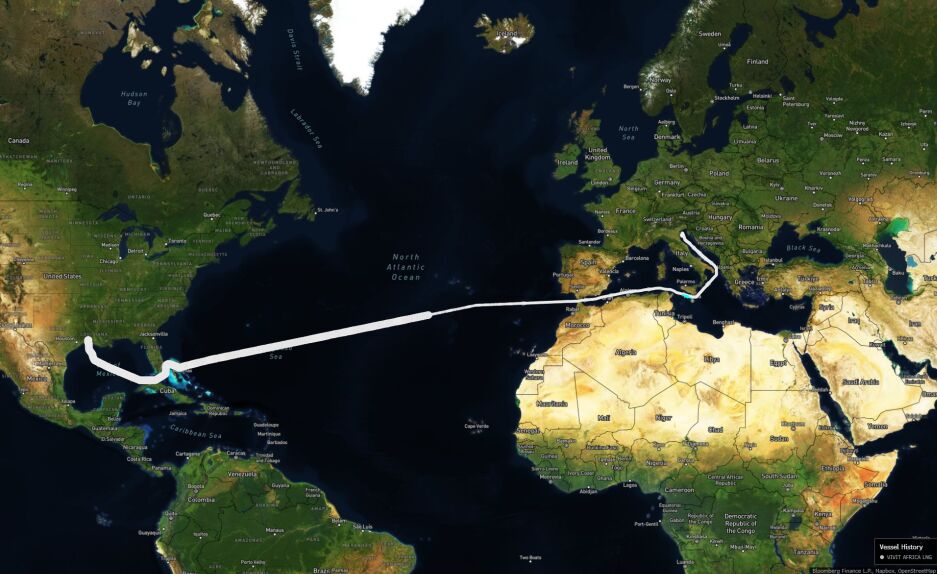
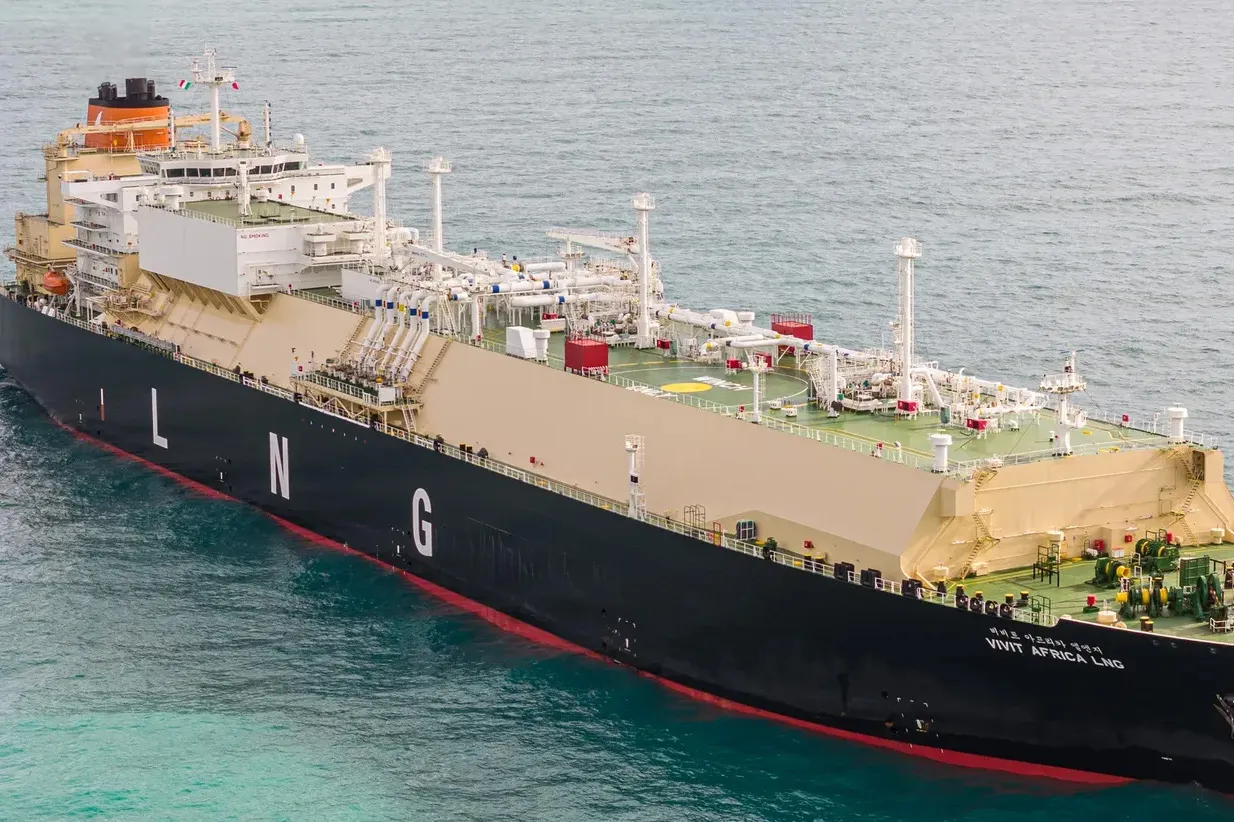
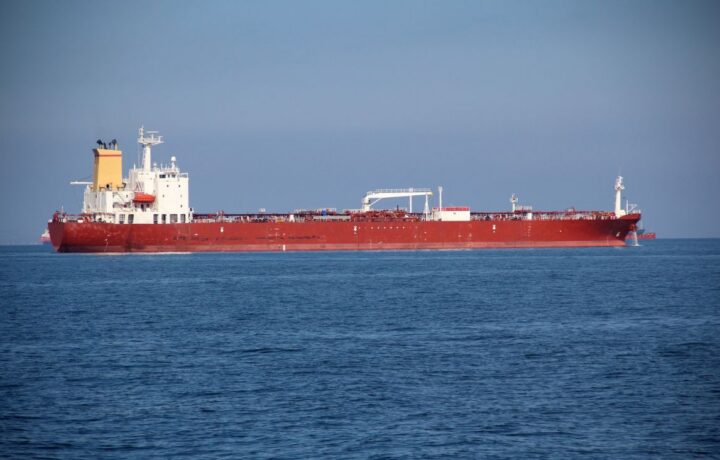
Critical maritime cybersecurity incidents are directly disrupting US-bound ocean freight operations, creating immediate logistics challenges for cross-border e-commerce sellers. Between August 21-24, 2026, the US Coast Guard and FBI boarded two commercial vessels in the Gulf of Mexico after detecting cyberattacks on their computer networks. The Liberian-flagged VL Prosperity (333-meter capacity, 2M+ barrel capacity) experienced a major cyberattack while transiting the Strait of Gibraltar, with hackers infiltrating engine-room systems and disabling fuel and engine-oil tank systems for approximately 30 hours. A second LNG tanker, Vivit Africa, carrying US fuel to Europe experienced similar systems failures in mid-September 2026 while navigating Mediterranean-Adriatic routes toward Italy. These incidents represent an escalating pattern of state-sponsored cyber threats targeting critical shipping infrastructure amid Washington-Tehran tensions.
For cross-border sellers relying on ocean freight, these cyberattacks create three immediate operational risks: (1) Shipping delays and route disruptions — Compromised vessels require federal boarding operations, system inspections, and potential rerouting, adding 5-15 days to transit times. The VL Prosperity lost communications for 24+ hours, and boarding operations delayed departure by 48-72 hours. (2) Freight cost volatility — Vessel delays reduce available capacity on key US-bound routes (Egypt-to-US, Mediterranean-to-US), increasing spot rates by 8-15% as shippers compete for alternative vessels. LNG tanker disruptions particularly impact energy-dependent supply chains. (3) Inventory management complexity — Sellers shipping 500+ units monthly via ocean freight face unpredictable delivery windows, forcing either increased safety stock (raising holding costs 3-5%) or accepting higher stockout risk during peak seasons.
Dryad Global CEO Corey Ranslem explicitly warned that "ship-centered cyberattacks are relatively straightforward to execute" and predicted escalation. The incidents occur within a broader pattern of Iranian-backed cyber incidents targeting US infrastructure, including medical device manufacturers and transit systems. US authorities are investigating potential Iranian involvement, suggesting geopolitical tensions will continue driving maritime cyber threats. For sellers, this indicates a structural shift in shipping risk: cyberattacks are now a material factor in ocean freight planning, not a rare edge case. Sellers shipping high-value electronics, apparel, or time-sensitive goods via ocean freight should immediately diversify routing and consider air freight premiums for critical inventory.
Questions 8
What immediate actions should sellers take to protect against maritime cyberattack disruptions?
Immediate actions (next 30 days): (1) audit current ocean freight routes and identify single-point-of-failure corridors, (2) contact 3PL providers to secure additional US warehouse capacity (20-30% buffer), (3) subscribe to Dryad Global maritime threat alerts and CISA maritime cybersecurity advisories, (4) calculate safety stock cost increase for 15-20 day buffer vs. current 7-10 day model. Strategic actions (1-3 months): (1) negotiate contracts with alternative carriers on non-compromised routes, (2) implement dynamic inventory planning tied to cyber-threat levels, (3) pre-position 30-40% of Q4 inventory by September 1 before peak season cyber-incident risk. Monitor: track actual vs. planned delivery times weekly; if delays exceed 5 days, activate elevated safety stock protocol.
What is the freight cost impact of escalating maritime cyberattacks on US-bound routes?
Cyberattacks reduce available vessel capacity on key routes (Egypt-to-US, Mediterranean-to-US), increasing spot rates 8-15% as shippers compete for alternative vessels. The VL Prosperity incident affected a 333-meter tanker with 2M+ barrel capacity—removing such vessels from service creates immediate capacity constraints. For sellers shipping 20-foot containers (TEU), expect $200-400 additional cost per container during cyber-incident periods. LNG tanker disruptions particularly impact energy-dependent supply chains, potentially raising fuel surcharges 5-8% across all ocean freight.