


Snap Specs AR Glasses Launch | Premium Hardware Opportunity for Tech Sellers
- $2,200 AR glasses create emerging product category; sellers can capitalize on early-adopter demand and accessory ecosystem



&format=webp&quality=medium)


Overview
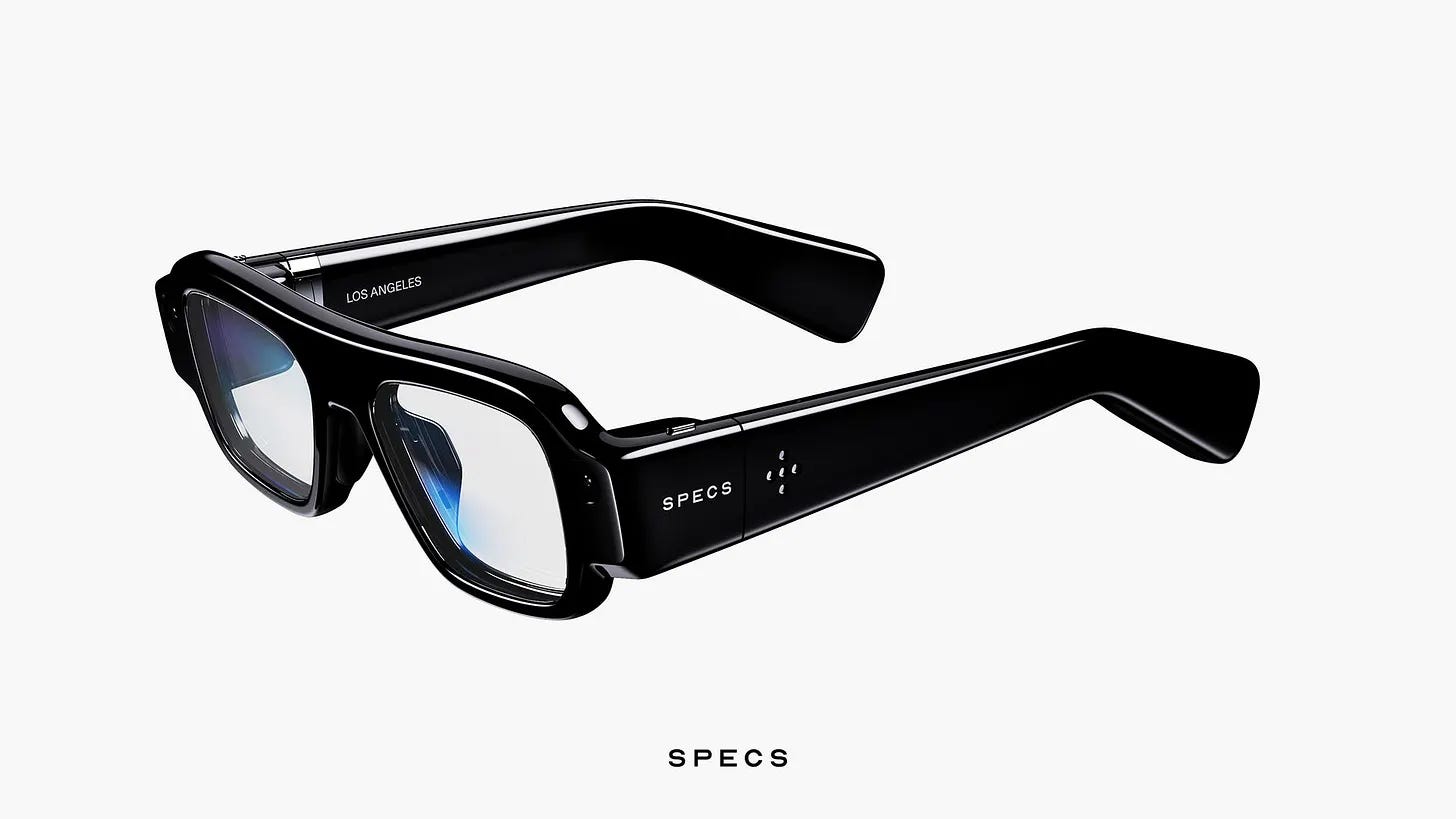
Snap's launch of Specs AR glasses at $2,200 represents a critical inflection point for the augmented reality hardware market, creating immediate e-commerce opportunities for sellers across multiple categories. Unlike traditional smart glasses, Specs function as standalone AR computers built into glasses form factor, delivering virtual content overlay capabilities comparable to Meta's Quest headset. This positioning opens a premium hardware category that historically generates 3-5x accessory revenue multipliers—meaning for every $2,200 device sold, sellers can expect $6,600-$11,000 in related product sales across cases, lenses, straps, and software integrations.
The competitive landscape directly impacts seller strategy. Meta's Reality Labs has accumulated $80 billion in operating losses since 2020, signaling that established tech giants are struggling with AR hardware profitability. Snap's decision to spin out Specs as a separate business unit to raise external capital—diverging from Meta's approach—indicates the company is pursuing a more capital-efficient path. This creates a window for third-party sellers to establish themselves in the accessory and software ecosystem before larger competitors consolidate the market. Early testing shows Specs offer superior usability compared to competitors like RayNeo X3 Pro, suggesting strong initial consumer satisfaction that translates to higher repeat purchase rates and accessory demand.
For cross-border sellers, the timing is critical. The $2,200 price point targets affluent early adopters in North America and Western Europe—demographics with high disposable income and strong cross-border purchasing behavior. Sellers should immediately begin sourcing protective cases, lens protectors, carrying solutions, and compatibility accessories. Historical data from VR headset launches (Meta Quest, PlayStation VR) shows accessory categories generate 40-60% of total ecosystem revenue within 12 months of device launch. The emerging AR glasses market is projected to reach 15-20 million units by 2027, creating a $3-5B accessory opportunity. Sellers positioned early in this category can capture 15-25% market share before major brands like Apple or Samsung enter with competing products. The critical challenge involves meeting consumer expectations at the premium price point while establishing market differentiation—exactly where third-party sellers can add value through specialized accessories, software integrations, and localized support.
Questions 8
How large is the AR glasses market opportunity for sellers?
The emerging AR glasses market is projected to reach 15-20 million units by 2027, creating a $3-5B accessory opportunity. For every $2,200 Specs device sold, sellers can expect $6,600-$11,000 in related product sales across the accessory ecosystem. Snap's decision to spin out Specs as a separate business unit signals the company is pursuing capital-efficient growth, which typically leads to faster market expansion. Early-positioned sellers can capture 15-25% market share before major brands like Apple or Samsung enter with competing products. This represents a 12-24 month window of reduced competition—critical for establishing brand authority and customer loyalty in the emerging category.
Why is Meta's $80 billion Reality Labs loss relevant to sellers?
Meta's Reality Labs has accumulated $80 billion in operating losses since 2020, indicating that even well-capitalized tech giants struggle with AR hardware profitability. This signals that the market is still in early development stages with uncertain demand patterns. Snap's approach—spinning out Specs as a separate business unit to raise external capital—diverges from Meta's strategy of funding Reality Labs entirely through advertising revenue. For sellers, this means the AR hardware market is less consolidated than traditional consumer electronics, creating opportunities for third-party sellers to establish themselves before larger competitors consolidate the market. The high barrier to entry (manufacturing costs exceed retail price) also protects early sellers from sudden competitive flooding.